Fernweh: Home
    ExploreTravel GuidesPlan a tripMy tripLast visited
    de|en
    All Places & RegionsAll highlightsAbout FernwehFAQPrivacy PolicyImprint
    ExploreTravel GuidesPlan a tripMy tripLast visited
    • Neighborhoods & highlights
    • Eat & drink
    • Food culture
    • Culture
    • Getting around
    • Accommodation
    • Plan trip
    • Nearby
    Naoshima

    Japan

    Naoshima

    CityCulture

    Immerse yourself in a unique world where contemporary art and stunning architecture harmoniously blend with the serene nature of a Japanese island.

    by Felix Gillen

    1. Home
    2. Destinations
    3. Japan
    4. Setouchi
    5. Naoshima
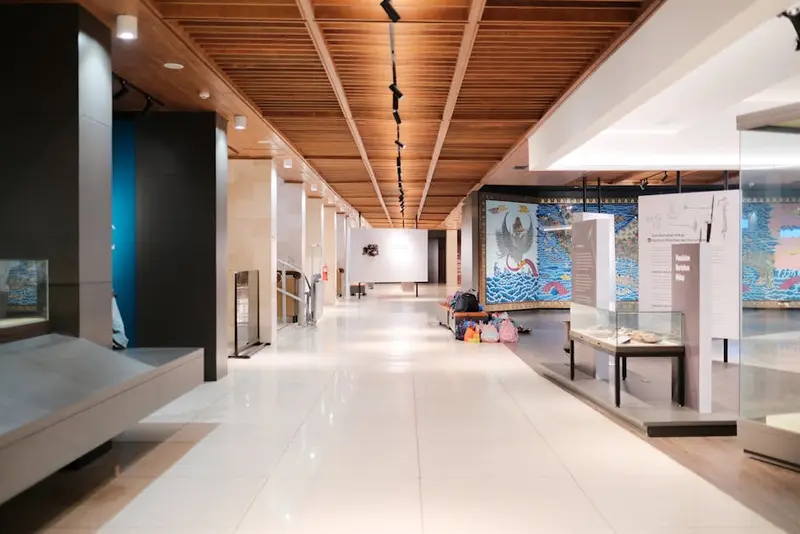
    Immerse yourself in a unique world where contemporary art and stunning architecture harmoniously blend with the serene nature of a Japanese island. Naoshima is a true paradise for culture enthusiasts and those seeking a tranquil escape to experience art in an entirely new context.

    Sights in Naoshima

    Discover the most important sights and attractions

    Chichu Art Museum

    1Chichu Art Museum

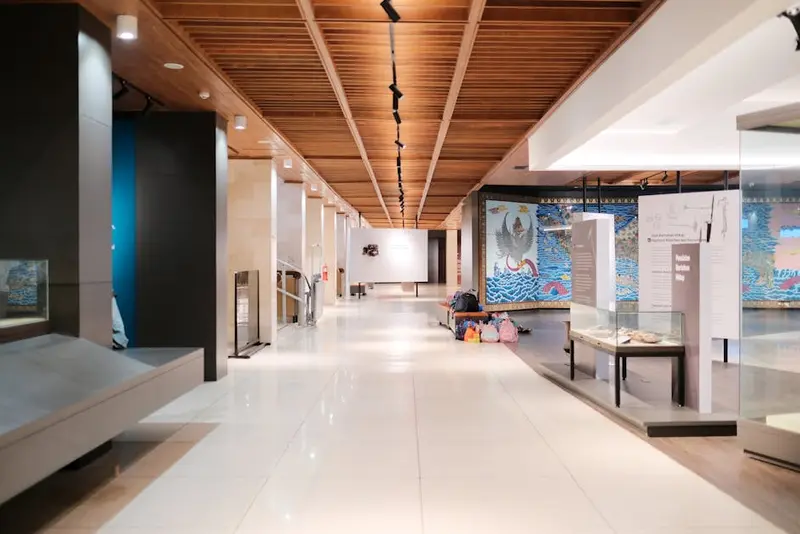
    The Chichu Art Museum, designed by Tadao Ando, is an architectural masterpiece built mostly underground to preserve the natural landscape. It houses permanent installations by Claude Monet, James Turrell, and Walter De Maria, focusing on the interplay of art, nature, and light. Each space is carefully crafted to showcase the artworks optimally and create a meditative experience. A visit here is a journey for the senses, where the building itself is part of the art, and the time of day and weather subtly alter the experience.
    Open in Google Maps
    Benesse House Museum

    2Benesse House Museum

    The Benesse House Museum, opened in 1992 and also a work by Tadao Ando, combines a hotel with an art museum, following the guiding principle of an interplay between nature, art, and architecture. It houses a collection of contemporary artworks, both indoors and in the expansive outdoor areas. Many works are site-specific and were created especially for Naoshima, allowing them to blend into the surrounding landscape and architecture. Guests staying at Benesse House can experience the exhibition spaces outside usual visiting hours.
    Open in Google Maps
    Art House Project

    3Art House Project

    The Art House Project in the Honmura District is a series of art installations realized in old, vacant houses within the traditional fishing village. Each house has been designed by a different artist and offers a unique experience that connects history and modernity, architecture and art. You can wander through the narrow streets of the village, discovering houses like "Kadoya," "Go'o Shrine," or "Minamidera," each housing a profound artistic vision and bringing the place's past to life in a new way.
    Open in Google Maps
    Yellow Pumpkin by Yayoi Kusama

    4Yellow Pumpkin by Yayoi Kusama

    Yayoi Kusama's Yellow Pumpkin is an undeniable landmark of Naoshima and a must-see for every visitor. This iconic sculpture, with its characteristic black dots, stands at the end of a pier near the Benesse House Museum and has become a symbol of the island. Surrounded by the glittering waters of the Seto Inland Sea and the blue sky, the pumpkin offers a fantastic backdrop for photos and embodies the playful yet profound connection between art and nature that defines Naoshima. It is a place of joy and wonder.
    Open in Google Maps
    Lee Ufan Museum

    5Lee Ufan Museum

    The Lee Ufan Museum is another architectural gem by Tadao Ando, created in collaboration with Korean artist Lee Ufan. The museum is deeply rooted in a valley and uses minimalist forms to create a tranquil and contemplative atmosphere. It showcases a selection of Lee's paintings and sculptures, reflecting his "Mono-ha" school approach – the interaction of nature and materials. The building's simple aesthetics and the careful placement of artworks invite reflection on space, time, and the relationship between viewer and object.
    Open in Google Maps

    Restaurants & Cafés

    Museum Restaurant Issen

    Located within the Chichu Art Museum, this restaurant offers not only refined cuisine with local ingredients but also a breathtaking view of the Seto Inland Sea. Enjoy a stylish lunch here in an environment that perfectly complements art and nature.
    Show on Google Maps

    Benesse House Museum Restaurant Terrace

    This elegant restaurant within the Benesse House Museum serves modern French cuisine with a Japanese touch. It is renowned for its exquisite menu and beautiful terrace overlooking the coast and numerous outdoor artworks. Ideal for a special dinner.
    Show on Google Maps

    Café Konnichiwa

    A charming and relaxed café near Miyanoura Port, offering simple yet delicious local dishes, light snacks, and coffee. It's the perfect spot for a short break after your ferry ride or before exploring the art around the port.
    Show on Google Maps

    Naoshima Genmai Gallery

    For lovers of healthy and vegetarian cuisine, Naoshima Genmai Gallery is an excellent choice. This small establishment in the Honmura District specializes in macrobiotic and brown rice-based dishes, offering a nutritious meal in a calm, artistic atmosphere.
    Show on Google Maps

    Cafe Aroi

    Café in 3299-13.
    Show on Google Maps

    Eating & Drinking on Naoshima

    On Naoshima, you'll find **gastronomy** that focuses on fresh, local ingredients. Besides traditional Japanese dishes, restaurants like Museum Restaurant Issen or Benesse House Museum Restaurant Terrace also offer international cuisine, often with views of the Seto Inland Sea.

    Few restaurants, plan early.

    Options are limited, focusing on Miyanoura Port and Honmura Village. Many eateries open only at lunchtime, have irregular closing days, and shut when museums are closed. Evening reservations are essential.

    Cafés in historic houses

    In Honmura, several cafés and small restaurants are housed in traditional wooden houses. They serve lunch menus featuring local rice, fish, and vegetables.

    Museum Cafés

    The Chichu Art Museum and Benesse House have their own cafés and restaurants overlooking the Inland Sea – a reliable choice for a break between visits.

    Hamachi and Nori

    Near Naoshima, yellowtail and nori seaweed are farmed. You'll find both in the island's eateries, for example as a rice bowl with marinated Hamachi.

    Cash and provisions

    Small eateries often only accept cash, and supermarkets are scarce. Bring water and a snack for the walks between art sites.

    Culture & History

    The Origins of Naoshima IslandBefore Naoshima gained international recognition as an “art island,” this island in Japan's Seto Inland Sea was shaped for centuries by fishing and a quiet, rural way of life. Its history stretches far back, with traces of human settlement indicating prehistoric times. Local communities traditionally subsisted on the rich marine resources and modest agriculture. You can still find charming, traditional fishing villages here, whose narrow alleys and old wooden houses contrast with the modern art scene and offer a glimpse into earlier island life.The Transformation into an Art IslandNaoshima's modern cultural history began in the late 20th century with the vision of the Benesse Corporation. The company, under the leadership of Tetsuhiko Fukutake and later his son Soichiro Fukutake, launched an ambitious project to establish the island as a place for art and dialogue between people, nature, and art. This initiative led to a unique symbiosis of landscape, architecture, and contemporary art that defines Naoshima today.Benesse House Museum: Opened in 1992 and designed by renowned architect Tadao Ando, it is a combination of hotel and museum, integrating artworks both indoors and outdoors.Chichu Art Museum: Also conceived by Tadao Ando and opened in 2004, this museum is built almost entirely underground to avoid impacting the natural landscape. It houses works by artists such as Claude Monet, Walter De Maria, and James Turrell.Art House Project: Initiated in 1998, this project transformed several vacant traditional houses and sites in Honmura village into art installations, respecting the historical building fabric.Lee Ufan Museum: Another work by Tadao Ando, opened in 2010 and dedicated to the work of Korean artist Lee Ufan, who belongs to the Mono-ha movement.Integration of Art and CommunityNaoshima's development into an art island is an ongoing process that involves the local population and their traditions. Art is not only exhibited in museums but also present in public spaces and restored village houses, thereby bridging modern art tourism and original island life. This approach allows you to not only experience art but also feel the authenticity of a Japanese island community that is undergoing change and redefining its identity.

    Exploring Locally

    Naoshima, an island of art, is best explored at a relaxed pace. There's no subway or tram here, but the public island bus connects the ferry terminals of Miyanoura and Honmura with the museum area. You pay the fare on the bus; have small change ready, as not every mode of transport on the island accepts IC cards. For maximum flexibility, renting a bicycle is recommended, especially an e-bike, to effortlessly conquer the hilly routes. Rental stations can be found primarily near Miyanoura Port.Taxis are very limited on the island, and ride-sharing services play hardly any role. Smaller areas like the Art House Project in Honmura can be explored well on foot, but the distances between the main attractions are often too great for walkers. Plan your routes in advance, especially if you need to catch a specific ferry.

    Accommodations in Naoshima

    Find perfect stay in Naoshima

    Booking.com* (Affiliate link)
    Search Hotels
    Agoda* (Affiliate link)
    Search Hotels
    Airbnb
    Vacation Rentals

    * Affiliate link: if you book through it, we earn a small commission. The price stays the same for you.

    Plan your trip to Naoshima

    Save places, build a route and plan your city trip, all in one place.

    1. 1
      Sunrise over alpine peaks and a sea of clouds
      1234

      Round trip

      12 days · 4 stops

      Saved

      Pick a route

      Pick a ready-made one or save places and plan your own.

      Open bookmarks
    2. 2

      Trip to Naoshima

      Live
      • 1Chichu Art Museum3 days
      • 2Benesse House Museum4 days
      • 3Art House Project5 days
      Budget

      Plan your trip

      The planner sorts stops, days and budget. Plan together in real time.

      Start trip planning
    3. 3
      9:41 No signal
      Naoshima
      Available offline

      Use it on the road

      Download the guide to your phone and use it on site, even offline.

    Nearby

    Takamatsu

    Takamatsu

    Takamatsu is a significant gateway to the art islands of the Seto Inland Sea and itself offers a rich history and green oases. The outstanding highlight is Ritsurin-kōen, an expansive Edo-period landscape garden considered one of Japan's most beautiful. Here you can explore carefully designed ponds, hills, and traditional tea houses that hold charm in every season. The ruins of the former Takamatsu Castle, now Tamamo Park, offer insights into the city's feudal past. From the port, you can easily reach famous art islands like Naoshima and Teshima, especially relevant during the Setouchi Triennale. For an authentic glimpse into city life, the bustling shopping arcades, like the Marugamemachi Arcade, are perfect for strolls and local specialties. Plan an early morning for Ritsurin Garden to fully savour its peaceful atmosphere, and reserve ample time for ferry connections to the islands.
    Setouchi

    Setouchi

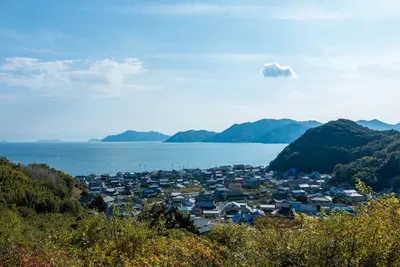
    The Setouchi region, nestled around the tranquil Seto Inland Sea, enchants you with its unique blend of breathtaking nature, vibrant art scene, and rich culinary tradition. Discover a world of several hundred islands, many of which are home to art installations and traditional fishing villages.Enjoy the mild climate, the fresh sea breeze, and the exquisite local cuisine that reflects the soul of this special place.
    Shodoshima

    Shodoshima

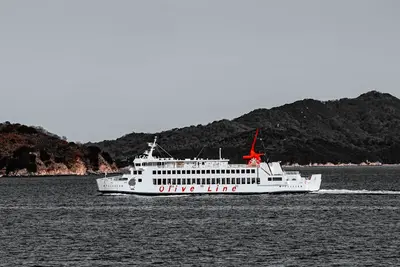
    Shodoshima, the second-largest island in the Seto Inland Sea, is renowned for its Mediterranean atmosphere and the unique blend of nature and traditional craftsmanship. Here you'll find Japan's first olive groves, which lend a special flair to the island and are used for olive oil production. Another cultural highlight is traditional soy sauce production, which you can experience in historic breweries like the Marukin Soy Sauce Memorial Hall. Visit the Angel Road, a sandbar passable at low tide connecting two small islands, or explore the spectacular Kankakei Gorge with its dramatic rock formations. The island is also an important venue for the Setouchi Triennale, which integrates contemporary artworks into the landscape. For a relaxed exploration of the olive groves and coastal roads, a rental car is recommended; the best time to visit is spring or autumn to enjoy the mild temperatures.
    Iya-Tal

    Iya-Tal

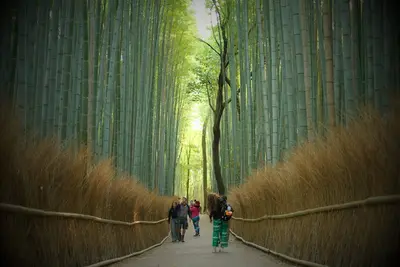
    This remote valley deep in the mountains of Tokushima is known for its historic vine bridges made of plant fibers and its deep gorges that transport you to another time.
    Himeji

    Himeji

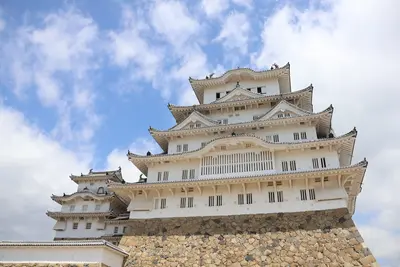
    Himeji is home to the magnificent Himeji-jō, one of Japan's best-preserved and most impressive Samurai castles, which is a UNESCO World Heritage site.

    Sources & method

    • Photos: Unsplash, Pexels. Each photo carries its credit.
    • The content is based on web research from public, traceable sources. How the content is made · The role of AI