Fernweh
    ExploreTravel GuidesMy Trips
    de|en
    About FernwehImprintFAQPrivacy Policy
    ExploreTravel GuidesMy Trips
    Saguenay Fjord

    Saguenay Fjord

    City
    1. Home
    2. Destinations
    3. Canada
    4. Charlevoix
    5. Saguenay Fjord
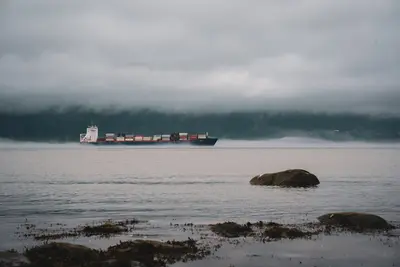
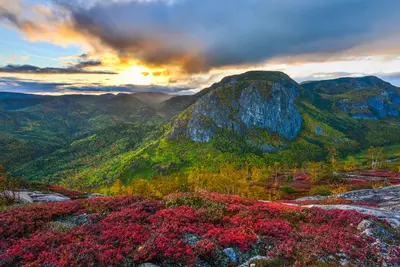
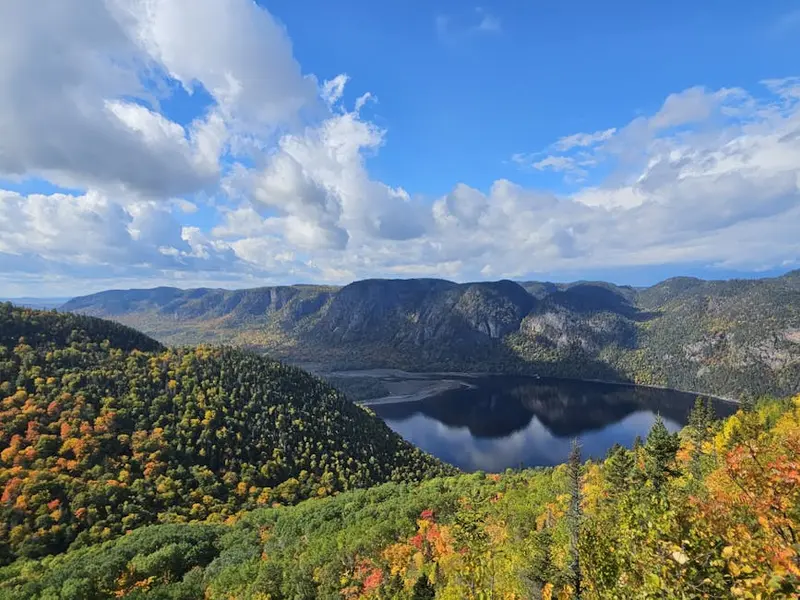
    The Saguenay Fjord is a majestic natural wonder in Quebec, Canada, that will enchant you with its dramatic cliffs, deep blue waters, and lush forests. Immerse yourself in a world where adventure and pristine beauty go hand in hand, and discover a unique ecosystem waiting to be explored. This is the perfect place to escape the hustle and bustle of everyday life and experience the breathtaking power of nature firsthand.
    • Neighborhoods & highlights
    • Eat & drink
    • Food culture
    • Culture
    • Getting around
    • Excursions
    • Accommodation
    • Plan trip
    • Nearby
    • Neighborhoods & highlights
    • Eat & drink
    • Food culture
    • Culture
    • Getting around
    • Excursions
    • Accommodation
    • Plan trip
    • Nearby

    Overview

    The Saguenay Fjord in Québec, Canada, is an impressive geological formation and one of the few inhabited fjords in the world. Here you'll find majestic cliffs rising steeply from deep waters. The region is part of the Parc national du Fjord-du-Saguenay and the Parc marin du Saguenay–Saint-Laurent, which protect its unique flora and fauna. Especially at its confluence with the St. Lawrence River, beluga whales and other marine mammals can be observed. For active exploration, kayaking tours or hikes along the well-maintained trails are available. The best time for whale watching is from June to October; plan a visit to Tadoussac for optimal sightings.

    Places in Saguenay Fjord

    Discover the most important sights and attractions

    Sights in Saguenay Fjord

    Saguenay Fjord National Park

    Immerse yourself in the pristine wilderness of this breathtaking national park, which will delight you with its spectacular landscapes and diverse outdoor opportunities. You can hike on well-marked trails that lead to stunning viewpoints overlooking the fjord, kayak in the tranquil bays, or even spend a night on one of the cliffs to admire the starry sky. The park not only protects the unique flora and fauna of the region but also offers you deep insights into the geological history of the fjord and the culture of the First Nations. Be sure to plan enough time to explore the various sectors of the park and let the majestic tranquility of this place captivate you.

    Open in Google Maps

    Notre-Dame-du-Saguenay Statue at Cap Trinité

    This impressive statue of the Virgin Mary, perched high on a cliff at Cap Trinité, is a truly iconic sight and a pilgrimage site for many visitors to the fjord. From here, you have one of the most spectacular views over the Saguenay Fjord, and you can admire the immense vastness and depth of the water stretching between the towering rock faces. You can reach the statue via a scenic hike that leads through dense forests, constantly rewarding you with fantastic panoramas. It is a place of contemplation and reverence, uniting the beauty and spiritual significance of nature.
    Open in Google Maps

    Saguenay–St. Lawrence Marine Park

    Experience the fascinating underwater world of the Saguenay Fjord and the St. Lawrence River in this unique marine protected area. The Marine Park is a hotspot for marine mammals, especially whales, which congregate here due to the abundant food supply. You can join guided whale watching tours that take you out to the open sea, offering you the chance to see belugas, fin whales, and even blue whales in their natural habitat. Beyond whales, the park also hosts diverse birdlife and offers excellent opportunities for sea kayaking and diving to explore the fascinating depths of the fjord.
    Open in Google Maps

    Restaurants & Cafés

    Food & Drink

    The **cuisine in the Saguenay Fjord** reflects its regional connection, with a focus on fresh, local specialties. Here you'll find traditional inns like the Auberge La Fjordelaise, serving hearty, down-to-earth cuisine, as well as restaurants like Le Bateau with fjord views.

    Lokale Spezialitäten

    Kulinarische Vielfalt am Fjord Die Region um den Saguenay Fjord, insbesondere das Saguenay–Lac-Saint-Jean-Gebiet, überrascht mit einer authentischen und herzhaften Küche, die stark von den lokalen Ressourcen geprägt ist. Du findest hier eine Mischung aus traditionellen québecer Gerichten und frischen Produkten aus dem Fjord und den umliegenden Wäldern. Die Gastronomie spiegelt die Naturverbundenheit und die regionalen Spezialitäten wider, die du bei deiner Reise entdecken kannst. Regionale Spezialitäten und frische Produkte Das kulinarische Angebot des Saguenay Fjord-Gebiets zeichnet sich durch seine Authentizität aus. Einige Gerichte und Produkte sind besonders hervorzuheben: Fisch und Meeresfrüchte: Obwohl ein Fjord, ist der Saguenay Fluss für Süßwasserfisch wie Lachs und Forelle bekannt. Die Nähe zum Sankt-Lorenz-Golf garantiert zudem den Zugang zu frischen Meeresfrüchten wie Hummer, Krabben und Garnelen, die oft in den Restaurants der Küstenorte angeboten werden. Tourtière du Lac-Saint-Jean: Dies ist eine der bekanntesten Spezialitäten der Region. Es handelt sich um einen reichhaltigen, deftigen Fleischkuchen, der traditionell mit verschiedenen Fleischsorten (oft Wild, Rind, Schwein) und Kartoffeln zubereitet wird. Die Zubereitung ist regional unterschiedlich, die Version aus dem Lac-Saint-Jean ist besonders geschätzt. Poutine: Als unverzichtbares Gericht Québeecs begegnest du auch hier der Poutine in ihren vielfältigen Variationen. Probiere die klassische Variante mit Pommes frites, Käsebruch (cheese curds) und Bratensoße oder lokale Interpretationen mit regionalen Zutaten. Blaubeeren (Bleuets): Die Region um den Lac Saint-Jean ist berühmt für ihre Blaubeeren. Du findest sie frisch, in Marmeladen, Kuchen, Säften und sogar als Zutat in herzhaften Gerichten. Ahornsirup-Produkte: Wie in ganz Québec ist der Ahornsirup ein fester Bestandteil der Küche. Ob auf Pfannkuchen, in Desserts oder als Glasur – die süße Note des Ahornsirups ist allgegenwärtig. Lokale Getränke und Essenserlebnisse Abseits der Speisen bietet die Region auch interessante Optionen für Getränke und authentische Essenserlebnisse. Craft-Brauereien: Die Mikrobrauerei-Szene in Québec boomt, und auch im Saguenay-Gebiet findest du einige lokale Brauereien, die handwerklich gebrautes Bier anbieten. Diese sind oft ein guter Ort, um die lokale Atmosphäre zu genießen und einzigartige Geschmacksrichtungen zu entdecken. Cidreries: Die Apfelanbaugebiete in Québec produzieren ausgezeichneten Apfelwein. Halte Ausschau nach lokalen Cidreries, die oft Verkostungen und Direktverkauf anbieten. Bauernmärkte: Für frische, saisonale Produkte besuche die lokalen Bauernmärkte. Hier triffst du Produzenten direkt und kannst regionale Spezialitäten entdecken, die du in Restaurants vielleicht nicht findest. Restaurants und Cafés: Von urigen Cafés in den kleinen Städten am Fjord bis zu Restaurants, die eine gehobene québecer Küche servieren, bietet die Region eine Reihe von Speisemöglichkeiten. Achte auf Lokale, die „cuisine du terroir“ (regionale Küche) oder „produits locaux“ (lokale Produkte) auf der Speisekarte ausweisen.

    Culture and History

    The region around the Saguenay Fjord, nestled deep in the heart of Québec, holds a rich and multifaceted history as well as a distinct cultural identity. Here, you'll find traces of millennia of Indigenous settlement, testimonies of French colonization, and the profound influences of a robust industrial history that has shaped both the landscape and its people. Indigenous Heritage and Origins Long before European settlers reached the region, the Saguenay Fjord area was the ancestral home of the Innu (formerly Montagnais). You'll encounter a deeply rooted heritage that highlights the Innu's connection to the land, rivers, and the fjord. Their culture was based on hunting, fishing, and gathering, and their knowledge of nature was crucial for their survival. The Innu used the fjord and surrounding forests as hunting grounds and transportation routes. Their oral traditions and spiritual practices remain part of the regional identity to this day. French Settlement and the Fur Trade Era With the arrival of Europeans in the 17th century, particularly French explorers and missionaries, a new chapter began. The Saguenay became a crucial axis in the fur trade. You'll find that trade relations were established with the Innu, granting the French access to the region's rich fur resources. Historical records attest to early expeditions that recognized the potential of the Saguenay area. The establishment of the first trading posts laid the groundwork for later settlements. The Era of Industrial Development The 19th and 20th centuries profoundly shaped the Saguenay Fjord through massive industrial expansion. The abundant natural resources – forests and hydropower – became the engine of progress. You can still see the effects of this era today, from the colossal dams to the industrial towns. Forestry: The untouched forests led to the establishment of numerous sawmills that exported wood products worldwide. Hydropower: The strong currents of the Saguenay River made it ideal for energy generation. The construction of large hydroelectric power plants, such as Shipshaw and Chute-à-Caron, created the foundation for energy-intensive industries. Aluminum Production: Attracted by the favorable electricity supply, aluminum smelting, particularly by companies like Alcan (today Rio Tinto Alcan) in towns like Arvida (today part of Saguenay), became a crucial economic sector. Cultural Identity and Preservation The cultural identity of the Saguenay region is shaped by a mix of its Indigenous heritage, the influence of French-speaking settlers, and its industrial history. You'll experience a community proud of its roots, nurturing its stories through local museums, festivals, and the preservation of its natural heritage. Visit the Musée du Fjord in La Baie to learn more about the maritime and industrial history. Regional festivals celebrate logging traditions and local cuisine. The resilience of the people and their strong connection to nature are characteristic features.

    Getting About Locally

    While the Saguenay Fjord is vast, mobility within its communities and for exploration is well-managed, even without a subway or tram network. The local bus service, the Société de transport du Saguenay (STS), reliably serves the larger towns and their suburbs. Purchasing a multi-ride pass is recommended for longer stays; current timetables and apps are available via their website.For shorter distances, especially in the picturesque coastal towns, bicycles and e-scooters are a fantastic option, often available for rent, allowing you to explore the impressive nature independently. Taxis and ride-sharing services offer flexibility, particularly outside peak hours or for destinations less accessible by bus. Many areas, especially the centers of La Baie or Chicoutimi and the waterfront promenades, are designed to be very pedestrian-friendly and invite you for strolls.However, for comprehensive exploration of the Fjord and its more remote viewpoints, a rental car is often the most practical choice, offering the freedom to fully enjoy the diverse landscapes and national parks.

    Tours & Activities

    Empfehlenswerte Aktivitäten

    Erkundung auf dem WasserDer Saguenay Fjord bietet eine Vielzahl an Möglichkeiten, seine imposante Landschaft vom Wasser aus zu erleben. Die tiefeingeschnittenen Buchten und steilen Klippen sind besonders eindrucksvoll, wenn Sie sie aus der Perspektive des Fjords betrachten. Fjord-Kreuzfahrten: Verschiedene Anbieter organisieren Bootstouren von Orten wie Tadoussac, Baie-Sainte-Catherine oder La Baie. Diese Fahrten variieren in Dauer und Route und konzentrieren sich oft auf die spektakulärsten Abschnitte des Fjords. Einige Touren kombinieren die Fjord-Erkundung mit einer Walbeobachtung im Mündungsgebiet des Sankt-Lorenz-Stroms. Kajak- und Kanutouren: Für eine persönlichere und naturnahe Erfahrung eignen sich geführte Kajak- oder Kanutouren. Diese ermöglichen es Ihnen, nah an die Klippen heranzupaddeln und versteckte Buchten zu entdecken. Beliebte Ausgangspunkte sind L'Anse-Saint-Jean und Sainte-Rose-du-Nord. Anbieter stellen die nötige Ausrüstung und erfahrene Guides zur Verfügung. Stand-Up Paddling (SUP): An ruhigeren Abschnitten des Fjords ist auch Stand-Up Paddling eine Option, um die Landschaft in einem entspannten Tempo zu genießen. Lokale Verleiher bieten Equipment an.Aktivitäten an Land und in der NaturNeben den Wasseraktivitäten lädt die Umgebung des Saguenay Fjords auch zu ausgedehnten Erkundungen an Land ein. Die Region ist reich an Wanderwegen und Aussichtspunkten. Wandern: Der Parc national du Fjord-du-Saguenay ist ein zentraler Anlaufpunkt für Wanderer. Er bietet ein Netz gut markierter Wege mit unterschiedlichen Schwierigkeitsgraden. Beliebte Routen führen zu atemberaubenden Ausblicken auf den Fjord, wie der Weg zum Cap Éternité, der mit einer beeindruckenden Madonna-Statue abschließt. Informieren Sie sich vorab über die jeweiligen Weglängen und Höhenunterschiede. Radfahren: Entlang des Fjords verlaufen einige reizvolle Radwege, die sich für entspannte Touren eignen. Der Véloroute du Fjord du Saguenay bietet Teilstrecken für verschiedene Ansprüche. Tierbeobachtung von Land aus: Obwohl Walbeobachtungen primär vom Wasser aus stattfinden, können Sie mit etwas Glück vom Ufer aus Belugawale in der Mündung des Saguenay sehen. Achten Sie auch auf die reiche Vogelwelt in den Küstenregionen.Begegnungen mit den Fjord-DörfernDie kleinen Ortschaften entlang des Saguenay Fjords bieten charmante Einblicke in das lokale Leben und sind oft Ausgangspunkte für weitere Aktivitäten. L'Anse-Saint-Jean: Dieses malerische Dorf zählt zu den schönsten in Québec und ist bekannt für seine überdachte Brücke und den kleinen Hafen. Es ist ein guter Startpunkt für Kajaktouren und Wanderungen. Sainte-Rose-du-Nord: Oft als „Perle des Fjords“ bezeichnet, besticht dieser Ort durch seine idyllische Lage und bietet einen schönen Blick über das Gewässer. Tadoussac: Am Zusammenfluss von Saguenay und Sankt-Lorenz-Strom gelegen, ist Tadoussac ein wichtiger Knotenpunkt für Walbeobachtungen und beherbergt das Centre d'interprétation des mammifères marins (CIMM), wo Sie mehr über die Meeresbewohner der Region erfahren können.

    Accommodations in Saguenay Fjord

    Residences

    Übernachtungsmöglichkeiten

    Übernachten am Saguenay FjordDie Unterkunftslandschaft rund um den Saguenay Fjord bietet eine breite Palette an Optionen, die von komfortablen Hotels bis hin zu naturnahen Campingplätzen reichen. Du findest hier Übernachtungsmöglichkeiten, die sich nahtlos in die beeindruckende Natur einfügen und gleichzeitig praktischen Komfort bieten. Die Wahl der Unterkunft hängt oft von deinen geplanten Aktivitäten und der gewünschten Atmosphäre ab.Vielfältige UnterkunftsartenEntlang des Fjords und in den umliegenden Ortschaften hast du verschiedene Möglichkeiten, die deinen Bedürfnissen gerecht werden: Hotels und Motels: In größeren Städten wie Saguenay (Chicoutimi, La Baie) oder am Eingang des Fjords in Tadoussac findest du klassische Hotels und Motels, die modernen Komfort und oft eine gute Anbindung an Restaurants und Dienstleistungen bieten. Diese eignen sich gut als Ausgangspunkt für Tagestouren. Auberges und Gasthäuser: Zahlreiche charmante Auberges (Gasthäuser) und Bed & Breakfasts verteilen sich in kleineren Dörfern wie Sainte-Rose-du-Nord, L'Anse-Saint-Jean oder Petit-Saguenay. Diese Unterkünfte zeichnen sich oft durch eine persönliche Atmosphäre, lokale Küche und direkte Nähe zur Natur aus. Sie bieten einen authentischen Einblick in das Leben der Region. Ferienhäuser und Chalets: Besonders beliebt für Reisende, die mehr Privatsphäre und Selbstversorgung wünschen, sind Ferienhäuser und Chalets. Viele von ihnen liegen direkt am Wasser oder in den umliegenden Wäldern und bieten oft eine atemberaubende Aussicht auf den Fjord. Du kannst sie über verschiedene Online-Plattformen buchen. Camping und Glamping: Für Naturliebhaber sind die zahlreichen Campingplätze eine ausgezeichnete Wahl. Der Parc national du Fjord-du-Saguenay bietet gut ausgestattete Stellplätze, aber auch private Campingplätze sind weit verbreitet. Darüber hinaus gibt es zunehmend Glamping-Optionen wie Jurten oder Zelt-Lodges, die eine komfortable Übernachtung inmitten der Wildnis ermöglichen.Buchungstipps und SaisonalesUm die passende Unterkunft zu finden, sind einige Aspekte zu beachten: Frühzeitige Buchung: Besonders in der Hochsaison (Juli und August) sowie an Feiertagen ist eine frühzeitige Buchung unerlässlich, da die beliebtesten Unterkünfte schnell ausgebucht sind. Auch Glamping-Optionen und gut gelegene Chalets sind sehr gefragt. Lage: Überlege, welche Aktivitäten du planst. Wenn du beispielsweise Walbeobachtungstouren unternehmen möchtest, könnte eine Unterkunft in Tadoussac oder Baie-Sainte-Catherine praktisch sein. Für Wanderungen im Nationalpark eignen sich Unterkünfte in der Nähe von Parkzugängen wie L'Anse-Saint-Jean oder Sainte-Rose-du-Nord. Ausstattung: Prüfe die Ausstattung der Unterkunft, insbesondere wenn du spezielle Bedürfnisse hast (z.B. barrierefreier Zugang, Küche zur Selbstversorgung). Viele Auberges bieten Mahlzeiten an, während in Ferienhäusern eine voll ausgestattete Küche Standard ist.

    Accommodations in Saguenay Fjord

    Find perfect stay in Saguenay Fjord

    Booking.com
    Search Hotels
    Agoda
    Search Hotels
    Airbnb
    Vacation Rentals
    Hotels.com
    Hotels Worldwide
    Hostelworld
    Hostels

    Campgrounds in Saguenay Fjord

    Find perfect campground in Saguenay Fjord

    Search via Google Maps
    Campgrounds nearby (15km)
    Camping.info
    Find Campgrounds
    Park4Night
    RV Parks & Camping

    Plan your trip to Saguenay Fjord

    Save places, build a route and plan your city trip — all in one place.

    Save places

    Bookmark sights, restaurants and neighborhoods you're interested in.

    Build your route

    Turn your bookmarks into a route — define order, days and budget.

    Refine with AI

    Let Mein Fernweh suggest experiences and put together a tailored daily plan.

    Start trip planningOpen bookmarks

    Locations nearby

    These places are nearby — perfect for additional days or a day trip.

    La Malbaie

    La Malbaie

    As a historic spa resort, La Malbaie impresses with its Victorian architecture, the majestic Fairmont Le Manoir Richelieu, and magnificent views of the St. Lawrence River.
    Charlevoix

    Charlevoix

    The Charlevoix region in Québec is a breathtaking natural wonder, known for its dramatic landscapes shaped by an ancient meteorite impact, and as a UNESCO Biosphere Reserve. Along the majestic St. Lawrence River, it offers a unique blend of picturesque coastal towns, impressive fjords, and a vibrant arts and culinary scene.
    Baie-Saint-Paul

    Baie-Saint-Paul

    Baie-Saint-Paul, idyllically situated in Québec's UNESCO Charlevoix Biosphere Reserve, is widely known as one of Canada's most significant art towns. Along the charming Rue Saint-Jean-Baptiste, you'll find an impressive concentration of art galleries, studios, and boutiques celebrating the city's rich artistic heritage. Its picturesque location on the Saint Lawrence River and the surrounding nature served early on as inspiration for famous Canadian landscape painters. Beyond the art scene, the town offers excellent regional cuisine; discover local cheeses and artisanal cider. Late summer or early autumn, with its vibrant colors, is the ideal time to visit for exploring the galleries and the scenic landscape.
    Québec City

    Québec City

    Step into the enchanting atmosphere of Québec City, a place that will immediately captivate you with its undeniable European charm and rich history. As the only fortified city north of Mexico in North America, it offers a unique blend of French culture and North American hospitality that you won't find anywhere else.
    Mauricie NP

    Mauricie NP

    Immerse yourself in the pristine wilderness of Mauricie National Park, a breathtaking natural paradise in the heart of Quebec. Here, rolling hills, dense forests, glistening lakes, and rushing rivers invite you to unforgettable adventures. This national park is the ideal place to escape the everyday and experience the impressive Canadian nature up close.