Fernweh: Home
ExploreGuideDestinationsMy tripsMy trip
de|en
All Places & RegionsRound tripsNight trains in EuropeAll highlightsAbout FernwehFAQPrivacy PolicyImprint
Download on the App StoreGet it on Google Play
ExploreGuideDestinationsMy tripsMy trip
    • Places in the region
    • Culture
    • Getting around
    • Round trips
    • Nearby
    North-Estonia

    Photo by Evelin Magnus on Pexels

    Estonia

    North-Estonia

    Region

    Northern Estonia stretches from the capital Tallinn on the Gulf of Finland to the bays, bogs, and manor houses of Lahemaa National Park.

    by Felix Gillen

    1. Home
    2. Destinations
    3. Estonia
    4. North-Estonia
    Northern Estonia stretches from the capital Tallinn on the Gulf of Finland to the bays, bogs, and manor houses of Lahemaa National Park. For most travellers, Estonia begins here: at Tallinn Airport or in the passenger harbour where ferries from Helsinki dock.
    Estonia travel guideSee the round tripPlan a trip with North-Estonia

    Contents

    • Places in the region
    • Culture
    • Getting around
    • Round trips
    • Nearby
    Lahemaa National Park

    Photo by Stefan Hiienurm on Unsplash

    Place 1 of 3

    Lahemaa National Park

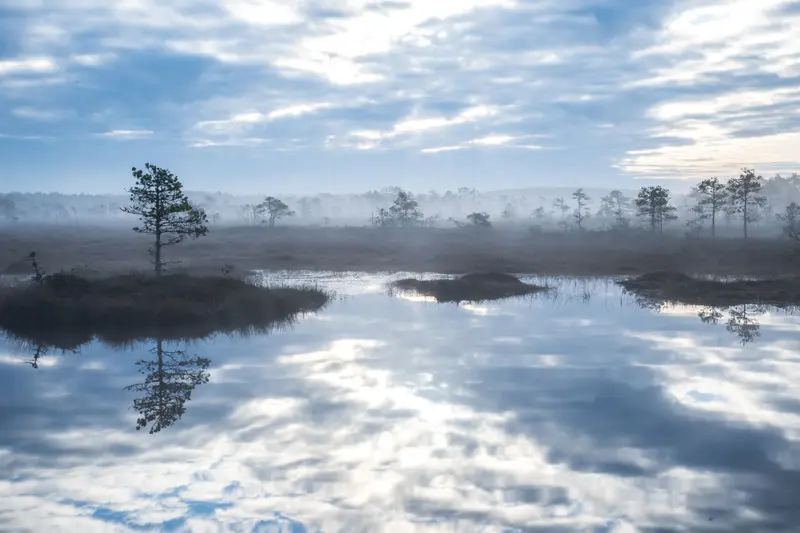
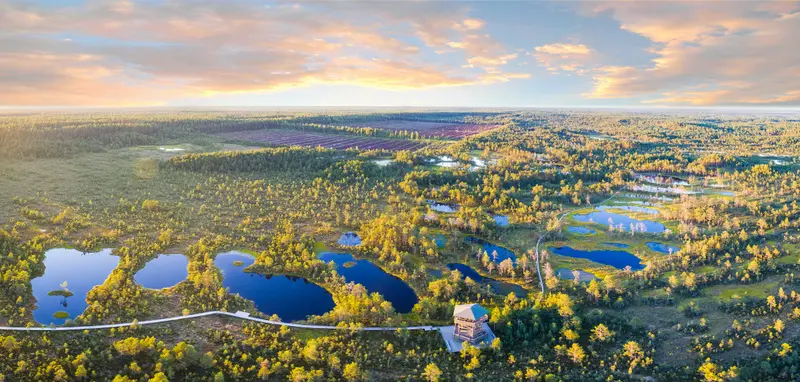
    Lahemaa National Park on the north coast is the classic natural destination east of Tallinn: peninsulas and bays, boulders, raised bogs with boardwalks, fishing & captains' villages, and the manors of Palmse, Sagadi, Vihula, and Kolga.

    Discover
    Tallinn

    Photo by Vish Pix on Pexels

    Place 2 of 3

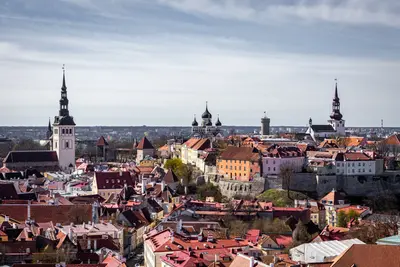
    Tallinn

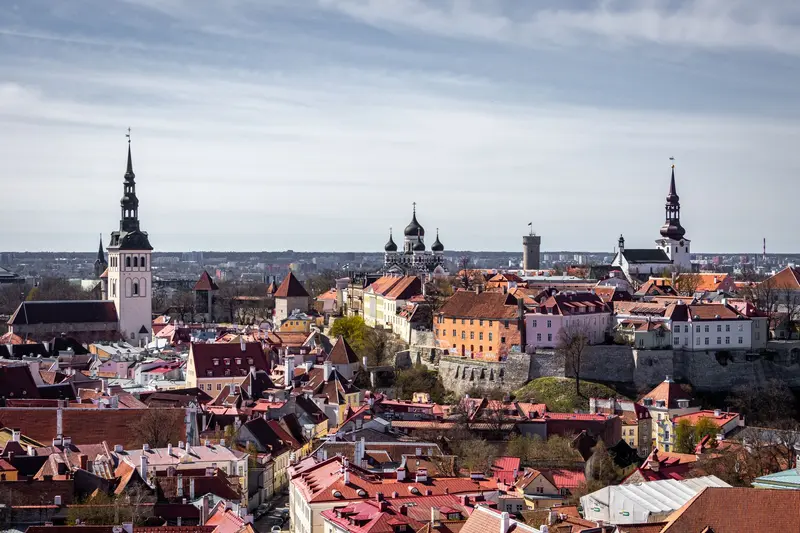
    Estonia's capital on the Gulf of Finland blends an exceptionally well-preserved medieval Old Town with revamped industrial waterfront areas.

    Discover
    Narva

    Ad Meskens / Wikimedia Commons / CC BY-SA 4.0, mod.

    Place 3 of 3

    Narva

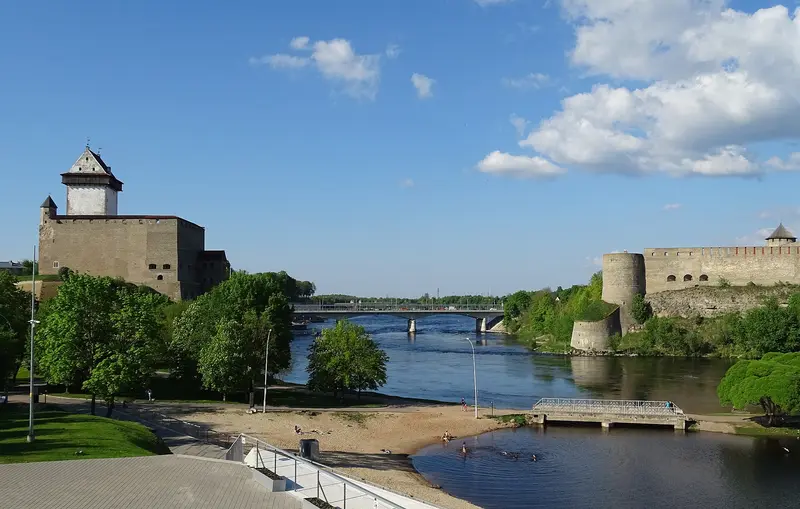
    Narva, in the far northeast, lies directly on the border with Russia: Across the Narva River, Hermann's Castle and Ivangorod Fortress face each other.

    Discover

    Capital, National Park and Border Town

    TallinnThe capital, with its UNESCO Old Town, the creative districts of Kalamaja and Telliskivi, and Kadriorg Park, is for most the starting point of an Estonia trip.LahemaaEast of Tallinn lies the country's oldest national park, with raised bogs, erratic boulders, captains' villages, and Baltic German manors.NarvaIn the far east, Narva's Hermann Castle overlooks the border river, facing Russia's Ivangorod Fortress; check the UK government's FCDO Travel Advice, linked on the country page, before you go.

    Traveling in North Estonia

    ConnectionsThe E20 motorway connects Tallinn with Lahemaa National Park and Narva; it's about 52 kilometres to Viru Bog.Elron runs trains from Tallinn to Narva; buses stop at the Loksa tee turn-off on the edge of the national park.ArrivalFerries from Helsinki dock at Tallinn's Old City Harbour; the airport is about 4 kilometres from the city centre.

    Round trips through this region
    By Ferry and Train: Tallinn, Lahemaa, and Tartu to Riga

    By Ferry and Train: Tallinn, Lahemaa, and Tartu to Riga

    One week in Estonia without a car, ideal as part of a Helsinki, Tallinn, Riga trip: three nights in Tallinn with Old Town, Kalamaja and Kadriorg, an excursion to Lahemaa National Park, then by train to the university city of Tartu and on to Riga.

    6 Days
    3 stops
    Open jaw

    Vish Pix·Pexels

    Nearby

    Kadriorg

    Kadriorg, east of the center, is Tallinn's park and museum quarter: Tsar Peter the Great had Estonia's only Baroque palace and park ensemble built here over 300 years ago; today, the Kumu Art Museum, Kadriorg Palace, and several smaller museums are located in the park.
    Old Town Tallinn

    Old Town Tallinn

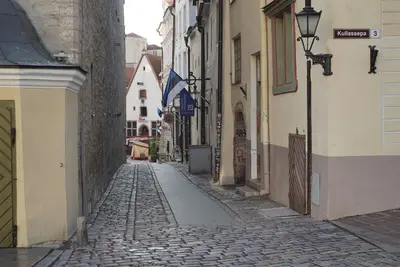
    Tallinn Old Town, UNESCO World Heritage site since 1997, is Visit Tallinn's top capital attraction: a medieval alley network, city walls, defensive towers, and winding courtyards. Below, the merchant town by Town Hall Square; above, Toompea (Cathedral Hill) with castle, cathedral, and viewing terraces.

    Argo Allvee·Pexels

    Kalamaja and Telliskivi

    Kalamaja and Telliskivi

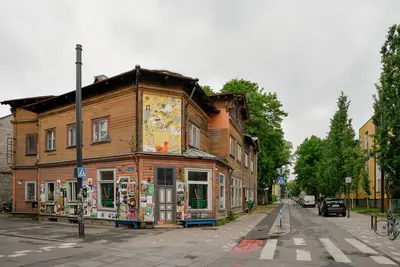
    Kalamaja, the old fishing district directly north of Tallinn's Old Town, is now a relaxed residential area with colourful wooden houses, cafés, and bakeries. Additionally, there are converted factories like the Telliskivi Creative City with Fotografiska, the Seaplane Harbour Museum, and the Noblessner Port Quarter.

    Margo Evardson·Pexels

    Suomenlinna

    Suomenlinna

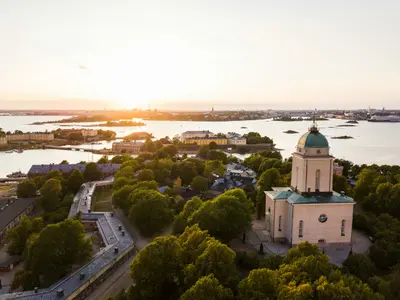
    The sea fortress on several islands off Helsinki has been a UNESCO World Heritage site since 1991, an example of 18th-century European fortress architecture. Sweden had it built from 1748 against Russia; later, Russia used it as a bulwark against the West. Today, Suomenlinna is a populated district with around 800 residents, about 200 buildings, six kilometers of ramparts, and over a hundred cannons. The HSL ferry takes about 15 minutes from Market Square; there's no entrance fee to the fortress.

    Julius Jansson·Unsplash

    Design District

    Design District

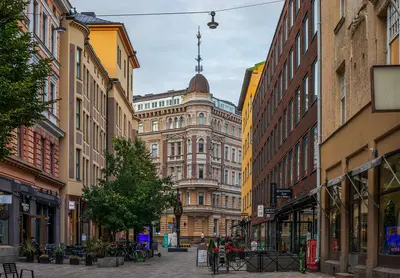
    The Design District is not an administrative district, but a network of around 200 shops, studios, galleries, and showrooms in the neighborhoods between Senatsplatz, Kamppi, Bulevardi, and Korkeavuorenkatu, primarily in Punavuori and Kaartinkaupunki. Here you'll discover Finnish brands like Marimekko, Iittala, and Fiskars, alongside small workshops for furniture and ceramics, plus the Architecture and Design Museum.

    Ximonic (Simo Räsänen)·CC BY-SA 4.0

    Your next steps

    North-Estonia is in Estonia. Ways to carry on from here.

    • More in Estonia

      Highlights, areas, routes and the best time to travel for all of Estonia.

      Estonia travel guide
    • Round trips with North-Estonia

      One route passes through North-Estonia, with stops, nights and a map.

      See the round trip
    • Plan a trip with North-Estonia

      The Guide asks about season, length and who is coming, and suggests a trip with North-Estonia.

      Plan the trip

    Sources & method

    • Photos: Pexels. Each photo carries its credit.
    • The content is based on web research from public, traceable sources. How the content is made · The role of AI