Fernweh: Home
    ExploreTravel GuidesPlan a tripMy tripLast visited
    de|en
    All Places & RegionsAll highlightsAbout FernwehFAQPrivacy PolicyImprint
    ExploreTravel GuidesPlan a tripMy tripLast visited
    • Overview
    • Places in the region
    • Culture
    • Getting around
    • Round trips
    • Nearby
    Limpopo

    South Africa

    Limpopo

    Region

    Limpopo is South Africa's northernmost province, bordering Botswana, Zimbabwe, and Mozambique.

    by Felix Gillen

    1. Home
    2. Destinations
    3. South Africa
    4. Limpopo
    Limpopo is South Africa's northernmost province, bordering Botswana, Zimbabwe, and Mozambique. It is home to the northern part of Kruger National Park, the Waterberg Massif, the UNESCO World Heritage Site Mapungubwe, and the green highlands around Tzaneen and Magoebaskloof.
    Limpopo is less touristy than Mpumalanga, but very diverse. Around Hoedspruit are the private game reserves on the western edge of Kruger, known for safaris in small lodges. In the mountainous region of Magoebaskloof and Tzaneen, forests, tea, and tropical fruits grow. In the far north, Mapungubwe National Park leads to the remains of an early African kingdom. Here live, among others, the Pedi, Venda, and Tsonga, whose handicrafts you'll find in the villages. Parts of the province are in a malaria area; check the Foreign Office link on the country page beforehand.

    More places in Limpopo

    Hoedspruit

    Hoedspruit

    Hoedspruit is a small town in the Lowveld on the western edge of the Kruger area, surrounded by private game reserves like Klaserie, Timbavati, and Balule. For many safari travellers, the small airport here is the gateway to the lodges, and the Panorama Route is just an hour's drive away.

    Sights in Limpopo

    Discover the most important sights and attractions

    Kruger National Park (Westliche Region)

    Kruger National Park (Westliche Region)

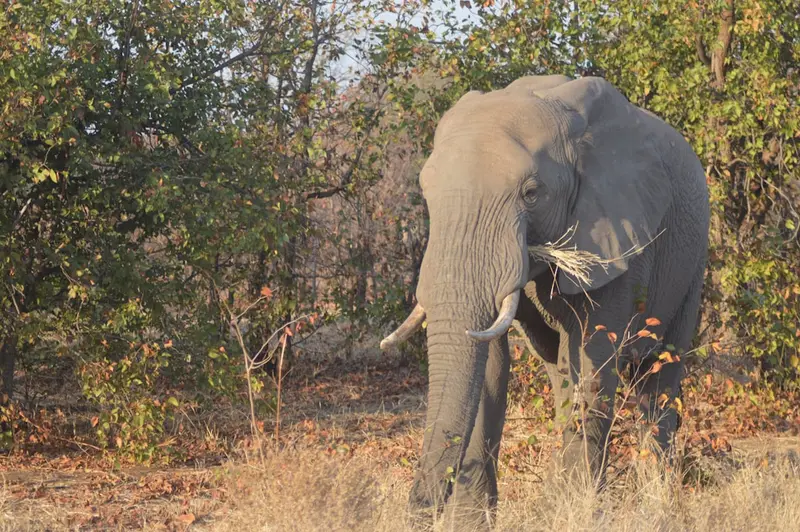
    The Kruger National Park in Limpopo's western region is a historically significant pillar of conservation. Founded in 1898 as the Sabie Game Reserve, it has evolved into one of Africa's largest and most biodiverse wildlife parks. You can expect an impressive diversity of ecosystems, from savannas to riverine forests, home to the "Big Five" and many other animal species. The varied topography of the western region offers captivating wildlife viewing opportunities. Our Tip: The dry season (May-Oct.) is ideal for wildlife viewing, as animals gather at waterholes. For optimal photos and to avoid crowds, utilize the early morning hours.
    Open in Google Maps
    Mapungubwe National Park

    Mapungubwe National Park

    The Mapungubwe National Park is a significant UNESCO World Heritage Site. Between 1075 and 1290 AD, the Kingdom of Mapungubwe flourished here, renowned for its gold and ivory trade. You'll discover the remains of one of Southern Africa's first cities at Mapungubwe Hill. The park features Mopane bushveld, sandstone formations, and the confluence of the Limpopo and Shashe Rivers, rich in wildlife. The Interpretive Centre is essential for understanding its history and finds, such as the golden rhino. Our Tip: Visit the park between April and September for wildlife viewing. The Confluence Viewpoint offers panoramic photos of the Tri-border area.
    Open in Google Maps
    Modjadji Cycad Reserve

    Modjadji Cycad Reserve

    The Modjadji Cycad Reserve in Limpopo is home to the world's largest concentration of a single cycad species, the Encephalartos transvenosus. These impressive plants, often referred to as living fossils, have existed for millions of years and shape a unique landscape. The reserve is closely linked to the history of the Balobedu people and their legendary Rain Queen Modjadji, who is traditionally regarded as the protector of these prehistoric plants. Here, you can find specimens that stand over 13 meters tall and can be hundreds of years old.During your visit, you can hike along well-marked trails through this extraordinary cycad forest, enjoying the tranquility and special atmosphere. Keep an eye out for the diverse birdlife that calls this unique ecosystem home. From elevated viewpoints, you'll also be treated to expansive views of the surrounding landscape.Practical Tip: It's best to plan your visit for the cooler morning hours to explore the hiking trails comfortably and capture the best light for photos. Sturdy footwear and plenty of water are recommended. Avoid midday, as it can get very hot then.
    Open in Google Maps
    Mapungubwe National Park

    Mapungubwe National Park

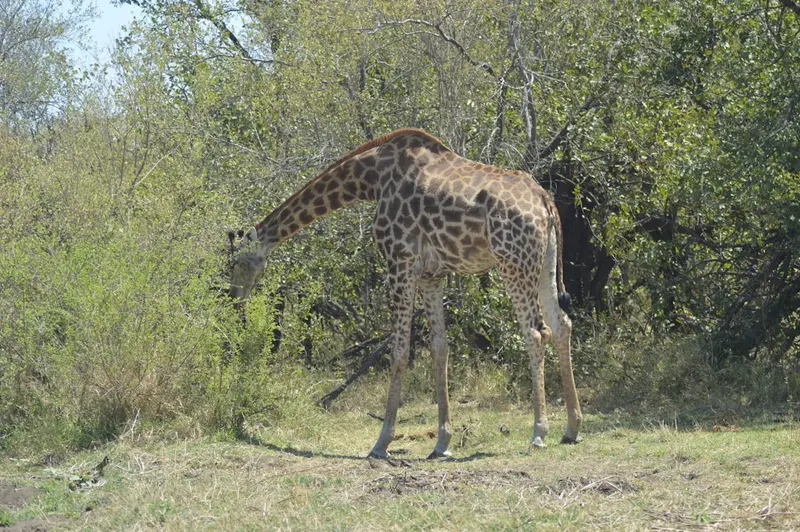
    National Park and UNESCO World Heritage Site in the far north, at the confluence of the Limpopo and Shashe rivers, where South Africa, Botswana, and Zimbabwe meet. Mapungubwe Hill was the 13th-century capital of an early African kingdom that traded gold and ivory as far as Asia. Its most famous find is a small rhino of gold sheet, now at the University of Pretoria Museum. Elephants, giraffes, and many birds live in the park among sandstone cliffs and baobabs.
    Open in Google Maps
    Waterberg Biosphere Reserve

    Waterberg Biosphere Reserve

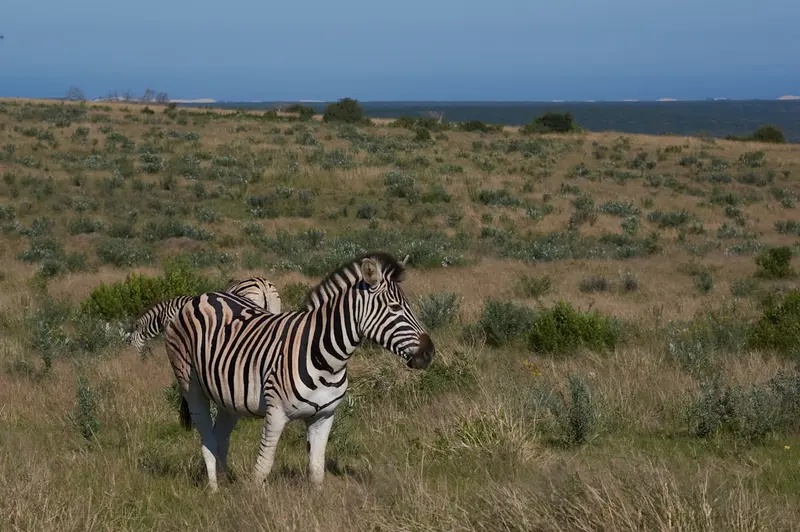
    The Waterberg Biosphere Reserve in Limpopo Province is a UNESCO-recognized biosphere and a unique ecosystem in South Africa. Here you'll find an impressive landscape of rolling mountains, vast savannas, and deep river valleys, shaped over millions of years. The region is not only geologically fascinating with its sandstone formations but also historically significant, boasting traces of early human settlement and a rich cultural history.As a visitor, you can experience exceptional biodiversity. The reserve is home to the 'Big Five' as well as numerous antelope species, zebras, and a rich birdlife. Conservation and sustainable development efforts are particularly palpable here and shape the experience. Our Tip: The dry season from May to September is ideal for wildlife viewing, as vegetation is sparser and animals gather at waterholes. For an authentic experience off the main routes, a guided hike is recommended to explore the flora and fauna up close and enjoy the tranquility of the landscape.
    Open in Google Maps
    Modjadji Cycad Reserve

    Modjadji Cycad Reserve

    Small reserve in the hills near Modjadjiskloof with the densest stand of the cycad species Encephalartos transvenosus, which grows up to twelve meters high. The plants are under the protection of Rain Queen Modjadji, a traditional ruler of the Balobedu. A short circular path leads through the cycad forest.
    Open in Google Maps

    Limpopo's Cultural Heritage

    Limpopo is a region of profound historical and cultural significance, home to a rich diversity of traditions and art forms. Its heritage spans from the earliest human traces to the vibrant expressions of contemporary ethnic groups like the Venda, Pedi, and Tsonga. This blend shapes the province's unique identity, reflected in its architecture, rituals, and handicrafts.Limpopo's historical foundation is immense. The region is home to the Makapan Valley, an archaeological site offering insights into human evolution over millions of years. An even more significant era is marked by the Kingdom of Mapungubwe, which existed between 1075 and 1290 AD. Here, a highly developed society emerged with complex trade networks and impressive gold craftsmanship, whose ruins are now protected as a UNESCO World Heritage site.Culturally, Limpopo is characterized by the preservation of indigenous traditions. The Venda are renowned for their distinctive wood carving, depicting mythological figures and everyday objects, as well as for their colorful dances and oral traditions. The Pedi and Tsonga also maintain their own diverse customs, musical styles, and traditional building methods, often featuring round huts with elaborate clay reliefs. This cultural depth makes Limpopo a fascinating destination for travellers seeking authenticity.

    Traveling

    From Johannesburg, reach Limpopo via the N1 north. Airports include Polokwane and Hoedspruit, handy for Kruger National Park. You'll need a car locally; many lodges and reserves are on gravel roads. Try not to drive in the dark.

    Round trips through this region

    Kruger & Panorama Route

    Kruger & Panorama Route

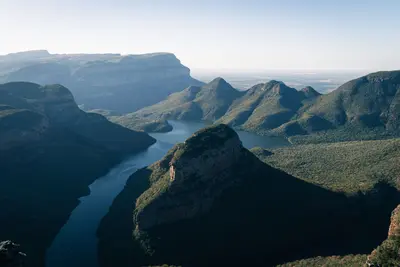
    The route connects the Panorama Route with waterfalls, the Blyde River Canyon and viewpoints like God's Window with safari days in Kruger National Park. Hoedspruit and Nelspruit are close to the park gates and have their own airports.

    11 Days
    4 stops

    Nearby

    Lapalala Wilderness Reserve

    Lapalala Wilderness Reserve

    Lapalala is a large private wildlife reserve in the northern Waterberg, traversed by the Palala and Blocklands rivers. The reserve focuses heavily on conservation, especially for rhinos, and environmental education. Access is only possible with an overnight stay in one of the lodges.
    Waterberg

    Waterberg

    The Waterberg is a sandstone massif in Limpopo Province, about three hours' drive north of Johannesburg. The region, with its bushland, gorges, and river valleys, has been a UNESCO Biosphere Reserve since 2001 and is malaria-free. It is home to Marakele National Park and several private game reserves.
    Welgevonden Game Reserve

    Welgevonden Game Reserve

    Welgevonden is a private game reserve in the Waterberg, about three hours' drive north of Johannesburg. The Big Five live on the plateaus and in the gorges. You only have access by booking into one of the reserve's lodges.
    Hoedspruit

    Hoedspruit

    Hoedspruit is a small town in the Lowveld on the western edge of the Kruger area, surrounded by private game reserves like Klaserie, Timbavati, and Balule. For many safari travellers, the small airport here is the gateway to the lodges, and the Panorama Route is just an hour's drive away.
    Punda Maria Rest Camp

    Punda Maria Rest Camp

    Punda Maria is the northernmost camp of Kruger National Park, small and quiet, nestled at the foot of a wooded hill. The far north has fewer animals than the south, but offers baobabs, fever trees, and one of the park's most diverse birdlife.

    Sources & method

    • Photos: Unsplash. Each photo carries its credit.
    • The content is based on web research from public, traceable sources. How the content is made · The role of AI