Fernweh: Home
ExploreGuideDestinationsMy tripsMy trip
de|en
All Places & RegionsRound tripsNight trains in EuropeAll highlightsAbout FernwehFAQPrivacy PolicyImprint
Download on the App StoreGet it on Google Play
ExploreGuideDestinationsMy tripsMy trip
    • Overview
    • Places in the region
    • Food culture
    • Best travel time
    • Culture
    • Getting around
    • Nearby
    Puerto Rico

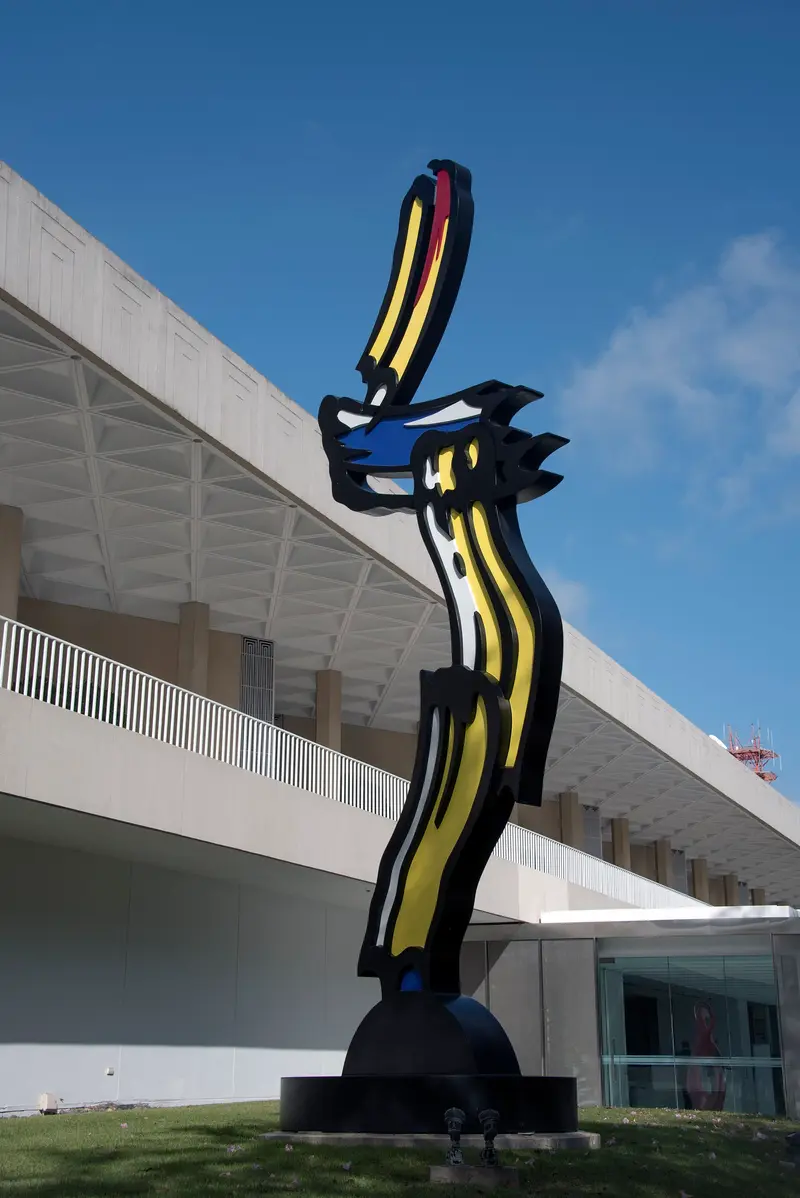
    Photo by Diego F. Parra on Pexels

    United States

    Puerto Rico

    Region

    Puerto Rico is a Caribbean island east of the Dominican Republic and has been a US territory since 1898. Its residents have been US citizens since 1917, the currency is the US dollar, and Spanish and English are the official languages.

    by Felix Gillen

    1. Home
    2. Destinations
    3. United States
    4. Puerto Rico
    Puerto Rico is a Caribbean island east of the Dominican Republic and has been a US territory since 1898. Its residents have been US citizens since 1917, the currency is the US dollar, and Spanish and English are the official languages. In everyday life you will hear almost only Spanish.Most travelers land in San Juan, home to the old town with its Spanish fortresses and the hotel beaches of Condado and Isla Verde. An hour's drive east, El Yunque National Forest is the only tropical rainforest in the US National Forest System. Off the east coast lie the small islands of Vieques and Culebra.Entry and when to goUS citizens flying in from the mainland need no passport. For everyone else the same entry rules apply as for the USA, with an ESTA or a visa. Hurricane season runs from June to November, and the drier months from December to April are high season. For current advice, see the UK Foreign Office (FCDO) travel advice for the USA.
    United States travel guideRound trips in United StatesPlan a trip with Puerto Rico

    Contents

    • Overview
    • Places in the region
    • Food culture
    • Best travel time
    • Culture
    • Getting around
    • Nearby
    Puerto Rico is about 160 kilometers long and 55 kilometers wide. Most travelers stay in San Juan for day trips to El Yunque rainforest, bioluminescent bays near Fajardo, or the Arecibo karst region. For more time, head south to Ponce, west to Rincón's surf beaches, or ferry to Vieques and Culebra islands. You'll need a rental car for excursions outside the capital.

    More places in Puerto Rico

    San Juan

    Ricardo Olvera·Pexels

    San Juan

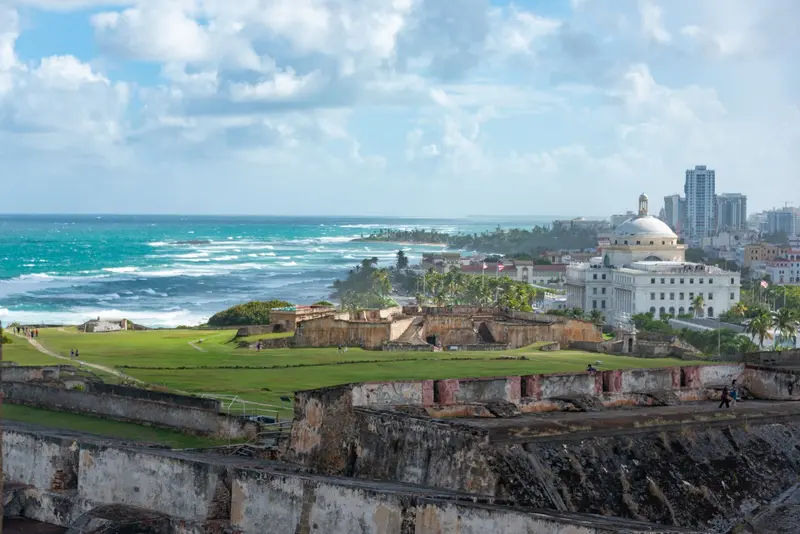
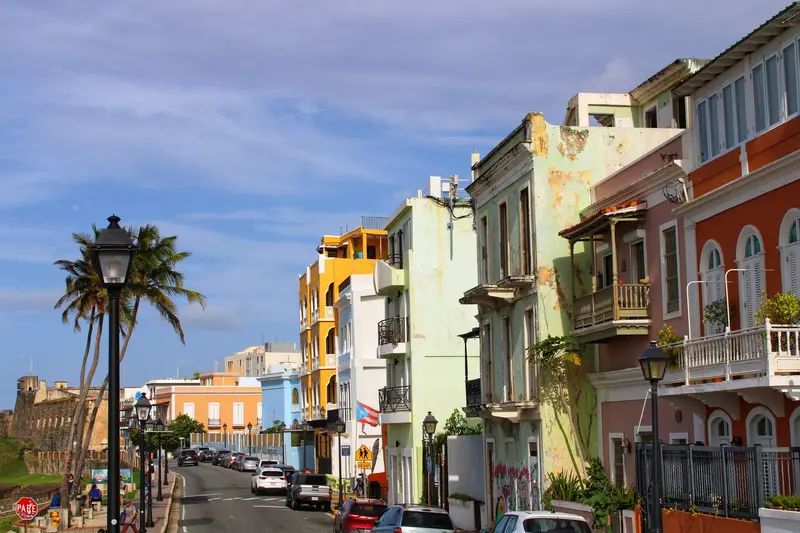
    San Juan is the capital of Puerto Rico and one of the oldest European-founded cities in the Americas. The old town, Viejo San Juan, sits on an island at the mouth of the bay: cobblestone streets, colorful colonial houses with balconies and two massive fortresses, a UNESCO World Heritage Site since 1983.To the east lie the districts of Condado and Isla Verde with their hotel beaches, and in between is Santurce, with murals, bars and the Plaza del Mercado market. In the evening many venues play salsa, bomba or reggaeton.When to goIt is hot all year. December to April is a little drier, which is also high season, with cruise ships docking almost daily. Hurricane season runs from June to November. For current safety advice, see the UK Foreign Office (FCDO) travel advice for the USA.

    Sights in Puerto Rico

    Discover the most important sights and attractions

    Attraction

    Puerto Mosquito (Vieques)

    In the bay on Vieques' south coast, the water glows blue-green at night when it's moved. Billions of tiny single-celled organisms called dinoflagellates are responsible. You can only reach the bay with guided kayak tours from Esperanza; swimming is not allowed to protect the organisms. The glow is strongest on dark nights around the new moon. Do not use sunscreen or mosquito spray before the tour.
    Open in Google Maps
    Natural Feature

    Laguna Grande (Fajardo)

    The lagoon in the Las Cabezas de San Juan Nature Reserve near Fajardo is the fastest-reachable bioluminescent bay from San Juan, a drive of just over an hour. Guided kayak tours paddle after sunset through a mangrove channel into the lagoon, where every paddle stroke illuminates the water. The glow is weaker than in Vieques, but perfectly feasible for an evening excursion. Plan for new moon nights and book in advance.
    Open in Google Maps
    National Park

    El Yunque National Forest

    The only tropical rainforest in the US National Forest System lies about an hour's drive east of San Juan in the Sierra de Luquillo mountains. At the El Portal visitor center ($8 from age 16) you learn about the forest's plants and animals, including the coquí, a tiny frog whose call you hear everywhere on the island at night. Road PR-191 into the forest needs no reservation but closes at 5 p.m., and police manage access when the parking lots are full, so arrive early. Construction has closed some trails, currently including the trail to La Mina Falls.
    Open in Google Maps
    Attraction

    Playa Flamenco (Culebra)

    The horseshoe-shaped sandy beach in the north of the small island Culebra has shallow, turquoise water and is usually calm enough for swimming. Until the 1970s, the US Navy used the area for training; two rusty tanks on the beach remain as a reminder. On weekends and holidays, many day-trippers come; it's more relaxed during the week. Reach Culebra by ferry from Ceiba or by small plane from San Juan.
    Open in Google Maps
    Cueva Ventana

    Tom Vazquez / Wikimedia Commons / public domain

    Park

    Cueva Ventana

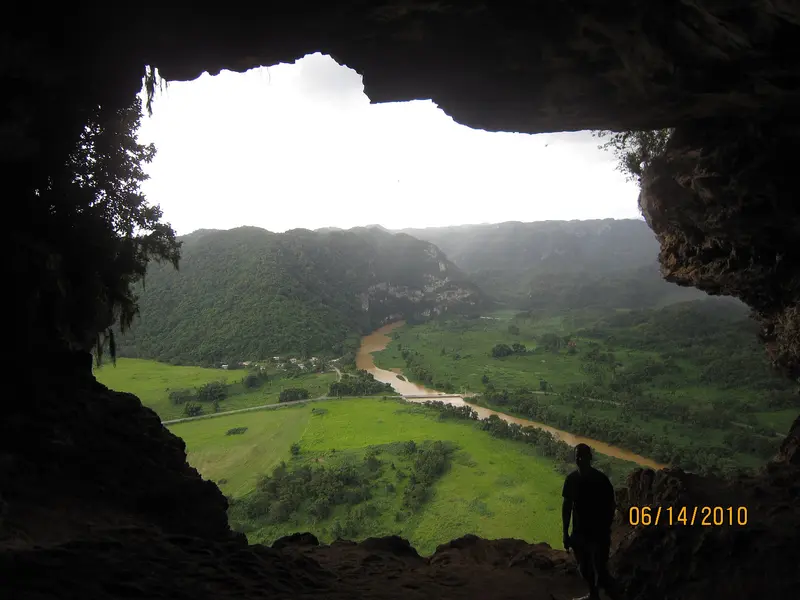
    The cave in a limestone cliff near Arecibo opens up like a window onto the green valley of the Río Grande de Arecibo. It is visited with a short guided hike through the dark cave, where bats live. Sturdy shoes and a flashlight help. From San Juan, you drive a good hour west, and the excursion can be combined with the karst region in the island's interior.
    Open in Google Maps
    Ponce Museum of Art

    Gillfoto / Wikimedia Commons / CC BY-SA 4.0, mod.

    Museum

    Ponce Museum of Art

    Entrepreneur and later Governor Luis A. Ferré founded the museum in 1959 in Ponce on the south coast. The current building, with its hexagonal halls, was designed by architect Edward Durell Stone. The collection ranges from European Old Masters to Puerto Rican art, notably featuring Frederic Leighton's painting 'Flaming June'. Ponce itself is worth a day trip, with its plaza and the old red-and-black striped fire station.
    Open in Google Maps

    Food & Beverages

    Cocina criolla combines Spanish, African, and Taíno influences. Typical ingredients include plantains, rice and beans, pork, and spice pastes like Sofrito.

    Mofongo

    Fried green plantains, pounded with garlic and pork rinds, often filled with shrimp, chicken, or beef.

    Lechón

    Whole suckling pig, spit-roasted over charcoal. In Guavate near Cayey, Lechoneras line the Ruta del Lechón, with live music on weekends.

    Arroz con gandules

    Rice with pigeon peas and Sofrito, the island's celebratory dish.

    Frituras Beachside

    In Piñones near San Juan, snack stalls offer Alcapurrias and Bacalaítos: fried fritters and codfish cakes.

    Rum

    Puerto Rico is renowned as one of the world's largest rum producers. The Bacardí distillery in Cataño, located across from the Old Town, offers informative tours.

    Best Time to Visit

    When is the best time for your trip?

    December
    January
    February
    March
    April
    26–27°C·56–124 mm(moderate rain)
    From December to April, it rains the least and it is outside of hurricane season. This is peak season with higher prices. May and June are a good compromise before hurricane season reaches its peak.
    These figures apply to San Juan on the north coast (averages 1991-2020). In the mountains, like the El Yunque rainforest, it's significantly wetter and cooler; the south coast around Ponce is drier. Hurricane season officially runs June-November; most storms arrive Aug-Oct.

    Seasons

    Jan
    Feb
    Mar
    Apr
    May
    Jun
    Jul
    Aug
    Sep
    Oct
    Nov
    Dec
    High season, drier
    Low season
    Hurricane and Wet Season
    Best Time to Visit
    ▶Show detailed monthly data
    MonthTemp (°C)Rain (mm)
    January25.6104
    February25.666
    March26.156
    April26.7117
    May27.8140
    June28.3119
    July28.3152
    August28.3160
    September28.3165
    October28.3130
    November27.2188
    December26.1124

    Culture and History

    Before the arrival of the Spanish, the Taíno lived on the island they called Borikén. Columbus landed in 1493, and from 1508, the Spanish colonized the island, bringing enslaved Africans for the sugarcane plantations. Puerto Rican culture is made up of these three roots: Taíno, African, and Spanish.Between Spain and the USAAfter the Spanish-American War, Puerto Rico fell to the USA in 1898. Since 1952, the island has been a Commonwealth with its own constitution, but its residents cannot vote in presidential elections and have no voting representation in Congress. Whether the island should become a state, remain independent, or stay a Commonwealth is still a central political question today.MusicPuerto Rico has shaped Salsa, Bomba, Plena, and Reggaeton. Artists like Bad Bunny and Daddy Yankee are world-renowned, and you'll hear the music everywhere in bars and at festivals.

    Arrival & Getting Around

    Most international flights arrive at Luis Muñoz Marín Airport (SJU) in San Juan, with direct connections mainly from the US mainland. US entry regulations apply. US citizens arriving from the mainland do not need a passport.Rental CarOutside San Juan, a rental car is almost essential, as public transport barely extends beyond the capital. Highways are partly tolled, and rental cars usually have an electronic toll device. Distances are signposted in kilometers, but speeds in miles.Vieques and CulebraFerries depart from the port in Ceiba on the east of the island. Visitors pay higher fares than residents, and rental cars are not allowed on board. Tickets are available online from Puerto Rico Ferry and at the counter; on weekends and holidays, boats are often full. A faster option is small planes from San Juan.

    Nearby

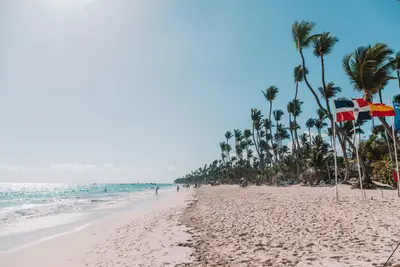
    Punta Cana and Bávaro

    Punta Cana and Bávaro

    Punta Cana and Bávaro, on the island's east tip, are the DR's largest resort hub: Most vacation flights land at PUJ airport, and large all-inclusive resorts line the long beaches. Beyond the hotels, discover surfable waves at Playa Macao; clear freshwater lagoons in dry forest at Ecoparque Ojos Indígenas; and simple Dominican eateries in Bávaro.Like the entire Caribbean coast, Punta Cana is affected by Sargassum landings; in 2026, Punta Cana and Bávaro were particularly hard hit, and public beaches remain covered longer than hotel beaches.

    Leonardo Rossatti·Pexels

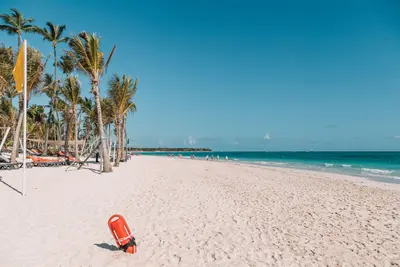
    The East: Punta Cana and La Romana

    The East: Punta Cana and La Romana

    The eastern provinces of La Altagracia and La Romana are the country's beach hub: Around Punta Cana and Bávaro, resorts line up one after another, and most holiday flights land here. To the south lie the diving village of Bayahibe, Cotubanamá National Park with Isla Saona, and the artists' village of Altos de Chavón. Inland, Higüey features the Basilica of the National Patron Saint Altagracia, while between San Pedro de Macorís and La Romana lies the Cueva de las Maravillas with Taíno rock carvings.

    Leonardo Rossatti·Pexels

    Isla Saona

    Isla Saona

    Isla Saona, off the southeast coast, is part of Cotubanamá National Park, formerly Del Este National Park, the country's most visited protected area with almost a million visitors annually. Over 500 people live on the island, primarily in the fishing village of Mano Juan. Most visitors arrive on day trips from Bayahibe: speedboats take 30 to 40 minutes each way, catamarans over an hour. Almost all tours stop at Piscina Natural, a shallow sandbar in the sea.

    Stefan Hale·Unsplash

    La Romana and Bayahibe

    La Romana and Bayahibe

    The port city of La Romana and the former fishing village of Bayahibe are the starting point for Isla Saona and Cotubanamá National Park. Above the Río Chavón lies Altos de Chavón, an artists' village built in the late 1970s in the style of a 16th-century Mediterranean town, featuring a church, an archaeological museum, and an amphitheater that Frank Sinatra opened in 1982. West of La Romana, the Cueva de las Maravillas displays hundreds of Taíno rock carvings.

    Cochoncarlos·CC BY-SA 4.0

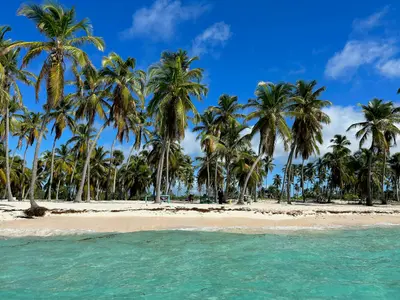
    Las Galeras

    Las Galeras

    Las Galeras, at the eastern end of the Samaná Peninsula, is a tranquil village in a horseshoe-shaped bay with white sand and turquoise water. It's the starting point for two secluded beaches: Playa Rincón, around four kilometers of sand fronting a coconut palm forest, you can reach via a bumpy road or by boat; Playa Frontón only on foot or by boat.

    Danu Widjajanto·CC BY-SA 4.0

    Your next steps

    Puerto Rico is in United States. Ways to carry on from here.

    • More in United States

      Highlights, areas, routes and the best time to travel for all of United States.

      United States travel guide
    • Round trips in United States

      Ready-made routes through United States, with stops, nights and a map.

      See the routes
    • Plan a trip with Puerto Rico

      The Guide asks about season, length and who is coming, and suggests a trip with Puerto Rico.

      Plan the trip

    Sources & method

    • Photos: Wikimedia Commons, Pexels. Each photo carries its credit.
    • Place data such as addresses and ratings comes from Google Maps.
    • The content is based on web research from public, traceable sources. How the content is made · The role of AI