Fernweh: Home
    ExploreTravel GuidesPlan a tripMy tripLast visited
    de|en
    All Places & RegionsAll highlightsAbout FernwehFAQPrivacy PolicyImprint
    ExploreTravel GuidesPlan a tripMy tripLast visited
    • Overview
    • Places in the region
    • Eat & drink
    • Food culture
    • Culture
    • Getting around
    • Nearby
    Liguria

    Italy

    Liguria

    Region

    Liguria is a narrow, south-facing arc on the coast in northwest Italy. The region borders France, Piedmont, Emilia-Romagna, and Tuscany.

    by Felix Gillen

    1. Home
    2. Destinations
    3. Italy
    4. Liguria
    Liguria is a narrow, south-facing arc on the coast in northwest Italy. The region borders France, Piedmont, Emilia-Romagna, and Tuscany. The Ligurian Alps and Ligurian Apennines limit it to the interior. Its capital is Genoa, and famous destinations include Cinque Terre and Portofino.
    Genoa divides the coast into two sections: To the west lies the Riviera di Ponente, with the Riviera dei Fiori between Ventimiglia and Cervo, which includes Sanremo; to the east, the Riviera di Levante, with Camogli, Portofino, and the Cinque Terre. Railway lines run from Genoa along the coast to Ventimiglia and to La Spezia. Hiking trails are available, for example, in Portofino Natural Park, with over 60 kilometers of marked paths, and in Cinque Terre National Park.
    Cinque Terre

    Place 1 of 4

    Cinque Terre

    The Cinque Terre are five villages on the steep coast of the Riviera di Levante: Monterosso al Mare, Vernazza, Corniglia, Manarola, and Riomaggiore.

    Discover
    Genoa

    Place 2 of 4

    Genoa

    Genoa is the capital of Liguria and one of the largest ports in the Mediterranean. The city stretches for about 35 kilometers along the coast.

    Discover
    Portofino

    Place 3 of 4

    Portofino

    Portofino is a small harbour town on the west side of the Gulf of Tigullio, at the foot of the eponymous promontory on the Riviera di Levante. Coloured houses frame the harbour basin and the Piazzetta.

    Discover
    Sanremo

    Place 4 of 4

    Sanremo

    Sanremo lies on the Riviera dei Fiori, the western part of the Riviera di Ponente, about 20 km from the French border. The city is known for flower cultivation, its casino, and the Festival of Italian Song, held since 1951.

    Discover

    Sights in Liguria

    Discover the most important sights and attractions

    Camogli & Lighthouse
    Attraction

    Camogli & Lighthouse

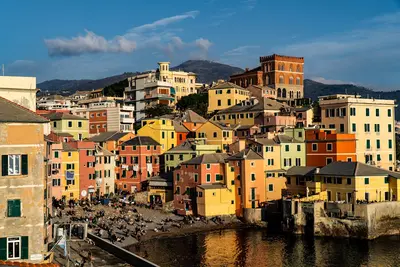
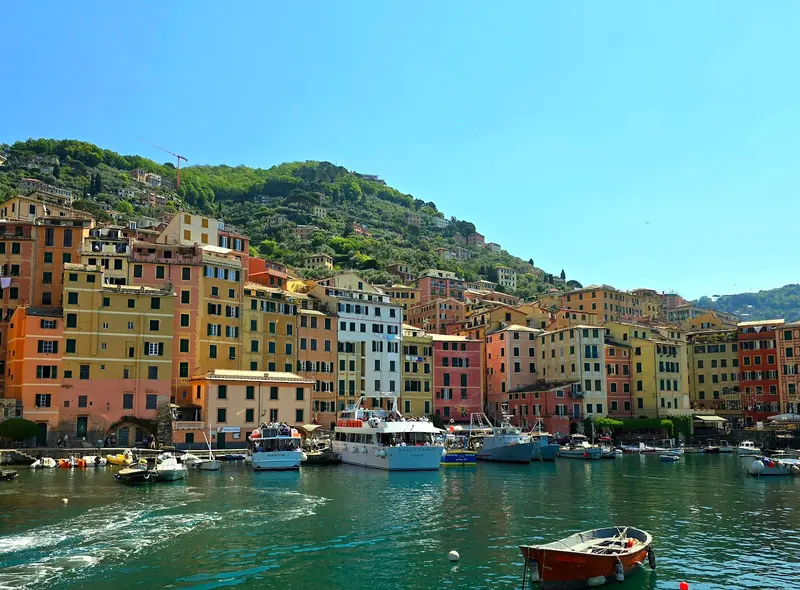
    A fishing village on the Golfo Paradiso, on the western edge of the Portofino Promontory, with colorful houses by its small harbor. Highlights include the Basilica Santa Maria Assunta and the 12th-century Castello della Dragonara.
    Open in Google Maps
    San Nicolò di Capodimonte
    Church

    San Nicolò di Capodimonte

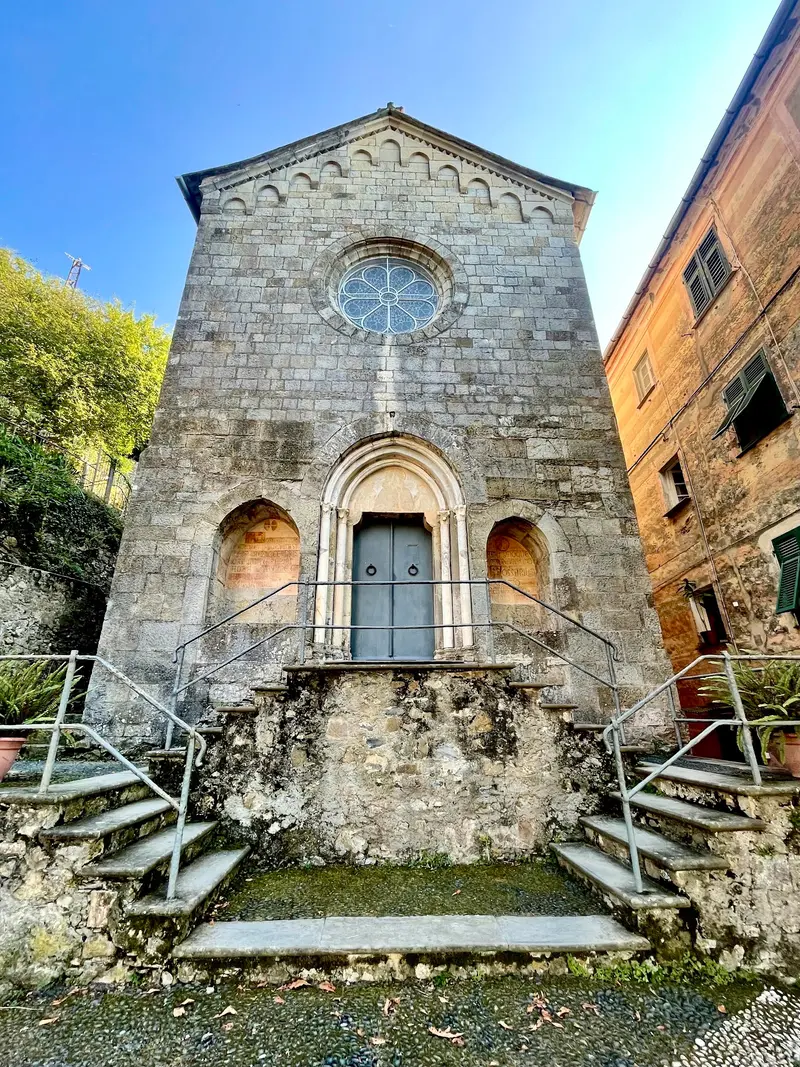
    12th-century Romanesque church in Camogli, on the path from San Rocco towards Punta Chiappa. Interior of dark slate, with remnants of medieval frescoes.
    Open in Google Maps
    Pietre Strette
    Attraction

    Pietre Strette

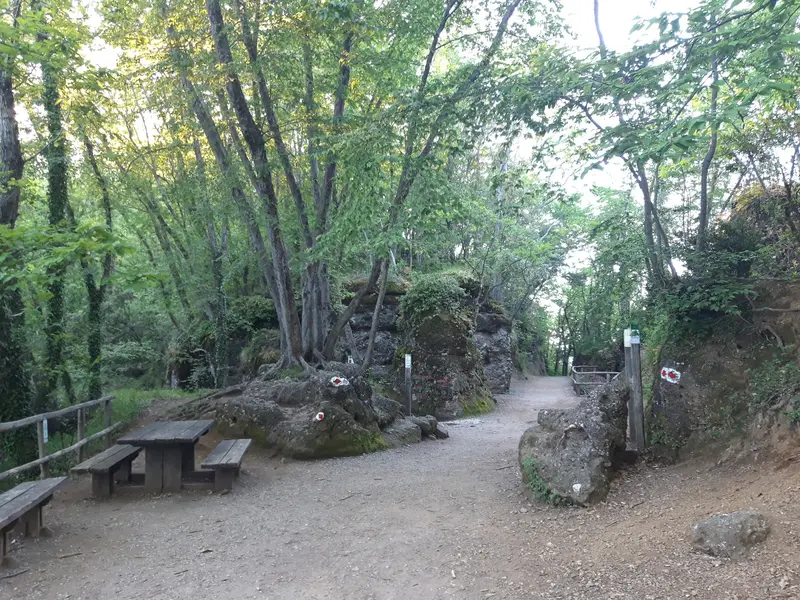
    A waypoint in Portofino Natural Park where hikes from Camogli and San Rocco lead to Portofino and San Fruttuoso.
    Open in Google Maps
    Abbey San Fruttuoso
    Museum

    Abbey San Fruttuoso

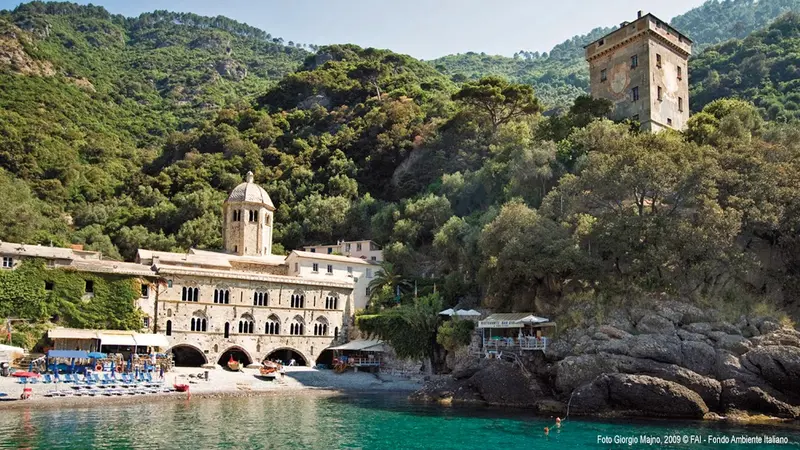
    Abbey in the Bay of San Fruttuoso on the Portofino Promontory, passed to the Benedictines in the 10th century. There is no road; you can only reach it by boat or on foot. In the bay, the Christ statue Cristo degli Abissi has stood on the seabed since 1954.
    Open in Google Maps
    Grotte di Toirano
    Museum

    Grotte di Toirano

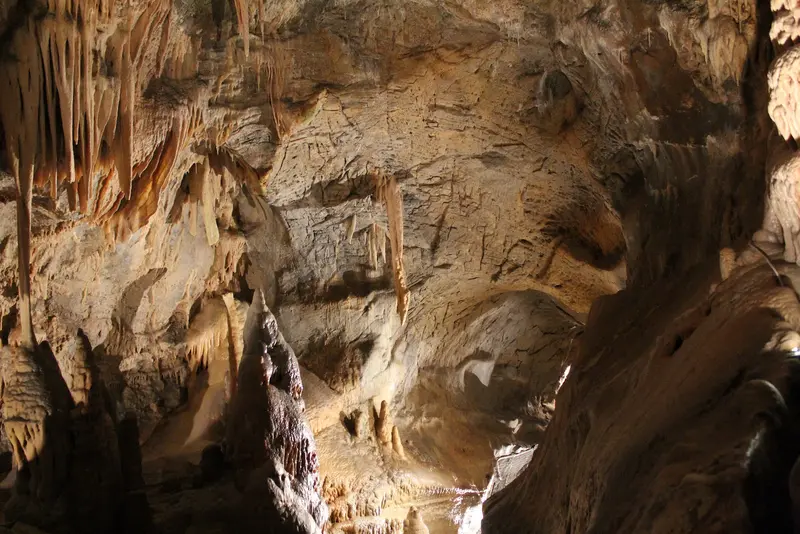
    Stalactite caves in the hinterland of the Riviera di Ponente near Toirano, open since 1953. A roughly 1.3 km path links two caves. In the Grotta della Bàsura, you'll find cave bear bones and human traces up to 14,000 years old, including footprints.
    Open in Google Maps

    Dining & Drinks

    1

    Osteria Vecchio Mulino

    Osteria with Italian cuisine on Via di Bana, in the hills between Camogli and Rapallo.
    Show on Google Maps
    2

    Il Doge

    Fish restaurant in Via Niccolò Cuneo in Camogli.
    Show on Google Maps
    3

    Thymus

    Restaurant in the locality of San Lorenzo della Costa, in the hills above Santa Margherita Ligure.
    Show on Google Maps
    4

    U Giancu

    Restaurant with Ligurian cuisine in the locality of San Massimo, in the hills above Rapallo.
    Show on Google Maps

    Food and Drink

    Ligurian cuisine uses what terraces and the sea yield: basil, olive oil, herbs, vegetables, and fish.

    Pesto alla genovese

    Basil, garlic, coarse salt, pine nuts, Parmesan, Pecorino, olive oil; traditionally with Trofie or Trenette, potatoes, and green beans.

    Focaccia

    Ligurian flatbread with olive oil. The Focaccia di Recco (PGI) consists of two very thin layers of dough with a cheese filling.

    Farinata

    Flatbread of chickpea flour, water, salt, and olive oil, baked in a wood-fired oven.

    Anchovies

    Anchovies, preserved in salt, brine or oil, or stuffed.

    Sciacchetrà

    Sweet Passito white wine from dried grapes of the terraced vineyards of Cinque Terre.

    History and Culture

    The region is named after the Ligurians, who lived here before the Romans. In the Middle Ages, Genoa rose to become a major maritime republic and dominated the region from the late 14th century. From 1797 to 1815, Liguria was under French influence; it then passed to Sardinia-Piedmont and, with it, joined the Kingdom of Italy in 1861.The Cinque Terre, with Porto Venere and the islands Palmaria, Tino, and Tinetto, have been UNESCO World Heritage since 1997, and the Strade Nuove and Palazzi dei Rolli in Genoa since 2006.

    Exploring the Region

    The Genoa–Ventimiglia and Genoa–La Spezia railway lines run along the coast; on the La Spezia route, trains stop in all five villages of the Cinque Terre.By car, you take the A10 from Genoa to Ventimiglia and the A12 from Genoa towards Livorno. Only a narrow road leads to Portofino from Santa Margherita Ligure; boats connect Portofino with Rapallo, Santa Margherita, Camogli, San Fruttuoso, and Genoa.

    Nearby

    Portofino

    Portofino

    Portofino is a small harbour town on the west side of the Gulf of Tigullio, at the foot of the eponymous promontory on the Riviera di Levante. Coloured houses frame the harbour basin and the Piazzetta. With approximately 360 inhabitants and 2.5 square kilometres, Portofino is the smallest municipality in the Metropolitan City of Genoa.
    Genoa

    Genoa

    Genoa is the capital of Liguria and one of the largest ports in the Mediterranean. The city stretches for about 35 kilometers along the coast. Its Old Town with its narrow alleys, the Caruggi, is one of Europe's largest old towns; the Strade Nuove and part of the Palazzi dei Rolli have been a UNESCO World Heritage site since 2006.
    Cinque Terre

    Cinque Terre

    The Cinque Terre are five villages on the steep coast of the Riviera di Levante: Monterosso al Mare, Vernazza, Corniglia, Manarola, and Riomaggiore. For centuries, the inhabitants have terraced the mountains towards the sea with dry stone walls to grow wine and olives. The villages and their cultural landscape have been a UNESCO World Heritage site since 1997 and a National Park since 1999.
    Pavia

    Pavia

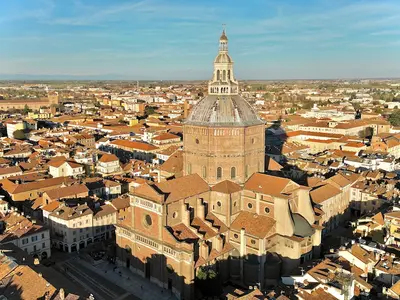
    Pavia was the capital of the Lombard Kingdom from 572 to 774 and is home to one of Europe's oldest universities. Romanesque churches, the Visconti Castle, and the covered Ticino Bridge shape the student city; eight kilometers north lies the Certosa.
    Langhe-Roero and Monferrato

    Langhe-Roero and Monferrato

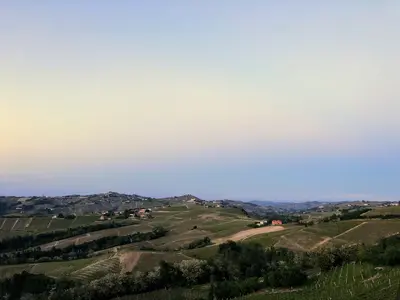
    Langhe, Roero and Monferrato are the hilly landscapes in the south of Piedmont, nestled between the Po and the Ligurian Apennines. On their slopes, vines for Barolo, Barbaresco, Barbera and Asti Spumante grow; Alba is known for its white truffles. This wine-growing landscape, with its villages, castles, and cellars, has been a UNESCO World Heritage site since 2014.

    Sources & method

    • Photos: Unsplash, Google Maps. Each photo carries its credit.
    • Place data such as addresses and ratings comes from Google Maps.
    • The content is based on web research from public, traceable sources. How the content is made · The role of AI