
Fernweh
    ExploreTravel GuidesMy Trips
    de|en
    About FernwehImprintFAQPrivacy Policy
    ExploreTravel GuidesMy Trips
    Kansai

    Kansai

    Region
    1. Home
    2. Destinations
    3. Japan
    4. Kansai
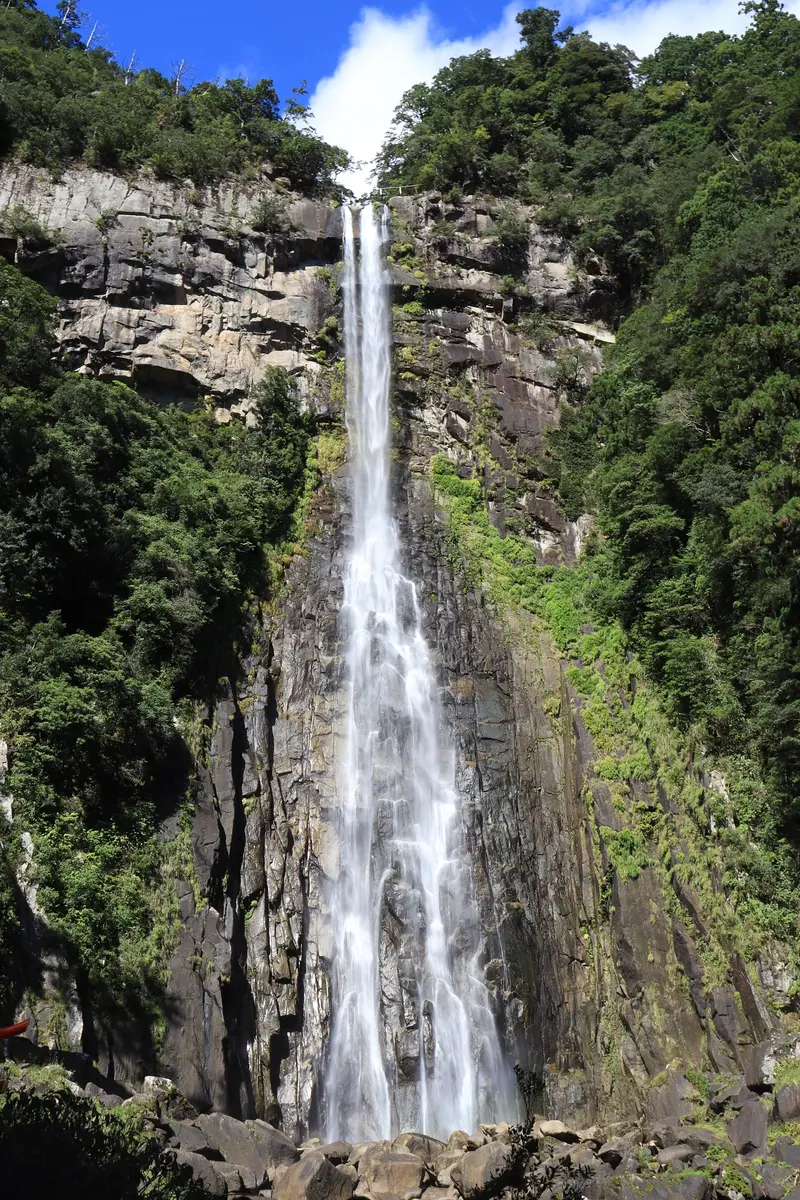
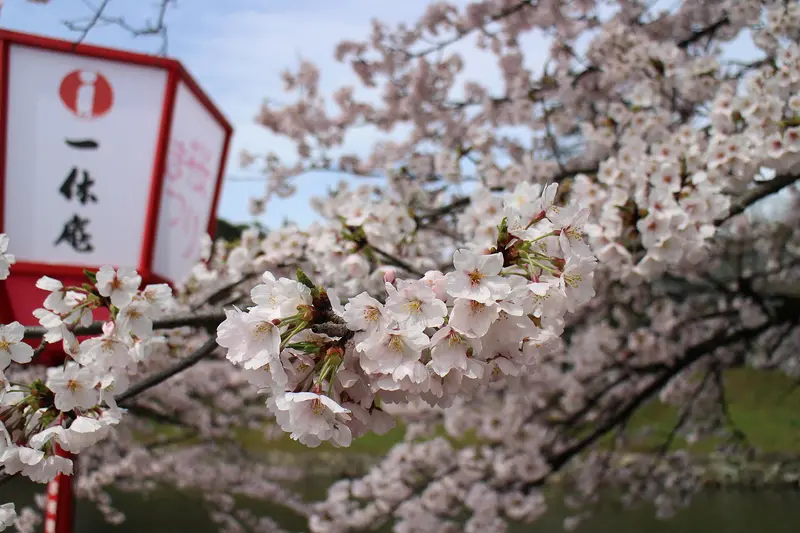
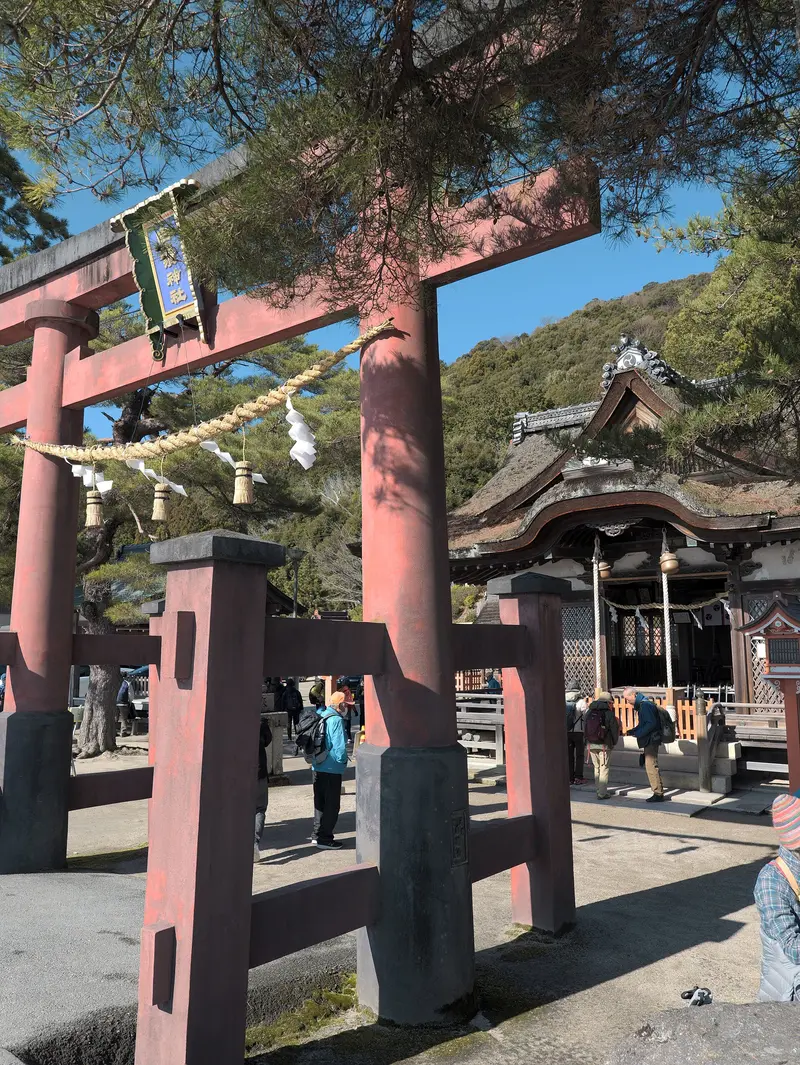
    The Kansai region in western Japan is the cultural and historical heart of the country. Here you will find a fascinating mix of ancient traditions, vibrant metropolises, and breathtaking nature, which offers a unique travel experience. Discover the cradle of Japanese culture with its imperial palaces, shrines, and gardens.
    • Overview
    • Places in the region
    • Eat & drink
    • Culture
    • Nearby
    • Overview
    • Places in the region
    • Eat & drink
    • Culture
    • Nearby
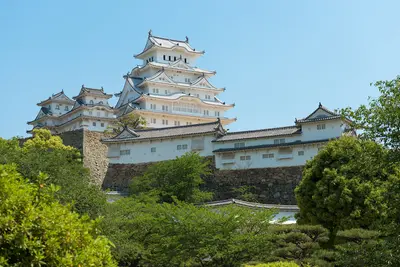
    Kansai im Westen Japans ist das kulturelle und historische Herz des Landes. Hier verbindest du alte Kaiserstädte mit dem pulsierenden Leben moderner Metropolen. In Kyoto entdeckst du Tempel wie den Kinkaku-ji und das Gion-Viertel. Osaka lockt mit Gastronomie in Dotonbori und dem Osaka Castle. Nara beherbergt den Todai-ji-Tempel mit frei lebenden Hirschen; Himeji beeindruckt mit seiner Burg. Die Region war über Jahrhunderte Sitz des Kaiserhofs und Wiege japanischer Künste. Frühling (Kirschblüte) und Herbst (Laubfärbung) sind ideale Reisezeiten; nutze das Bahnnetz, um Städte zu erkunden und Osakas Küche zu probieren.

    Places in Kansai

    Koyasan (Berg Koya)

    Koyasan (Berg Koya)

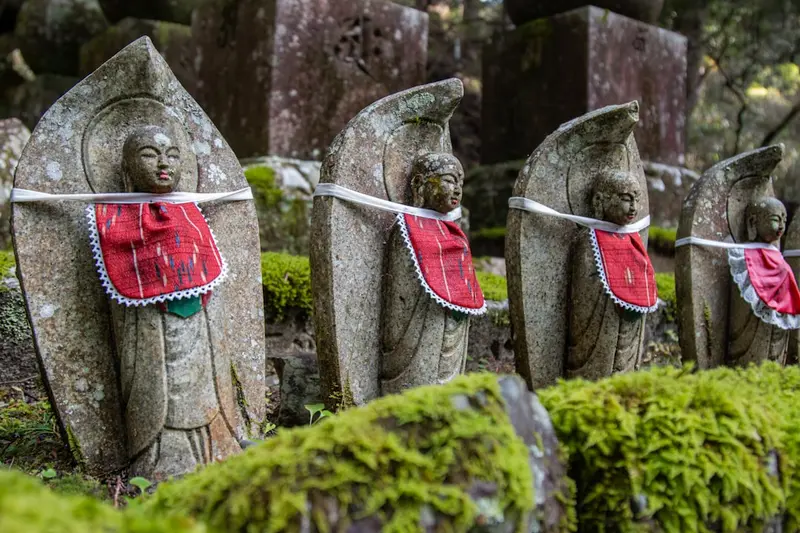
    Koyasan (Mount Koya) is the spiritual center of Shingon Buddhism in Japan and a UNESCO World Heritage site. Here you will find over a hundred temples, grouped around the main temple Kongobuji, each possessing deep historical significance. An unforgettable highlight is the Okunoin Cemetery, an atmospheric cedar forest with countless graves and the mausoleum of Kobo Daishi, the founder of the Shingon school. Explore Kongobuji's intricate gardens and experience an overnight stay in a Shukubo (temple lodging) to participate in morning prayers. This unique experience offers deep insights into monastic life and the traditional Japanese cuisine, Shojin Ryori. For a particularly peaceful atmosphere, a visit in late autumn is recommended, when the foliage is spectacular and there are fewer tourists. Plan at least one overnight stay to fully absorb the mountain's peaceful stillness and spiritual energy.
    Kyoto City

    Kyoto City

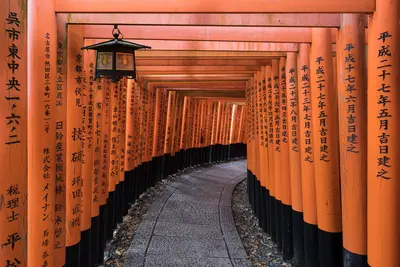
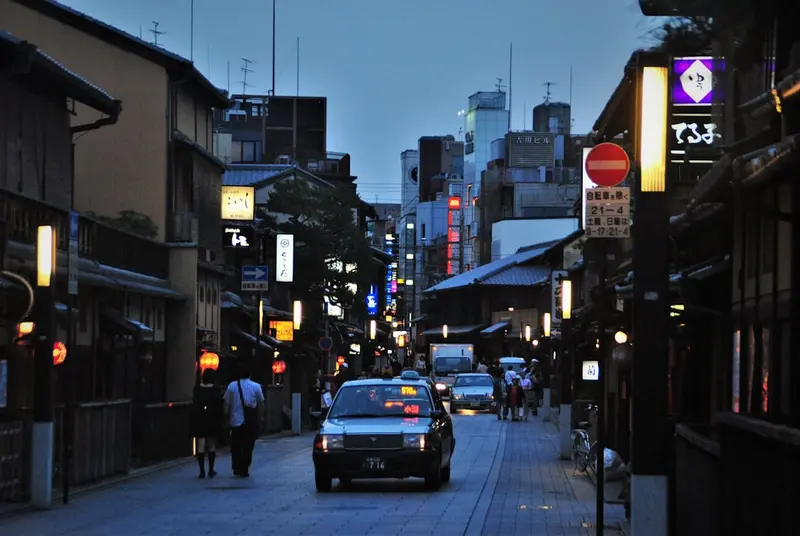
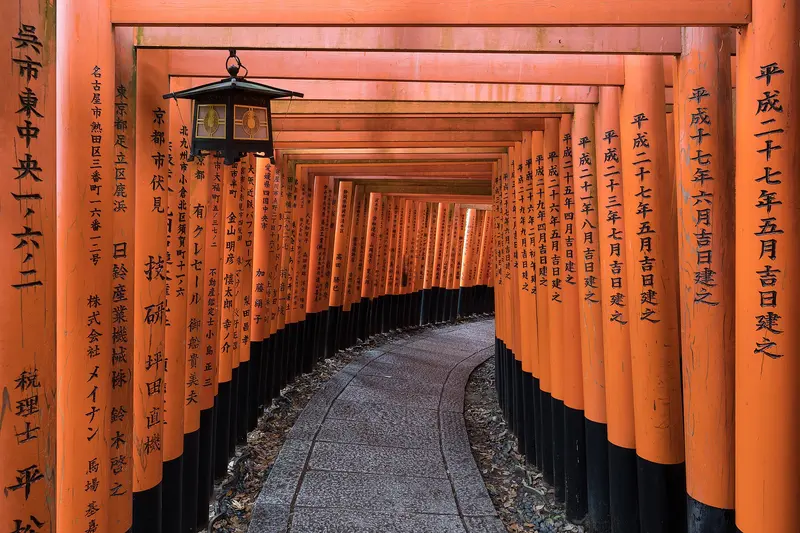
    Kyoto, once Japan's imperial capital for over a thousand years, still preserves its rich cultural and historical identity today. The city boasts over 2,000 Buddhist temples and Shinto shrines, traditional gardens, and the vibrant Geisha district of Gion. Among its most famous attractions are the golden pavilion Kinkaku-ji, the impressive Fushimi Inari-Taisha with its thousands of red gates, and the serene Arashiyama Bamboo Grove. In the historic Gion district, you might, with a bit of luck, encounter Geishas and Maikos on their way to teahouses. For an authentic experience, you should visit the gardens of Ryoan-ji with their famous rock garden. To avoid the largest crowds, it is recommended to explore popular sites right after opening in the morning. The months of April and November offer spectacular views with cherry blossoms and autumn foliage respectively, but these are also the busiest times.
    Osaka

    Osaka

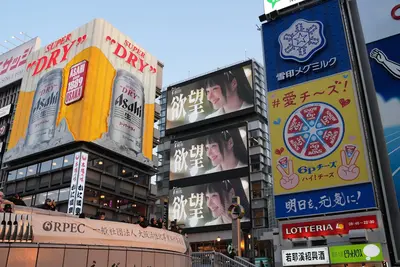
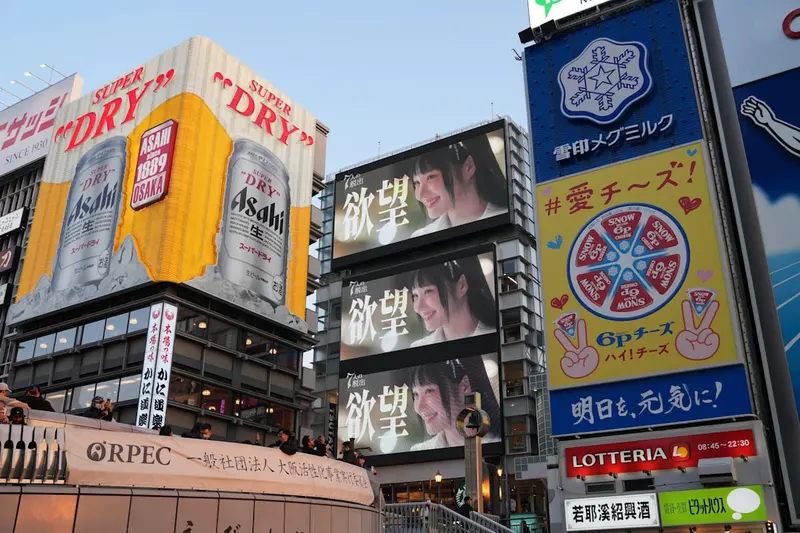
    Osaka presents itself as a vibrant metropolis with a distinct food culture that clearly sets it apart from other Japanese cities. Your visit takes you to the pulsating Dotonbori, where neon signs like the Glico Man line the canals and countless restaurants embody the "Kuidaore" philosophy. The majestic Osaka Castle also offers deep insights into Japan's feudal era. Discover the retro-futuristic Shinsekai district with its iconic Tsutenkaku Tower or explore modern architecture in Umeda. To fully savor the culinary diversity, you should plan an evening stroll through Dotonbori and try local specialties like Takoyaki and Okonomiyaki. The spring and autumn months are ideal for pleasant exploration without the largest tourist crowds.

    Sights in Kansai

    Discover the most important sights and attractions

    Toyonaka Catholic Church

    Die Toyonaka Catholic Church in Kansai ist ein wichtiger Treffpunkt für die lokale christliche Gemeinde. Sie repräsentiert die Präsenz des Katholizismus in Japan und bietet einen authentischen Einblick in das religiöse Leben der Region.Beim Betreten erwartet dich eine schlichte, oft modern gestaltete Architektur, die eine ruhige und einladende Atmosphäre schafft. Es ist ein Ort der Besinnung und des Gebets.Unser Tipp: Besuche die Kirche am besten unter der Woche vormittags, um die friedliche Stille zu genießen. Achte auf diskrete Details wie Glasfenster. Sei stets respektvoll gegenüber Gläubigen und vermeide Besuche während der Gottesdienstzeiten.
    Open in Google Maps

    Nationalmuseum für Ethnologie

    Das Nationalmuseum für Ethnologie, gelegen in Kansai, ist eine der führenden Forschungseinrichtungen Japans im Bereich der Ethnologie und Kulturanthropologie. Du findest hier eine beeindruckende Sammlung von über 250.000 Exponaten aus aller Welt, die die Vielfalt menschlicher Kulturen und Lebensweisen dokumentieren. Die Dauerausstellungen sind geografisch gegliedert und präsentieren Artefakte, Musikinstrumente, Kleidung und Alltagsgegenstände von allen Kontinenten, wodurch du einen tiefen Einblick in globale Traditionen erhältst. Es ist nicht nur ein Ort der Ausstellung, sondern auch ein aktives Forschungszentrum, das sich der Bewahrung und Untersuchung kulturellen Erbes widmet. Unser Tipp: Plane für deinen Besuch ausreichend Zeit ein, da die schiere Größe der Sammlung überwältigend sein kann. Um Menschenmassen zu vermeiden und die Exponate in Ruhe zu betrachten, empfiehlt sich ein Besuch unter der Woche, idealerweise am Vormittag.
    Open in Google Maps

    Expo '70 Commemorative Park

    Der Expo '70 Commemorative Park in Kansai ist ein weitläufiges Gelände, das an die Weltausstellung von 1970 erinnert – ein Meilenstein für Japans Nachkriegsaufschwung und technologische Leistungsfähigkeit. Im Zentrum steht der markante Turm der Sonne (Taiyo no To), ein ikonisches Kunstwerk von Tarō Okamoto, dessen Inneres seit einigen Jahren wieder zugänglich ist und die Besucher auf eine Reise durch die menschliche Evolution mitnimmt. Der Park beherbergt zudem einen traditionellen Japanischen Garten, einen Natur- und Kulturgarten mit vielfältiger Flora und Fauna sowie das Nationale Museum für Ethnologie. Du kannst hier mühelos einen ganzen Tag verbringen, um die verschiedenen Themenbereiche zu erkunden und die Weitläufigkeit des Parks zu genießen. Unser Tipp: Besuche den Park im Frühling zur Kirschblüte oder im Herbst für die beeindruckende Laubfärbung, um die natürliche Schönheit optimal zu erleben. Für ruhigere Momente empfiehlt sich ein Besuch unter der Woche, um den Wochenendmassen auszuweichen.
    Open in Google Maps

    Freilichtmuseum japanischer Bauernhäuser

    Das Freilichtmuseum japanischer Bauernhäuser in Kansai bietet dir einen tiefen Einblick in das ländliche Leben Japans vergangener Jahrhunderte. Du findest hier eine beeindruckende Sammlung von Minka, traditionellen Bauernhäusern, die sorgfältig von ihren ursprünglichen Standorten versetzt und hier wieder aufgebaut wurden. Jedes Haus repräsentiert unterschiedliche Regionen und Epochen, wodurch du die Vielfalt der japanischen Holzarchitektur und der Strohdächer erkunden kannst. Achte besonders auf die detailreichen Holzverbindungen, die oft ohne Nägel auskamen, und die funktionalen Innenräume, die das Leben der Bauern widerspiegeln. Das Museum bewahrt so ein wichtiges Kulturerbe und ermöglicht es dir, die Bauweise und den Alltag der damaligen Zeit hautnah zu erleben. Ein praktischer Tipp: Um die friedliche Atmosphäre voll auszukosten und ungestörte Fotos zu machen, plane deinen Besuch idealerweise an einem Wochentag am Vormittag. Die umliegende Natur bietet zudem wunderschöne Fotomotive, besonders im Herbst mit den leuchtenden Farben der Bäume.
    Open in Google Maps

    Hattori Ryokuchi Park

    Der Hattori Ryokuchi Park in Kansai ist eine weitläufige Grünanlage und eine bedeutende Erholungsfläche für die Region. Du findest hier eine Vielzahl an thematischen Gärten, Teichen und Freizeiteinrichtungen. Ein Highlight ist das Open-Air Museum of Old Japanese Farmhouses (Nihon Minka-en), das sorgfältig restaurierte traditionelle Bauernhäuser aus verschiedenen Regionen Japans präsentiert und einen Einblick in die ländliche Architektur und Lebensweise früherer Epochen bietet. Daneben beherbergt der Park einen botanischen Garten, einen Reiterhof und ausgedehnte Spielplätze, was ihn zu einem beliebten Ziel für Familien macht. Historisch und kulturell ist das Freilichtmuseum von großem Wert für die Bewahrung des architektonischen Erbes. Unser Tipp: Besuche den Park im Frühling zur Kirschblütenzeit oder im Herbst für die beeindruckende Laubfärbung. Für ruhigere Momente und das beste Licht im Freilichtmuseum empfiehlt sich ein Besuch am Vormittag unter der Woche, um den Wochenendmassen zu entgehen.
    Open in Google Maps

    Restaurants in Kansai

    Kansai's Cultural Heritage

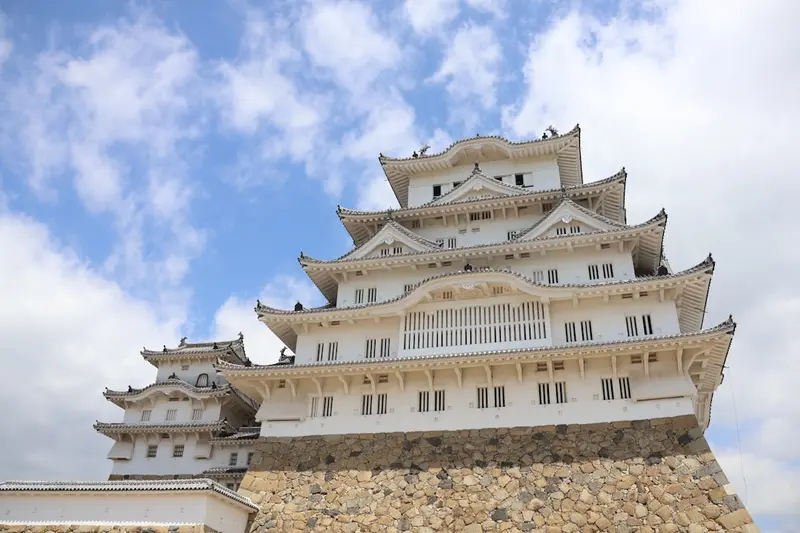
    Kansai, the historical heart of Japan, is a region of immense cultural and artistic significance that has shaped the country for centuries. From the ancient imperial cities of Nara and Kyoto to the vibrant metropolises of Osaka and Kobe, the region preserves an unparalleled wealth of traditions, art forms, and historical architecture.The history of Kansai is closely linked to the formation of Japan as a nation. During the Heian Period (794-1185), a highly developed court culture flourished in Kyoto, giving rise to classical Japanese literature, aesthetics, and many of the art forms still practiced today. Later eras, such as the Kamakura and Muromachi periods, also left their mark on the rich temple and castle architecture, which was often crafted from wood and showcases complex carpentry.Architectural masterpieces such as the Golden Pavilion of Kinkaku-ji or the majestic Himeji Castle bear witness to the architectural prowess of bygone eras. Local traditions such as the tea ceremony (Chadō), the art of Ikebana (flower arrangement), and classical Nō theater are deeply rooted here and are cherished to this day. Kansai offers a profound insight into the historical and artistic foundation of Japan.

    Locations nearby

    These places are nearby — perfect for additional days or a day trip.

    Osaka

    Osaka

    Osaka presents itself as a vibrant metropolis with a distinct food culture that clearly sets it apart from other Japanese cities. Your visit takes you to the pulsating Dotonbori, where neon signs like the Glico Man line the canals and countless restaurants embody the "Kuidaore" philosophy. The majestic Osaka Castle also offers deep insights into Japan's feudal era. Discover the retro-futuristic Shinsekai district with its iconic Tsutenkaku Tower or explore modern architecture in Umeda. To fully savor the culinary diversity, you should plan an evening stroll through Dotonbori and try local specialties like Takoyaki and Okonomiyaki. The spring and autumn months are ideal for pleasant exploration without the largest tourist crowds.
    Arashiyama

    Arashiyama

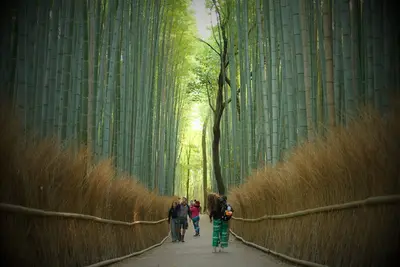
    Arashiyama, located west of Kyoto, is renowned for its picturesque nature and cultural significance. Here you'll find the famous Sagano Bamboo Forest, whose towering stalks create a unique, meditative atmosphere. The Tenryu-ji Temple, a UNESCO World Heritage site and the head temple of the Rinzai school, features impressive Zen gardens and historic buildings. The Togetsukyo Bridge spans the Hozugawa River, offering spectacular views of the surrounding mountains, especially in autumn with its vibrant foliage or during the cherry blossom season in spring. A stroll along the river or a boat ride provides a relaxed perspective of the landscape. To truly experience the tranquility of the bamboo forest, it is recommended to visit Arashiyama early in the morning or late in the afternoon to avoid the largest crowds.
    Uji

    Uji

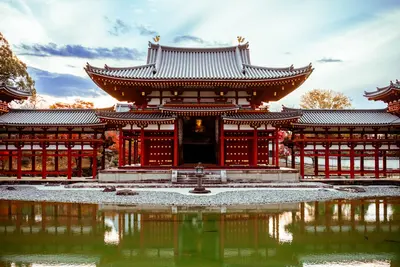
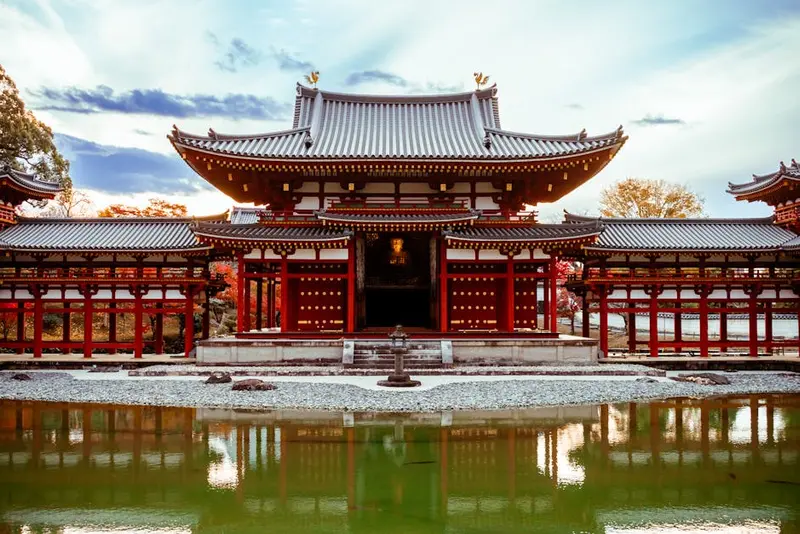
    Uji, located south of Kyoto, is inextricably linked with Japanese tea culture and a rich history. Here you'll find two UNESCO World Heritage Sites: the impressive Byodo-in Temple with its Phoenix Hall, and the Ujigami Shrine, considered Japan's oldest Shinto shrine. The city also plays a central role in Murasaki Shikibu's "The Tale of Genji," vividly presented at the Tale of Genji Museum. Along the Uji River, you can enjoy a tranquil atmosphere and discover numerous traditional tea shops. Try the local Matcha; spring or autumn offer pleasant weather and moderate visitor numbers for a relaxed exploration.
    Kobe

    Kobe

    As a cosmopolitan port city at the foot of Mount Rokko, Kobe offers a unique blend of international atmosphere, fine dining, and scenic views.
    Nara

    Nara

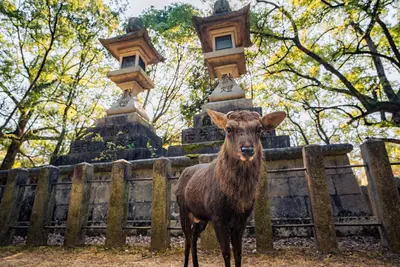
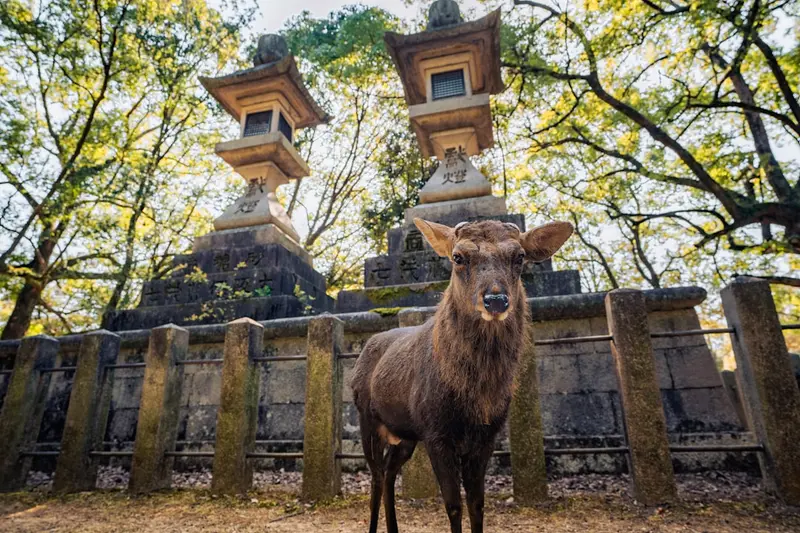
    Nara, Japan's first permanent capital, combines rich history with a unique natural experience. In Nara Park, you'll encounter thousands of free-roaming Sika deer, revered as messengers of the gods. The central highlight is the Todai-ji Temple, with its Great Buddha Hall and one of the largest bronze statues worldwide. Also visit the colorful Kasuga Taisha Shrine, known for its lanterns and its integration into the forest landscape. Visiting the temples early in the morning ensures a calmer experience. Additionally, explore the Naramachi area for traditional handicrafts and local specialties.