Fernweh
    ExploreTravel GuidesMy Trips
    de|en
    About FernwehImprintFAQPrivacy Policy
    ExploreTravel GuidesMy Trips
    Koyasan (Berg Koya)

    Koyasan (Berg Koya)

    CityCulture
    1. Home
    2. Destinations
    3. Japan
    4. Kansai
    5. Koyasan (Berg Koya)
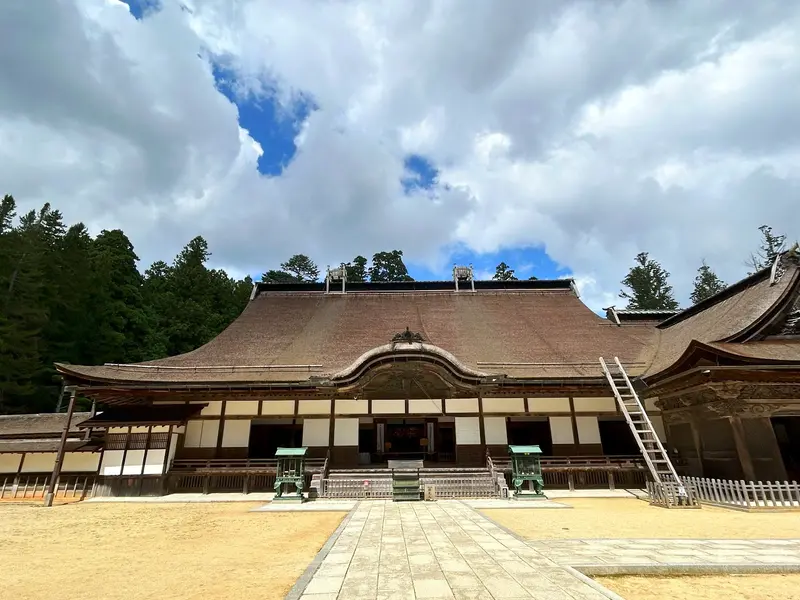
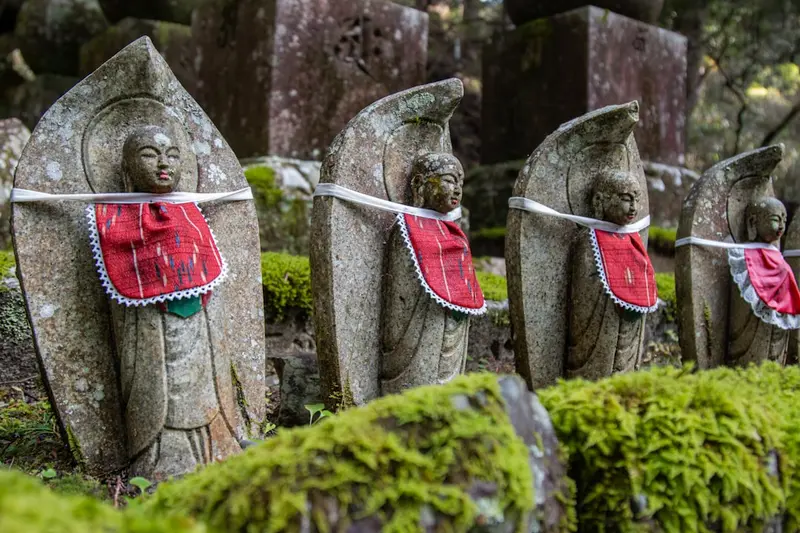
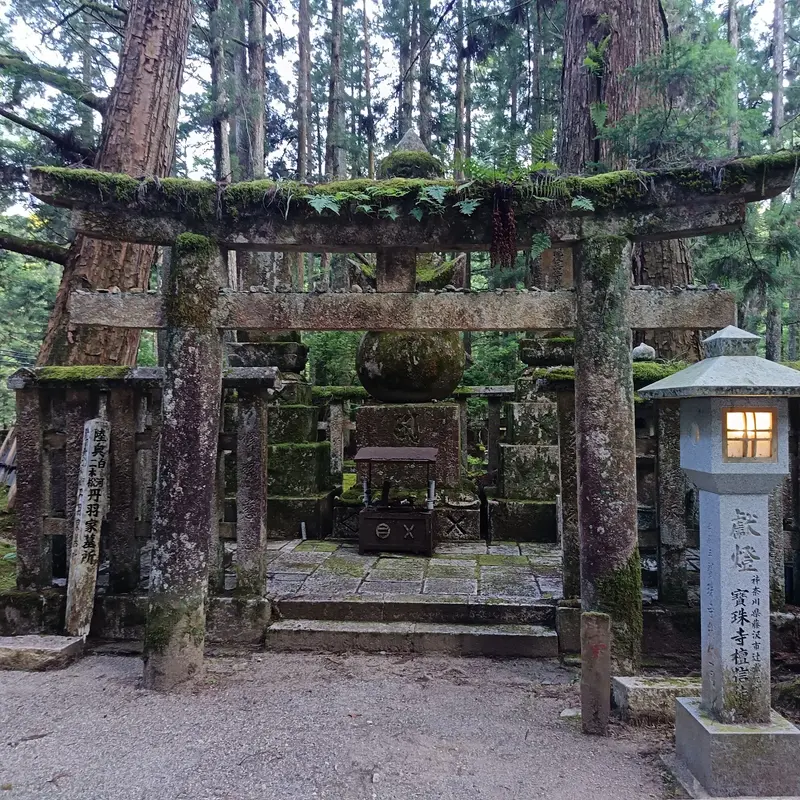
    Koyasan (Mount Koya) is the spiritual center of Shingon Buddhism in Japan and a UNESCO World Heritage site. Here you will find over a hundred temples, grouped around the main temple Kongobuji, each possessing deep historical significance. An unforgettable highlight is the Okunoin Cemetery, an atmospheric cedar forest with countless graves and the mausoleum of Kobo Daishi, the founder of the Shingon school. Explore Kongobuji's intricate gardens and experience an overnight stay in a Shukubo (temple lodging) to participate in morning prayers. This unique experience offers deep insights into monastic life and the traditional Japanese cuisine, Shojin Ryori. For a particularly peaceful atmosphere, a visit in late autumn is recommended, when the foliage is spectacular and there are fewer tourists. Plan at least one overnight stay to fully absorb the mountain's peaceful stillness and spiritual energy.
    • Neighborhoods & highlights
    • Walking tours
    • Eat & drink
    • Culture
    • Getting around
    • Accommodation
    • Plan trip
    • Nearby
    • Neighborhoods & highlights
    • Walking tours
    • Eat & drink
    • Culture
    • Getting around
    • Accommodation
    • Plan trip
    • Nearby

    Overview

    Koyasan (Mount Koya) is Japan's spiritual center of Shingon Buddhism and a UNESCO World Heritage site. There, you'll find over a hundred temples surrounding the main temple Kongobuji, each bearing deep historical significance. A highlight is the Okunoin Cemetery, a cedar forest with graves and the mausoleum of Kobo Daishi, the Shingon founder. An overnight stay in a Shukubo (temple lodging) lets you participate in morning prayers and experience Shojin Ryori. Plan at least one night; late autumn is perfect for tranquility and autumn leaves.

    Places in Koyasan (Berg Koya)

    Discover the most important sights and attractions

    Sights in Koyasan (Berg Koya)

    Mausoleum of Great Master Kobo Daishi (Buddhist monk Kūkai)

    Das Mausoleum des Großen Meisters Kobo Daishi (Kūkai), bekannt als Okunoin Gobyo, ist das spirituelle Herz Koyasans und der heiligste Ort des Shingon-Buddhismus. Hier soll Kūkai, der Gründer dieser Schule, nicht gestorben sein, sondern in ewiger Meditation verweilen, um die Menschheit zu erretten. Du erreichst es über den ehrwürdigen Okunoin-Friedhof, einen Pfad, der von alten Zedern und unzähligen Grabsteinen gesäumt ist. Vor dem eigentlichen Mausoleum steht die Torodo (Laternenhalle), die Tausende von Laternen beherbergt, darunter zwei, die seit über 900 Jahren ununterbrochen brennen und eine faszinierende Lichtstimmung erzeugen. Die Atmosphäre ist tief spirituell und lädt zur Besinnung ein. Unser Tipp: Besuche das Mausoleum und den Friedhof am frühen Morgen oder späten Nachmittag, um die besondere Stille und mystische Stimmung ohne größere Menschenmengen zu erleben. Achte auf respektvolles Verhalten; im Inneren der Torodo ist Fotografieren untersagt.
    Open in Google Maps

    Kongobu-ji Okuno-in

    Der Okuno-in in Koyasan ist die heiligste Stätte des Shingon-Buddhismus und das Mausoleum von Kobo Daishi (Kukai), dem Gründer dieser Schule. Es wird geglaubt, dass Kobo Daishi hier nicht gestorben ist, sondern in ewiger Meditation verweilt, um die Menschheit zu erlösen. Du erreichst das Mausoleum über einen rund zwei Kilometer langen Pfad, der von jahrhundertealten Zedern gesäumt ist. Entlang des Weges findest du über 200.000 Grabsteine und Gedenksteine, die eine einzigartige, mystische Atmosphäre schaffen. Viele dieser Denkmäler gehören historischen Persönlichkeiten und ganzen Familienclans. Am Ende des Pfades gelangst du zur Laternenhalle (Torodo), in der Tausende von Laternen seit Jahrhunderten ununterbrochen brennen, sowie zum Gobyo, dem innersten Heiligtum. Unser Tipp: Besuche den Okuno-in am frühen Morgen, um die besondere Stille und spirituelle Energie vor dem Eintreffen der meisten Besucher zu erleben. Achte auf respektvolle Kleidung und bequeme Schuhe, da der Weg lang ist und du dich an einem zutiefst spirituellen Ort befindest.
    Open in Google Maps

    Koyasan Special Head Temple Shojoshin-in

    Der Koyasan Special Head Temple Shojoshin-in ist ein bedeutender Sondertempel auf dem heiligen Berg Koya, dem Zentrum des Shingon-Buddhismus in Japan und einem UNESCO-Weltkulturerbe. Dieser Tempel ist bekannt für seine Shukubo, die traditionelle Tempelunterkunft, die dir eine einzigartige Möglichkeit bietet, das klösterliche Leben hautnah zu erfahren. Du kannst an den morgendlichen Gebeten der Mönche teilnehmen und die exquisite Shojin Ryori, die traditionelle vegetarische Mönchsküche, genießen. Die ruhigen Gärten und die schlichte Architektur des Shojoshin-in laden zur Besinnung ein und spiegeln die spirituelle Tiefe des Koyasan wider. Historisch gesehen spielt der Tempel eine wichtige Rolle als Pilgerherberge und Ort der Einkehr. Unser Tipp: Buche deine Shukubo-Unterkunft weit im Voraus, besonders in der Hochsaison. Um die friedliche Atmosphäre der Gärten und die Morgenrituale optimal zu erleben, empfiehlt sich ein Besuch in den frühen Morgenstunden.
    Open in Google Maps

    Joki-in Temple (Pilgrim's Lodging)

    Der Joki-in Tempel in Koyasan dient als traditionelle Pilgerunterkunft, ein sogenanntes Shukubo, und bietet dir eine einzigartige Gelegenheit, in das klösterliche Leben des Shingon-Buddhismus einzutauchen. Hier übernachtest du in einfachen, aber komfortablen Tatami-Zimmern und erlebst die Ruhe des heiligen Berges. Du hast die Möglichkeit, an den morgendlichen Gebeten teilzunehmen, die oft schon vor Sonnenaufgang beginnen und eine meditative Atmosphäre schaffen. Ein Höhepunkt ist die Shojin Ryori, die traditionelle vegetarische Küche der Mönche, die mit frischen, saisonalen Zutaten zubereitet wird und sowohl den Gaumen als auch den Geist nährt. Die Anlage umfasst oft auch einen kleinen, gepflegten Garten, der zum Nachdenken einlädt. Unser Tipp: Buche deine Unterkunft weit im Voraus, besonders wenn du während der japanischen Feiertage oder zur Herbstlaubzeit reisen möchtest. Stehe früh auf, um die Morgenzeremonie mit den Mönchen zu erleben; es ist eine authentische und ergreifende Erfahrung, die du nicht verpassen solltest.
    Open in Google Maps

    Hoon-in

    Das Hoon-in ist einer der zahlreichen Tatchu, der Untertempel auf dem heiligen Berg Koyasan, dem spirituellen Zentrum des Shingon-Buddhismus in Japan. Es bietet eine einzigartige Möglichkeit, tief in die klösterliche Lebensweise einzutauchen. Hier kannst du die authentische Shukubo-Erfahrung machen, die eine Übernachtung im Tempel mit der Gelegenheit verbindet, an den täglichen Ritualen teilzunehmen. Dich erwartet eine ausgesprochen friedliche Umgebung, die von traditioneller japanischer Architektur und oft sorgfältig gestalteten Karesansui-Gärten geprägt ist, welche zur stillen Reflexion einladen. Morgens hast du die Möglichkeit, an der O-tsutome, den morgendlichen Gebeten der Mönche, teilzunehmen und die Shojin Ryori, die exquisite vegetarische Tempelküche, zu genießen. Unser Tipp: Buche deine Übernachtung frühzeitig, besonders während der Hochsaison im Herbst oder Frühling. Um die meditative Atmosphäre voll aufzunehmen, empfiehlt sich ein Aufenthalt von mindestens zwei Nächten, um den Rhythmus des Tempels wirklich zu erleben.
    Open in Google Maps

    City walks in Koyasan (Berg Koya)

    Curated walking tours through the city's highlights — handpicked by experienced travel journalists.

    Geheimnisse von Koyasan: Ein spiritueller Spaziergang

    Tauchen Sie ein in die tief spirituelle Welt von Koyasan, einer abgelegenen Klosterstadt auf einem Berg. Dieser ca. zweistündige Rundgang führt Sie zu den heiligsten Stätten des Shingon-Buddhismus, durch mystische Zedernwälder und vorbei an jahrhundertealten Tempeln. Erleben Sie die einzigartige Atmosphäre dieses UNESCO-Weltkulturerbes.

    ~2 Std. 5 Min.
    In Google Maps öffnen
    Stopps (6)

    Restaurants in Koyasan (Berg Koya)

    Koyasan: A Heritage of Spirituality

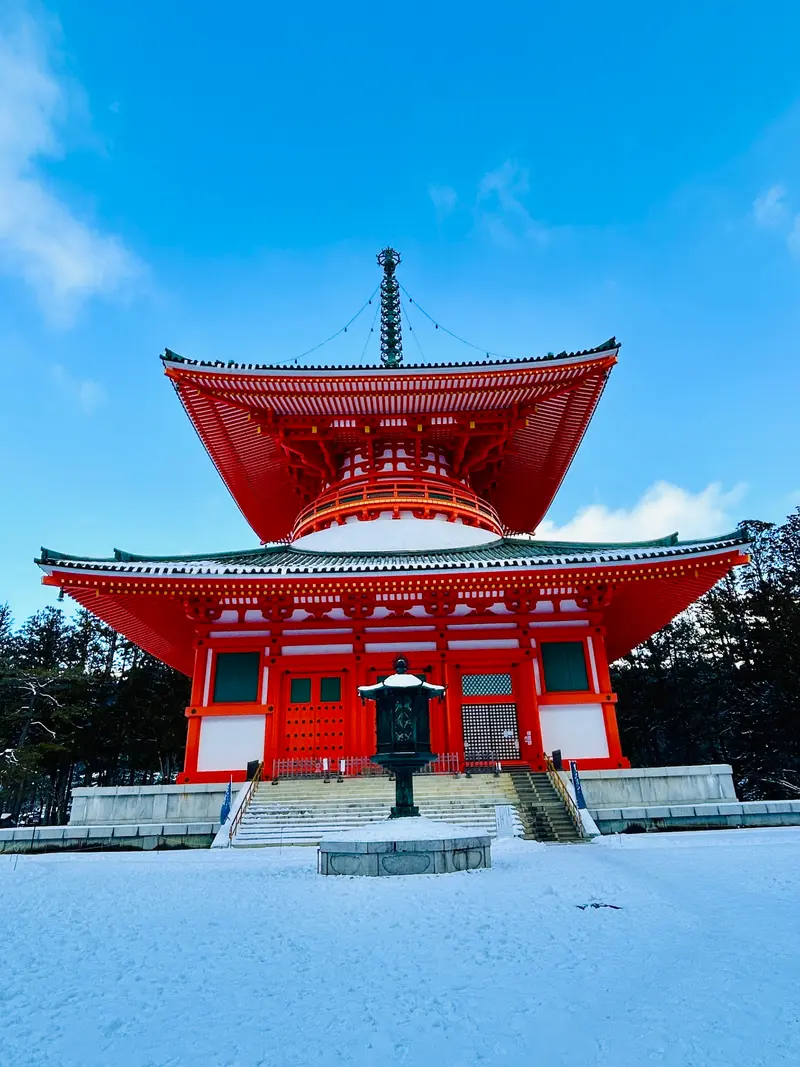
    Founded in 816 by Kūkai (Kōbō Daishi) as the center of Shingon Buddhism, Koyasan has been a significant site of Japanese spirituality for over 1200 years. Over the centuries, the complex grew into a unique monastic city that continues to shape daily life today.Koyasan's architecture is an outstanding example of Japanese Buddhist temple construction. From the imposing Konpon Daito in Danjo Garan to the shrines and mausoleums along the path to Okunoin, the buildings reflect the aesthetics and spirituality of their respective eras. Traditions like Shukubo (temple lodging) and the practice of vegetarian Shojin Ryori are integral parts of its cultural heritage.Okunoin, with over 200,000 gravestones and the eternal light in the Torodo Hall, symbolizes the continuity of faith and the deep reverence for Kūkai, who is said to remain here in eternal meditation. This blend of history, living religion, and unique architecture makes Koyasan a place of profound cultural significance.

    Getting Around Here

    Access to Koyasan is usually via the Nankai Koya Line to the final station, Gokurakubashi, followed by a scenic cable car ride up the mountain. Once at the top, the local Rinkan bus network is central to getting around, efficiently connecting all major temples, accommodations, and sights. It is highly recommended to purchase a Koyasan World Heritage Ticket, which typically covers the train journey, cable car, and unlimited rides on local buses, offering a cost-effective and convenient option.While Koyasan is largely pedestrian-friendly overall, and many main attractions like the Okunoin Path can be wonderfully explored on foot, distances between some places are considerable, making the bus indispensable. Metro, subway, or trams do not exist here, and while taxi services are available, they are less common and more expensive than buses. E-scooters or bicycles are not common modes of transport due to the topography and the sacred nature of the site. Good planning with the local bus schedules will maximize your experience.

    Accommodations in Koyasan (Berg Koya)

    Accommodations in Koyasan (Berg Koya)

    Find perfect stay in Koyasan (Berg Koya)

    Booking.com
    Search Hotels
    Agoda
    Search Hotels
    Airbnb
    Vacation Rentals
    Hotels.com
    Hotels Worldwide
    Hostelworld
    Hostels

    Plan your trip to Koyasan (Berg Koya)

    Save places, build a route and plan your city trip — all in one place.

    Save places

    Bookmark sights, restaurants and neighborhoods you're interested in.

    Build your route

    Turn your bookmarks into a route — define order, days and budget.

    Refine with AI

    Let Mein Fernweh suggest experiences and put together a tailored daily plan.

    Start trip planningOpen bookmarks

    Locations nearby

    These places are nearby — perfect for additional days or a day trip.

    Osaka

    Osaka

    Osaka presents itself as a vibrant metropolis with a distinct food culture that clearly sets it apart from other Japanese cities. Your visit takes you to the pulsating Dotonbori, where neon signs like the Glico Man line the canals and countless restaurants embody the "Kuidaore" philosophy. The majestic Osaka Castle also offers deep insights into Japan's feudal era. Discover the retro-futuristic Shinsekai district with its iconic Tsutenkaku Tower or explore modern architecture in Umeda. To fully savor the culinary diversity, you should plan an evening stroll through Dotonbori and try local specialties like Takoyaki and Okonomiyaki. The spring and autumn months are ideal for pleasant exploration without the largest tourist crowds.
    Nara

    Nara

    Nara, Japan's first permanent capital, combines rich history with a unique natural experience. In Nara Park, you'll encounter thousands of free-roaming Sika deer, revered as messengers of the gods. The central highlight is the Todai-ji Temple, with its Great Buddha Hall and one of the largest bronze statues worldwide. Also visit the colorful Kasuga Taisha Shrine, known for its lanterns and its integration into the forest landscape. Visiting the temples early in the morning ensures a calmer experience. Additionally, explore the Naramachi area for traditional handicrafts and local specialties.
    Kobe

    Kobe

    As a cosmopolitan port city at the foot of Mount Rokko, Kobe offers a unique blend of international atmosphere, fine dining, and scenic views.
    Kansai

    Kansai

    The Kansai region in western Japan is the cultural and historical heart of the country. Here you will find a fascinating mix of ancient traditions, vibrant metropolises, and breathtaking nature, which offers a unique travel experience. Discover the cradle of Japanese culture with its imperial palaces, shrines, and gardens.
    Uji

    Uji

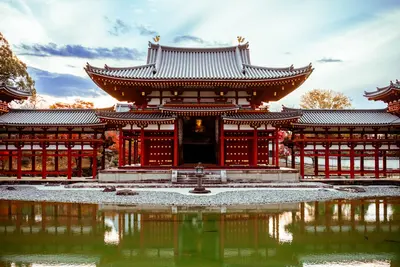
    Uji, located south of Kyoto, is inextricably linked with Japanese tea culture and a rich history. Here you'll find two UNESCO World Heritage Sites: the impressive Byodo-in Temple with its Phoenix Hall, and the Ujigami Shrine, considered Japan's oldest Shinto shrine. The city also plays a central role in Murasaki Shikibu's "The Tale of Genji," vividly presented at the Tale of Genji Museum. Along the Uji River, you can enjoy a tranquil atmosphere and discover numerous traditional tea shops. Try the local Matcha; spring or autumn offer pleasant weather and moderate visitor numbers for a relaxed exploration.