
Fernweh
    ExploreTravel GuidesMy Trips
    de|en
    About FernwehImprintFAQPrivacy Policy
    ExploreTravel GuidesMy Trips
    Kobe

    Kobe

    City
    1. Home
    2. Destinations
    3. Japan
    4. Kobe
    As a cosmopolitan port city at the foot of Mount Rokko, Kobe offers a unique blend of international atmosphere, fine dining, and scenic views.
    • Neighborhoods & highlights
    • Walking tours
    • Eat & drink
    • Culture
    • Getting around
    • Accommodation
    • Plan trip
    • Nearby
    • Neighborhoods & highlights
    • Walking tours
    • Eat & drink
    • Culture
    • Getting around
    • Accommodation
    • Plan trip
    • Nearby

    Overview

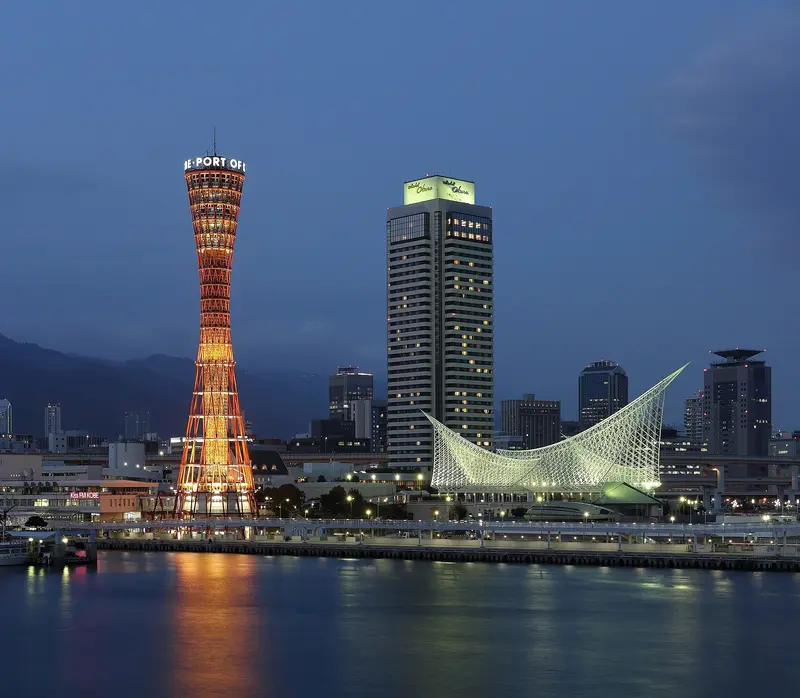
    Kobe is a cosmopolitan port city that blends international heritage with Japanese modernity. Explore historic Kitano-chō with its Western residences and vibrant Nankin-machi, Kobe's Chinatown, for authentic cuisine. Meriken Park, featuring the Kobe Port Tower, tells a story of maritime heritage and post-1995 reconstruction. Culinary-wise, the city is globally renowned for its exquisite Kobe Beef; try it in specialized restaurants, for example in Sannomiya. For panoramic views over the bay, head up Mount Rokkō, ideal in spring or autumn. A visit to the Sake Brewery District of Nada also offers insights into Japan's traditional brewing artistry.

    Places in Kobe

    Discover the most important sights and attractions

    Sights in Kobe

    Kōbe-Moschee

    Mosque in 2-chōme-25-14 Nakayamatedōri.
    Open in Google Maps

    Kobe Animal Kingdom

    Attraction in 9.
    Open in Google Maps

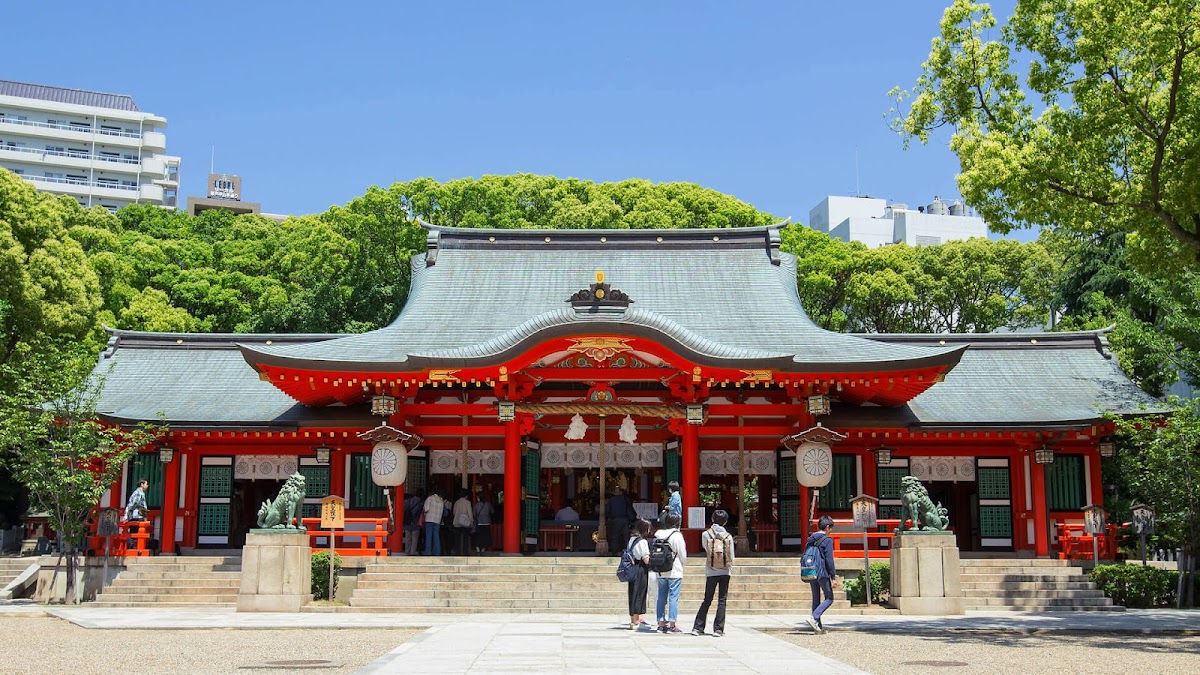
    Ikuta-Schrein

    Dieser bedeutende, traditionelle Shintō-Schrein vom Anfang des 3. Jahrhunderts ist einer der ältesten Japans.
    Open in Google Maps

    Kobe Ōji Zoo

    Traditionsreicher Zoo mit außergewöhnlichen Tieren und kleinem Freizeitpark mit Fahrgeschäften für Kinder.
    Open in Google Maps

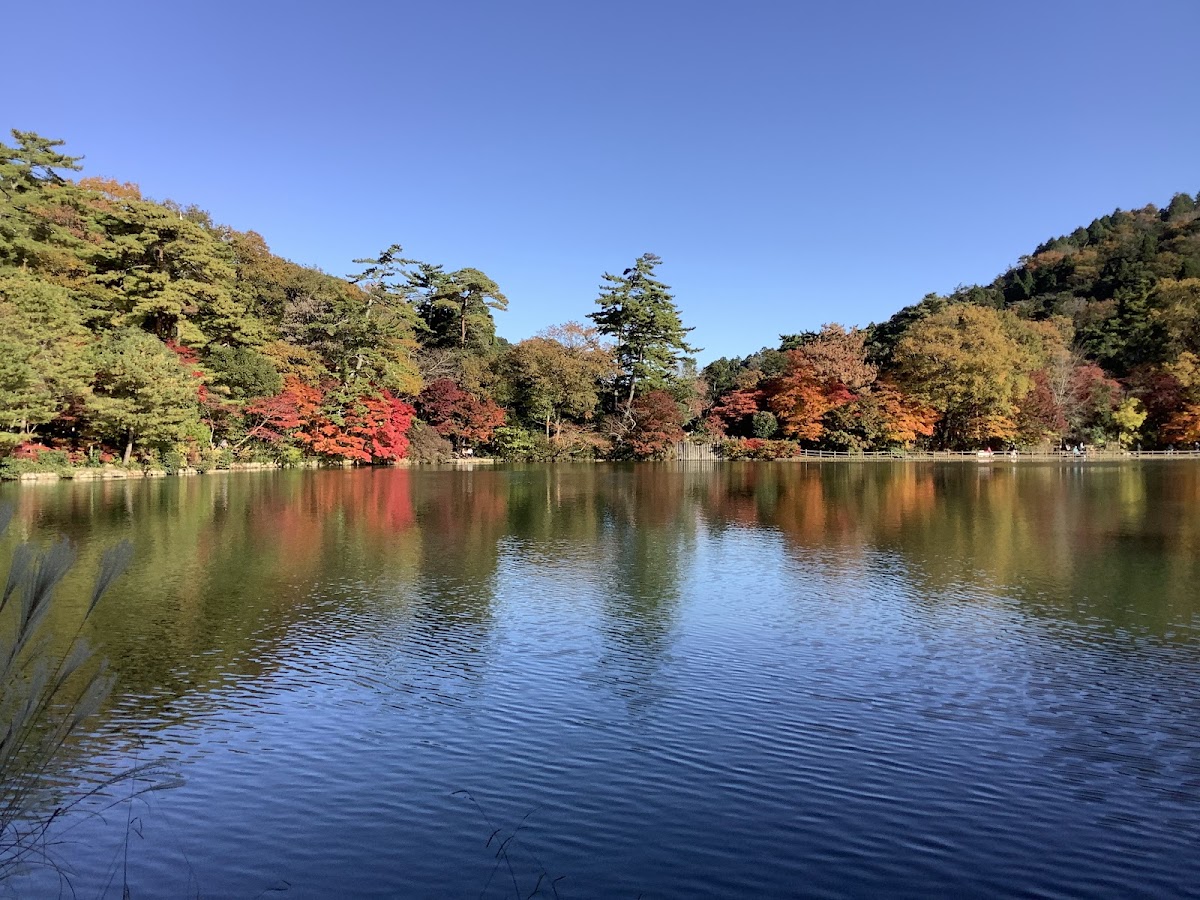
    Futatabi Park

    Für im Frühling blühende Azaleen und Herbstlaub bekannter Park mit mehreren Spazierwegen und See.
    Open in Google Maps

    City walks in Kobe

    Curated walking tours through the city's highlights — handpicked by experienced travel journalists.

    Kobe kompakt: Hafen, Highlife und Historie

    Entdecken Sie auf diesem zweistündigen Spaziergang das Beste von Kobe. Der Weg führt Sie vom lebhaften Sannomiya Bahnhof durch die pulsierende Chinatown Nankinmachi und die traditionelle Motomachi Einkaufsstraße bis hin zum modernen Hafenviertel. Erleben Sie eine faszinierende Mischung aus Kultur, Kulinarik und atemberaubenden Ausblicken auf den ikonischen Port Tower und das Meer.

    ~2 Std. 5 Min.
    In Google Maps öffnen
    Stopps (5)

    Essen & Trinken

    Kobe's Cultural Heritage

    Kobe boasts a rich and complex history, deeply rooted in its identity as an open port city. As early as the 7th century, Kobe was a significant port for trade with China and Korea. From the Meiji Restoration in the late 19th century, the city experienced rapid development, opening for international trade in 1868 and evolving into a melting pot of cultures.This era significantly shaped the city's architecture, especially in the district of Kitano-cho, where magnificent Western residences, known as 'Ijinkan,' remain preserved to this day, forming a stark contrast to traditional Japanese building styles. Despite the devastation caused by the Great Hanshin Earthquake of 1995, Kobe has preserved its cultural heritage and integrated modern art and architecture into its reconstruction. The city maintains a unique blend of Japanese tradition and international flair, evident in its gastronomy, art scene, and the many museums that illuminate its past and present. Local festivals and events reflect this cultural diversity.

    Getting Around Here

    Kobe boasts an excellent and efficient transport network, making the city easy to explore. The Kobe City Subway is ideal for quickly traveling between major attractions like Sannomiya and Shin-Kobe, with common IC cards such as ICOCA, Suica, or Pasmo significantly simplifying its use. Additionally, city buses provide access to more remote neighborhoods and tourist destinations not directly served by the subway. For a unique perspective on the port area, the driverless Port Liner is recommended, offering a modern alternative.Although E-scooters are not yet widespread in Japan, bicycles can be rented at various stations to cover shorter distances in an eco-friendly manner. Taxis are always available and offer comfort, but they are the most expensive option, while ride-sharing services are less common. Downtown areas such as Sannomiya, Motomachi, and Chinatown are also extremely pedestrian-friendly, perfect for relaxed strolls and discoveries. Good navigation via Google Maps is always advisable to find the best route and make the most of Kobe's charming paths.

    Accommodations in Kobe

    Accommodations in Kobe

    Find perfect stay in Kobe

    Booking.com
    Search Hotels
    Agoda
    Search Hotels
    Airbnb
    Vacation Rentals
    Hotels.com
    Hotels Worldwide
    Hostelworld
    Hostels

    Plan your trip to Kobe

    Save places, build a route and plan your city trip — all in one place.

    Save places

    Bookmark sights, restaurants and neighborhoods you're interested in.

    Build your route

    Turn your bookmarks into a route — define order, days and budget.

    Refine with AI

    Let Mein Fernweh suggest experiences and put together a tailored daily plan.

    Start trip planningOpen bookmarks

    Locations nearby

    These places are nearby — perfect for additional days or a day trip.

    Osaka

    Osaka

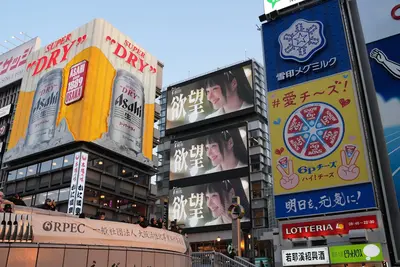
    Osaka presents itself as a vibrant metropolis with a distinct food culture that clearly sets it apart from other Japanese cities. Your visit takes you to the pulsating Dotonbori, where neon signs like the Glico Man line the canals and countless restaurants embody the "Kuidaore" philosophy. The majestic Osaka Castle also offers deep insights into Japan's feudal era. Discover the retro-futuristic Shinsekai district with its iconic Tsutenkaku Tower or explore modern architecture in Umeda. To fully savor the culinary diversity, you should plan an evening stroll through Dotonbori and try local specialties like Takoyaki and Okonomiyaki. The spring and autumn months are ideal for pleasant exploration without the largest tourist crowds.
    Kansai

    Kansai

    The Kansai region in western Japan is the cultural and historical heart of the country. Here you will find a fascinating mix of ancient traditions, vibrant metropolises, and breathtaking nature, which offers a unique travel experience. Discover the cradle of Japanese culture with its imperial palaces, shrines, and gardens.
    Himeji

    Himeji

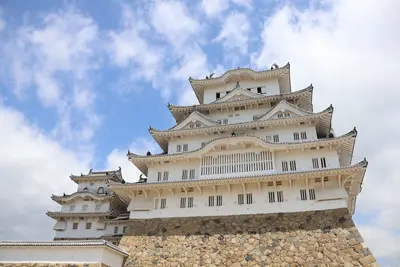
    Himeji is home to the magnificent Himeji-jō, one of Japan's best-preserved and most impressive Samurai castles, which is a UNESCO World Heritage site.
    Nara

    Nara

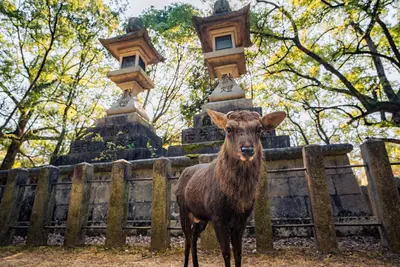
    Nara, Japan's first permanent capital, combines rich history with a unique natural experience. In Nara Park, you'll encounter thousands of free-roaming Sika deer, revered as messengers of the gods. The central highlight is the Todai-ji Temple, with its Great Buddha Hall and one of the largest bronze statues worldwide. Also visit the colorful Kasuga Taisha Shrine, known for its lanterns and its integration into the forest landscape. Visiting the temples early in the morning ensures a calmer experience. Additionally, explore the Naramachi area for traditional handicrafts and local specialties.
    Arashiyama

    Arashiyama

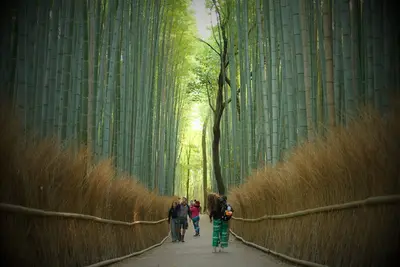
    Arashiyama, located west of Kyoto, is renowned for its picturesque nature and cultural significance. Here you'll find the famous Sagano Bamboo Forest, whose towering stalks create a unique, meditative atmosphere. The Tenryu-ji Temple, a UNESCO World Heritage site and the head temple of the Rinzai school, features impressive Zen gardens and historic buildings. The Togetsukyo Bridge spans the Hozugawa River, offering spectacular views of the surrounding mountains, especially in autumn with its vibrant foliage or during the cherry blossom season in spring. A stroll along the river or a boat ride provides a relaxed perspective of the landscape. To truly experience the tranquility of the bamboo forest, it is recommended to visit Arashiyama early in the morning or late in the afternoon to avoid the largest crowds.