Fernweh
    ExploreTravel GuidesMy Trips
    de|en
    About FernwehImprintFAQPrivacy Policy
    ExploreTravel GuidesMy Trips
    Arashiyama

    Arashiyama

    CityCulture
    1. Home
    2. Destinations
    3. Japan
    4. Arashiyama
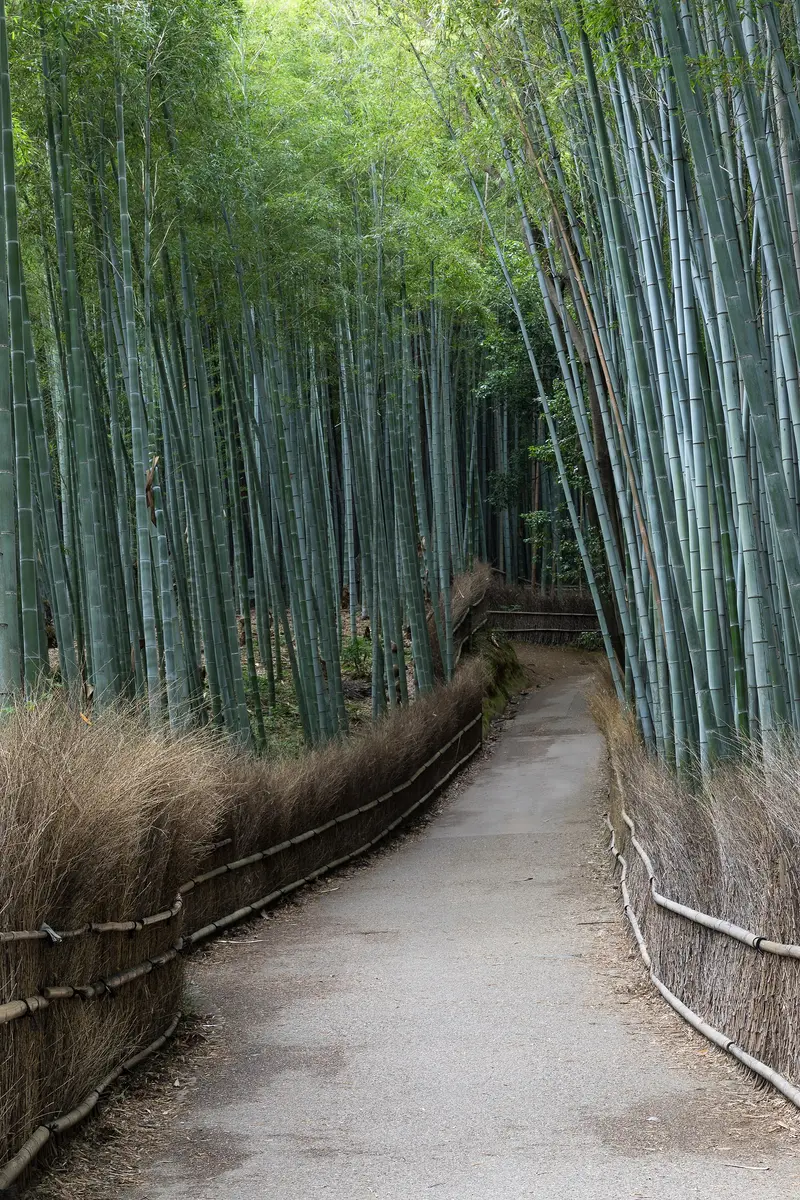
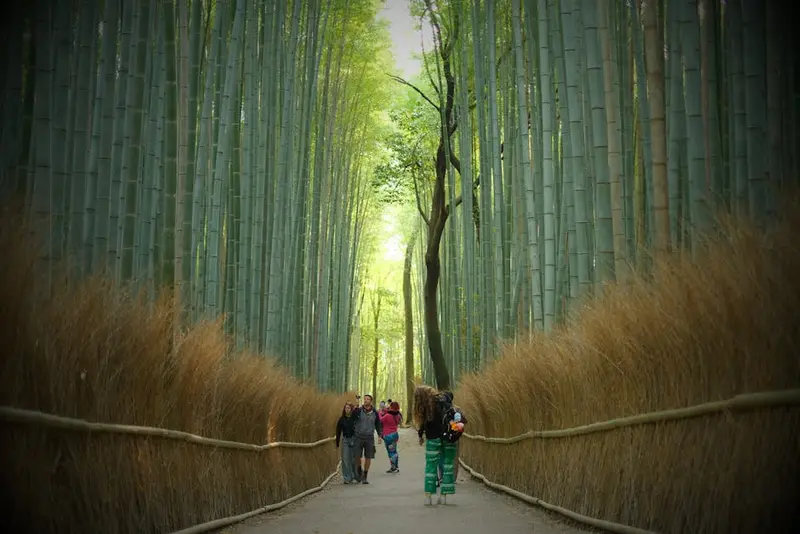
    Arashiyama, located west of Kyoto, is renowned for its picturesque nature and cultural significance. Here you'll find the famous Sagano Bamboo Forest, whose towering stalks create a unique, meditative atmosphere. The Tenryu-ji Temple, a UNESCO World Heritage site and the head temple of the Rinzai school, features impressive Zen gardens and historic buildings. The Togetsukyo Bridge spans the Hozugawa River, offering spectacular views of the surrounding mountains, especially in autumn with its vibrant foliage or during the cherry blossom season in spring. A stroll along the river or a boat ride provides a relaxed perspective of the landscape. To truly experience the tranquility of the bamboo forest, it is recommended to visit Arashiyama early in the morning or late in the afternoon to avoid the largest crowds.
    • Neighborhoods & highlights
    • Walking tours
    • Eat & drink
    • Culture
    • Getting around
    • Accommodation
    • Plan trip
    • Nearby
    • Neighborhoods & highlights
    • Walking tours
    • Eat & drink
    • Culture
    • Getting around
    • Accommodation
    • Plan trip
    • Nearby

    Overview

    Arashiyama, located west of Kyoto, is a significant destination known for its picturesque nature and cultural importance. The Sagano Bamboo Forest captivates with its towering stalks, creating a unique, almost meditative atmosphere. Directly adjacent is the Tenryu-ji Temple, a UNESCO World Heritage site and head temple of the Rinzai school of Zen Buddhism, offering impressive Zen gardens and historical architecture. The Togetsukyo Bridge spans the Hozugawa River, offering picturesque views of the surrounding mountains, especially during cherry blossom season in spring or with vibrant maple leaves in autumn. A stroll along the river or a traditional boat ride on the Hozugawa complements the experience and allows for a relaxed perspective on the landscape. To optimally experience the peaceful ambiance of the bamboo forest, a visit early in the morning or late in the afternoon is recommended to avoid the largest crowds.

    Places in Arashiyama

    Discover the most important sights and attractions

    Sights in Arashiyama

    Otagi Nenbutsuji Temple

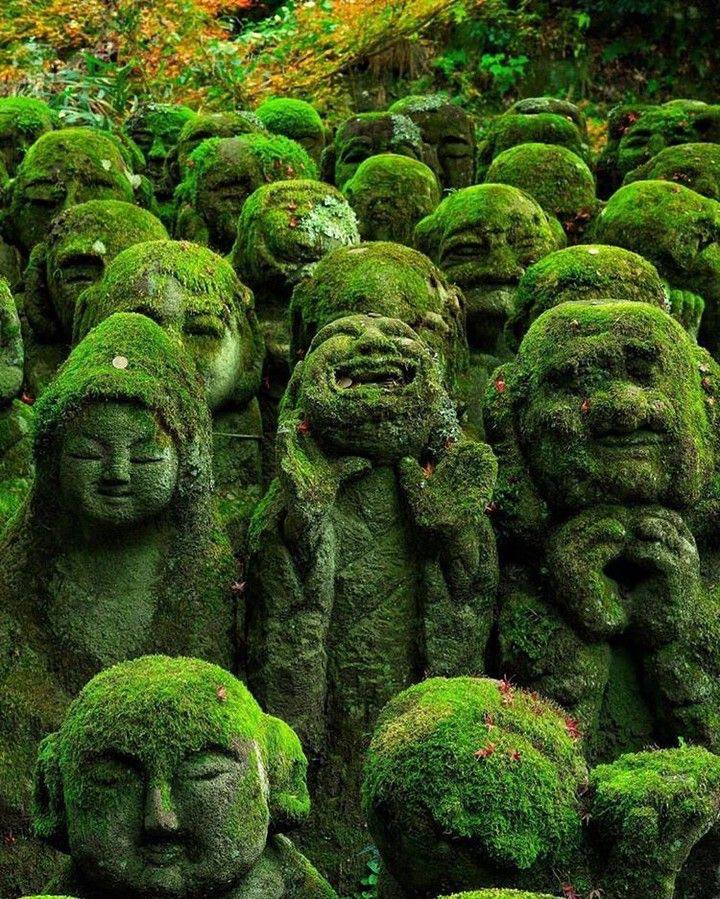
    The Otagi Nenbutsuji Temple in Arashiyama is famous for its unique collection of over 1200 Rakan statues, depicting Buddha's disciples. Founded in the 8th century, the temple was repeatedly destroyed and reconstructed in the 1980s by sculptor Kocho Nishimura. He encouraged laypeople to carve the Rakan statues, giving each figure a unique, often humorous or contemplative expression. This diversity lends the temple a special, almost living atmosphere.When exploring the grounds, you will be impressed by the sheer number and diverse characters of the stone figures, which blend harmoniously into the wooded surroundings. Many of the Rakan are covered in moss, which enhances their ancient charm and makes them appear like an integral part of nature. This place radiates a deep tranquility and offers a meditative experience away from Arashiyama's busier tourist trails.Our Tip: Visit the temple early in the morning or late in the afternoon. At these times, crowds are smaller, and the soft light creates a magical atmosphere, ideal for undisturbed contemplation and photography. Pay attention to the small details and the varying facial expressions of the Rakan – there's always something new to discover.
    Open in Google Maps

    Jōjakkōji Temple

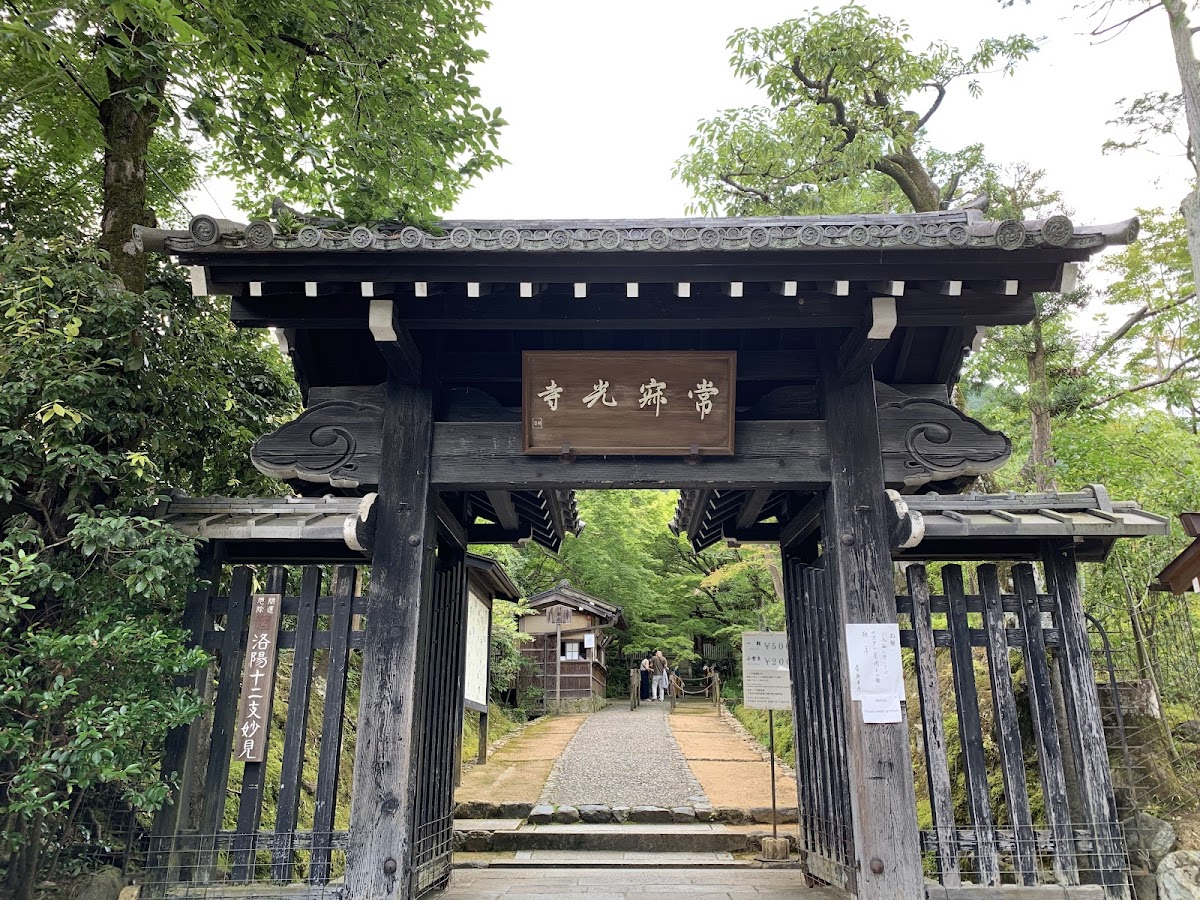
    The Jōjakkōji Temple, founded in 1596 by Nittchō, a prominent monk of the Nichiren sect, is a gem at the foot of Mount Ogura in Arashiyama. Here is an oasis of tranquility blending harmoniously with its natural surroundings. The temple is especially known for its breathtaking autumn foliage, which drapes the entire complex in vibrant reds and golds. As you ascend the moss-covered stone steps, you'll discover the main hall and the distinctive, multi-storied Tahōtō Pagoda, rising elegantly amidst the trees. From the upper temple grounds, you also enjoy a picturesque view over Kyoto's rooftops and the surrounding landscape. Our Tip: To avoid the crowds and fully experience the peaceful atmosphere, visit the temple right after it opens in the early morning. For stunning photos of the autumn leaves with the pagoda in the background, late November is ideal, but even in early summer, the lush green vegetation offers a special beauty.
    Open in Google Maps

    Ryoan-ji

    The Ryoan-ji, a UNESCO World Heritage site in Kyoto, is famous for its unique Zen rock garden, a highlight of Japanese garden art. This Karesansui garden, dating back to the 15th century, consists of 15 carefully placed stones on a bed of white gravel. The special feature is that you cannot see all 15 stones simultaneously from any point on the veranda – a deliberate design intended to encourage meditation.Besides the famous rock garden, the temple also houses a beautiful pond garden (Kyoyochi Pond) with an island, which contrasts with the austerity of the rock garden. You will also find here the historic teahouse and a traditional Tsukubai, a water basin for ritual purification, whose inscription conveys a Zen teaching: "I learn only to be content."Our Tip: Visit Ryoan-ji early in the morning shortly after opening or in the late afternoon to avoid the largest crowds. This allows you to fully enjoy the tranquil atmosphere of the rock garden and let the subtle details of its arrangement sink in. For an undisturbed viewing of the garden, you should take your time and explore the different perspectives from the wooden veranda.
    Open in Google Maps

    Arashiyama

    Arashiyama, located on the western edge of Kyoto, has been a popular excursion destination since the Heian period, cherished for its breathtaking natural scenery and cultural attractions. Its centerpiece is the famous Sagano Bamboo Forest, whose tall, densely packed bamboo stalks create an almost surreal atmosphere, especially when the wind rustles through the culms. Directly adjacent you'll find the Tenryu-ji Temple, a UNESCO World Heritage site and one of Kyoto's five great Zen temples, whose expansive gardens and historic buildings offer deep insights into Japanese garden art and Buddhist architecture. The iconic Togetsukyo Bridge, translated as "Moon-crossing Bridge", spans the Hozugawa River and offers fantastic views of the surrounding mountains, which display cherry blossom pink or radiant autumn red depending on the season. Our Tip: To truly experience the magical tranquility of the bamboo forest and avoid the crowds, ideally visit it very early in the morning, shortly after sunrise. A boat trip on the Hozugawa River also offers a charming perspective, especially during the autumn foliage.
    Open in Google Maps

    Saihō-ji

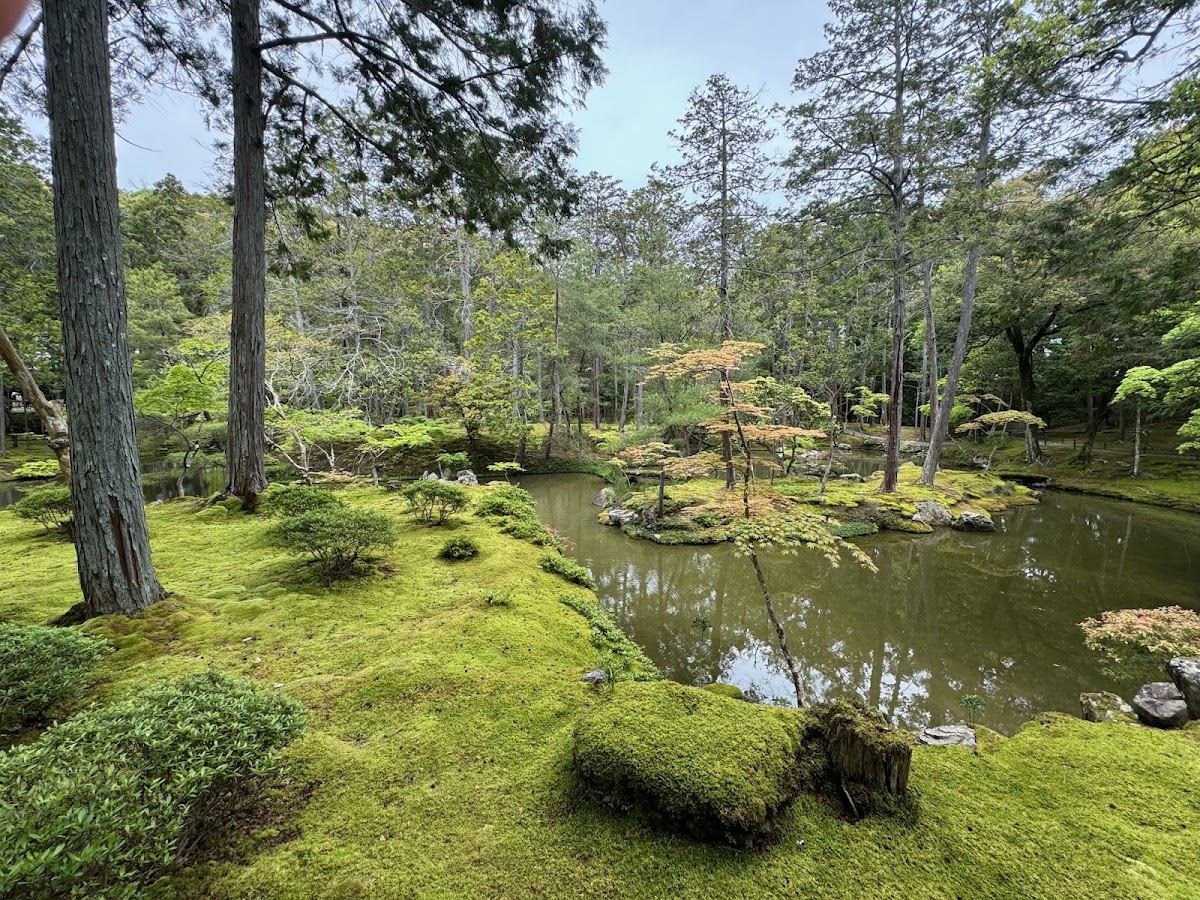
    Saihō-ji, also known as Kokedera or the Moss Temple, is a UNESCO World Heritage site in Arashiyama, Kyoto. This Zen temple is renowned for its exceptional moss garden, which is home to over 120 different species of moss, forming a unique, emerald-green landscape. Originally built in the 8th century as Prince Shotoku's villa, it was later converted into a temple. It owes its current form to the Zen master Musō Soseki, who redesigned it as a Zen garden in the 14th century.A visit requires a mandatory advance reservation, often weeks in advance. Access traditionally begins with participation in a Buddhist ceremony, usually the copying of sutras (Shakyō) or a meditation session. This is an integral part of the experience and contributes to the temple's funding. Afterwards, you gain access to the extensive garden, which is laid out around a pond in the shape of the Chinese character for "heart" (心).The garden invites you to a tranquil stroll, where you can admire the dense moss carpet and ancient trees. The atmosphere is characterized by profound tranquility. Our Tip: Ideally, visit Saihō-ji after a rainy day in spring or early summer, when the moss appears most vibrant. The autumn months also offer a charming combination of green moss and colorful maple leaves. Plan your reservation early.
    Open in Google Maps

    City walks in Arashiyama

    Curated walking tours through the city's highlights — handpicked by experienced travel journalists.

    Arashiyamas Verborgene Schätze: Auf den Spuren der Stille und Aussicht

    Entdecken Sie die ruhigeren Ecken Arashiyamas abseits der bekannten Pfade. Dieser Spaziergang führt Sie zu atemberaubenden Ausblicken, versteckten Gärten und besinnlichen Tempeln, die eine andere Seite dieses malerischen Viertels offenbaren. Tauchen Sie ein in eine Welt voller Natur, Kunst und spiritueller Ruhe.

    ~2 Std. 45 Min.
    In Google Maps öffnen
    Stopps (6)

    Essen & Trinken

    Arashiyama: Culture, Art, and History

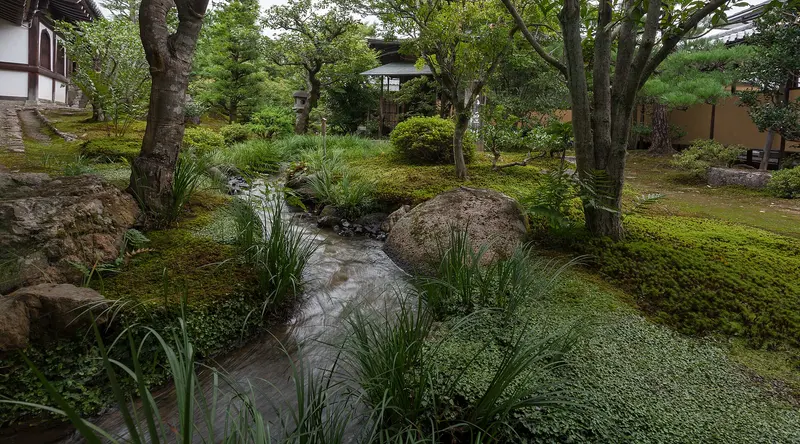
    Arashiyama, located on the western edge of Kyoto, is deeply rooted in Japanese history and culture. As early as the Heian period (794-1185), it served the imperial court and nobility as a beloved retreat for relaxation and artistic inspiration. This era shaped Arashiyama as a place of poetry, painting, and enjoyment of nature—a tradition that remains palpable to this day.The central architectural and cultural heritage site is the Tenryu-ji Temple, a UNESCO World Heritage site. Founded in the 14th century by Ashikaga Takauji, it is a head temple of the Rinzai Zen school. Its Sogenchi Teien Garden, designed by the famous monk Muso Soseki, is an outstanding example of Japanese garden art and has preserved its original form for centuries.The iconic Togetsukyo Bridge, whose name means “Moon Bridge,” has spanned the Hozugawa River for over a thousand years. Although it has been reconstructed multiple times, it retains its traditional wooden style and symbolizes Arashiyama's deep connection to nature and its cyclical changes. The famous Bamboo Grove is also considered a living work of art, its aesthetic impact shaped by light and shadow.

    Getting around here

    Arashiyama is wonderful to explore, and getting around is straightforward with various convenient options. From Kyoto, you can easily reach Arashiyama via the JR Sagano Line trains to Saga-Arashiyama Station, or by taking the picturesque Keifuku Randen Tram directly into the heart of the district. Within Arashiyama, key attractions like the famous Bamboo Grove and Togetsukyo Bridge are highly accessible on foot, making the area exceptionally pedestrian-friendly.For longer distances or more flexible exploration, renting a bicycle is recommended, ideally an E-Bike, widely available at rental stations to easily navigate the gentle hilly terrain. Kyoto City Bus and Kyoto Bus lines also connect Arashiyama with other parts of Kyoto. For all public transportation, rechargeable IC cards such as ICOCA or Suica are the most practical choice; local day passes are also a viable option.Taxis are also available, though they can be more expensive and are often caught in typical tourist traffic, while ride-sharing services are less prevalent. An early visit is highly recommended to avoid the crowds and fully enjoy the area's natural tranquility.

    Accommodations in Arashiyama

    Accommodations in Arashiyama

    Find perfect stay in Arashiyama

    Booking.com
    Search Hotels
    Agoda
    Search Hotels
    Airbnb
    Vacation Rentals
    Hotels.com
    Hotels Worldwide
    Hostelworld
    Hostels

    Plan your trip to Arashiyama

    Save places, build a route and plan your city trip — all in one place.

    Save places

    Bookmark sights, restaurants and neighborhoods you're interested in.

    Build your route

    Turn your bookmarks into a route — define order, days and budget.

    Refine with AI

    Let Mein Fernweh suggest experiences and put together a tailored daily plan.

    Start trip planningOpen bookmarks

    Locations nearby

    These places are nearby — perfect for additional days or a day trip.

    Kyoto City

    Kyoto City

    Kyoto, once Japan's imperial capital for over a thousand years, still preserves its rich cultural and historical identity today. The city boasts over 2,000 Buddhist temples and Shinto shrines, traditional gardens, and the vibrant Geisha district of Gion. Among its most famous attractions are the golden pavilion Kinkaku-ji, the impressive Fushimi Inari-Taisha with its thousands of red gates, and the serene Arashiyama Bamboo Grove. In the historic Gion district, you might, with a bit of luck, encounter Geishas and Maikos on their way to teahouses. For an authentic experience, you should visit the gardens of Ryoan-ji with their famous rock garden. To avoid the largest crowds, it is recommended to explore popular sites right after opening in the morning. The months of April and November offer spectacular views with cherry blossoms and autumn foliage respectively, but these are also the busiest times.
    Uji

    Uji

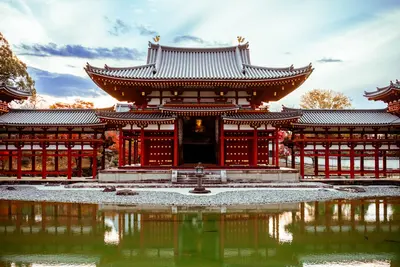
    Uji, located south of Kyoto, is inextricably linked with Japanese tea culture and a rich history. Here you'll find two UNESCO World Heritage Sites: the impressive Byodo-in Temple with its Phoenix Hall, and the Ujigami Shrine, considered Japan's oldest Shinto shrine. The city also plays a central role in Murasaki Shikibu's "The Tale of Genji," vividly presented at the Tale of Genji Museum. Along the Uji River, you can enjoy a tranquil atmosphere and discover numerous traditional tea shops. Try the local Matcha; spring or autumn offer pleasant weather and moderate visitor numbers for a relaxed exploration.
    Kansai

    Kansai

    The Kansai region in western Japan is the cultural and historical heart of the country. Here you will find a fascinating mix of ancient traditions, vibrant metropolises, and breathtaking nature, which offers a unique travel experience. Discover the cradle of Japanese culture with its imperial palaces, shrines, and gardens.
    Nara

    Nara

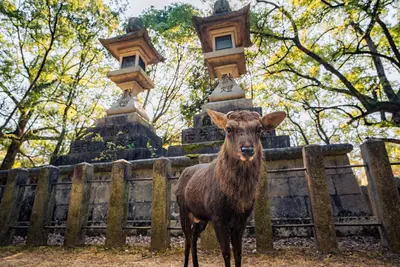
    Nara, Japan's first permanent capital, combines rich history with a unique natural experience. In Nara Park, you'll encounter thousands of free-roaming Sika deer, revered as messengers of the gods. The central highlight is the Todai-ji Temple, with its Great Buddha Hall and one of the largest bronze statues worldwide. Also visit the colorful Kasuga Taisha Shrine, known for its lanterns and its integration into the forest landscape. Visiting the temples early in the morning ensures a calmer experience. Additionally, explore the Naramachi area for traditional handicrafts and local specialties.
    Osaka

    Osaka

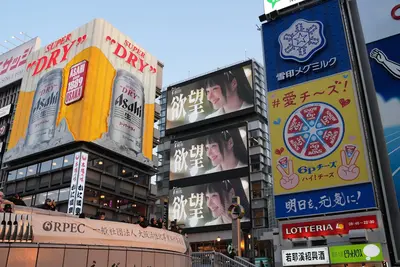
    Osaka presents itself as a vibrant metropolis with a distinct food culture that clearly sets it apart from other Japanese cities. Your visit takes you to the pulsating Dotonbori, where neon signs like the Glico Man line the canals and countless restaurants embody the "Kuidaore" philosophy. The majestic Osaka Castle also offers deep insights into Japan's feudal era. Discover the retro-futuristic Shinsekai district with its iconic Tsutenkaku Tower or explore modern architecture in Umeda. To fully savor the culinary diversity, you should plan an evening stroll through Dotonbori and try local specialties like Takoyaki and Okonomiyaki. The spring and autumn months are ideal for pleasant exploration without the largest tourist crowds.