Fernweh: Home
    ExploreTravel GuidesPlan a tripMy tripLast visited
    de|en
    All Places & RegionsAll highlightsAbout FernwehFAQPrivacy PolicyImprint
    ExploreTravel GuidesPlan a tripMy tripLast visited
    • Why go
    • Highlights
    • Explore regions
    • Round trips
    • Local food
    • Good to know
    • Best time to visit
    • Travel advice
    Japan

    Travel Guide Japan

    Japan combines centuries-old temples and shrines with metropolises like Tokyo and Osaka, alpine landscapes with subtropical islands – and a food culture that is among the most diverse in the world.

    by Felix Gillen

    Contents

    • Why go
    • Highlights
    • Explore regions
    • Round trips
    • Local food
    • Good to know
    • Best time to visit
    • Travel advice

    Why Go To Japan?

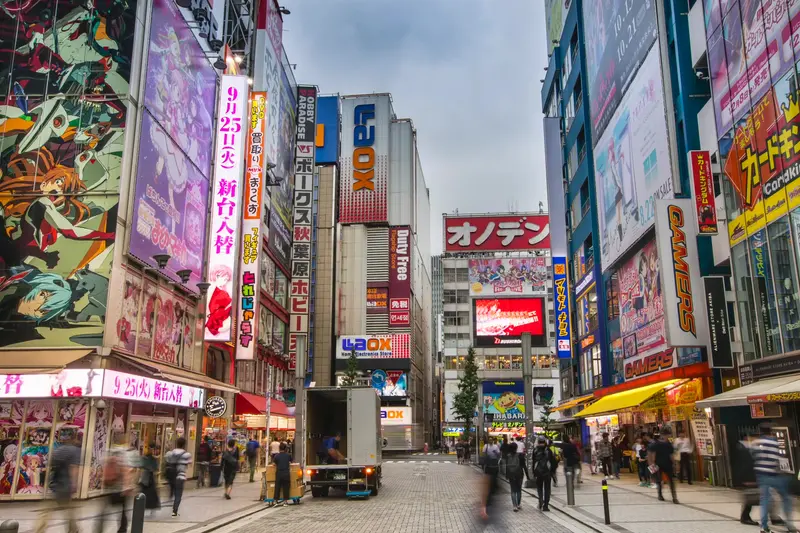
    Japan combines diverse worlds in a compact space: Tokyo's neon districts, Kyoto's temples and gardens, Hokkaido's snowy mountains, and Okinawa's coral reefs. Add to this a food culture from noodle bars to Kaiseki; a punctual rail network reaching most corners; and daily life where consideration and hospitality are palpable.

    Where in Japan?

    Pick a region. The highlights, road trips and places below follow your choice.

    Tokio
    Highlight 1 of 8

    Tokio

    Tokyo is Japan's capital and one of the world's largest metropolitan areas. Between skyscraper districts like Shinjuku and Shibuya are the Meiji Shrine, Sensō-ji in Asakusa, and narrow Izakaya alleys, where old Edo is still palpable.

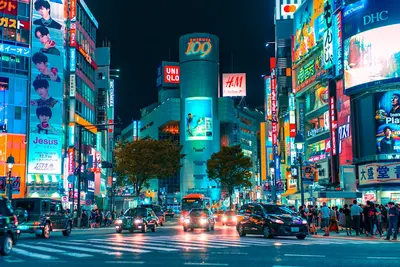
    Tokyo is an expansive metropolitan region that combines futuristic architecture with Japan's deeply rooted traditions. You'll discover vibrant districts like Shibuya with its famous crossing and the business hub Shinjuku, home to the Government Building for panoramic views.

    Discover
    Mount Fuji
    Highlight 2 of 8

    Mount Fuji

    At 3,776 meters, Mount Fuji is Japan's highest peak and, with its almost symmetrical cone shape, the country's most iconic image. Since 2013, the volcano has been a UNESCO World Heritage site – recognized as a sacred place and a source of artistic inspiration.

    Discover
    Kyoto City
    Highlight 3 of 8

    Kyoto City

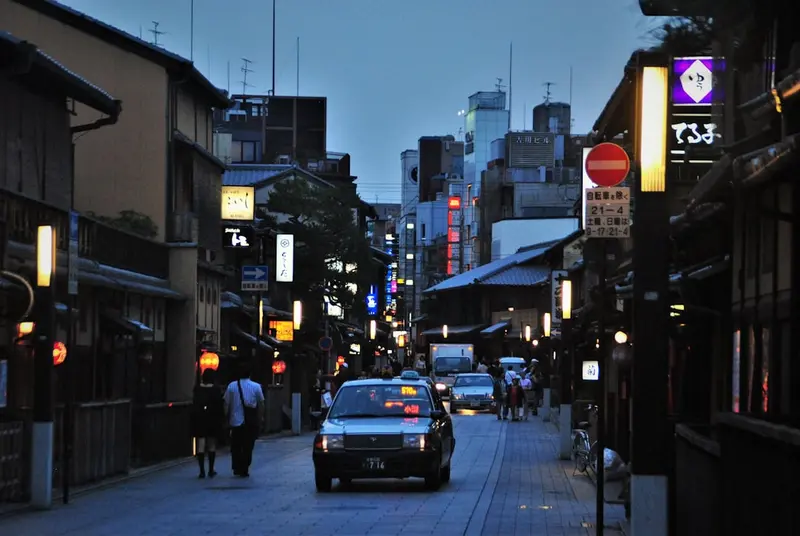
    Kyoto, once Japan's imperial capital for over a thousand years, still preserves its rich cultural and historical identity today. The city boasts over 2,000 Buddhist temples and Shinto shrines, traditional gardens, and the vibrant Geisha district of Gion.

    Discover
    Nara
    Highlight 4 of 8

    Nara

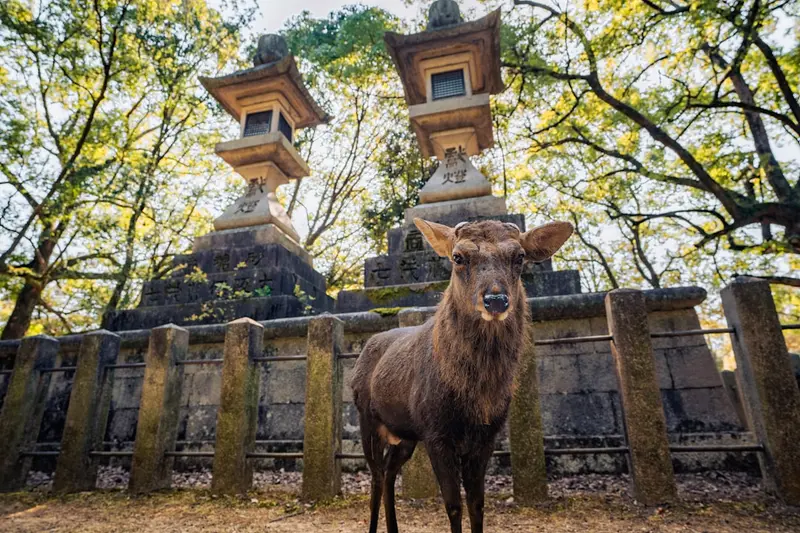
    Nara, Japan's first permanent capital, combines rich history with a unique nature experience. In Nara Park, you'll encounter over a thousand free-roaming Sika deer, revered as messengers of the gods.

    Discover
    Osaka
    Highlight 5 of 8

    Osaka

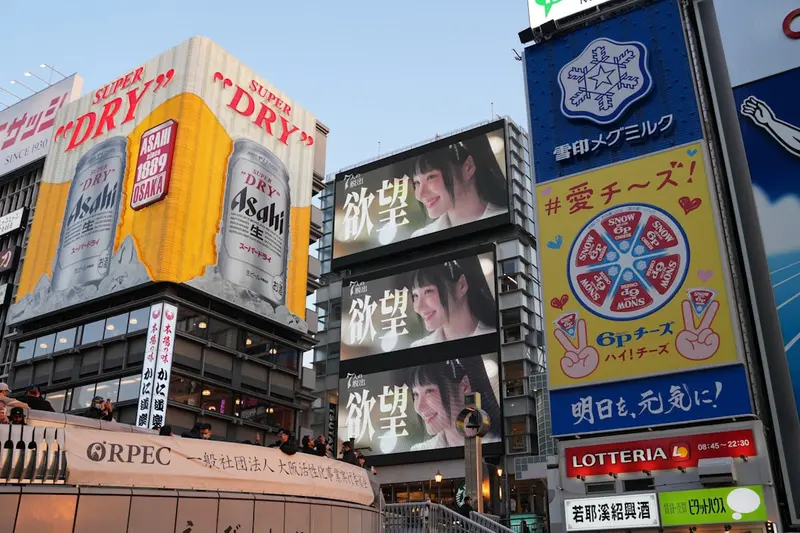
    Osaka presents itself as a vibrant metropolis with a distinct food culture that clearly sets it apart from other Japanese cities.

    Discover
    Himeji
    Highlight 6 of 8

    Himeji

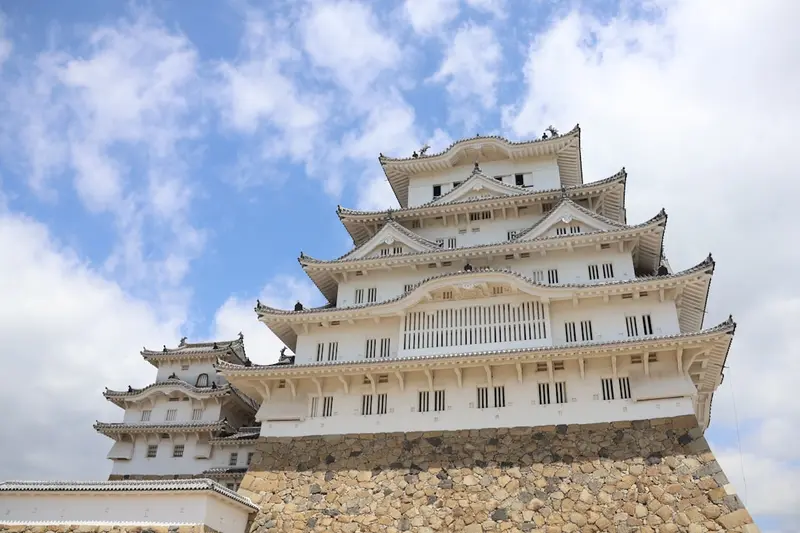
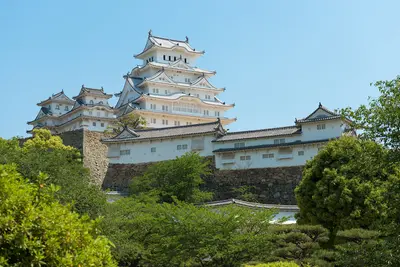
    Himeji is home to the magnificent Himeji-jō, one of Japan's best-preserved and most impressive Samurai castles, which is a UNESCO World Heritage site.

    Discover
    Hiroshima
    original photo: Dean S. Pemberton (derivative work: Torsodog) / Wikimedia Commons / CC BY-SA 4.0
    Highlight 7 of 8

    Hiroshima

    Hiroshima is a vibrant metropolis on the Seto Inland Sea, known worldwide for the atomic bombing on August 6, 1945.

    Discover
    Miyajima
    Jakub Hałun / Wikimedia Commons / CC BY 4.0
    Highlight 8 of 8

    Miyajima

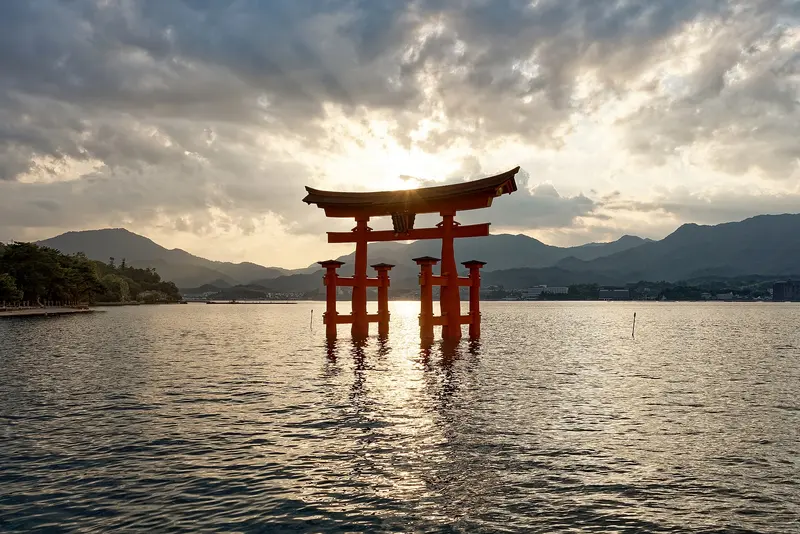
    Itsukushima Island, known as Miyajima, is a short ferry ride from Hiroshima. Its landmark is Itsukushima Shrine's great red Torii, appearing to float in the sea at high tide.

    Discover

    More highlights in Japan

    Unique experiences that make Japan unforgettable.
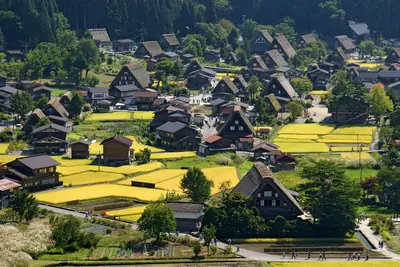
    Shirakawa-gō

    Shirakawa-gō

    The village of Ogimachi in the Shirakawa-gō Valley is known for its Gasshō-style farmhouses: Their steep thatched roofs resemble hands folded in prayer and bear heavy snow loads in winter. Together with Gokayama, it has been a UNESCO World Heritage site since 1995.
    Kanazawa

    Kanazawa

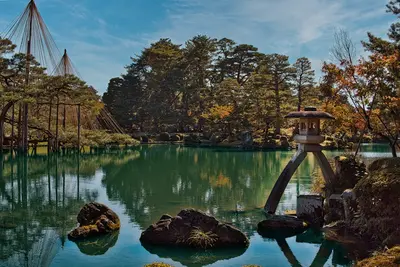
    Kanazawa lies on the coast of the Sea of Japan and is known for its well-preserved Edo-period districts. Right next to the castle park lies the Kenroku-en , one of the "Three Great Gardens of Japan". Teahouse districts like Higashi Chaya and the Samurai district Nagamachi showcase traditional wooden houses and narrow alleys. At Ōmichō Market, you'll experience the local fish and agricultural culture, while the 21st Century Museum of Contemporary Art exhibits contemporary art. Kanazawa was spared from air raids during World War II, which is why many historic buildings and craft traditions like gold leaf production have been…
    Nikkō

    Nikkō

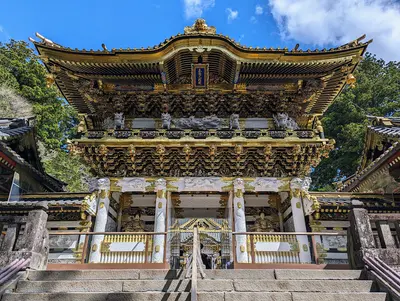
    Located in the mountains north of Tokyo, Nikkō combines two distinct aspects: In the valley lie the magnificent shrines and temples surrounding the Tōshō-gū, the mausoleum of Shogun Tokugawa Ieyasu, which together form a UNESCO World Heritage Site. Further up, within the National Park, are Lake Chūzenji and Kegon Waterfall.
    Hokkaido

    Hokkaido

    Hokkaido is the northernmost of Japan's four main islands, covering a fifth of the country's land area yet home to only four percent of its population. Volcanoes, primeval forests, and lakes characterize the island: In winter, skiers worldwide flock to Niseko for powder snow; in summer, lavender fields bloom around Furano. Other highlights include the capital Sapporo, the port city Hakodate, the wilderness of Shiretoko National Park, and the culture of the Ainu, Northern Japan's indigenous people.

    How to plan your trip to Japan

    From the guide to the road: here is what comes next.

    1. 1
      Sunrise over alpine peaks and a sea of clouds
      1234

      Round trip

      12 days · 4 stops

      Saved

      Pick a route

      Pick a ready-made one or save places and plan your own.

      Browse routes
    2. 2

      Trip to Japan

      Live
      • 1Tokio3 days
      • 2Mount Fuji4 days
      • 3Kyoto City5 days
      Budget

      Plan your trip

      The planner sorts stops, days and budget. Plan together in real time.

      Go to My Trips
    3. 3
      9:41 No signal
      Japan
      Available offline

      Use it on the road

      Download the guide to your phone and use it on site, even offline.

    Regions to Discover

    Explore the diverse regions of Japan.
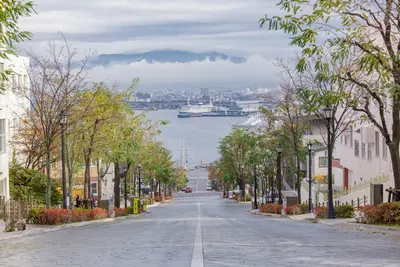
    Kanto

    The Kanto Region in eastern Honshu is Japan's economic and political center, including the Greater Tokyo Area, one of the world's largest metropolitan regions. Here, centuries-old traditions meet modern city culture. The region ranges from lively cities to national parks, mountains, and coastal towns.
    Chubu

    Chubu

    Welcome to Chubu, the impressive region in the heart of Japan, that will captivate you with its dramatic landscapes, deeply rooted traditions, and dynamic cities. Here you'll encounter majestic peaks of the Japanese Alps, the legendary presence of Mount Fuji, and a rich culinary scene shaped by regional specialties.
    Hokkaido

    Hokkaido

    Hokkaido is the northernmost of Japan's four main islands, covering a fifth of the country's land area yet home to only four percent of its population. Volcanoes, primeval forests, and lakes characterize the island: In winter, skiers worldwide flock to Niseko for powder snow; in summer, lavender fields bloom around Furano. Other highlights include the capital Sapporo, the port city Hakodate, the wilderness of Shiretoko National Park, and the culture of the Ainu, Northern Japan's indigenous people.
    Kansai

    Kansai

    The Kansai region in western Japan is the cultural and historical heart of the country. Here you will find a fascinating mix of ancient traditions, vibrant metropolises, and breathtaking nature, which offers a unique travel experience. Discover the cradle of Japanese culture with its imperial palaces, shrines, and gardens.
    Kyushu

    Kyushu

    Kyushu, the southernmost of Japan's four main islands, charms you with a captivating blend of seething volcanoes, healing hot springs, and a deeply rooted culture. You'll find a landscape of dramatic natural beauty, from lush mountains to subtropical coasts, paired with excellent regional cuisine that pampers both palate and soul.
    Okinawa

    Okinawa

    Okinawa, a subtropical island prefecture of Japan, welcomes you with a unique mix of Ryukyu culture, unspoiled beaches and a turbulent history. Here you will find turquoise water and lush greenery, ideal for relaxation and exploring.
    Setouchi

    Setouchi

    The Setouchi region, nestled around the tranquil Seto Inland Sea, enchants you with its unique blend of breathtaking nature, vibrant art scene, and rich culinary tradition. Discover a world of several hundred islands, many of which are home to art installations and traditional fishing villages.Enjoy the mild climate, the fresh sea breeze, and the exquisite local cuisine that reflects the soul of this special place.
    Shikoku

    Shikoku

    Welcome to Shikoku, the smallest of Japan's four main islands, a place that will captivate you with its rugged nature, deeply rooted spirituality, and unparalleled tranquility. Here you can experience the famous 88-temple pilgrimage, explore secluded valleys, or savor its unique cuisine, especially Udon noodles.

    Tohoku

    Die Region Tohoku, im Norden Honshus gelegen, ist ein Landstrich von atemberaubender Naturschönheit, reicher Geschichte und einzigartiger Kultur. Sie lädt dich ein, die unberührte Wildnis, traditionelle Feste und eine tief verwurzelte Gastfreundschaft abseits der bekannten Touristenpfade Japans zu erleben.
    Tokio

    Tokio

    Tokyo is Japan's capital and one of the world's largest metropolitan areas. Between skyscraper districts like Shinjuku and Shibuya are the Meiji Shrine, Sensō-ji in Asakusa, and narrow Izakaya alleys, where old Edo is still palpable. The prefecture also includes forested Tama Region mountains to its west, and the Izu and Ogasawara Islands out in the Pacific.

    Recommended Itineraries

    Discover the best routes through Japan.
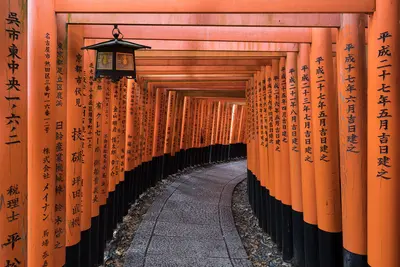
    Goldene Route – Tokyo, Hakone, Kyoto

    Goldene Route – Tokyo, Hakone, Kyoto

    The route runs from Tokyo to Hakone's thermal mountains, offering Fuji views, then continues to Kyoto. From Tokyo to Hakone, it's about a 90-minute ride on the Romancecar. From Odawara, the Shinkansen will take you to Kyoto in just over two hours.

    8 Days
    Stops at a glance
    1. 1.Tokio
    2. 2.Hakone
    3. 3.Kyoto City
    View Route Details →
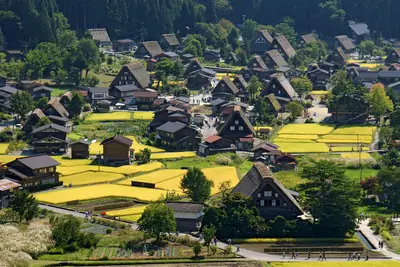
    Kansai – Tempel, Pilger, Meister

    Kansai – Tempel, Pilger, Meister

    The route begins at Himeji Castle, leads via Osaka to Kyoto, continues to the temples and deer of Nara, and ends on the monastery mountain Koyasan. You travel all stages by train; from Himeji to Osaka, the Shinkansen takes about 30 minutes. To Koyasan from Nara, it's about two and a half hours with transfers and a cable car.
    10 Days
    5 stops
    Japanische Alpen – Samurai, Sake, Stille

    Japanische Alpen – Samurai, Sake, Stille

    From Tokyo, you travel by train or direct bus in five to six hours to Takayama, and then by bus via the thatched-roof village of Shirakawa-go to Kanazawa. The Hokuriku Shinkansen takes you back to Tokyo in about two and a half hours.
    8 Days
    3 stops
    Kyushu – Volcanoes, Hot Springs and Castles

    Kyushu – Volcanoes, Hot Springs and Castles

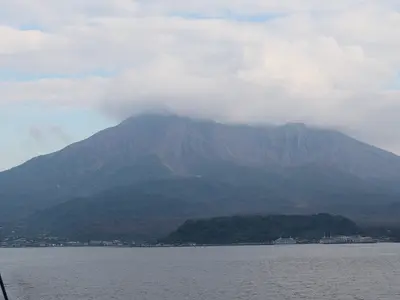
    The route begins in Fukuoka, continues to Beppu's east coast hot springs, through the Aso-Caldera to Kumamoto, and ends in Kagoshima opposite Sakurajima. From Fukuoka to Beppu, the Limited Express Sonic takes about two hours; from Beppu to Kumamoto, a long-distance bus via Aso takes a good four hours. The Kyushu-Shinkansen connects Kumamoto and Kagoshima in just under an hour.
    10 Days
    4 stops
    Hokkaido – Japans wilder Norden

    Hokkaido – Japans wilder Norden

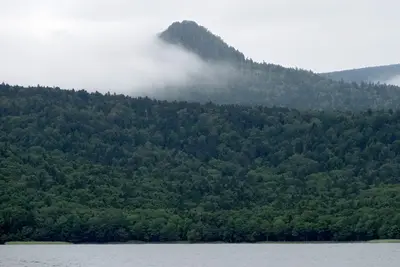
    The route begins in Hakodate at the southern tip, which you reach from Tokyo via the Hokkaido-Shinkansen, and continues by train to Otaru and Sapporo. From Sapporo, you drive about four hours to Kushiro and then proceed by bus or rental car to Lake Akan.

    8 Days
    4 stops

    What you eat in Japan

    Sushi

    Sushi

    Vinegar rice with raw fish

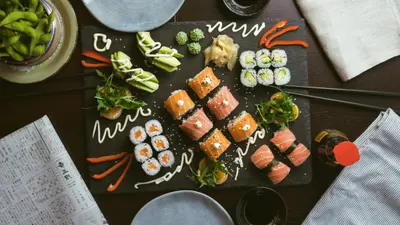
    Vinegared rice, combined with raw fish, seafood, or vegetables – hand-formed as Nigiri or rolled as Maki in nori seaweed. The spectrum ranges from conveyor-belt restaurants (Kaiten-zushi) to omakase counters, where the chef serves piece by piece according to the season. Traditionally, you eat Nigiri with your fingers and dip the fish side, not the rice, into soy sauce.
    Ramen

    Ramen

    Noodle soup

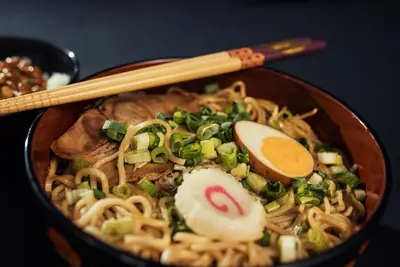
    Wheat noodles in a rich broth, which varies greatly by region: Tonkotsu made from pork bones in Fukuoka, Miso-Ramen in Sapporo, clear Shoyu broth in Tokyo. Many ramen shops are small; you often order via a ticket machine at the entrance. Slurping is expressly customary.
    Tempura

    Tempura

    Deep-fried vegetables and seafood in batter

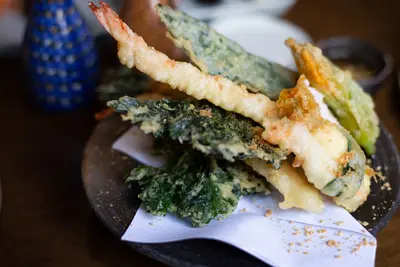
    Shrimp, fish, and vegetables, briefly deep-fried in a very thin, ice-cold batter, ensuring the coating remains light and crispy. Served with Tentsuyu dip and grated radish, or simply salt. In specialized Tempura restaurants, the chef fries each piece individually before your eyes.
    Okonomiyaki

    Okonomiyaki

    Our Savory Pancake

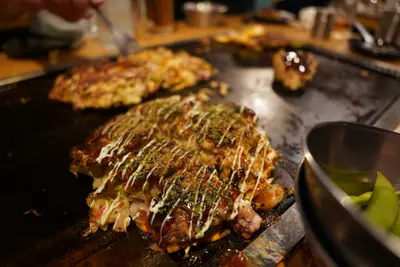
    A pancake made from batter and white cabbage, topped with pork, seafood, or cheese, and garnished with sweet-savory sauce, mayonnaise, and bonito flakes. In Osaka, everything is mixed and fried; in Hiroshima, it's layered with noodles. Often, you cook it yourself on the hot plate at your table.
    Kaiseki

    Kaiseki

    Multi-course gala menu

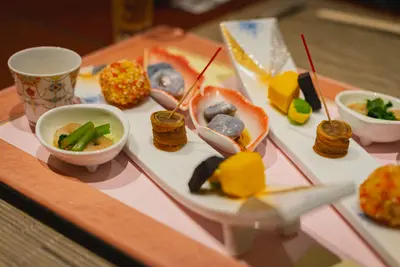
    Japan's haute cuisine: a multi-course meal of small, seasonal dishes, served on selected tableware. Kaiseki originated in Kyoto and the tea ceremony. Best experienced at dinner in a ryokan, often included in the room rate.
    Soba

    Soba

    Buckwheat noodles

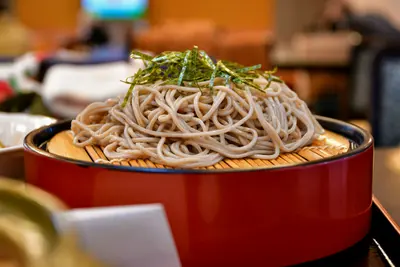
    Thin buckwheat noodles, served cold on a bamboo mat (Zaru-Soba) with dip in summer, and hot in broth in winter. Handmade Soba from mountainous regions like Nagano are particularly prized. At the meal's end, you often receive the cooking water (Soba-yu) to mix with the remaining dip and drink.

    Good to Know

    Essential info for your trip planning.

    Land & People

    In Japan, you'll encounter a society where consideration, politeness, and the pursuit of harmony (Wa) shape daily life.

    History & Society

    A Long and Multifaceted History Japan's history is characterized by phases of isolation and intense exchange,…

    Food & Drink

    Die Esskultur Japans verstehen Die japanische Küche, auch Washoku genannt, ist für ihre Raffinesse, ihre saisonalen…

    Practical Info

    Entry & Visa For short tourist stays, German, Austrian, or Swiss passport holders currently do not need a visa.

    Getting Around

    Arrival The main international airports are Tokyo-Haneda (HND) and Tokyo-Narita (NRT), as well as Osaka-Kansai (KIX).

    RV Travel

    With an RV in Japan, you can reach landscapes that are difficult to access by train and bus – especially in Hokkaido…

    Traveling with Kids

    Japan as a Family Travel DestinationJapan is great for families with children.

    Best Time to Visit

    When is the best time for your trip?

    April
    May
    October
    November
    12–19°C·70–130 mm(heavy rain)
    Diese Monate bieten meist mildes und angenehmes Wetter mit wenig Niederschlag. Im Frühling (April, Mai) blühen die Kirschblüten, im Herbst (Oktober, November) fasziniert die Laubfärbung. Die Temperaturen sind ideal für Sightseeing.
    Das Klima in Japan ist aufgrund seiner starken Nord-Süd-Ausdehnung und topografischen Vielfalt äußerst unterschiedlich und wird maßgeblich von Monsunwinden beeinflusst.Vier ausgeprägte Jahreszeiten: Japan ist bekannt für seine deutlichen Frühlings-, Sommer-, Herbst- und Wintermonate.Regionale Unterschiede:Hokkaido (Norden): Subarktisches Klima mit langen, kalten Wintern und viel Schnee; kühle Sommer.Pazifikküste (Taiheiyō-Seite): Heiße, feuchte Sommer (beeinflusst vom Pazifik-Hochdruckgebiet) und relativ trockene, milde Winter. Die hier angegebenen monatlichen Daten sind eher repräsentativ für diese Region (z.B. Tokio, Kyoto, Osaka).Japanisches Meer (Nihonkai-Seite): Kalte, stürmische Winter mit sehr starken Schneefällen durch Winde aus Sibirien; Sommer sind heiß und feucht, aber tendenziell weniger extrem als an der Pazifikküste.Südwesten (Kyushu, Shikoku) & Ryukyu-Inseln (Okinawa): Subtropisches Klima mit milden Wintern und sehr heißen, feuchten Sommern. Die Regenzeit beginnt hier früher und dauert länger.Regenzeit (Tsuyu): Von Ende Mai/Anfang Juni bis Mitte Juli herrscht in den meisten Teilen Japans die „Tsuyu“ (Pflaumenregen)-Saison. Sie ist geprägt von hoher Luftfeuchtigkeit und häufigen, aber nicht immer starken Regenfällen. Hokkaido ist von der Tsuyu-Front weitgehend ausgenommen.Taifun-Saison: Zwischen August und Oktober ist das Risiko von Taifunen am höchsten, insbesondere im Süden und entlang der Pazifikküste. Diese können starken Regen, Wind und Störungen im Reiseverkehr verursachen.Sommer: Extrem heiß und feucht in weiten Teilen des Landes, insbesondere in Städten wie Tokio und Kyoto. Trotzdem ist dies eine beliebte Reisezeit für Festivals (Matsuri) und Strandbesuche.Winter: Ideal für Wintersport in den Bergregionen (z.B. Hokkaido, Japanische Alpen), während die Pazifikküste sonniger und kälter ist.Reisende sollten die regionalen Besonderheiten und die Jahreszeit bei der Planung berücksichtigen, um das beste Erlebnis zu gewährleisten.

    Seasons

    Jan
    Feb
    Mar
    Apr
    May
    Jun
    Jul
    Aug
    Sep
    Oct
    Nov
    Dec
    Hauptsaison (Frühling & Herbst)
    Regenzeit (Tsuyu)
    Hauptsaison (Sommer)
    Übergangszeit
    Nebensaison (Winter)
    Best Time to Visit
    ▶Show detailed monthly data
    MonthTemp (°C)Rain (mm)Sun (h)
    January5.0506.0
    February6.0606.0
    March9.01005.5
    April14.01206.0
    May19.01306.5
    June23.01704.5
    July26.01605.0
    August28.01506.5
    September24.02004.5
    October18.01105.5
    November12.0705.5
    December7.0506.0

    Travel advice

    Safety, entry requirements and health: the official, up-to-date advice for Japan is published by the UK government on GOV.UK.

    Go to GOV.UK

    Sources & method

    • Photos: Wikimedia Commons, Unsplash, Pexels, further sources, credited on the image. Each photo carries its credit.
    • The content is based on web research from public, traceable sources. How the content is made · The role of AI
    Felix at Kuirau Park in Rotorua, New Zealand

    Who's behind Fernweh?

    Hi, I'm Felix.

    I love to travel, and I love planning even more. Fernweh.guide is my attempt at building a really good online travel guide.

    About Fernweh

    All places in Japan

    • Akan
    • Amanohashidate & Tango Peninsula
    • Aomori
    • Arashiyama
    • Beppu
    • Chubu
    • Dewa Sanzan
    • Fukuoka
    • Furano & Biei
    • Hakodate
    • Hakone
    • Hida Takayama
    • Himeji
    • Hiroshima
    • Hokkaido
    • Ishigaki-jima
    • Iya-Tal
    • Izu-Inseln
    • Kagoshima
    • Kamakura
    • Kanazawa
    • Kansai
    • Kanto
    • Kerama-Inseln
    • Kobe
    • Koyasan (Berg Koya)
    • Kumamoto
    • Kyoto City
    • Kyushu
    • Matsushima Bucht
    • Matsuyama
    • Miyajima
    • Miyako-jima
    • Mount Fuji
    • Nagasaki
    • Nagoya
    • Naha
    • Naoshima
    • Nara
    • Nikkō
    • Niseko
    • Ogasawara-Inseln
    • Okinawa
    • Osaka
    • Otaru
    • Sapporo
    • Sendai
    • Setouchi
    • Shikoku
    • Shirakami Sanchi
    • Shirakawa-gō
    • Shiretoko Nationalpark
    • Shodoshima
    • Takamatsu
    • Tama-Region
    • The Japanese Alps
    • Tohoku
    • Tokio
    • Toya-See & Noboribetsu
    • Uchiko
    • Uji
    • Yakushima
    • Yamadera
    • Yokohama

    More about Japan

    • Best Time to Visit Japan
    • Japan with Kids