Fernweh
    ExploreTravel GuidesMy Trips
    de|en
    About FernwehImprintFAQPrivacy Policy
    ExploreTravel GuidesMy Trips
    Toya-See & Noboribetsu

    Toya-See & Noboribetsu

    City
    1. Home
    2. Destinations
    3. Japan
    4. Hokkaido
    5. Toya-See & Noboribetsu
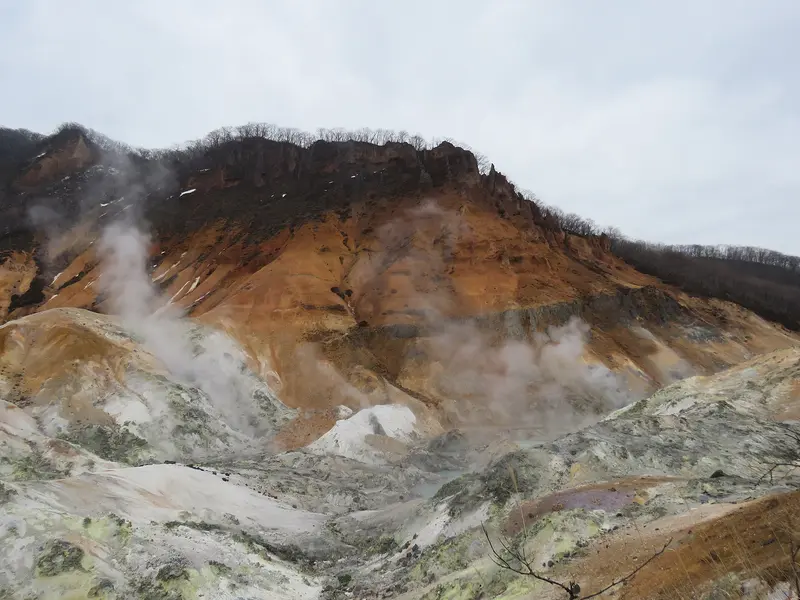
    The region around Lake Toya and Noboribetsu in Hokkaido offers a fascinating blend of volcanic landscapes and relaxing onsen culture. At Lake Toya, a crater lake, you can enjoy picturesque views, explore Nakajima Island, or take a ropeway up active Mount Usu to observe its geological activity. Noboribetsu is renowned for its Jigokudani, the "Hell Valley", where you'll experience sulfurous steam and bubbling springs up close, a testament to the region's intense volcanic activity. The hot springs here are among Japan's best, offering perfect relaxation after a day in nature. It's best to visit Noboribetsu in the cooler months to enjoy the full onsen experience, while Lake Toya entices with daily fireworks in summer. Plan at least one full day for both locations to truly appreciate their uniqueness.
    • Neighborhoods & highlights
    • Eat & drink
    • Culture
    • Getting around
    • Accommodation
    • Plan trip
    • Nearby
    • Neighborhoods & highlights
    • Eat & drink
    • Culture
    • Getting around
    • Accommodation
    • Plan trip
    • Nearby

    Overview

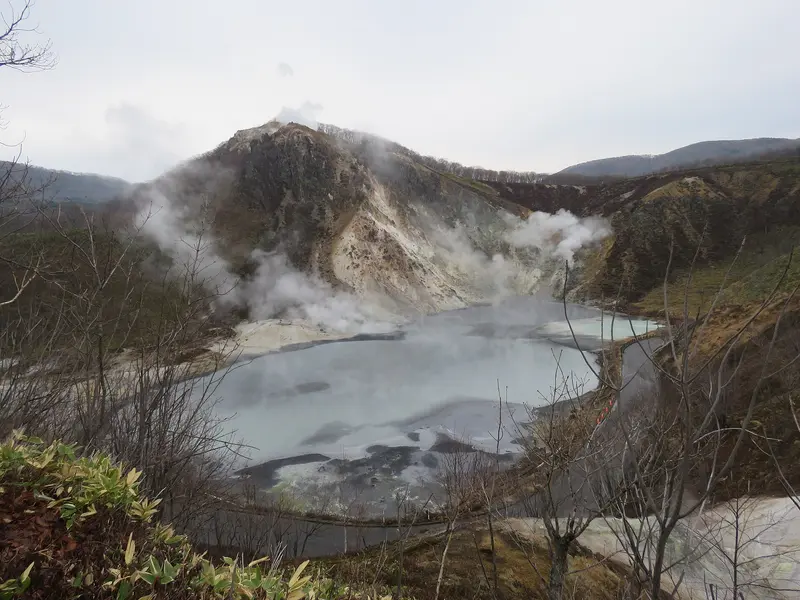
    The region around Lake Toya and Noboribetsu on Hokkaido is a hotspot of volcanic activity and rich Onsen culture. At picturesque Lake Toya, you can take a boat trip to the islands and overlook the active volcano Usu, whose eruptions shaped the landscape. In Noboribetsu, the Jigokudani, also known as Hell Valley, impresses with spectacularly rising sulfurous fumes and hot springs. This natural phenomenon is the basis for the traditional Onsen, which have served for relaxation here for centuries, with a walk along the Oyunuma River offering a natural bathing experience. For the best view of the volcanic activity and autumn foliage, a visit in October is recommended.

    Places in Toya-See & Noboribetsu

    Discover the most important sights and attractions

    Sights in Toya-See & Noboribetsu

    Karurusu Ice Bamboo

    Attraction in G3RP+H8.
    Open in Google Maps

    Oyunuma Pond

    Park in Noboribetsuonsencho.
    Open in Google Maps

    砥石の沢

    Attraction in Morino.
    Open in Google Maps

    Noboribetsu Jigokudani Valley

    Spektakulärer Krater mit brodelnden Schwefelquellen, Fumarolen und Wanderwegen.
    Open in Google Maps

    鬼火の路 幻想と神秘の谷

    Attraction in F4XX+8C.
    Open in Google Maps

    Essen & Trinken

    Culture and History at Lake Toya and in Noboribetsu

    The region around Toya Lake and Noboribetsu in Hokkaido is deeply connected to the island's volcanic activity and the history of its **indigenous Ainu people**. Before modern Japanese settlement, the Ainu shaped the land for centuries with their rich oral tradition, spiritual connection to nature, and unique craftsmanship. Their cultural traces are still visible today in museums and memorials, which shed light on the history and way of life of these indigenous people.The development into the renowned **Onsen resorts** began significantly in the Meiji and Taisho eras, when the healing effects of the hot springs were discovered and the first bathhouses and traditional ryokans emerged. Although today's architecture is often dominated by modern hotel buildings, many ryokans preserve elements of traditional Japanese architecture and bathing culture. Local specialties, in addition to **Onsen etiquette**, also include festivals celebrating volcanic nature or the seasons, reflecting the residents' close relationship with their surroundings.

    Exploring locally

    The region around Lake Toya and Noboribetsu, characterized by stunning nature, primarily relies on bus services for getting around. Metro or subway systems are not available here. Local bus lines efficiently connect train stations, such as Toya and Noboribetsu-Higashi, with major attractions and accommodations, including the famous Noboribetsu Onsen area and the picturesque shores of Lake Toya. For convenient bus travel, purchasing a rechargeable IC card like Suica or Pasmo, which is accepted throughout Japan, is recommended. Alternatively, day or multi-day passes are often available at bus terminals and tourist information centers. While bicycles and e-scooters can be rented in some areas for short explorations, taxis offer a direct, albeit more expensive, option for specific journeys, with ride-sharing services being rather uncommon. Many hot springs, viewpoints, and promenades are excellently accessible on foot, allowing for an immersive nature experience – remember to wear comfortable footwear. For the greatest independence and to discover more secluded natural beauties, a rental car is the most recommended choice, offering maximum flexibility.

    Accommodations in Toya-See & Noboribetsu

    Accommodations in Toya-See & Noboribetsu

    Find perfect stay in Toya-See & Noboribetsu

    Booking.com
    Search Hotels
    Agoda
    Search Hotels
    Airbnb
    Vacation Rentals
    Hotels.com
    Hotels Worldwide
    Hostelworld
    Hostels

    Plan your trip to Toya-See & Noboribetsu

    Save places, build a route and plan your city trip — all in one place.

    Save places

    Bookmark sights, restaurants and neighborhoods you're interested in.

    Build your route

    Turn your bookmarks into a route — define order, days and budget.

    Refine with AI

    Let Mein Fernweh suggest experiences and put together a tailored daily plan.

    Start trip planningOpen bookmarks

    Locations nearby

    These places are nearby — perfect for additional days or a day trip.

    Niseko

    Niseko

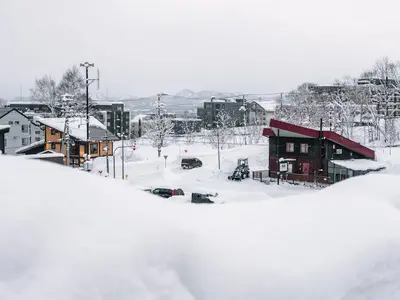
    Niseko, located on Hokkaido, is a world-renowned ski resort, celebrated for its exceptional powder snow and diverse winter sports opportunities. The four main resorts – Hirafu, Hanazono, Niseko Village, and Annupuri – are connected under Niseko United, offering not only groomed slopes but also extensive off-piste and backcountry options. The majestic Mount Yotei always accompanies your view. After a day on the snow, traditional Onsen invite you to relax, a fundamental part of Japanese bathing culture. The culinary scene ranges from local Ramen to international restaurants featuring fresh regional produce. For the best snow conditions, ideally visit between January and mid-February. Practical tip: Utilize the local shuttle buses for convenient travel between resorts and restaurants.
    Sapporo

    Sapporo

    Sapporo, Hokkaido's capital, presents itself as a modern metropolis with wide avenues and unique European city planning. You'll discover a rich history of beer brewing here, extensively documented in the Sapporo Beer Garden & Museum. The central Odori Park forms the city's green heart and hosts the famous Snow Festival in winter, while the Sapporo TV Tower offers panoramic views. Hokkaido's historic Government Building, known as the "Red Brick Office," testifies to the city's early development. In the evening, the lively entertainment district of Susukino invites exploration. For a pleasant exploration, visiting in the summer months of July and August is recommended, when the climate is mild. Be sure to try the local specialty Soup Curry or the famous Miso-Ramen, offered in many small eateries.
    Otaru

    Otaru

    Otaru on Hokkaido, a former port city, is known for its historic canal and Sakaimachi Street. The Otaru Canal with its red-brick warehouses bears witness to its heyday as an important trading hub. On Sakaimachi Street, you'll find specialty shops for glassware, music boxes, and local sweets. Visit the Otaru Music Box Museum and enjoy fresh seafood in the local sushi restaurants. An evening boat trip offers an atmospheric perspective of the canal under gas lamps. Otaru is particularly charming in winter during the Snow Light Festival or in colorful autumn.
    Hakodate

    Hakodate

    The port city of Hakodate in southern Hokkaido fascinates with its unique blend of historic charm and maritime atmosphere. The influence of Western cultures is particularly defining, visible in the elegant buildings of the Motomachi district and the former consulates. An absolute highlight is the ride up Mount Hakodate, whose spectacular night view is considered one of Japan's three most beautiful. The star-shaped fortress Goryokaku, a national historical landmark, tells of the Boshin War era and is especially impressive during cherry blossom season. Experience fresh fish and seafood at the lively Hakodate Morning Market (Asaichi), where you can sample local specialties. The historic Kanemori Red Brick Warehouses by the harbor now offer shops and restaurants in an atmospheric setting. For a relaxed exploration, a visit in spring or autumn is recommended to avoid crowds and enjoy clear views.
    Furano & Biei

    Furano & Biei

    The region around Furano and Biei in Hokkaido is renowned for its vast, gentle hilly landscapes and colorful flower fields. In Furano, the iconic lavender fields of Farm Tomita define the scenery, blooming fully from July to early August. Biei captivates with its agriculturally used "Patchwork Hills," stretching along scenic routes such as the Panorama Road. Another highlight is the mystical Blue Pond (Aoiike), whose unique coloration makes it a popular photo spot. Furano is also known for its cheese factory and as a significant ski resort in winter. To optimally explore the expansive landscapes, renting a car is recommended. The ideal time to visit for the flower spectacle is between mid-June and early August, while winter sports enthusiasts appreciate the region from December to March.