Fernweh
    ExploreTravel GuidesMy Trips
    de|en
    About FernwehImprintFAQPrivacy Policy
    ExploreTravel GuidesMy Trips
    Niseko

    Niseko

    City
    1. Home
    2. Destinations
    3. Japan
    4. Hokkaido
    5. Niseko
    Niseko, located on Hokkaido, is a world-renowned ski resort, celebrated for its exceptional powder snow and diverse winter sports opportunities. The four main resorts – Hirafu, Hanazono, Niseko Village, and Annupuri – are connected under Niseko United, offering not only groomed slopes but also extensive off-piste and backcountry options. The majestic Mount Yotei always accompanies your view. After a day on the snow, traditional Onsen invite you to relax, a fundamental part of Japanese bathing culture. The culinary scene ranges from local Ramen to international restaurants featuring fresh regional produce. For the best snow conditions, ideally visit between January and mid-February. Practical tip: Utilize the local shuttle buses for convenient travel between resorts and restaurants.
    • Neighborhoods & highlights
    • Eat & drink
    • Culture
    • Nightlife
    • Getting around
    • Accommodation
    • Plan trip
    • Nearby
    • Neighborhoods & highlights
    • Eat & drink
    • Culture
    • Nightlife
    • Getting around
    • Accommodation
    • Plan trip
    • Nearby

    Overview

    Niseko, located on the northern island of Hokkaido, is internationally renowned for its exceptional powder snow, attracting winter sports enthusiasts from around the globe. The region comprises four main resorts – Grand Hirafu, Niseko Village, Annupuri, and Hanazono – which are interconnected by a lift network, offering access to diverse slopes. Off the slopes, you can relax in the numerous Onsen, traditional Japanese hot springs that are particularly soothing after a day of skiing. In summer, Niseko transforms into a paradise for outdoor activities; you'll find excellent conditions for hiking, mountain biking, and rafting with views of the striking Mount Yotei. The local gastronomy scene benefits from Hokkaido's fresh produce, offering a wide selection from traditional Izakayas to upscale international restaurants. The best time for winter sports is from December to March, while you can enjoy the green landscape and mild temperatures in July and August.

    Places in Niseko

    Discover the most important sights and attractions

    Sights in Niseko

    Hanazono Bell

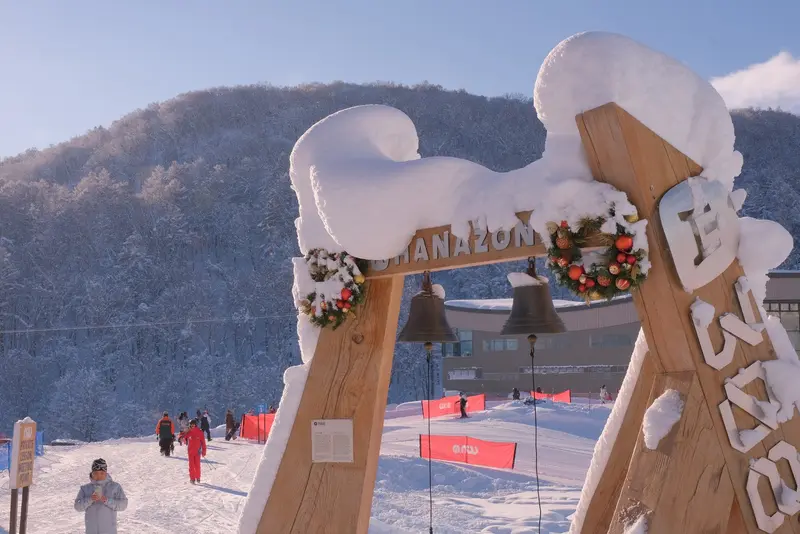
    Die Hanazono Bell, hoch oben im Skigebiet Niseko Hanazono gelegen, ist ein markanter Orientierungspunkt und ein geschätzter Aussichtspunkt. Du erreichst sie bequem an der Bergstation des Hanazono Lift 1, von wo aus sich eine beeindruckende Perspektive auf die umliegende Landschaft eröffnet. Es hat sich die Tradition entwickelt, die Glocke zu läuten, oft von Paaren, die sich Glück oder ewige Liebe wünschen, was der Hanazono Bell eine romantische und symbolische Bedeutung innerhalb der lokalen Resort-Kultur verleiht. Von hier aus genießt du einen unvergleichlichen Panoramablick auf den majestätischen Berg Yotei, oft als „Fuji von Hokkaido“ bezeichnet, und die weiten Schneefelder. Für das beste Foto und eine ruhigere Atmosphäre empfehlen wir dir, die Glocke entweder am frühen Morgen oder kurz vor Liftschluss zu besuchen. Achte stets auf einen klaren Tag, um die volle Pracht der Aussicht zu erleben.
    Open in Google Maps

    Twin Peaks Bike Park Niseko

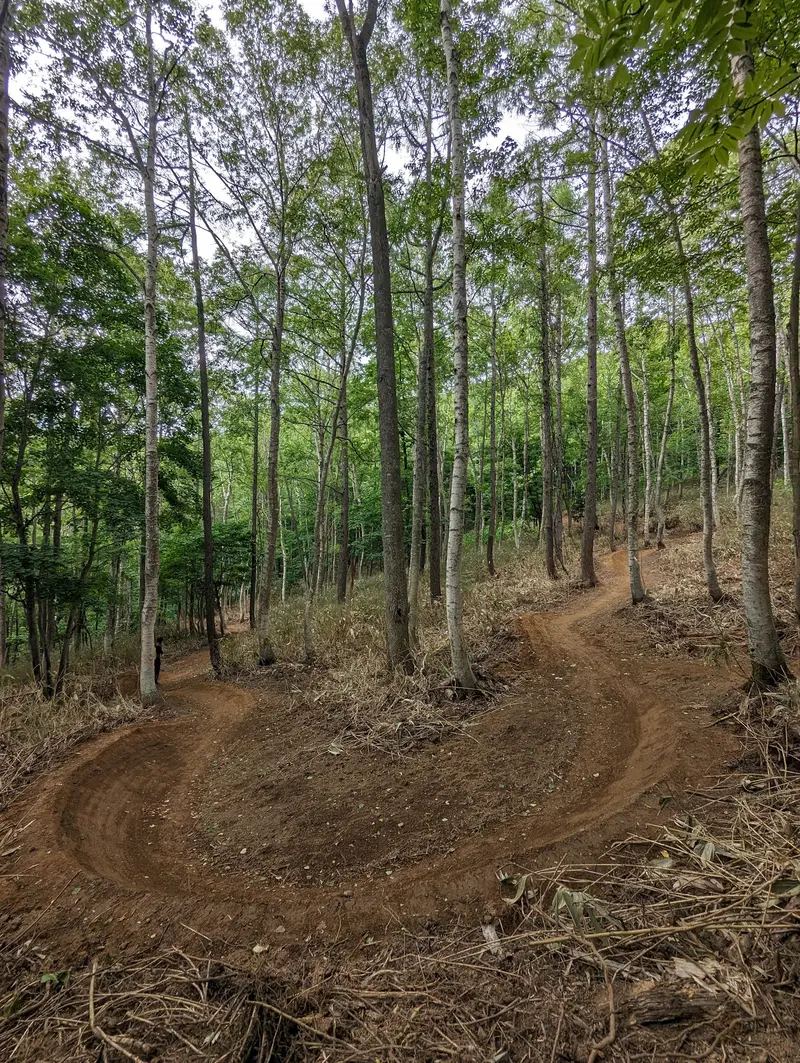
    Der Twin Peaks Bike Park Niseko ist ein Paradebeispiel für die ganzjährige Nutzung der alpinen Landschaft Nisekos, die traditionell stark vom Wintersport geprägt ist. Er bietet eine Vielzahl an speziell angelegten Mountainbike-Strecken, die sich durch die dichten Wälder und über die natürlichen Hänge des Niseko Annupuri erstrecken. Du findest hier sowohl anspruchsvolle Downhill- und Enduro-Strecken, die technisches Können erfordern, als auch flowige Trails, die ideal für Cross-Country-Fahrer sind. Die Nutzung der vorhandenen Sessellifte ermöglicht einen bequemen Aufstieg zu den verschiedenen Startpunkten, von denen aus du oft spektakuläre Ausblicke auf den majestätischen Berg Yotei und die umliegende Landschaft genießen kannst. Der Park trägt somit wesentlich zur Etablierung Nisekos als vielseitige Sommerdestination bei. Ein praktischer Tipp: Um die Menschenmassen zu vermeiden und die Trails in Ruhe zu genießen, empfiehlt sich ein Besuch an einem Wochentag im Spätsommer oder frühen Herbst (August/September), wenn das Wetter meist stabil und angenehm ist. Achte stets auf das Tragen geeigneter Schutzausrüstung, die du auch vor Ort ausleihen kannst.
    Open in Google Maps

    Kutchan Catholic Church

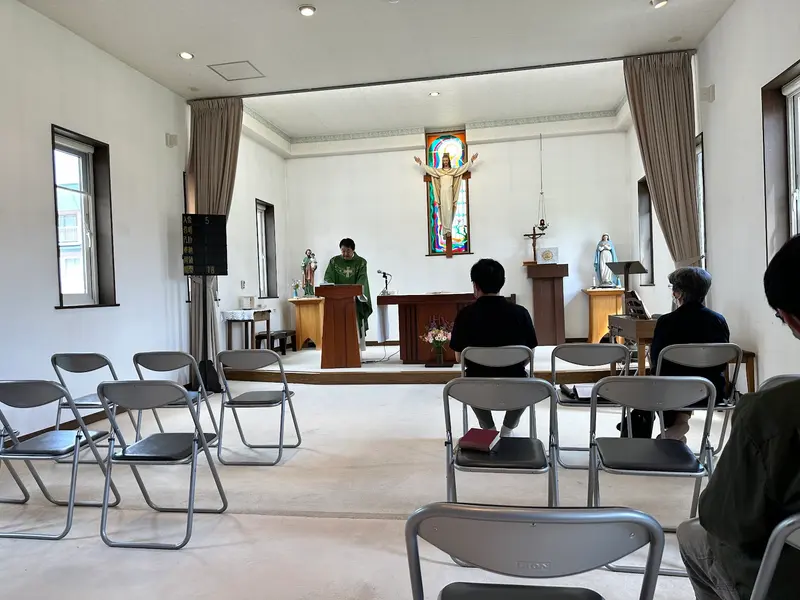
    Die Kutchan Catholic Church in Niseko dient als spiritueller Ankerpunkt für die lokale christliche Gemeinschaft und die vielen internationalen Besucher der Region. Ihre moderne Architektur fügt sich unaufdringlich in das Stadtbild ein und bietet einen Ort der Ruhe und Besinnung. Obwohl sie keine jahrhundertealte Geschichte aufweist, repräsentiert die Kirche die Vielfalt des religiösen Lebens in Japan und die Offenheit der Region Niseko. Im Inneren findest du einen schlichten, aber würdevollen Raum, der zur stillen Einkehr einlädt. Besonders im Winter, wenn die Umgebung schneebedeckt ist, strahlt das Gebäude eine besondere Gelassenheit aus. Wenn du die Kirche besuchst, achte bitte auf die Gottesdienstzeiten, um die Gläubigen nicht zu stören. Für eine schöne Außenaufnahme empfiehlt sich ein Besuch am späten Nachmittag, wenn das Licht weicher ist und eventuell die letzten Sonnenstrahlen auf die Fassade fallen.
    Open in Google Maps

    小助川翁の鐘

    Die 小助川翁の鐘 (Kosukegawa-ō no Kane), auch bekannt als die Glocke des alten Herrn Kosukegawa, ist ein bedeutendes lokales Denkmal in Niseko, das an einen der wichtigsten Pioniere der Region erinnert. Diese Glocke wurde zu Ehren von Kosukegawa Kichijiro errichtet, einer Schlüsselfigur, die maßgeblich zur Entwicklung der lokalen Landwirtschaft und Molkereiwirtschaft beigetragen hat. Sie symbolisiert den Geist des Fleißes und der Gemeinschaft, der Niseko über Generationen geprägt hat. Du findest die Glocke in einer beschaulichen und zugänglichen Umgebung, oft eingebettet in Grünflächen, die zum Verweilen einladen. Es ist üblich, die Glocke zu läuten, was als respektvolle Geste gegenüber den Gründervätern der Gemeinde verstanden wird und dir einen Moment der Reflexion ermöglicht. Unser Tipp: Für ein besonders stilles Erlebnis besuchst du die Glocke am besten außerhalb der Stoßzeiten, etwa am Vormittag oder späten Nachmittag. Die umliegende Parkanlage bietet zudem einen friedlichen Ort für eine kurze Pause und schöne Fotos mit der Glocke im Vordergrund.
    Open in Google Maps

    そもざ

    Inmitten der malerischen Landschaft von Niseko findest du そもざ, ein charmantes Lokal, das sich der Bewahrung und Präsentation der lokalen Hokkaido-Kultur widmet. Es ist kein historisches Monument im klassischen Sinne, sondern ein lebendiges Zeugnis der regionalen Gastfreundschaft und Handwerkskunst. Hier erlebst du eine authentische Seite Nisekos, abseits der belebten Pisten. そもざ ist bekannt für seine sorgfältig ausgewählten lokalen Produkte und die Zubereitung traditioneller Gerichte, die die Frische der Region widerspiegeln. Besucher können hier in einer entspannten Atmosphäre die kulinarische Vielfalt Hokkaidos entdecken und oft auch handgefertigte Souvenirs erwerben, die von lokalen Künstlern gefertigt wurden. Unser Tipp: Besuche そもざ zur Mittagszeit, um die Ruhe zu genießen und die Spezialitäten in aller Gelassenheit zu probieren. Achte auf die wechselnden saisonalen Angebote, die oft frische Zutaten direkt von den umliegenden Bauernhöfen nutzen. Dies ist der perfekte Ort, um eine Pause einzulegen und das echte Niseko zu schmecken.
    Open in Google Maps

    Restaurants in Niseko

    Niseko's Cultural Roots and Modern Influences

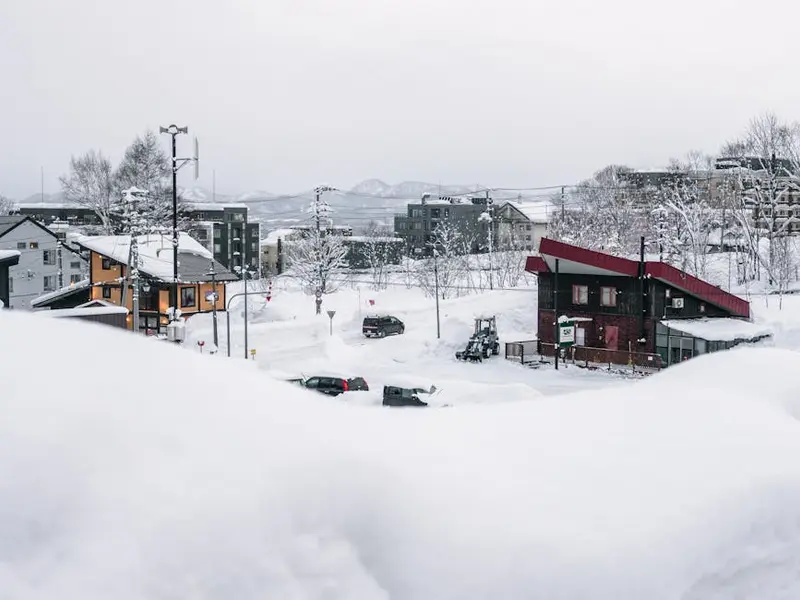
    Niseko, today world-renowned for its powder snow, looks back on a modest history as an agricultural region on Hokkaido. Originally, the area was settled by the Ainu, Hokkaido's indigenous inhabitants, whose influence is still discernible in some place names and the appreciation of nature. Niseko's modern development as a ski resort began after World War II but only gained momentum in the late 1990s and early 2000s with international involvement.Niseko's architecture is a mix of traditional Japanese wooden houses in the older villages and an increasingly contemporary aesthetic in the newer resort areas, often encompassing spacious chalets and modern hotels. Local traditions are closely linked to nature, with the deeply rooted Onsen culture particularly noteworthy, celebrating bathing in hot springs as an essential part of relaxation and well-being. Hokkaido's rich agriculture also shapes the culinary offerings, from fresh potatoes to dairy products.Niseko's cultural uniqueness lies in the fascinating synthesis of traditional Japanese hospitality, known as Omotenashi, and a strong international influence stemming from the multitude of foreign visitors and residents. This creates a dynamic atmosphere where global trends and local customs meet. Despite modern development, the surrounding rural communities continue to preserve their authentic character and offer a glimpse into traditional Japanese country life.

    Nightlife

    After a day on the slopes, Niseko offers diverse evening entertainment, ranging from cozy après-ski bars to traditional Japanese experiences. You'll find international lounges like The Bar & Cigar Lounge, but also local meeting points like Karaoke Utaya for an authentic Japanese night.

    On the go locally

    In Niseko, which spans several ski resorts and villages, the **bus is the primary mode of transport**. An efficient network of free shuttle buses connects the main resorts like Grand Hirafu, Niseko Village, and Annupuri during the winter season, often directly for lift pass holders. Local route buses are also available for travel between individual villages; **cash payment or local IC cards** are common here, while a subway or tram system does not exist in this alpine region.Taxis are a convenient, albeit more costly, alternative, especially for late-night trips or with luggage; ride-sharing services are less common. Individual village centers are pedestrian-friendly, but the distances between resorts are too great to cover on foot. In summer, **bicycles or e-scooters** are ideal for exploring the picturesque landscape. It is advisable to check bus schedules in advance, especially during peak season, to avoid waiting times.

    Accommodations in Niseko

    Accommodations in Niseko

    Find perfect stay in Niseko

    Booking.com
    Search Hotels
    Agoda
    Search Hotels
    Airbnb
    Vacation Rentals
    Hotels.com
    Hotels Worldwide
    Hostelworld
    Hostels

    Plan your trip to Niseko

    Save places, build a route and plan your city trip — all in one place.

    Save places

    Bookmark sights, restaurants and neighborhoods you're interested in.

    Build your route

    Turn your bookmarks into a route — define order, days and budget.

    Refine with AI

    Let Mein Fernweh suggest experiences and put together a tailored daily plan.

    Start trip planningOpen bookmarks

    Locations nearby

    These places are nearby — perfect for additional days or a day trip.

    Otaru

    Otaru

    Otaru on Hokkaido, a former port city, is known for its historic canal and Sakaimachi Street. The Otaru Canal with its red-brick warehouses bears witness to its heyday as an important trading hub. On Sakaimachi Street, you'll find specialty shops for glassware, music boxes, and local sweets. Visit the Otaru Music Box Museum and enjoy fresh seafood in the local sushi restaurants. An evening boat trip offers an atmospheric perspective of the canal under gas lamps. Otaru is particularly charming in winter during the Snow Light Festival or in colorful autumn.
    Toya-See & Noboribetsu

    Toya-See & Noboribetsu

    The region around Lake Toya and Noboribetsu in Hokkaido offers a fascinating blend of volcanic landscapes and relaxing onsen culture. At Lake Toya, a crater lake, you can enjoy picturesque views, explore Nakajima Island, or take a ropeway up active Mount Usu to observe its geological activity. Noboribetsu is renowned for its Jigokudani, the "Hell Valley", where you'll experience sulfurous steam and bubbling springs up close, a testament to the region's intense volcanic activity. The hot springs here are among Japan's best, offering perfect relaxation after a day in nature. It's best to visit Noboribetsu in the cooler months to enjoy the full onsen experience, while Lake Toya entices with daily fireworks in summer. Plan at least one full day for both locations to truly appreciate their uniqueness.
    Sapporo

    Sapporo

    Sapporo, Hokkaido's capital, presents itself as a modern metropolis with wide avenues and unique European city planning. You'll discover a rich history of beer brewing here, extensively documented in the Sapporo Beer Garden & Museum. The central Odori Park forms the city's green heart and hosts the famous Snow Festival in winter, while the Sapporo TV Tower offers panoramic views. Hokkaido's historic Government Building, known as the "Red Brick Office," testifies to the city's early development. In the evening, the lively entertainment district of Susukino invites exploration. For a pleasant exploration, visiting in the summer months of July and August is recommended, when the climate is mild. Be sure to try the local specialty Soup Curry or the famous Miso-Ramen, offered in many small eateries.
    Hakodate

    Hakodate

    The port city of Hakodate in southern Hokkaido fascinates with its unique blend of historic charm and maritime atmosphere. The influence of Western cultures is particularly defining, visible in the elegant buildings of the Motomachi district and the former consulates. An absolute highlight is the ride up Mount Hakodate, whose spectacular night view is considered one of Japan's three most beautiful. The star-shaped fortress Goryokaku, a national historical landmark, tells of the Boshin War era and is especially impressive during cherry blossom season. Experience fresh fish and seafood at the lively Hakodate Morning Market (Asaichi), where you can sample local specialties. The historic Kanemori Red Brick Warehouses by the harbor now offer shops and restaurants in an atmospheric setting. For a relaxed exploration, a visit in spring or autumn is recommended to avoid crowds and enjoy clear views.
    Furano & Biei

    Furano & Biei

    The region around Furano and Biei in Hokkaido is renowned for its vast, gentle hilly landscapes and colorful flower fields. In Furano, the iconic lavender fields of Farm Tomita define the scenery, blooming fully from July to early August. Biei captivates with its agriculturally used "Patchwork Hills," stretching along scenic routes such as the Panorama Road. Another highlight is the mystical Blue Pond (Aoiike), whose unique coloration makes it a popular photo spot. Furano is also known for its cheese factory and as a significant ski resort in winter. To optimally explore the expansive landscapes, renting a car is recommended. The ideal time to visit for the flower spectacle is between mid-June and early August, while winter sports enthusiasts appreciate the region from December to March.