Fernweh: Home
    ExploreTravel GuidesPlan a tripMy tripLast visited
    de|en
    All Places & RegionsAll highlightsAbout FernwehFAQPrivacy PolicyImprint
    ExploreTravel GuidesPlan a tripMy tripLast visited
    • Neighborhoods & highlights
    • Walking tours
    • Eat & drink
    • Food culture
    • Culture
    • Getting around
    • Accommodation
    • Plan trip
    • Nearby
    Otaru

    Japan

    Otaru

    CityCulture

    Otaru on Hokkaido, a former port city, is known for its historic canal and Sakaimachi Street. The Otaru Canal with its red-brick warehouses bears witness to its heyday as an important trading hub.

    by Felix Gillen

    1. Home
    2. Destinations
    3. Japan
    4. Hokkaido
    5. Otaru
    Otaru on Hokkaido, a former port city, is known for its historic canal and Sakaimachi Street. The Otaru Canal with its red-brick warehouses bears witness to its heyday as an important trading hub. On Sakaimachi Street, you'll find specialty shops for glassware, music boxes, and local sweets. Visit the Otaru Music Box Museum and enjoy fresh seafood in the local sushi restaurants. An evening boat trip offers an atmospheric perspective of the canal under gas lamps. Otaru is particularly charming in winter during the Snow Light Festival or in colorful autumn.

    Sights in Otaru

    Discover the most important sights and attractions

    Otaru Steam Clock

    1Otaru Steam Clock

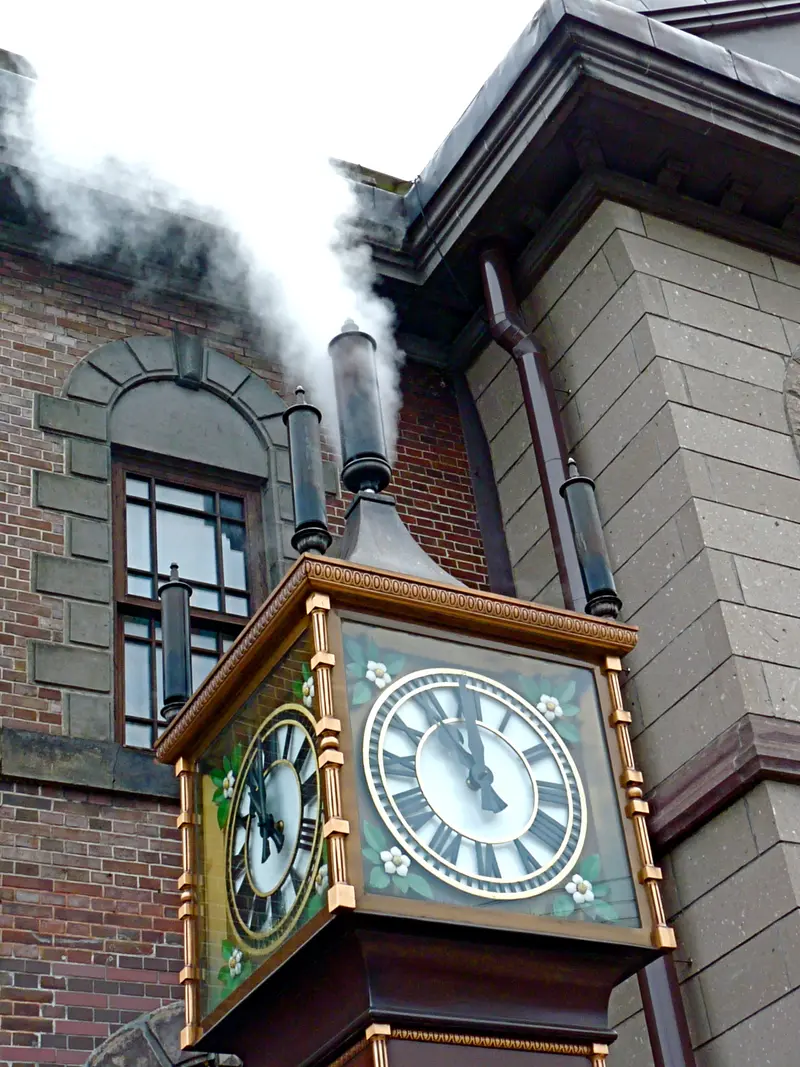
    The Otaru Steam Clock stands in front of the Otaru Music Box Museum at the Fairy Tale Intersection at the end of Sakaimachi Street. It was built by Canadian watchmaker Raymond Saunders, who also created the famous steam clock in Gastown, Vancouver. It contributes to the district's European-inspired atmosphere; its mechanics and Victorian design are worth seeing.Every 15 minutes, the clock emits steam and plays a short melody on its steam whistles, which is a popular spectacle for visitors. Our tip: Plan your visit to be there at the top of a quarter-hour. For a photo without crowds, the best time to visit is early morning, before the shops open.
    Open in Google Maps
    Sakaimachi Street

    2Sakaimachi Street

    Die Sakaimachi Street in Otaru ist ein lebendiges Zeugnis der Blütezeit der Stadt als bedeutender Handelshafen im späten 19. und frühen 20. Jahrhundert. Entlang dieser historischen Straße siehst du prächtige Lagerhäuser und Geschäftsgebäude aus Stein und Ziegel, die oft im westlichen Stil errichtet wurden und die damalige Prosperität widerspiegeln. Heute beherbergen diese sorgfältig restaurierten Bauten eine Vielzahl von Geschäften, die Otarus berühmtes Glas, aufwendige Spieluhren, lokale Süßigkeiten und frische Meeresfrüchte anbieten. Du kannst hier in die nostalgische Atmosphäre eintauchen und das handwerkliche Erbe der Region entdecken. Unser Tipp: Besuche die Straße am besten vormittags an einem Wochentag, um den größten Menschenmassen zu entgehen und die Architektur in Ruhe zu bewundern. Für ein authentisches kulinarisches Erlebnis solltest du in einem der vielen Restaurants frisches Sushi oder eine Schüssel Kaisendon probieren.
    Open in Google Maps
    Tenguyama Observation Deck

    3Tenguyama Observation Deck

    Das Tenguyama Observation Deck in Otaru bietet dir einen der beeindruckendsten Panoramablicke über die Stadt und die Ishikari-Bucht. Du erreichst es bequem mit der Otaru Tenguyama Ropeway, die dich auf den 532 Meter hohen Gipfel des Mount Tengu bringt. Oben erwartet dich nicht nur die Aussichtsplattform, sondern auch ein kleiner Schrein, der dem mythologischen Tengu gewidmet ist – einer wichtigen Figur der japanischen Folklore, die oft als Berggeist mit langer Nase dargestellt wird. Diese lokale Verehrung verleiht dem Ort eine besondere kulturelle Tiefe. Neben dem Blick auf die Hafenstadt kannst du bei klarem Wetter sogar die Shakotan-Halbinsel sehen. Ein praktischer Tipp: Besuche die Plattform am späten Nachmittag, um sowohl die Tagesaussicht als auch den Sonnenuntergang über der Bucht und die langsam aufleuchtenden Stadtlichter zu erleben. Für ein ungestörtes Foto empfiehlt sich ein Besuch unter der Woche am Vormittag.
    Open in Google Maps

    4Blue Grotto Otaru (Boat Tour)

    The Blue Grotto is a sea cave on the cliffs of Shioya west of Otaru Port, accessible only by water. It gets its name from the luminous blue that appears inside on sunny days, when light falls into the cave through the clear water.Following a rockfall at the entrance in July 2025, entry into the cave is prohibited until further notice. Boat trips from Otaru Port along the coast are still offered; they pass rock formations and clear, blue water, without entering the grotto.Practical Tip: The tours operate only during the warm season and when the sea is calm. Inquire with the operator about the current status and route before booking.
    Open in Google Maps

    City walks in Otaru

    Curated walking tours through the city's highlights, handpicked by experienced travel journalists.

    Otaru im Herzen: Kanalromantik und Glaskunst

    Entdecken Sie das charmante Otaru auf einem entspannten 2-stündigen Spaziergang. Tauchen Sie ein in die nostalgische Atmosphäre des Kanals, bestaunen Sie filigrane Glaskunst und lauschen Sie den Klängen des Spieluhrenmuseums, während Sie durch historische Gassen und entlang süßer Verlockungen flanieren.

    ~2 Std. 15 Min.
    Open in Google Maps
    Stops (6)

    Restaurants in Otaru

    1

    Sushi-an Takami

    Restaurant in 1-chōme-3-15 Hanazono.
    Show on Google Maps

    Kukizen

    Restaurant in 1-chōme-10-7 Ironai.
    Show on Google Maps

    LeTAO Main Store

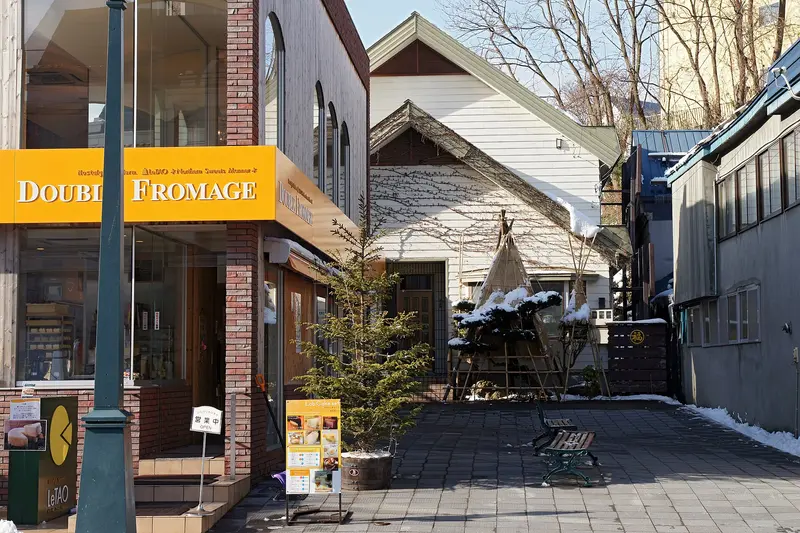
    Bakery in 7-16 Sakaimachi.
    Show on Google Maps

    Otaru Takeno Sushi

    Restaurant in 2-22 Sakaimachi.
    Show on Google Maps
    2

    Takinami Donburi

    Restaurant in 3-chōme-10-16 Inaho.
    Show on Google Maps

    Eating & Drinking in Otaru

    Otaru ist berühmt für seine exzellente Fisch- und Meeresfrüchteküche, die direkt aus Hokkaidos Gewässern stammt. Entlang des Kanals erwarten dich erstklassige Sushi-Restaurants wie 鮨庵 たか見 und Donburi-Lokale wie das Takinami Donburi Restaurant mit fangfrischen Spezialitäten.

    Sushi

    Otaru is renowned for sushi; the city features its own “Sushi Street” with many eateries lined up. Typical offerings include sea urchin, salmon roe, and in spring, mantis shrimp.

    Sankaku Market

    The small market right by the station sells crabs and seafood. At the food stalls, you assemble your own rice bowl with raw fish.

    Pastry and Chocolate

    Sakaimachi Street is home to several patisseries using Hokkaido milk and cream. Cheesecakes and soft-serve ice cream are popular souvenirs.

    Hanshin-age

    A half chicken, unbreaded, fried until crispy and seasoned only with salt, is a local everyday dish.

    Otaru's Historical Heritage and Craftsmanship

    Otaru evolved from an Ainu settlement in the 19th century into a flourishing commercial port during the Meiji and Taishō periods. The city was once known as the “Wall Street of the North” and served as an important financial and distribution center for Hokkaido, particularly due to herring fishing and coal trade. This era of prosperity profoundly shaped the cityscape.Characteristic of Otaru is the preserved architecture from this era, including numerous historic warehouses along the canal and stone bank buildings in the former financial district. These structures reflect a blend of Western and traditional Japanese stylistic elements and attest to Otaru's economic importance. Culturally, Otaru is today particularly known for its craftsmanship. Its glass craftsmanship originates from the production of oil lamps for fishing and households, as produced by Kitaichi Glass from 1901; additionally, there are numerous music box shops and the Music Box Museum. These local specialties highlight Otaru's transformation from a commercial port to a center for arts and crafts and history.

    Out and about locally

    Otaru is easy to explore despite lacking a subway or tram. The backbone of public transport is provided by bus lines that take you to the main attractions. Simply pay with rechargeable IC cards like Kitaca or Suica. The city center, especially the canal district, is very pedestrian-friendly; many attractions are close to each other. For longer distances, you'll find a taxi at the train stations. For active exploration, a bicycle is ideal for exploring the waterfront promenades; be aware of the city's hilly sections. Plan your routes using local maps to experience Otaru's atmosphere at a relaxed pace.

    Accommodations in Otaru

    Find perfect stay in Otaru

    Booking.com* (Affiliate link)
    Search Hotels
    Agoda* (Affiliate link)
    Search Hotels
    Airbnb
    Vacation Rentals

    * Affiliate link: if you book through it, we earn a small commission. The price stays the same for you.

    Plan your trip to Otaru

    Save places, build a route and plan your city trip, all in one place.

    1. 1
      Sunrise over alpine peaks and a sea of clouds
      1234

      Round trip

      12 days · 4 stops

      Saved

      Pick a route

      Pick a ready-made one or save places and plan your own.

      Open bookmarks
    2. 2

      Trip to Otaru

      Live
      • 1Otaru Steam Clock3 days
      • 2Sakaimachi Street4 days
      • 3Tenguyama Observation Deck5 days
      Budget

      Plan your trip

      The planner sorts stops, days and budget. Plan together in real time.

      Start trip planning
    3. 3
      9:41 No signal
      Otaru
      Available offline

      Use it on the road

      Download the guide to your phone and use it on site, even offline.

    Nearby

    Sapporo

    Sapporo

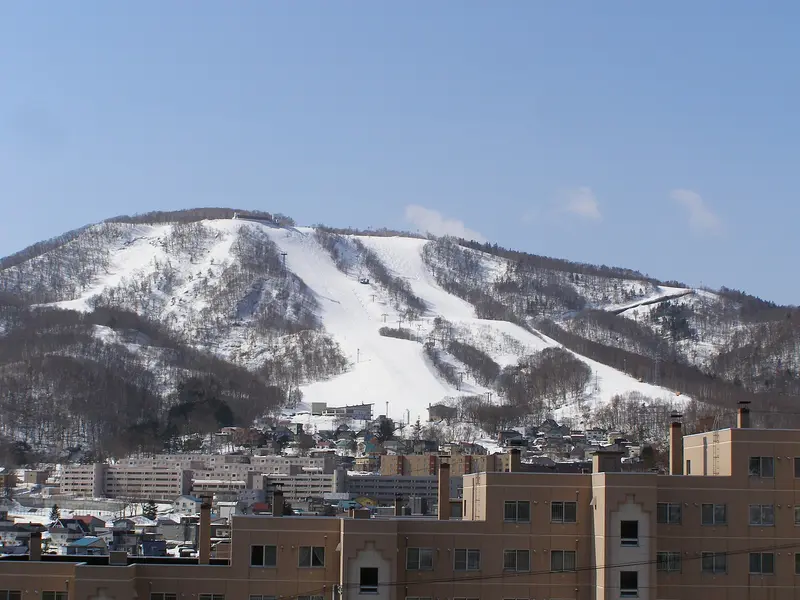
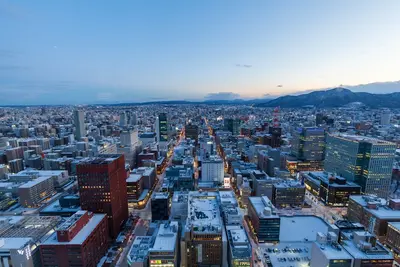
    Sapporo, Hokkaido's capital, presents itself as a modern metropolis with wide avenues and unique European city planning. You'll discover a rich history of beer brewing here, extensively documented in the Sapporo Beer Garden & Museum. The central Odori Park forms the city's green heart and hosts the famous Snow Festival in winter, while the Sapporo TV Tower offers panoramic views. Hokkaido's historic Government Building, known as the "Red Brick Office," testifies to the city's early development. In the evening, the lively entertainment district of Susukino invites exploration. For a pleasant exploration, visiting in the summer months of July and August is recommended, when the climate is mild. Be sure to try the local specialty Soup Curry or the famous Miso-Ramen, offered in many small eateries.
    Niseko

    Niseko

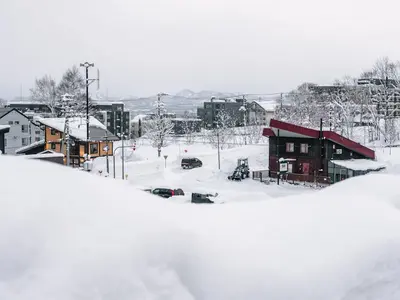
    Niseko, located on Hokkaido, is a world-renowned ski resort, celebrated for its exceptional powder snow and diverse winter sports opportunities. The four main resorts – Hirafu, Hanazono, Niseko Village, and Annupuri – are connected under Niseko United, offering not only groomed slopes but also extensive off-piste and backcountry options. The majestic Mount Yotei always accompanies your view. After a day on the snow, traditional Onsen invite you to relax, a fundamental part of Japanese bathing culture. The culinary scene ranges from local Ramen to international restaurants featuring fresh regional produce. For the best snow conditions, ideally visit between January and mid-February. Practical tip: Utilize the local shuttle buses for convenient travel between resorts and restaurants.

    Toya-See & Noboribetsu

    The region around Toya Lake and Noboribetsu in Hokkaido offers a fascinating mix of volcanic landscapes and relaxing Onsen culture. At Toya Lake, a crater lake, you can enjoy picturesque views and explore Nakajima Island or take the ropeway up active Mount Usu to observe the geological activity. Noboribetsu is known for its Jigokudani, the "Hell Valley," where you'll experience sulfurous steam and bubbling springs up close, a testament to the region's intense volcanic activity. The hot springs here are among Japan's most famous and offer relaxation after a day in nature. Visit Noboribetsu preferably in the cooler months to enjoy the full Onsen experience, while at Toya Lake, a short fireworks display is held nightly over the lake from late April to October. Plan at least one full day for both locations.

    Furano & Biei

    The region around Furano and Biei in Hokkaido is renowned for its vast, gentle hilly landscapes and colorful flower fields. In Furano, the iconic lavender fields of Farm Tomita define the scenery, blooming fully from July to early August. Biei captivates with its agriculturally used "Patchwork Hills," stretching along scenic routes such as the Panorama Road. Another highlight is the mystical Blue Pond (Aoiike), whose unique coloration makes it a popular photo spot. Furano is also known for its cheese factory and as a significant ski resort in winter. To optimally explore the expansive landscapes, renting a car is recommended. The ideal time to visit for the flower spectacle is between mid-June and early August, while winter sports enthusiasts appreciate the region from December to March.
    Hokkaido

    Hokkaido

    Hokkaido is the northernmost of Japan's four main islands, covering a fifth of the country's land area yet home to only four percent of its population. Volcanoes, primeval forests, and lakes characterize the island: In winter, skiers worldwide flock to Niseko for powder snow; in summer, lavender fields bloom around Furano. Other highlights include the capital Sapporo, the port city Hakodate, the wilderness of Shiretoko National Park, and the culture of the Ainu, Northern Japan's indigenous people.

    Sources & method

    • Photos: Wikimedia Commons. Each photo carries its credit.
    • Place data such as addresses and ratings comes from Google Maps.
    • The content is based on web research from public, traceable sources. How the content is made · The role of AI