Fernweh
    ExploreTravel GuidesMy Trips
    de|en
    About FernwehImprintFAQPrivacy Policy
    ExploreTravel GuidesMy Trips
    Sapporo

    Sapporo

    CityCulture
    1. Home
    2. Destinations
    3. Japan
    4. Hokkaido
    5. Sapporo
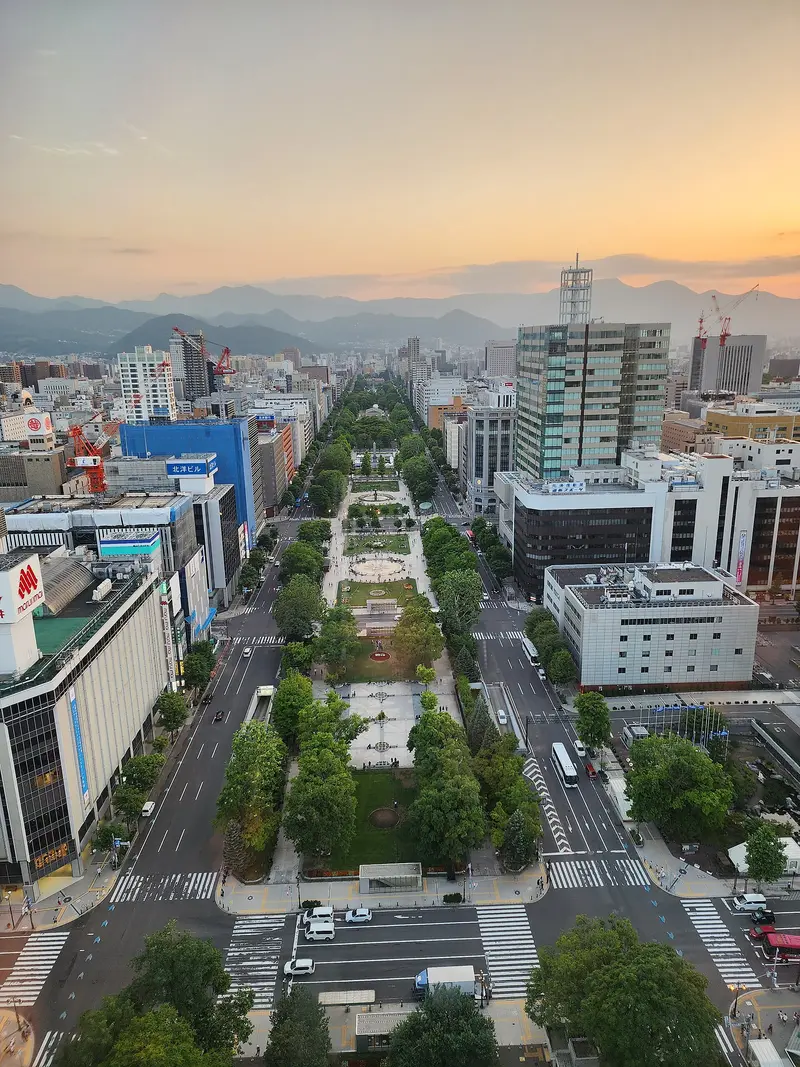
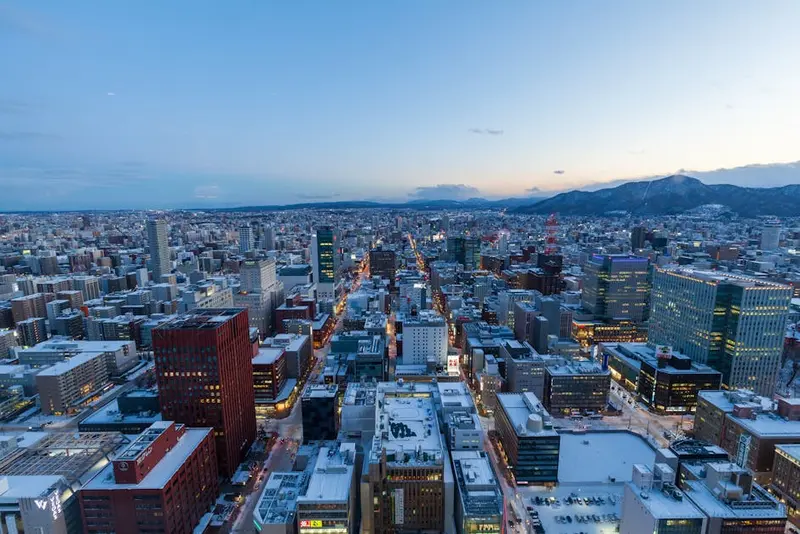
    Sapporo, Hokkaido's capital, presents itself as a modern metropolis with wide avenues and unique European city planning. You'll discover a rich history of beer brewing here, extensively documented in the Sapporo Beer Garden & Museum. The central Odori Park forms the city's green heart and hosts the famous Snow Festival in winter, while the Sapporo TV Tower offers panoramic views. Hokkaido's historic Government Building, known as the "Red Brick Office," testifies to the city's early development. In the evening, the lively entertainment district of Susukino invites exploration. For a pleasant exploration, visiting in the summer months of July and August is recommended, when the climate is mild. Be sure to try the local specialty Soup Curry or the famous Miso-Ramen, offered in many small eateries.
    • Neighborhoods & highlights
    • Walking tours
    • Eat & drink
    • Culture
    • Nightlife
    • Getting around
    • Accommodation
    • Plan trip
    • Nearby
    • Neighborhoods & highlights
    • Walking tours
    • Eat & drink
    • Culture
    • Nightlife
    • Getting around
    • Accommodation
    • Plan trip
    • Nearby

    Overview

    Sapporo, Hokkaido's capital, captivates with wide avenues and European-inspired urban planning. The central Odori Park is its green heart and host to the annual Snow Festival. Discover its brewing history at the Sapporo Beer Garden & Museum. The "Red Brick Building" offers historical insights, while the Sapporo TV Tower provides panoramic views. In the evening, the entertainment district of Susukino beckons; there, you must try Soup Curry or Miso-Ramen. The mild summer months of July and August are ideal for a visit.

    Places in Sapporo

    Discover the most important sights and attractions

    Sights in Sapporo

    Hokkaido Shrine Tongu

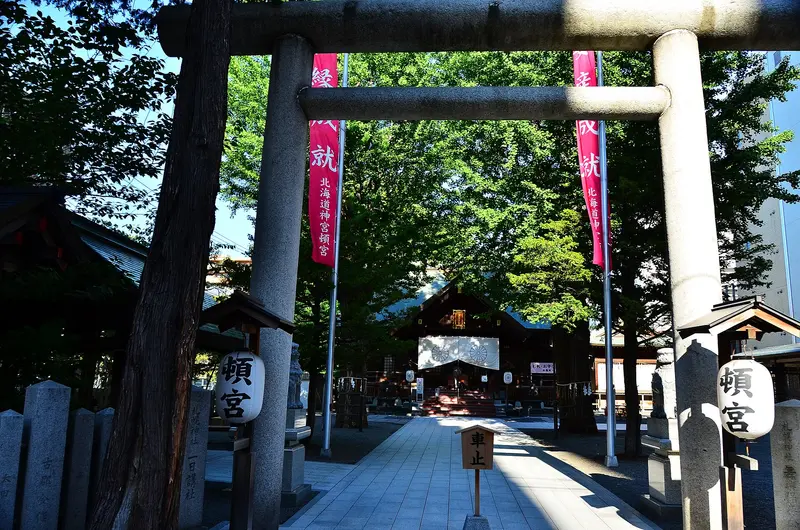
    Der Hokkaido Shrine Tongu ist eine wichtige Außenstelle des Hauptschreins von Hokkaido, dem Hokkaido-jingū, und bietet dir einen Einblick in die lokale Shinto-Kultur Sapporos. Er wurde ursprünglich als Gebetsstätte für die Bewohner der expandierenden Stadt Sapporo errichtet und dient als zugänglicher Ort für tägliche Gebete und saisonale Feste. Du findest hier die typische Shinto-Architektur mit einem beeindruckenden Torii-Tor am Eingang und einem Hauptgebäude, das den Gottheiten gewidmet ist. Die Atmosphäre ist geprägt von Ruhe und Besinnlichkeit, selbst inmitten der städtischen Umgebung. Beobachte die Einheimischen bei ihren Ritualen, wie dem Reinigen der Hände und des Mundes am Temizuya. Unser Tipp: Besuche den Schrein am frühen Morgen, um die größte Ruhe zu erleben und die Morgenlichter für stimmungsvolle Fotos einzufangen. Achte darauf, die heiligen Bereiche zu respektieren und vermeide es, direkt in die Hauptgebetsstätte zu fotografieren.
    Open in Google Maps

    Sapporo Agricultural School's Farm No.2

    Die Farm Nr. 2 der ehemaligen Landwirtschaftsschule Sapporo, heute ein integraler Bestandteil des Campus der Hokkaido Universität, ist ein Nationales Wichtiges Kulturgut und ein bedeutendes Zeugnis der frühen Modernisierung der japanischen Landwirtschaft. Sie wurde Ende des 19. Jahrhunderts unter dem Einfluss westlicher Technologien und Lehrmethoden errichtet, maßgeblich durch die Vision von William S. Clark. Du findest hier eine Reihe authentisch erhaltener Gebäude wie Scheunen, Silos und eine Molkerei, die einen tiefen Einblick in die landwirtschaftliche Entwicklung der Meiji-Zeit bieten. Dieser ruhige Ort illustriert anschaulich die Anfänge der Agrarwissenschaft in Japan und die damit verbundene Transformation der Region. Unser Tipp: Besuche die Farm am besten vormittags oder am späten Nachmittag, um das sanfte Licht für stimmungsvolle Fotos der historischen Gebäude optimal zu nutzen. Da sie etwas abseits der Haupttouristenpfade liegt, genießt du hier eine entspannte Atmosphäre und deutlich weniger Menschenmassen, ideal für eine besinnliche Erkundung.
    Open in Google Maps

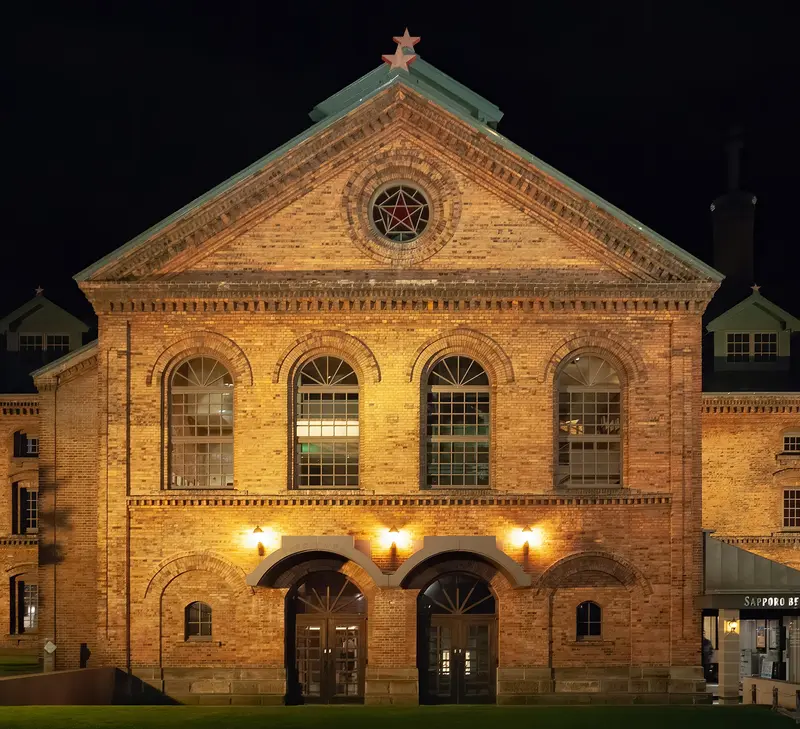
    Sapporo Beer Museum

    Das Sapporo Beer Museum ist dem Erbe einer der ältesten und beliebtesten Biermarken Japans gewidmet. Es befindet sich in einem historischen Backsteingebäude, das ursprünglich eine Zuckerraffinerie war und später als Brauerei diente, und bietet dir einen tiefen Einblick in die Geschichte des Bierbrauens in Japan. Hier erfährst du alles über die Ursprünge der Sapporo-Brauerei, die 1876 gegründet wurde, und die Entwicklung der japanischen Bierkultur. Die Ausstellungen präsentieren historische Artefakte, alte Werbeplakate und Details zum Brauprozess. Am Ende deines Besuchs hast du die Möglichkeit, im Verkostungsraum verschiedene Sapporo-Biere zu probieren, darunter auch lokale Spezialitäten. Unser Tipp: Nimm an der kostenpflichtigen Führung teil, um detailliertere Informationen zu erhalten und eine strukturierte Verkostung zu erleben. Für ein authentisches kulinarisches Erlebnis besuche anschließend den angrenzenden Sapporo Beer Garden, wo du die lokale Spezialität Genghis Khan (Lamm-Barbecue) mit frischem Bier genießen kannst. Plane deinen Besuch unter der Woche, um die größten Besuchermassen zu umgehen.
    Open in Google Maps

    Morihico Coffee

    Morihico Coffee ist eine etablierte Kaffeekette in Sapporo, deren Ursprünge tief in der lokalen Kaffeekultur verwurzelt sind. Besonders das Originalgeschäft "Morihico desu" im Maruyama-Viertel, untergebracht in einem liebevoll restaurierten Holzhaus, bietet dir ein einzigartiges Ambiente, das Tradition und Moderne verbindet. Hier kannst du handgebrühten Spezialitätenkaffee genießen, der für seine Qualität und sorgfältige Zubereitung bekannt ist. Die Kette hat sich einen Namen gemacht, indem sie eine ruhige Oase abseits des Stadttrubels schafft und gleichzeitig die japanische Kaffeehaus-Tradition pflegt. Es ist ein idealer Ort, um eine Pause einzulegen und die lokale Atmosphäre aufzusaugen. Praktischer Tipp: Besuche das "Morihico desu" am besten vormittags unter der Woche, um die entspannte Stimmung vollständig zu erleben und einen Sitzplatz zu finden. Probiere unbedingt den Hausblend, um einen authentischen Geschmack der Region zu erhalten.
    Open in Google Maps

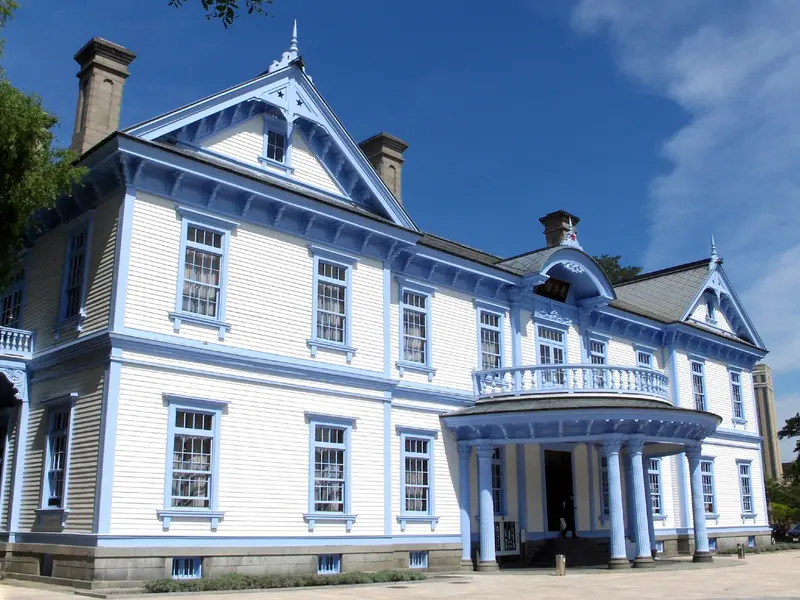
    Hōhei Kan

    Das Hōhei Kan in Sapporo ist ein bedeutendes historisches Gebäude und ein beeindruckendes Beispiel westlicher Architektur aus der frühen Meiji-Zeit in Japan. Es wurde 1881 speziell als Gästehaus für den Besuch von Kaiser Meiji in Hokkaido erbaut und zeugt von der damaligen Öffnung Japans gegenüber westlichen Einflüssen. Du findest dieses einzigartige Bauwerk inmitten des malerischen Nakajima Parks, wo es mit seiner markanten blau-weißen Fassade im Renaissance-Stil sofort ins Auge fällt. Im Inneren des Hōhei Kan kannst du die prächtigen Säle und Zimmer erkunden, die einen authentischen Einblick in die kaiserliche Gastfreundschaft des späten 19. Jahrhunderts bieten. Obwohl es heute oft für Hochzeiten und kulturelle Veranstaltungen genutzt wird, ist es für die Öffentlichkeit zugänglich und beherbergt auch eine kleine Ausstellung zur Geschichte des Gebäudes. Unser Tipp: Besuche das Hōhei Kan am besten am Vormittag, um die Ruhe der Umgebung zu genießen und die architektonischen Details in optimalem Licht zu fotografieren. Der umliegende Nakajima Park bietet besonders während der Kirschblüte im Frühling oder der Herbstlaubfärbung eine malerische Kulisse für deinen Besuch.
    Open in Google Maps

    City walks in Sapporo

    Curated walking tours through the city's highlights — handpicked by experienced travel journalists.

    Sapporo: Grüne Oasen & Urbanes Herz

    Entdecken Sie auf diesem zweistündigen Spaziergang die harmonische Mischung aus Natur und Stadtleben in Sapporo. Von der grünen Weite des Odori Parks bis zu den lebhaften Gassen Susukinos erleben Sie die Vielfalt dieser nordjapanischen Metropole. Ein perfekter Einblick in die Geschichte und den modernen Charme der Stadt.

    ~2 Std.
    In Google Maps öffnen
    Stopps (6)

    Restaurants in Sapporo

    Cultural Heritage and Art in Sapporo

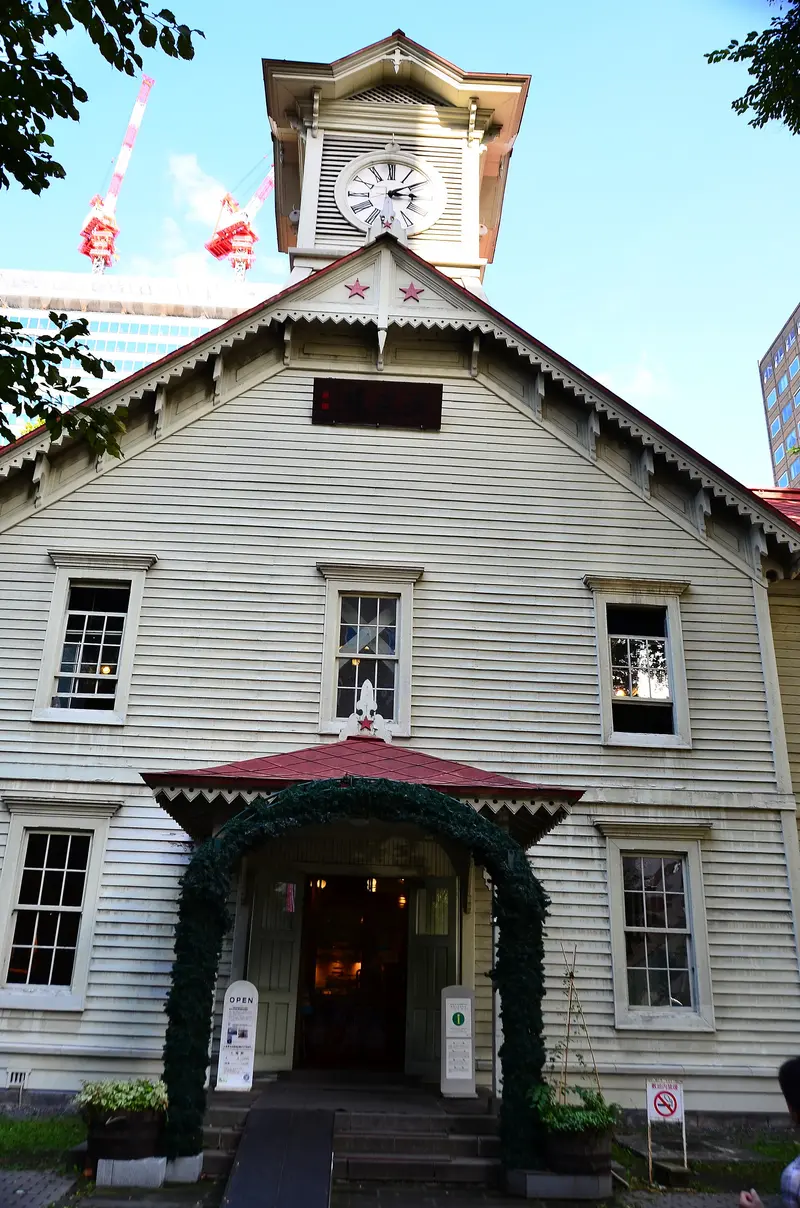
    Sapporo, although a comparatively young city, possesses a rich and unique cultural history deeply rooted in Hokkaido's development. Originally inhabited by the indigenous Ainu, modern urban development only began during the Meiji Restoration from 1869 onwards, under strong Western influence, particularly American city planning. This foundational phase shaped the city's grid-like street network and produced iconic buildings like the Clock Tower and the Former Hokkaido Government Office Building, which exhibit elements of European architecture.Sapporo's cultural identity is also closely linked to nature and the seasons. The world-renowned Sapporo Snow Festival in winter attracts millions and transforms the city into a temporary gallery of ice and snow sculptures, demonstrating a deep appreciation for the cold season. The city has also developed into a center for modern art and design, with numerous galleries and the Sapporo Art Park, which presents sculptures in a natural setting.Historically, Sapporo was a melting pot for pioneers and immigrants, leading to a distinctive food culture characterized by dishes like Miso Ramen and Soup Curry. The legacy of Ainu culture is increasingly recognized and preserved in the region through educational centers and initiatives, representing an an important aspect of Hokkaido's cultural diversity. The combination of colonial past, indigenous roots, and modern urbanity gives Sapporo its special cultural appeal.

    Nightlife

    Sapporo's nightlife primarily centers in the Susukino district, offering a diverse scene. From traditional izakayas to specialized shot bars like Shot Bar Vecchio, elegant lounges, and modern new clubs, you'll find a wide selection for your evening.

    Getting Around Here

    Sapporo boasts an excellent and efficient public transport network, making city exploration a breeze. The **Metro** forms the backbone of the system, seamlessly connecting major districts and attractions. It's complemented by an extensive **bus network** and a charming **tram line**, particularly useful in the southern districts.For hassle-free travel, a rechargeable IC card like **Kitaca** or **Suica** is recommended; useful apps such as "Japan Transit Planner" assist with route planning. While the city is cycle-friendly in summer and e-scooters are emerging, the city center is **pedestrian-friendly** year-round, with helpful underground passages offering shelter, especially during the snowy winter months. Taxis are widely available and ride-sharing services exist, though they are less dominant. For intense days of exploration, a day pass can be a good investment.

    Accommodations in Sapporo

    Accommodations in Sapporo

    Find perfect stay in Sapporo

    Booking.com
    Search Hotels
    Agoda
    Search Hotels
    Airbnb
    Vacation Rentals
    Hotels.com
    Hotels Worldwide
    Hostelworld
    Hostels

    Plan your trip to Sapporo

    Save places, build a route and plan your city trip — all in one place.

    Save places

    Bookmark sights, restaurants and neighborhoods you're interested in.

    Build your route

    Turn your bookmarks into a route — define order, days and budget.

    Refine with AI

    Let Mein Fernweh suggest experiences and put together a tailored daily plan.

    Start trip planningOpen bookmarks

    Locations nearby

    These places are nearby — perfect for additional days or a day trip.

    Otaru

    Otaru

    Otaru on Hokkaido, a former port city, is known for its historic canal and Sakaimachi Street. The Otaru Canal with its red-brick warehouses bears witness to its heyday as an important trading hub. On Sakaimachi Street, you'll find specialty shops for glassware, music boxes, and local sweets. Visit the Otaru Music Box Museum and enjoy fresh seafood in the local sushi restaurants. An evening boat trip offers an atmospheric perspective of the canal under gas lamps. Otaru is particularly charming in winter during the Snow Light Festival or in colorful autumn.
    Toya-See & Noboribetsu

    Toya-See & Noboribetsu

    The region around Lake Toya and Noboribetsu in Hokkaido offers a fascinating blend of volcanic landscapes and relaxing onsen culture. At Lake Toya, a crater lake, you can enjoy picturesque views, explore Nakajima Island, or take a ropeway up active Mount Usu to observe its geological activity. Noboribetsu is renowned for its Jigokudani, the "Hell Valley", where you'll experience sulfurous steam and bubbling springs up close, a testament to the region's intense volcanic activity. The hot springs here are among Japan's best, offering perfect relaxation after a day in nature. It's best to visit Noboribetsu in the cooler months to enjoy the full onsen experience, while Lake Toya entices with daily fireworks in summer. Plan at least one full day for both locations to truly appreciate their uniqueness.
    Niseko

    Niseko

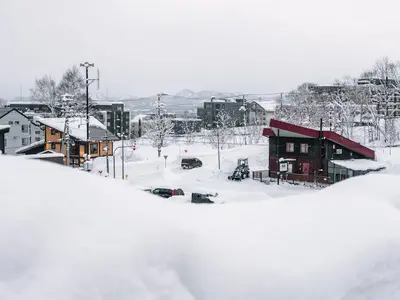
    Niseko, located on Hokkaido, is a world-renowned ski resort, celebrated for its exceptional powder snow and diverse winter sports opportunities. The four main resorts – Hirafu, Hanazono, Niseko Village, and Annupuri – are connected under Niseko United, offering not only groomed slopes but also extensive off-piste and backcountry options. The majestic Mount Yotei always accompanies your view. After a day on the snow, traditional Onsen invite you to relax, a fundamental part of Japanese bathing culture. The culinary scene ranges from local Ramen to international restaurants featuring fresh regional produce. For the best snow conditions, ideally visit between January and mid-February. Practical tip: Utilize the local shuttle buses for convenient travel between resorts and restaurants.
    Furano & Biei

    Furano & Biei

    The region around Furano and Biei in Hokkaido is renowned for its vast, gentle hilly landscapes and colorful flower fields. In Furano, the iconic lavender fields of Farm Tomita define the scenery, blooming fully from July to early August. Biei captivates with its agriculturally used "Patchwork Hills," stretching along scenic routes such as the Panorama Road. Another highlight is the mystical Blue Pond (Aoiike), whose unique coloration makes it a popular photo spot. Furano is also known for its cheese factory and as a significant ski resort in winter. To optimally explore the expansive landscapes, renting a car is recommended. The ideal time to visit for the flower spectacle is between mid-June and early August, while winter sports enthusiasts appreciate the region from December to March.
    Hokkaido

    Hokkaido

    Hokkaido ist Japans nördlichste Präfektur und ein wahres Paradies für Naturliebhaber und Abenteurer. Du findest hier unberührte Landschaften, von vulkanischen Bergen und dichten Wäldern bis hin zu weiten Küsten und glitzernden Seen. Die Insel lockt zudem mit einer einzigartigen kulinarischen Szene und erstklassigen Wintersportmöglichkeiten, die dich begeistern werden.