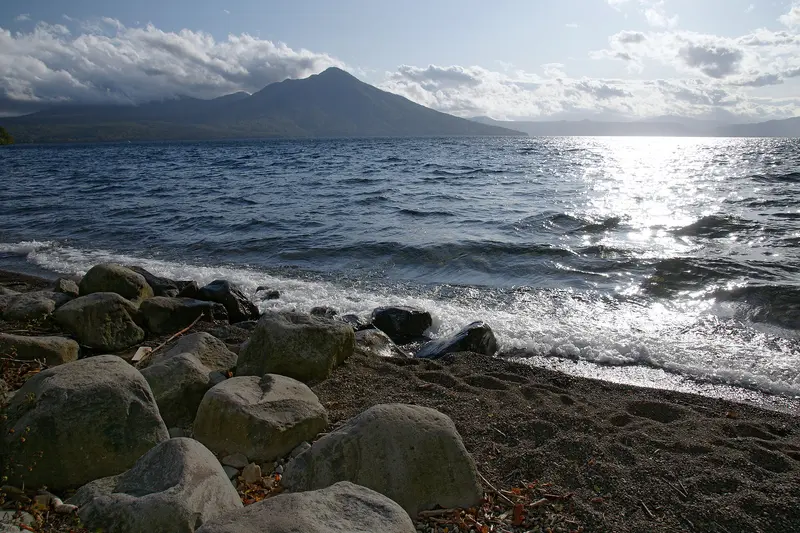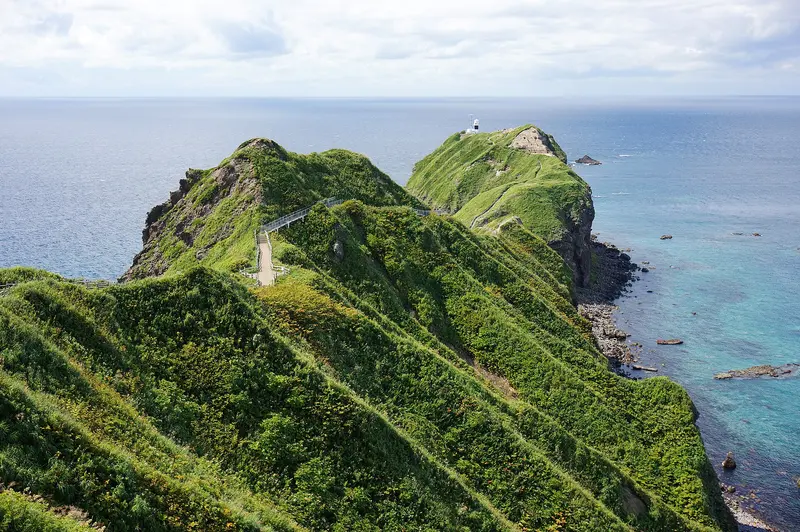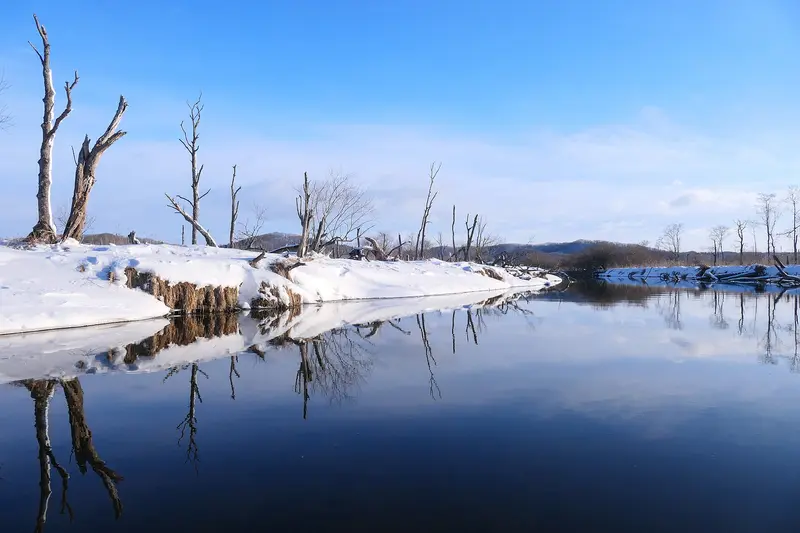
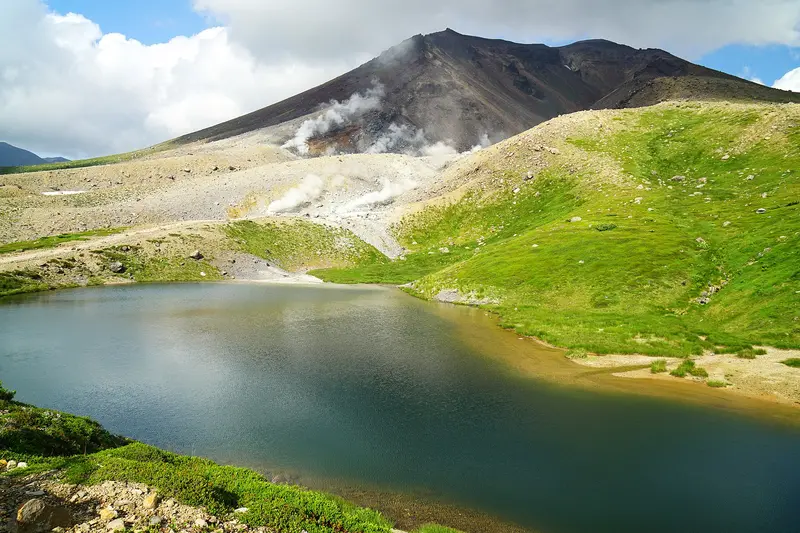
Hokkaido ist Japans nördlichste Präfektur und ein wahres Paradies für Naturliebhaber und Abenteurer. Du findest hier unberührte Landschaften, von vulkanischen Bergen und dichten Wäldern bis hin zu weiten Küsten und glitzernden Seen. Die Insel lockt zudem mit einer einzigartigen kulinarischen Szene und erstklassigen Wintersportmöglichkeiten, die dich begeistern werden.
Hokkaido, Japans nördlichste Präfektur, zeichnet sich durch seine weiten, unberührten Landschaften und eine einzigartige Kultur aus. Hier entdeckst du vulkanische Gebirge, dichte Wälder und weite Küsten, ideal für Outdoor-Aktivitäten. Die Hauptstadt Sapporo fasziniert mit dem Odori Park und dem lebhaften Susukino-Viertel, während Otarus historischer Kanal und Hakodates sternförmiges Goryokaku-Fort weitere Höhepunkte bieten. Die indigene Ainu-Kultur ist im Upopoy National Ainu Museum erlebbar; kulinarisch überzeugt die Insel mit frischen Meeresfrüchten und Spezialitäten wie Sapporo Ramen. Im Winter locken erstklassige Skigebiete wie Niseko; im Sommer bieten Furanos Lavendelfelder ein malerisches Bild. Für eine entspannte Naturerkundung und die Herbstfärbung empfiehlt sich der Frühherbst.
Places in Hokkaido
Akan
Akan, nestled within the majestic landscape of Akan-Mashu National Park, invites you to immerse yourself in a world of untouched nature and rich indigenous culture. Here, on the shores of the mystical Lake Akan, you will find a unique blend of relaxation, adventure, and deep insights into the Ainu way of life.
Furano & Biei
The region around Furano and Biei in Hokkaido is renowned for its vast, gentle hilly landscapes and colorful flower fields. In Furano, the iconic lavender fields of Farm Tomita define the scenery, blooming fully from July to early August. Biei captivates with its agriculturally used "Patchwork Hills," stretching along scenic routes such as the Panorama Road. Another highlight is the mystical Blue Pond (Aoiike), whose unique coloration makes it a popular photo spot. Furano is also known for its cheese factory and as a significant ski resort in winter. To optimally explore the expansive landscapes, renting a car is recommended. The ideal time to visit for the flower spectacle is between mid-June and early August, while winter sports enthusiasts appreciate the region from December to March.
Hakodate
The port city of Hakodate in southern Hokkaido fascinates with its unique blend of historic charm and maritime atmosphere. The influence of Western cultures is particularly defining, visible in the elegant buildings of the Motomachi district and the former consulates. An absolute highlight is the ride up Mount Hakodate, whose spectacular night view is considered one of Japan's three most beautiful. The star-shaped fortress Goryokaku, a national historical landmark, tells of the Boshin War era and is especially impressive during cherry blossom season. Experience fresh fish and seafood at the lively Hakodate Morning Market (Asaichi), where you can sample local specialties. The historic Kanemori Red Brick Warehouses by the harbor now offer shops and restaurants in an atmospheric setting. For a relaxed exploration, a visit in spring or autumn is recommended to avoid crowds and enjoy clear views.
Niseko
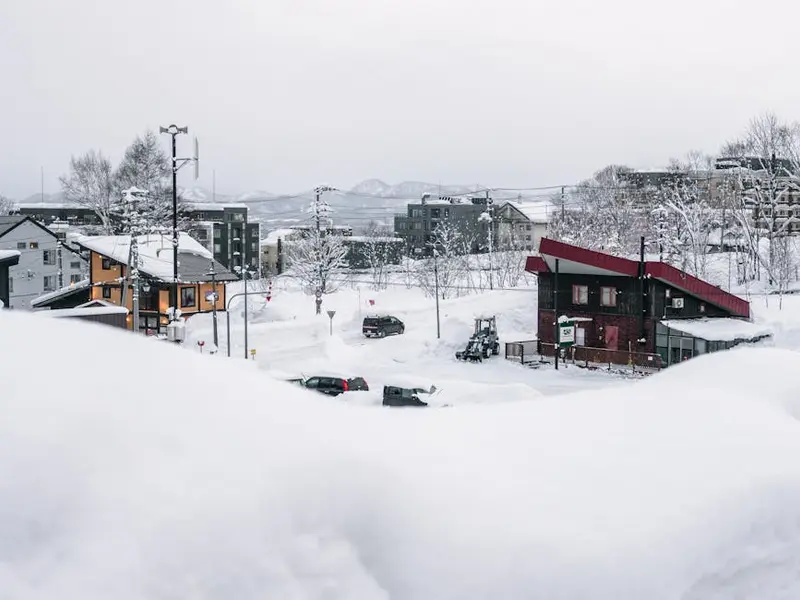
Niseko, located on Hokkaido, is a world-renowned ski resort, celebrated for its exceptional powder snow and diverse winter sports opportunities. The four main resorts – Hirafu, Hanazono, Niseko Village, and Annupuri – are connected under Niseko United, offering not only groomed slopes but also extensive off-piste and backcountry options. The majestic Mount Yotei always accompanies your view. After a day on the snow, traditional Onsen invite you to relax, a fundamental part of Japanese bathing culture. The culinary scene ranges from local Ramen to international restaurants featuring fresh regional produce. For the best snow conditions, ideally visit between January and mid-February. Practical tip: Utilize the local shuttle buses for convenient travel between resorts and restaurants.
Otaru
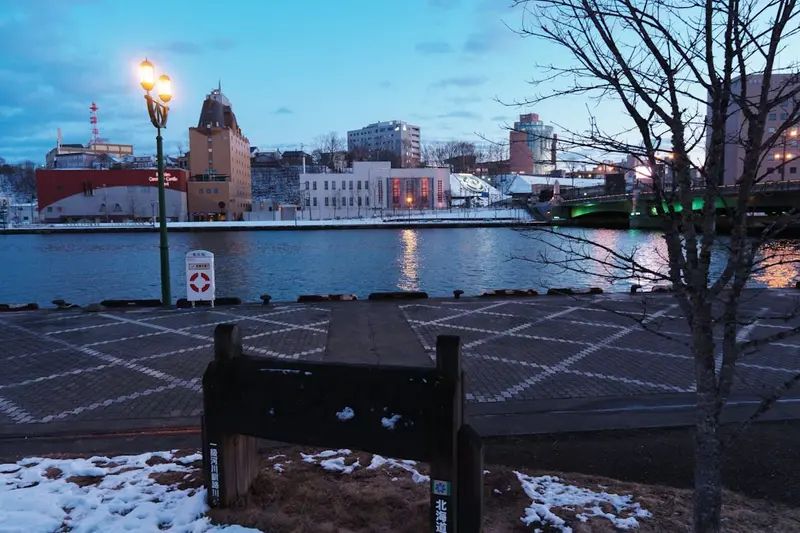
Otaru on Hokkaido, a former port city, is known for its historic canal and Sakaimachi Street. The Otaru Canal with its red-brick warehouses bears witness to its heyday as an important trading hub. On Sakaimachi Street, you'll find specialty shops for glassware, music boxes, and local sweets. Visit the Otaru Music Box Museum and enjoy fresh seafood in the local sushi restaurants. An evening boat trip offers an atmospheric perspective of the canal under gas lamps. Otaru is particularly charming in winter during the Snow Light Festival or in colorful autumn.
Sapporo
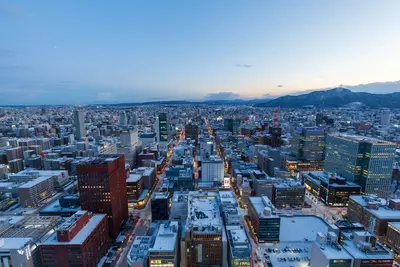
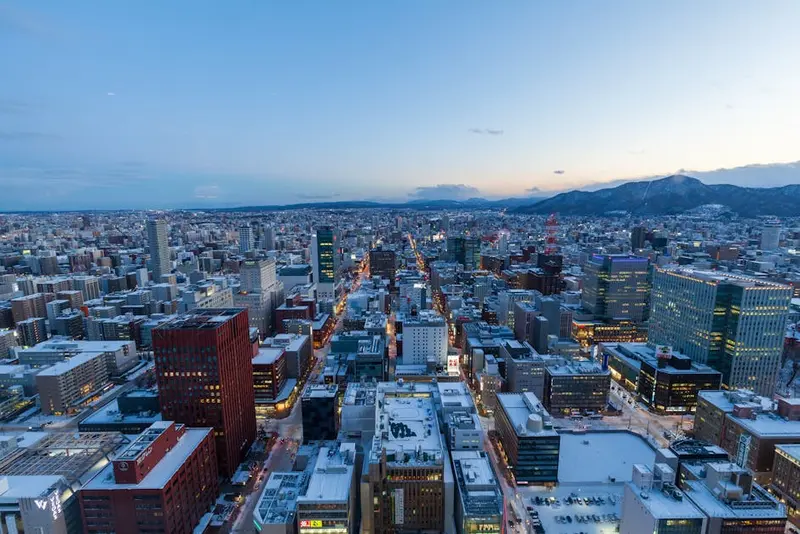
Sapporo, Hokkaido's capital, presents itself as a modern metropolis with wide avenues and unique European city planning. You'll discover a rich history of beer brewing here, extensively documented in the Sapporo Beer Garden & Museum. The central Odori Park forms the city's green heart and hosts the famous Snow Festival in winter, while the Sapporo TV Tower offers panoramic views. Hokkaido's historic Government Building, known as the "Red Brick Office," testifies to the city's early development. In the evening, the lively entertainment district of Susukino invites exploration. For a pleasant exploration, visiting in the summer months of July and August is recommended, when the climate is mild. Be sure to try the local specialty Soup Curry or the famous Miso-Ramen, offered in many small eateries.
Shiretoko Nationalpark
Ein UNESCO-Weltnaturerbe, bekannt für seine unberührte Wildnis, dramatische Küstenlinien, Braunbären und heiße Quellen.
Toya-See & Noboribetsu
The region around Lake Toya and Noboribetsu in Hokkaido offers a fascinating blend of volcanic landscapes and relaxing onsen culture. At Lake Toya, a crater lake, you can enjoy picturesque views, explore Nakajima Island, or take a ropeway up active Mount Usu to observe its geological activity. Noboribetsu is renowned for its Jigokudani, the "Hell Valley", where you'll experience sulfurous steam and bubbling springs up close, a testament to the region's intense volcanic activity. The hot springs here are among Japan's best, offering perfect relaxation after a day in nature. It's best to visit Noboribetsu in the cooler months to enjoy the full onsen experience, while Lake Toya entices with daily fireworks in summer. Plan at least one full day for both locations to truly appreciate their uniqueness.
Sights in Hokkaido
Discover the most important sights and attractions
新内バッタ塚
Der 新内バッタ塚, oder auch Heuschreckenhügel von Shin'nai, ist ein bescheidenes, aber historisch bedeutsames Denkmal in Hokkaido. Er erinnert an die schweren Zeiten der frühen Siedler im späten 19. und frühen 20. Jahrhundert, als Heuschreckenplagen die Ernten wiederholt vernichteten und die Existenz der Bauern bedrohten. Um ihre Felder zu schützen und die Insekten abzuwehren, sammelten die Bauern die Heuschrecken und bestatteten sie in solchen Hügeln, oft begleitet von Gebeten für eine gute Ernte. Du findest hier keine spektakuläre Architektur, sondern einen Ort der stillen Besinnung, der die Entbehrungen und den unermüdlichen Kampf der Pioniere gegen die Naturkräfte dokumentiert. Es ist ein Zeugnis der landwirtschaftlichen Geschichte der Region und der Widerstandsfähigkeit der Menschen. Tipp: Kombiniere den Besuch mit einer Erkundung der umliegenden Agrarlandschaft, um ein umfassenderes Bild der Region zu erhalten. Der Ort ist ideal für Reisende, die sich für lokale Geschichte abseits der Hauptrouten interessieren.
Der Karikachi Plateau Park, auf dem gleichnamigen Pass in Hokkaido gelegen, bietet dir einen spektakulären Panoramablick über die weite Tokachi-Ebene und die majestätischen Hidaka-Berge. Dieser strategisch wichtige Punkt war historisch eine Schlüsselpassage für den Verkehr durch die Region und dient heute als beliebter Rastplatz für Reisende auf der Nationalstraße 38. Von hier aus kannst du die beeindruckende landwirtschaftliche Weite Hokkaidos in ihrer vollen Pracht erfassen. Unser Tipp: Besuche den Park am frühen Morgen, um den Sonnenaufgang über der Ebene zu erleben, wenn die Luft am klarsten ist und die ersten Sonnenstrahlen die Landschaft in goldenes Licht tauchen. Die Herbstmonate bieten zudem ein farbenprächtiges Laubwerk, das besonders fotogen ist. Achte auf windiges Wetter, da die Lage exponiert ist.
Der 狩勝高原梅園 in Hokkaido bietet dir ein einzigartiges Naturerlebnis, besonders während der Blütezeit der Ume-Bäume. Gelegen auf dem Shikarikachi-Hochland, ist dieser Garten Heimat von Tausenden von Pflaumenbäumen, die in der Regel Ende Mai bis Anfang Juni in voller Pracht stehen. Dies ist ungewöhnlich spät für Pflaumenblüten in Japan und macht den Garten zu einer besonderen Attraktion in der kühleren Region Hokkaidos.Du kannst hier entspannte Spaziergänge unter den blühenden Bäumen genießen und dabei die malerische Landschaft der Tokachi-Ebene und die majestätischen Hidaka-Berge im Hintergrund bewundern. Die Weitläufigkeit des Geländes sorgt für eine ruhige Atmosphäre, die zum Verweilen einlädt. Unser Tipp: Für die besten Fotos der blühenden Bäume mit der Bergkulisse im Hintergrund empfiehlt sich ein Besuch am Vormittag, wenn das Licht weicher ist und weniger Besucher unterwegs sind. Packe eine leichte Jacke ein, da es auf dem Hochland auch im späten Frühling noch kühl sein kann.
Hokkaido's cultural identity is significantly shaped by the indigenous Ainu people, whose deep connection to nature manifests in their spiritual practices, oral traditions, and intricate wood carvings. Until the late Meiji era, the island was primarily Ainu land, before the Japanese government initiated intense colonization and assimilation policies from the 19th century onwards, which profoundly altered the social and cultural fabric.Hokkaido's architecture showcases an interesting blend: Alongside traditional Japanese influences, there are also many Western-style buildings that emerged during the island's rapid development and industrialization in the late 19th and early 20th centuries. Examples include the former government buildings in Sapporo or the brick buildings in Otaru, which reflect the modernization of that time.Local traditions today encompass both the revitalization and appreciation of Ainu culture, visible in museums and cultural centers such as the Upopoy National Ainu Museum and Park, as well as modern festivals like the world-renowned Sapporo Yuki Matsuri (Snow Festival). This annual event, a fusion of art, craftsmanship, and seasonal celebration, reflects the creative adaptation to the island's climatic conditions and attracts millions of visitors, making it a significant part of Hokkaido's contemporary culture.
Locations nearby
These places are nearby — perfect for additional days or a day trip.
Furano & Biei
The region around Furano and Biei in Hokkaido is renowned for its vast, gentle hilly landscapes and colorful flower fields. In Furano, the iconic lavender fields of Farm Tomita define the scenery, blooming fully from July to early August. Biei captivates with its agriculturally used "Patchwork Hills," stretching along scenic routes such as the Panorama Road. Another highlight is the mystical Blue Pond (Aoiike), whose unique coloration makes it a popular photo spot. Furano is also known for its cheese factory and as a significant ski resort in winter. To optimally explore the expansive landscapes, renting a car is recommended. The ideal time to visit for the flower spectacle is between mid-June and early August, while winter sports enthusiasts appreciate the region from December to March.
Akan
Akan, nestled within the majestic landscape of Akan-Mashu National Park, invites you to immerse yourself in a world of untouched nature and rich indigenous culture. Here, on the shores of the mystical Lake Akan, you will find a unique blend of relaxation, adventure, and deep insights into the Ainu way of life.
Sapporo
Sapporo, Hokkaido's capital, presents itself as a modern metropolis with wide avenues and unique European city planning. You'll discover a rich history of beer brewing here, extensively documented in the Sapporo Beer Garden & Museum. The central Odori Park forms the city's green heart and hosts the famous Snow Festival in winter, while the Sapporo TV Tower offers panoramic views. Hokkaido's historic Government Building, known as the "Red Brick Office," testifies to the city's early development. In the evening, the lively entertainment district of Susukino invites exploration. For a pleasant exploration, visiting in the summer months of July and August is recommended, when the climate is mild. Be sure to try the local specialty Soup Curry or the famous Miso-Ramen, offered in many small eateries.
Otaru
Otaru on Hokkaido, a former port city, is known for its historic canal and Sakaimachi Street. The Otaru Canal with its red-brick warehouses bears witness to its heyday as an important trading hub. On Sakaimachi Street, you'll find specialty shops for glassware, music boxes, and local sweets. Visit the Otaru Music Box Museum and enjoy fresh seafood in the local sushi restaurants. An evening boat trip offers an atmospheric perspective of the canal under gas lamps. Otaru is particularly charming in winter during the Snow Light Festival or in colorful autumn.
Toya-See & Noboribetsu
The region around Lake Toya and Noboribetsu in Hokkaido offers a fascinating blend of volcanic landscapes and relaxing onsen culture. At Lake Toya, a crater lake, you can enjoy picturesque views, explore Nakajima Island, or take a ropeway up active Mount Usu to observe its geological activity. Noboribetsu is renowned for its Jigokudani, the "Hell Valley", where you'll experience sulfurous steam and bubbling springs up close, a testament to the region's intense volcanic activity. The hot springs here are among Japan's best, offering perfect relaxation after a day in nature. It's best to visit Noboribetsu in the cooler months to enjoy the full onsen experience, while Lake Toya entices with daily fireworks in summer. Plan at least one full day for both locations to truly appreciate their uniqueness.