Fernweh: Home
    ExploreTravel GuidesPlan a tripMy tripLast visited
    de|en
    All Places & RegionsAll highlightsAbout FernwehFAQPrivacy PolicyImprint
    ExploreTravel GuidesPlan a tripMy tripLast visited
    • Neighborhoods & highlights
    • Walking tours
    • Eat & drink
    • Food culture
    • Culture
    • Getting around
    • Accommodation
    • Plan trip
    • Nearby
    Akan

    Japan

    Akan

    City

    Akan, nestled within the majestic landscape of Akan-Mashu National Park, invites you to immerse yourself in a world of untouched nature and rich indigenous culture.

    by Felix Gillen

    1. Home
    2. Destinations
    3. Japan
    4. Hokkaido
    5. Akan
    Akan, nestled within the majestic landscape of Akan-Mashu National Park, invites you to immerse yourself in a world of untouched nature and rich indigenous culture. Here, on the shores of the mystical Lake Akan, you will find a unique blend of relaxation, adventure, and deep insights into the Ainu way of life.

    Sights in Akan

    Discover the most important sights and attractions

    Lake Akan (Akan-ko)

    1Lake Akan (Akan-ko)

    Lake Akan is the heart of the Akan-Mashu National Park. It is famous for its Marimo, green, ball-shaped algal colonies that grow exceptionally large here and are protected as a Special Natural Monument. You can take a boat trip to explore the islands in the lake and visit the Marimo Exhibition Center on Churui Island. Surrounded by forests and the volcanoes Oakan and Meakan, the lake offers numerous opportunities for hiking, fishing, and relaxation. In autumn, the forests around the lake change color.

    Open in Google Maps
    Ainu Kotan

    2Ainu Kotan

    The Ainu Kotan, the traditional Ainu village on the shores of Lake Akan, is a living museum of Hokkaido's indigenous culture and an absolute must-see for every visitor. Here, you can delve deep into the fascinating history and customs of the Ainu people. Stroll through the village and discover authentic wood carvings, handwoven textiles, and traditional handicrafts made and sold by the residents. In the evening, be sure to attend one of the captivating dance and music performances at the Ainu Theater Ikor, which will give you an authentic insight into their spiritual rituals and oral traditions. It is a moving and educational experience that brings you closer to the warmth and resilience of the Ainu.
    Open in Google Maps
    Bokke Nature Trail

    3Bokke Nature Trail

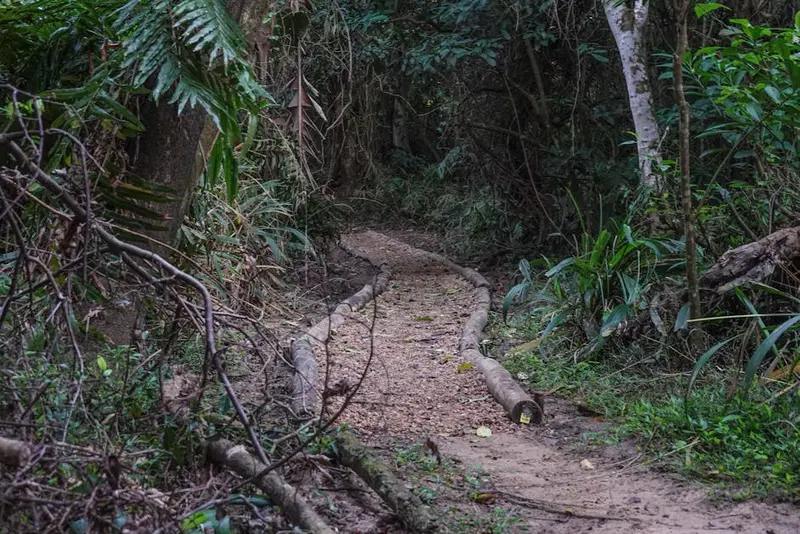
    For nature lovers, the Bokke Nature Trail offers a unique opportunity to experience the volcanic activity of the Akan area up close. This well-maintained hiking trail leads you through dense forests along the lakeshore to the so-called "Bokke" – bubbling mud and sulfuric gas vents rising from the earth. The smell of sulfur in the air and the unique sound of the boiling earth create an almost surreal atmosphere. The path is relatively easy to walk and offers breathtaking views of the lake and the surrounding landscape along the way. It's a fantastic way to explore Hokkaido's geothermal power in a beautiful, unspoiled setting.
    Open in Google Maps
    Akankohan Eco Museum Center

    4Akankohan Eco Museum Center

    Before venturing into the nature of Akan-Mashu National Park, you should definitely visit the Akankohan Eco Museum Center. This informative center serves as an excellent starting point for your adventure, offering valuable insights into the geology, flora, and fauna of the region, including detailed information about the famous Marimo algae. Interactive exhibits and informative panels explain the lake's formation, its unique ecosystems, and the importance of protecting this delicate environment. The friendly staff are happy to provide maps and recommendations for hiking trails and activities, allowing you to optimally plan your visit to the park. It's the perfect place to expand your knowledge and appreciate nature even more.
    Open in Google Maps

    City walks in Akan

    Curated walking tours through the city's highlights, handpicked by experienced travel journalists.

    Lake Akan: Culture, Nature and Marimo Magic

    On this two-hour walk, discover the unique blend of Ainu culture and breathtaking nature at Lake Akan. From traditional crafts to bubbling mud volcanoes, immerse yourself in the fascinating world of this special region of Hokkaido.

    ~2 Std. 15 Min.
    Open in Google Maps
    Stops (6)

    Restaurants & Cafés

    Poronno

    At Poronno, an authentic culinary journey into the world of Ainu cuisine awaits you. This charming restaurant is known for its traditional dishes, prepared with local ingredients and ancient recipes. Try specialties like deer meat stew or fresh fish dishes from Lake Akan, which reflect the rich flavors of Hokkaido's wilderness. The atmosphere is cozy and rustic, often accompanied by Ainu music, making your dining experience an unforgettable cultural highlight.
    Show on Google Maps

    Kiritappu

    Kiritappu is a popular spot for lovers of Japanese home cooking and local specialties. Here you will find a wide selection of dishes, often using fresh seafood and game from the region. Particularly recommended are the dishes with fresh fish from Lake Akan or the hearty noodle soups, which are perfect for warming up after a day in nature. The relaxed and unpretentious atmosphere makes it an ideal place for a hearty lunch or dinner.
    Show on Google Maps

    Marimo Cafe & Dining

    Marimo Cafe & Dining offers you a modern and bright atmosphere with a magnificent view of Lake Akan. It's the perfect spot for an afternoon coffee break or a light dinner. The menu includes a mix of Western dishes and Japanese classics, often with a regional touch. Enjoy fresh salads, pasta, or a local curry while taking in the peaceful views of the lake and surrounding mountains. A relaxed place to recharge your batteries.
    Show on Google Maps

    Food & Drink at Lake Akan

    Akan's gastronomy offers you authentic cuisine deeply rooted in the region's nature and Ainu culture. Here you enjoy fresh local specialties, including Lake Akan fish, served in restaurants like Poronno or the Marimo Cafe & Dining.

    Ainu Cuisine

    At Ainu Kotan by the lakeside, some eateries serve Ainu dishes: Ohaw, a clear soup with salmon or venison and mountain herbs, and Pocche-imo, fermented potato flatbreads.

    Wakasagi

    The small smelt from the lake are fried whole, tempura-style. In winter, you can catch them yourself while ice fishing and have them prepared on site.

    Himemasu

    Akan Lake is the sockeye salmon's original home, where it spends its life in freshwater. It is served as sashimi or grilled.

    Ezo Deer

    Venison from Sika deer, from Eastern Hokkaido's forests, is served as steak, rice bowl, or burger on many menus.

    Culture & History

    Ainu Culture at Lake AkanOn the shore of Lake Akan lies the Akanko Ainu Kotan, one of Hokkaido's largest Ainu settlements. Around 200 people live here; along the main street, workshops and shops create wood carvings, embroidery, and jewelry with traditional Ainu patterns. Traditional Ainu dances, part of UNESCO's Intangible Cultural Heritage, are performed at the Ikor Theater.Nature and BeliefIn the Ainu worldview, animals, plants, mountains, and waters are inhabited by gods, the Kamuy. The Oakan and Meakan volcanoes, which frame the lake, play an important role in the region's traditions.Marimo FestivalThe lake's spherical Marimo algae have been protected as a Special Natural Monument since 1952. Every October, the Ainu community has celebrated the three-day Marimo Festival since 1950, ceremonially returning some Marimo to the lake during the event.National ParkThis area is part of the Akan-Mashu National Park, designated in 1934 as one of Japan's first national parks. The hot spring resort Akanko Onsen developed into one of Eastern Hokkaido's most important holiday destinations in the 20th century.

    Local explorations

    Getting around in Akan is designed for exploring its natural landscapes. The bus forms the backbone of public transportation: Regular bus services connect Akanko Onsen with Kushiro and Kushiro Airport. However, without a car, the Mashū and Kussharo lakes are only accessible to a limited extent, sometimes via seasonal excursion buses. Schedules vary seasonally, so it's best to check them in advance.For flexibility off the main routes, a rental car is the best choice. With a German driver's license, you'll need an official Japanese translation for this. Within Akanko Onsen and Ainu Kotan, everything is easily accessible on foot. Taxis are available, but expensive for longer distances. Plan your routes carefully to experience the landscape at your own pace.

    Accommodations in Akan

    Find perfect stay in Akan

    Booking.com* (Affiliate link)
    Search Hotels
    Agoda* (Affiliate link)
    Search Hotels
    Airbnb
    Vacation Rentals

    * Affiliate link: if you book through it, we earn a small commission. The price stays the same for you.

    Plan your trip to Akan

    Save places, build a route and plan your city trip, all in one place.

    1. 1
      Sunrise over alpine peaks and a sea of clouds
      1234

      Round trip

      12 days · 4 stops

      Saved

      Pick a route

      Pick a ready-made one or save places and plan your own.

      Open bookmarks
    2. 2

      Trip to Akan

      Live
      • 1Lake Akan (Akan-ko)3 days
      • 2Ainu Kotan4 days
      • 3Bokke Nature Trail5 days
      Budget

      Plan your trip

      The planner sorts stops, days and budget. Plan together in real time.

      Start trip planning
    3. 3
      9:41 No signal
      Akan
      Available offline

      Use it on the road

      Download the guide to your phone and use it on site, even offline.

    Nearby

    Hokkaido

    Hokkaido

    Hokkaido is the northernmost of Japan's four main islands, covering a fifth of the country's land area yet home to only four percent of its population. Volcanoes, primeval forests, and lakes characterize the island: In winter, skiers worldwide flock to Niseko for powder snow; in summer, lavender fields bloom around Furano. Other highlights include the capital Sapporo, the port city Hakodate, the wilderness of Shiretoko National Park, and the culture of the Ainu, Northern Japan's indigenous people.

    Shiretoko Nationalpark

    The Shiretoko National Park on Japan's Hokkaido island is a designated UNESCO World Natural Heritage site, renowned for its pristine wilderness and ecosystems. Here you'll encounter a remarkable variety of flora and fauna, including brown bears, deer, sea eagles, and various seal species. Boat tours along the coast are highly recommended to observe the wildlife in its natural habitat. The Shiretoko-Goko (Five Lakes) offer easy hiking trails with views of the surrounding mountain scenery. Another natural phenomenon is the Kamuiwakka Falls, a waterfall with hot spring water, of which usually only the lowest section is accessible for safety reasons. The months of May to October are considered the best time to visit, with late spring and autumn offering good conditions for wildlife viewing. Note that parts of the park are inaccessible in winter.

    Furano & Biei

    The region around Furano and Biei in Hokkaido is renowned for its vast, gentle hilly landscapes and colorful flower fields. In Furano, the iconic lavender fields of Farm Tomita define the scenery, blooming fully from July to early August. Biei captivates with its agriculturally used "Patchwork Hills," stretching along scenic routes such as the Panorama Road. Another highlight is the mystical Blue Pond (Aoiike), whose unique coloration makes it a popular photo spot. Furano is also known for its cheese factory and as a significant ski resort in winter. To optimally explore the expansive landscapes, renting a car is recommended. The ideal time to visit for the flower spectacle is between mid-June and early August, while winter sports enthusiasts appreciate the region from December to March.
    Sapporo

    Sapporo

    Sapporo, Hokkaido's capital, presents itself as a modern metropolis with wide avenues and unique European city planning. You'll discover a rich history of beer brewing here, extensively documented in the Sapporo Beer Garden & Museum. The central Odori Park forms the city's green heart and hosts the famous Snow Festival in winter, while the Sapporo TV Tower offers panoramic views. Hokkaido's historic Government Building, known as the "Red Brick Office," testifies to the city's early development. In the evening, the lively entertainment district of Susukino invites exploration. For a pleasant exploration, visiting in the summer months of July and August is recommended, when the climate is mild. Be sure to try the local specialty Soup Curry or the famous Miso-Ramen, offered in many small eateries.

    Otaru

    Otaru on Hokkaido, a former port city, is known for its historic canal and Sakaimachi Street. The Otaru Canal with its red-brick warehouses bears witness to its heyday as an important trading hub. On Sakaimachi Street, you'll find specialty shops for glassware, music boxes, and local sweets. Visit the Otaru Music Box Museum and enjoy fresh seafood in the local sushi restaurants. An evening boat trip offers an atmospheric perspective of the canal under gas lamps. Otaru is particularly charming in winter during the Snow Light Festival or in colorful autumn.

    Sources & method

    • Photos: Unsplash, Pexels. Each photo carries its credit.
    • The content is based on web research from public, traceable sources. How the content is made · The role of AI