Fernweh: Home
    ExploreTravel GuidesPlan a tripMy tripLast visited
    de|en
    All Places & RegionsAll highlightsAbout FernwehFAQPrivacy PolicyImprint
    ExploreTravel GuidesPlan a tripMy tripLast visited
    • Neighborhoods & highlights
    • Eat & drink
    • Food culture
    • Culture
    • Getting around
    • Accommodation
    • Plan trip
    • Nearby
    Shiretoko Nationalpark

    Japan

    Shiretoko Nationalpark

    City

    The Shiretoko National Park on Japan's Hokkaido island is a designated UNESCO World Natural Heritage site, renowned for its pristine wilderness and ecosystems.

    by Felix Gillen

    1. Home
    2. Destinations
    3. Japan
    4. Hokkaido
    5. Shiretoko Nationalpark
    The Shiretoko National Park on Japan's Hokkaido island is a designated UNESCO World Natural Heritage site, renowned for its pristine wilderness and ecosystems. Here you'll encounter a remarkable variety of flora and fauna, including brown bears, deer, sea eagles, and various seal species. Boat tours along the coast are highly recommended to observe the wildlife in its natural habitat. The Shiretoko-Goko (Five Lakes) offer easy hiking trails with views of the surrounding mountain scenery. Another natural phenomenon is the Kamuiwakka Falls, a waterfall with hot spring water, of which usually only the lowest section is accessible for safety reasons. The months of May to October are considered the best time to visit, with late spring and autumn offering good conditions for wildlife viewing. Note that parts of the park are inaccessible in winter.

    Sights in Shiretoko Nationalpark

    Discover the most important sights and attractions

    1Kaimine Waterfall

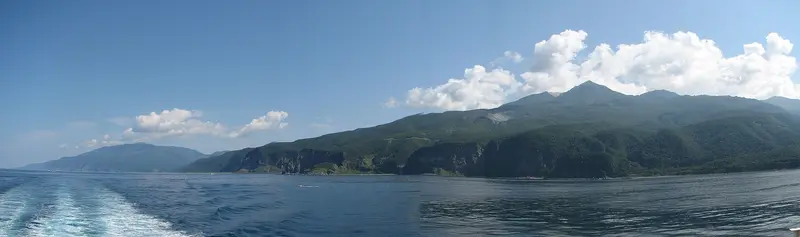
    The Kaimine Ōtaki (カイミネ大滝) is a lesser-known waterfall on the Shiretoko Peninsula, surrounded by dense forest. It lies off the beaten path and is barely developed for tourism.Our Tip: Inquire beforehand at the visitor center about access and trail conditions. The peninsula is bear country; adhere to the national park administration's behavioral guidelines. In winter, the waterfall is generally inaccessible.
    Open in Google Maps
    Shiretoko National Park

    2Shiretoko National Park

    Abgeschiedene Halbinsel mit vielen seltenen Tier- und Pflanzenarten sowie Blick auf Treibeis auf dem Meer.
    Open in Google Maps
    Shiretoko-Goko (Five Lakes)

    3Shiretoko-Goko (Five Lakes)

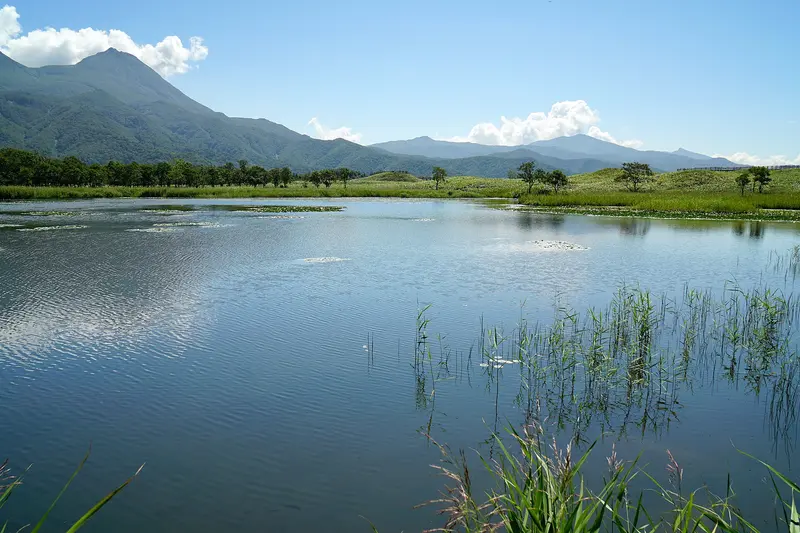
    The Shiretoko Goko (Five Lakes) are a centerpiece of the UNESCO World Natural Heritage Site Shiretoko. These five small lakes are nestled in ancient forest against the backdrop of the Shiretoko Mountain Range; brown bears and sika deer inhabit the area. You have two options: An approximately 800-meter long, elevated and barrier-free boardwalk leads free of charge to a viewpoint at the first lake. It is protected from bears by an electric fence and is open from late April to late November. The ground trails to all five lakes are seasonally regulated: During the bears' peak activity in early summer, you may only enter with a licensed guide, while in the off-season, you can enter after a brief orientation on how to behave in bear encounters. Practical tip: It's quieter in the early morning. Inform yourself in advance about current access regulations, as paths may be temporarily closed due to bear sightings.
    Open in Google Maps

    Essen & Trinken

    1

    Nomikui-dokoro Banya

    Restaurant in 57 Fujimichō.
    Show on Google Maps
    2

    Hamada Shoten (Rausu)

    Restaurant in 365-1 Rebunchō.
    Show on Google Maps

    Shiokaze

    Restaurant in 232 Utorokagawa.
    Show on Google Maps
    3

    Yakiniku Shojuen

    Restaurant in 25-1 Funamichō.
    Show on Google Maps

    Eating & Drinking in Shiretoko

    The cuisine in Shiretoko National Park is closely linked to the sea, offering you an abundance of fresh seafood from the Sea of Okhotsk. Local specialties like King crab, salmon, and sea urchin can be found in many restaurants, including Shiokaze or shiretoko rausu HAMADA SHOUTEN, which are known for their authentic preparation.

    Salmon and Ikura

    In autumn, salmon swim up the peninsula's rivers. In Utoro and Rausu, fresh salmon is then on the menu, as are rice bowls with salmon roe.

    Rausu Sea Urchin & Kombu

    The fishing village on the east side is known for sea urchins and its kombu seaweed, counted among Japan's finest and used as a broth base.

    Hokke

    The Atka mackerel is butterflied, lightly dried, and grilled. This fatty fish is a typical dish of Eastern Hokkaido's inns.

    Yezo Deer

    Game from the Sika deer, which is plentiful on the peninsula, is offered as steak, burger, or in curry.

    Culture and History in Shiretoko

    Die kulturelle und historische Bedeutung der Shiretoko-Halbinsel ist untrennbar mit der indigenen Bevölkerung Hokkaidos, den Ainu, verbunden. Über Jahrhunderte hinweg besiedelten die Ainu dieses raue Land und entwickelten eine reiche Kultur, die auf einem tiefen Respekt vor der Natur und ihren Geistern (Kamuy) basierte. Ihre traditionellen Lebensweisen waren geprägt von Jagd, Fischfang und Sammeln, angepasst an die einzigartige Flora und Fauna der Region.Im späten 19. und frühen 20. Jahrhundert begann die verstärkte japanische Besiedlung, die zur Assimilation der Ainu und zur Entwicklung von Fischereigemeinschaften führte. Architektonisch prägen bis heute eher funktionale Gebäude wie Fischerhütten und die modernen Strukturen der Nationalparkverwaltung das Bild, während die traditionellen Ainu-Chise (Wohnhäuser) nur noch selten oder in musealer Form zu finden sind. Shiretokos jüngere Geschichte ist stark vom Bestreben nach Naturschutz und der Anerkennung als UNESCO-Weltnaturerbe geprägt, was die Wechselbeziehung zwischen Mensch und unberührter Wildnis in den Vordergrund rückt. Lokale Traditionen heute spiegeln diese Harmonie wider, mit einem Fokus auf nachhaltige Nutzung und Bewahrung der einzigartigen Ökosysteme.

    Local adventures

    Shiretoko National Park's remote location requires careful planning. The bus is the main public transport: local buses connect Shiretoko-Shari Station with Utoro and, in the warm season, via Shiretoko Pass to Rausu. Schedules are sparse and seasonal; check them carefully beforehand.For maximum flexibility, a rental car is recommended, e.g., from Abashiri, Memanbetsu Airport, or Kushiro. Note that the Five Lakes to Kamuiwakka Falls road is closed to private vehicles during peak summer/autumn times; a shuttle bus operates from Utoro then. Shiretoko Pass is closed in winter. Taxis are available in Utoro and Shari, but relatively expensive.Within the park, nature is best explored on foot via designated trails. Pay attention to bear warnings and adhere to national park rules. Current bus schedules and road conditions are available at visitor centers. Early booking of rental cars or accommodation is advisable for peak season.

    Accommodations in Shiretoko Nationalpark

    Find perfect stay in Shiretoko Nationalpark

    Booking.com* (Affiliate link)
    Search Hotels
    Agoda* (Affiliate link)
    Search Hotels
    Airbnb
    Vacation Rentals

    * Affiliate link: if you book through it, we earn a small commission. The price stays the same for you.

    Plan your trip to Shiretoko Nationalpark

    Save places, build a route and plan your city trip, all in one place.

    1. 1
      Sunrise over alpine peaks and a sea of clouds
      1234

      Round trip

      12 days · 4 stops

      Saved

      Pick a route

      Pick a ready-made one or save places and plan your own.

      Open bookmarks
    2. 2

      Trip to Shiretoko Nationalpark

      Live
      • 1Kaimine Waterfall3 days
      • 2Shiretoko National Park4 days
      • 3Shiretoko-Goko (Five Lakes)5 days
      Budget

      Plan your trip

      The planner sorts stops, days and budget. Plan together in real time.

      Start trip planning
    3. 3
      9:41 No signal
      Shiretoko Nationalpark
      Available offline

      Use it on the road

      Download the guide to your phone and use it on site, even offline.

    Nearby

    Akan

    Akan, nestled within the majestic landscape of Akan-Mashu National Park, invites you to immerse yourself in a world of untouched nature and rich indigenous culture. Here, on the shores of the mystical Lake Akan, you will find a unique blend of relaxation, adventure, and deep insights into the Ainu way of life.
    Hokkaido

    Hokkaido

    Hokkaido is the northernmost of Japan's four main islands, covering a fifth of the country's land area yet home to only four percent of its population. Volcanoes, primeval forests, and lakes characterize the island: In winter, skiers worldwide flock to Niseko for powder snow; in summer, lavender fields bloom around Furano. Other highlights include the capital Sapporo, the port city Hakodate, the wilderness of Shiretoko National Park, and the culture of the Ainu, Northern Japan's indigenous people.

    Furano & Biei

    The region around Furano and Biei in Hokkaido is renowned for its vast, gentle hilly landscapes and colorful flower fields. In Furano, the iconic lavender fields of Farm Tomita define the scenery, blooming fully from July to early August. Biei captivates with its agriculturally used "Patchwork Hills," stretching along scenic routes such as the Panorama Road. Another highlight is the mystical Blue Pond (Aoiike), whose unique coloration makes it a popular photo spot. Furano is also known for its cheese factory and as a significant ski resort in winter. To optimally explore the expansive landscapes, renting a car is recommended. The ideal time to visit for the flower spectacle is between mid-June and early August, while winter sports enthusiasts appreciate the region from December to March.
    Sapporo

    Sapporo

    Sapporo, Hokkaido's capital, presents itself as a modern metropolis with wide avenues and unique European city planning. You'll discover a rich history of beer brewing here, extensively documented in the Sapporo Beer Garden & Museum. The central Odori Park forms the city's green heart and hosts the famous Snow Festival in winter, while the Sapporo TV Tower offers panoramic views. Hokkaido's historic Government Building, known as the "Red Brick Office," testifies to the city's early development. In the evening, the lively entertainment district of Susukino invites exploration. For a pleasant exploration, visiting in the summer months of July and August is recommended, when the climate is mild. Be sure to try the local specialty Soup Curry or the famous Miso-Ramen, offered in many small eateries.

    Otaru

    Otaru on Hokkaido, a former port city, is known for its historic canal and Sakaimachi Street. The Otaru Canal with its red-brick warehouses bears witness to its heyday as an important trading hub. On Sakaimachi Street, you'll find specialty shops for glassware, music boxes, and local sweets. Visit the Otaru Music Box Museum and enjoy fresh seafood in the local sushi restaurants. An evening boat trip offers an atmospheric perspective of the canal under gas lamps. Otaru is particularly charming in winter during the Snow Light Festival or in colorful autumn.

    Sources & method

    • Photos: Wikimedia Commons. Each photo carries its credit.
    • Place data such as addresses and ratings comes from Google Maps.
    • The content is based on web research from public, traceable sources. How the content is made · The role of AI