Fernweh
    ExploreTravel GuidesMy Trips
    de|en
    About FernwehImprintFAQPrivacy Policy
    ExploreTravel GuidesMy Trips
    Furano & Biei

    Furano & Biei

    City
    1. Home
    2. Destinations
    3. Japan
    4. Hokkaido
    5. Furano & Biei
    The region around Furano and Biei in Hokkaido is renowned for its vast, gentle hilly landscapes and colorful flower fields. In Furano, the iconic lavender fields of Farm Tomita define the scenery, blooming fully from July to early August. Biei captivates with its agriculturally used "Patchwork Hills," stretching along scenic routes such as the Panorama Road. Another highlight is the mystical Blue Pond (Aoiike), whose unique coloration makes it a popular photo spot. Furano is also known for its cheese factory and as a significant ski resort in winter. To optimally explore the expansive landscapes, renting a car is recommended. The ideal time to visit for the flower spectacle is between mid-June and early August, while winter sports enthusiasts appreciate the region from December to March.
    • Neighborhoods & highlights
    • Eat & drink
    • Culture
    • Getting around
    • Accommodation
    • Plan trip
    • Nearby
    • Neighborhoods & highlights
    • Eat & drink
    • Culture
    • Getting around
    • Accommodation
    • Plan trip
    • Nearby

    Overview

    Furano and Biei, nestled in the heart of Hokkaido, are renowned for their rolling hills and vast, seasonally changing flower fields. Especially in summer, the lavender fields of Farm Tomita in Furano attract numerous visitors, while the Biei region captivates with its "patchwork hills" and the picturesque Blue Pond (Aoiike). The landscape is the result of decades of agricultural use, which has created a unique, photogenic backdrop. You'll also find local cheese and wine producers here, offering insights into the regional culinary scene. For the most spectacular blossoms, a visit between mid-June and late July is recommended; outside this peak season, the fields are less crowded but still offer charming views. The best way to explore the area and discover hidden viewpoints is by rental car or bicycle.

    Places in Furano & Biei

    Discover the most important sights and attractions

    Sights in Furano & Biei

    1Urespa Farm

    Die Urespa Farm in Furano repräsentiert die moderne Agrarkultur Hokkaidos und ihre enge Verbindung zur regionalen Kulinarik. Sie steht für die Tradition, hochwertige landwirtschaftliche Erzeugnisse direkt vom Feld anzubieten und spielt eine Rolle in der lokalen Versorgungskette. Besucher können hier die Frische der Region unmittelbar erleben und sich von der Qualität der Produkte überzeugen, was die Bedeutung der Landwirtschaft für die Identität Furanos unterstreicht.Du findest auf der Farm einen Direktverkauf, der je nach Saison frisches Gemüse und Obst anbietet. Besonders hervorzuheben ist der lokal berühmte Furano-Spargel. Ein angegliedertes Café oder Restaurant lädt dazu ein, Gerichte zu probieren, die mit den eigenen Erzeugnissen zubereitet werden, und bietet so ein authentisches Geschmackserlebnis. Es ist ein Ort, der die Verbindung zwischen Anbau und Genuss unmittelbar erfahrbar macht.Praktischer Tipp: Plane deinen Besuch idealerweise im späten Frühling oder Frühsommer, um den Spargel in seiner besten Qualität zu genießen. Achte auf die saisonalen Angebote im Hofladen. Für ein ruhigeres Erlebnis empfiehlt sich ein Besuch unter der Woche am Vormittag.
    Open in Google Maps

    2キガラシ畑

    Die キガラシ畑 (Kigarashi-Felder) in der Region Furano und Biei bieten dir ein beeindruckendes Schauspiel leuchtend gelber Blüten. Diese Felder sind ein wichtiger Bestandteil der landwirtschaftlichen Vielfalt der Region und tragen zur berühmten Patchwork-Landschaft bei, die viele Besucher anzieht. Anders als die bekannteren Lavendelfelder, zeigen die Kigarashi-Felder eine andere Facette der saisonalen Schönheit Hokkaidos. Du findest hier weite Flächen, die besonders im Frühsommer in sattem Gelb erstrahlen und fantastische Fotomotive bieten. Unser Tipp: Besuche die Felder am besten am frühen Morgen oder späten Nachmittag, um das weiche Licht für deine Aufnahmen zu nutzen und den größten Touristenströmen auszuweichen. Ein erhöhter Aussichtspunkt in der Nähe bietet oft die beste Perspektive auf die sanften Hügel mit ihren farbigen Mustern.
    Open in Google Maps

    3富良野スキー場 富良野ZONE

    Das Furano Ski Resort in Furano, Hokkaido, ist ein etabliertes Wintersportzentrum und genießt in Japan einen hervorragenden Ruf für seine Schneequalität und die vielfältigen Abfahrten. Die Furano Zone, eine der beiden Hauptbereiche des Resorts, spielte eine bedeutende Rolle als Austragungsort internationaler Wettkämpfe, darunter mehrfach der FIS Ski World Cup. Dies unterstreicht ihre Bedeutung im professionellen Skisport.Dich erwarten hier hervorragend präparierte Pisten, die sowohl für Anfänger als auch für fortgeschrittene Skifahrer und Snowboarder geeignet sind. Die lange Furano Ropeway bringt dich bequem auf den Berg, von wo aus du nicht nur Zugang zu verschiedenen Abfahrten hast, sondern auch einen beeindruckenden Panoramablick auf die umliegende Bergwelt, einschließlich des Daisetsuzan-Gebirges, genießen kannst. Unser Tipp: Um die besten Schneeverhältnisse zu erleben und gleichzeitig den größten Menschenmassen zu entgehen, empfiehlt sich ein Besuch unter der Woche, besonders im Januar oder Februar. Für ein unvergessliches Erlebnis bei Sonnenuntergang fahre die Pisten am späten Nachmittag hinunter, wenn die Landschaft in goldenes Licht getaucht wird.
    Open in Google Maps

    4Leisure Guide Asobiya

    Der Leisure Guide Asobiya in Furano & Biei ist dein fachkundiger Partner, um die atemberaubende Natur Hokkaidos aktiv zu erkunden. Anstatt eines festen Bauwerks bietet Asobiya eine breite Palette an geführten Outdoor-Aktivitäten, die tief in die lokale Landschaft eingebettet sind. Du kannst dich auf sorgfältig geplante Touren freuen, die von erfahrenen Guides geleitet werden.Im Sommer erwarten dich spannende Rafting-Abenteuer auf dem Sorachi-Fluss oder entspannte Fahrradtouren durch die ikonischen Lavendelfelder und sanften Hügel von Biei. Die Wintermonate verwandeln die Region in ein Schneeparadies, perfekt für Schneeschuhwanderungen durch unberührte Wälder oder aufregendes Snow-Rafting. Die kulturelle Bedeutung liegt hier im Vermitteln eines nachhaltigen Zugangs zur Natur und dem Erleben der Jahreszeiten auf traditionelle Weise. Unser Tipp: Buche deine Touren unbedingt weit im Voraus, besonders während der Hochsaison im Juli/August und Januar/Februar, um Enttäuschungen zu vermeiden. Für eine ruhige und intensive Naturerfahrung empfehlen wir die frühen Morgenstunden für Wanderungen oder Radtouren, bevor die Hauptbesucherströme einsetzen.
    Open in Google Maps

    5Ningle Terrace

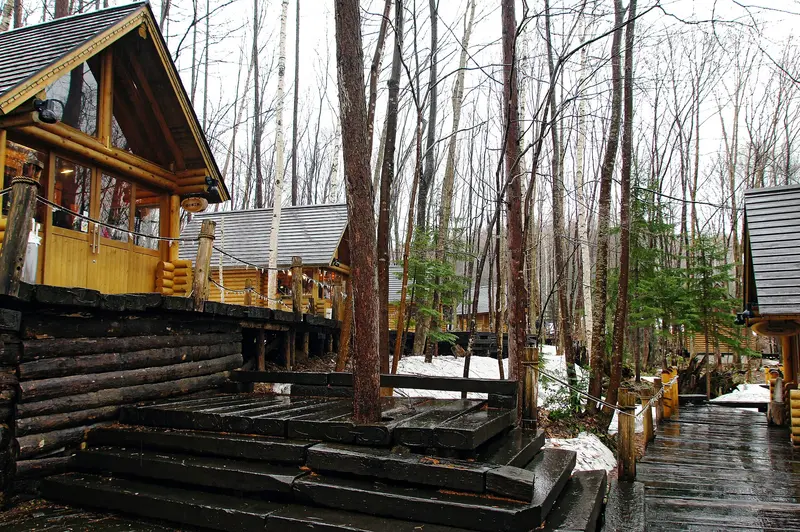
    Die Ningle Terrace in Furano ist ein charmantes Dorf aus kleinen Holzhütten, das sich harmonisch in den umliegenden Wald einfügt. Diese einzigartige Anlage wurde inspiriert von Ningle, einer Waldfee aus den Geschichten des lokalen Autors Satoshi Kuramoto, und soll die Verbindung zwischen Mensch und Natur durch Handwerk zelebrieren. Du findest hier eine Reihe von Ateliers, in denen lokale Kunsthandwerker ihre Produkte herstellen und verkaufen, darunter Holzschnitzereien, Glaswaren, Papierkunst und andere handgefertigte Souvenirs. Jeder Laden ist individuell gestaltet und bietet oft Unikate. Die Atmosphäre ist besonders stimmungsvoll und fast märchenhaft. Unser Tipp: Besuche die Ningle Terrace am besten in den Abendstunden, besonders im Winter, wenn die Wege und Hütten zauberhaft beleuchtet sind und eine magische Kulisse bieten. Dies ist auch die beste Zeit für beeindruckende Fotos. Um den größten Andrang zu vermeiden, plane deinen Besuch unter der Woche.
    Open in Google Maps

    Restaurants in Furano & Biei

    Historical Heritage and Artistic Inspiration

    The culture and art scene of Furano and Biei is deeply influenced by Hokkaido's unique natural landscape and its relatively recent settlement history. The region was systematically developed for agriculture only in the late 19th and early 20th centuries, long after the indigenous Ainu people inhabited the island.This agricultural development shaped local traditions and architecture, often characterized by functional farmhouses and distinctive barns. For decades, many artists and photographers have drawn inspiration from the expansive hilly landscapes, fostering a strong connection between nature and visual art.Cultural distinctiveness manifests in seasonal festivals that honor the agricultural cycle, such as harvest or flower festivals. The region's heritage is less rooted in historical buildings of national significance, but rather in the cultivated landscape and the way of life of its residents, who find beauty in nature and their labor.

    Exploring Locally

    Furano and Biei, known for their vast landscapes, employ diverse transport, but metro or tram services are absent. Instead, buses (especially seasonal sightseeing and local routes) and JR train connections are crucial for regional exploration; the JR Hokkaido Rail Pass or local single tickets are ideal.For exploring the scenic hilly landscapes, bicycles and e-bikes, available for rent in many places, are the best choice to discover Biei's "Patchwork Road" and "Panorama Road" independently. Taxis are available but can be costly, while ride-sharing services are less common.Although the town centers of Furano and Biei are pedestrian-friendly, the widely scattered attractions are difficult to reach without a vehicle, which is why a rental car, especially outside bus routes or during the off-season, often represents the most flexible option to fully experience the region's beauty.

    Accommodations in Furano & Biei

    Accommodations in Furano & Biei

    Find perfect stay in Furano & Biei

    Booking.com
    Search Hotels
    Agoda
    Search Hotels
    Airbnb
    Vacation Rentals
    Hotels.com
    Hotels Worldwide
    Hostelworld
    Hostels

    Plan your trip to Furano & Biei

    Save places, build a route and plan your city trip — all in one place.

    Save places

    Bookmark sights, restaurants and neighborhoods you're interested in.

    Build your route

    Turn your bookmarks into a route — define order, days and budget.

    Refine with AI

    Let Mein Fernweh suggest experiences and put together a tailored daily plan.

    Start trip planningOpen bookmarks

    Locations nearby

    These places are nearby — perfect for additional days or a day trip.

    Hokkaido

    Hokkaido

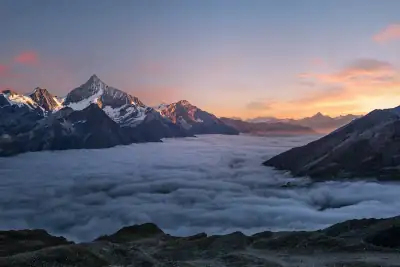
    Hokkaido ist Japans nördlichste Präfektur und ein wahres Paradies für Naturliebhaber und Abenteurer. Du findest hier unberührte Landschaften, von vulkanischen Bergen und dichten Wäldern bis hin zu weiten Küsten und glitzernden Seen. Die Insel lockt zudem mit einer einzigartigen kulinarischen Szene und erstklassigen Wintersportmöglichkeiten, die dich begeistern werden.
    Sapporo

    Sapporo

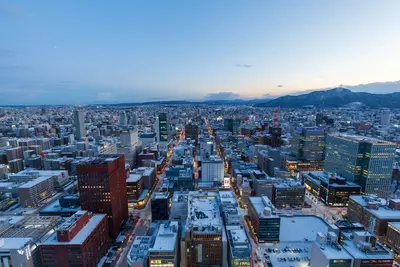
    Sapporo, Hokkaido's capital, presents itself as a modern metropolis with wide avenues and unique European city planning. You'll discover a rich history of beer brewing here, extensively documented in the Sapporo Beer Garden & Museum. The central Odori Park forms the city's green heart and hosts the famous Snow Festival in winter, while the Sapporo TV Tower offers panoramic views. Hokkaido's historic Government Building, known as the "Red Brick Office," testifies to the city's early development. In the evening, the lively entertainment district of Susukino invites exploration. For a pleasant exploration, visiting in the summer months of July and August is recommended, when the climate is mild. Be sure to try the local specialty Soup Curry or the famous Miso-Ramen, offered in many small eateries.
    Otaru

    Otaru

    Otaru on Hokkaido, a former port city, is known for its historic canal and Sakaimachi Street. The Otaru Canal with its red-brick warehouses bears witness to its heyday as an important trading hub. On Sakaimachi Street, you'll find specialty shops for glassware, music boxes, and local sweets. Visit the Otaru Music Box Museum and enjoy fresh seafood in the local sushi restaurants. An evening boat trip offers an atmospheric perspective of the canal under gas lamps. Otaru is particularly charming in winter during the Snow Light Festival or in colorful autumn.
    Toya-See & Noboribetsu

    Toya-See & Noboribetsu

    The region around Lake Toya and Noboribetsu in Hokkaido offers a fascinating blend of volcanic landscapes and relaxing onsen culture. At Lake Toya, a crater lake, you can enjoy picturesque views, explore Nakajima Island, or take a ropeway up active Mount Usu to observe its geological activity. Noboribetsu is renowned for its Jigokudani, the "Hell Valley", where you'll experience sulfurous steam and bubbling springs up close, a testament to the region's intense volcanic activity. The hot springs here are among Japan's best, offering perfect relaxation after a day in nature. It's best to visit Noboribetsu in the cooler months to enjoy the full onsen experience, while Lake Toya entices with daily fireworks in summer. Plan at least one full day for both locations to truly appreciate their uniqueness.
    Akan

    Akan

    Akan, nestled within the majestic landscape of Akan-Mashu National Park, invites you to immerse yourself in a world of untouched nature and rich indigenous culture. Here, on the shores of the mystical Lake Akan, you will find a unique blend of relaxation, adventure, and deep insights into the Ainu way of life.