Fernweh
    ExploreTravel GuidesMy Trips
    de|en
    About FernwehImprintFAQPrivacy Policy
    ExploreTravel GuidesMy Trips
    Iya-Tal

    Iya-Tal

    CityCulture
    1. Home
    2. Destinations
    3. Japan
    4. Shikoku
    5. Iya-Tal
    Dieses abgelegene und atemberaubende Tal, tief in den Bergen von Tokushima gelegen, ist bekannt für seine historischen Reetbrücken und dramatischen Schluchten, die dich in eine andere Zeit versetzen werden.
    • Neighborhoods & highlights
    • Eat & drink
    • Culture
    • Getting around
    • Accommodation
    • Plan trip
    • Nearby
    • Neighborhoods & highlights
    • Eat & drink
    • Culture
    • Getting around
    • Accommodation
    • Plan trip
    • Nearby

    Overview

    Im Iya-Tal, tief in den Bergen von Tokushima gelegen, entdeckst du eine der abgelegensten und landschaftlich reizvollsten Regionen Japans. Bekannt ist das Tal vor allem für seine historischen Kazurabashi, die aus Lianen geflochtenen Hängebrücken, die sich dramatisch über die Schluchten spannen. Du findest hier auch die Ochiai-Landschaft, ein malerisches Dorf mit traditionellen Bauernhäusern, das sich an steile Berghänge schmiegt und einen Einblick in das ländliche Japan vergangener Zeiten bietet. Historisch diente das Tal als Rückzugsort für den besiegten Heike-Klan im 12. Jahrhundert, was seine isolierte Lage unterstreicht. Für eine beeindruckende Aussicht auf die tiefen Schluchten und den Fluss empfiehlt sich ein Besuch der Oboke-Schlucht. Die beste Reisezeit ist der Herbst zur Laubfärbung oder das späte Frühjahr, um die Natur in voller Pracht zu erleben. Plane genügend Zeit für die Anreise ein, da die kurvenreichen Bergstraßen eine langsame Fahrt erfordern.

    Places in Iya-Tal

    Discover the most important sights and attractions

    Sights in Iya-Tal

    1Hinoji Valley - Iya River Bend Observation Point

    Der Hinoji Valley - Iya River Bend Observation Point bietet dir einen spektakulären Blick auf eine der markantesten Naturformationen des Iya-Tals. Hier windet sich der Iya-Fluss in einer ausgeprägten 'ひ'-Form durch die tiefe Schlucht, was dem Aussichtspunkt seinen Namen gibt. Die Region ist bekannt für ihre Abgeschiedenheit und wilde Schönheit, die historisch als Rückzugsort diente. Du blickst hinab auf üppige Wälder, dramatische Klippen und das smaragdgrüne Wasser des Flusses. Besonders im Herbst, wenn sich das Laub verfärbt, entfaltet die Landschaft eine beeindruckende Farbpalette. Dieser Punkt verdeutlicht die raue Topographie des Iya-Tals, das seit Jahrhunderten von der Außenwelt isoliert war und eine einzigartige Kultur bewahrt hat. Unser Tipp: Besuche den Aussichtspunkt am späten Vormittag oder frühen Nachmittag an einem klaren Tag, um die beste Sicht und optimale Lichtverhältnisse für Fotos zu erhalten. Die markante Flussschleife ist vom Beobachtungsdeck aus am besten zu erfassen. Achte darauf, bequemes Schuhwerk zu tragen, da der Zugang zum Aussichtspunkt oft mit einem kurzen Spaziergang verbunden ist.
    Open in Google Maps

    2Kazurabashi Camp Village

    Das Kazurabashi Camp Village liegt idyllisch im Herzen des abgelegenen Iya-Tals und dient als direkter Zugang zur berühmten Iya Kazurabashi Brücke. Diese historische Rankenbrücke, eine von nur noch wenigen in Japan, wurde einst von den Heike-Flüchtlingen im 12. Jahrhundert errichtet. Sie bot einen schnellen Fluchtweg, da sie bei Bedarf leicht zerstört werden konnte. Im Camp Village findest du einfache, aber gepflegte Campingplätze und rustikale Hütten, die dir eine authentische Übernachtung inmitten der unberührten Natur ermöglichen. Es ist der perfekte Ort, um die Ruhe des Tals nach den Tagesbesuchern zu erleben. Praktischer Tipp: Um die Kazurabashi Brücke ohne große Menschenmassen zu überqueren und ungestört Fotos zu machen, plane deinen Besuch am besten direkt nach der Öffnung am Morgen. Für die Übernachtung im Camp Village ist eine frühzeitige Reservierung, insbesondere an Feiertagen und im Herbst, ratsam, da die Kapazitäten begrenzt sind.
    Open in Google Maps

    3Statue of a Peeing Boy

    Die Statue des pinkelnden Jungen, lokal als Shoben Kozō bekannt, ist ein eigenwilliges Wahrzeichen im abgelegenen Iya-Tal. Sie erinnert an eine alte Tradition, bei der mutige Einheimische und Reisende ihre Tapferkeit auf die Probe stellten, indem sie von dieser gefährlichen Klippe urinierten. Die kleine Bronzestatue steht auf einem schmalen Vorsprung und blickt direkt in die Tiefe des Tals, dessen steile Abhänge und der smaragdgrüne Fluss eine dramatische Kulisse bilden. Sie dient heute als Mahnung vor den Gefahren der Schlucht.Wenn du die Statue besuchst, erwartet dich neben dem ungewöhnlichen Denkmal eine atemberaubende Aussicht über die unberührte Natur des Tals. Es ist ein beliebter Fotopunkt, der die raue Schönheit der Region einfängt. Unser Tipp: Sei besonders vorsichtig auf dem schmalen Pfad und an der Klippe. Für die besten Fotos und um Menschenmassen zu vermeiden, empfiehlt sich ein Besuch am frühen Morgen. Die Herbstmonate bieten zudem eine spektakuläre Laubfärbung, die die Landschaft in leuchtende Farben taucht.
    Open in Google Maps

    4祖谷モノライダー

    Der 祖谷モノライダー im Iya-Tal bietet dir eine einzigartige Möglichkeit, die dichten Wälder und die steile Topographie dieser abgelegenen Region Japans zu erleben. Es handelt sich um eine etwa 4,6 Kilometer lange Waldbahn, die dich auf einer gemütlichen, rund 70-minütigen Fahrt durch unberührte Zedernwälder führt. Die Monorail, die ursprünglich zur Holzernte gedacht war, wurde für den Tourismus adaptiert und ermöglicht es, tief in die Natur einzutauchen, ohne anstrengende Wanderungen unternehmen zu müssen. Während der Fahrt erreichst du Höhen von bis zu 600 Metern und genießt dabei die Ruhe und die frische Luft des Tals. Unser Tipp: Die Fahrt ist besonders im Herbst reizvoll, wenn sich das Laub in leuchtende Farben verwandelt. Da die kleinen Kabinen nur zwei Personen fassen und die Kapazität begrenzt ist, empfiehlt es sich, früh am Tag anzukommen, um Wartezeiten zu vermeiden.
    Open in Google Maps

    Restaurants in Iya-Tal

    Culture, Art & History of the Iya Valley

    The Iya Valley is deeply rooted in Japanese history and is considered a refuge for the defeated Heike warriors after the Genpei War in the 12th century. This long isolation fostered a unique self-sufficient culture that was preserved for centuries. The Kazurabashi, iconic vine bridges, are a prime example of traditional engineering and adaptation to the rugged terrain. They testify to the methods the inhabitants developed to survive and navigate this isolated region. Traditional farmhouses, known as Kominka, also reflect the local architectural style, often featuring thatched roofs that blend harmoniously into the landscape. The myths and legends surrounding the Heike descendants continue to shape the valley's cultural heritage to this day. Local customs and crafts, such as the production of Soba noodles from regionally grown buckwheat or weaving, reflect the inhabitants' deep connection to nature and its resources.

    Getting Around Here

    Getting around the remote Iya Valley requires careful planning and differs significantly from Japan's urban centers. Subways or trams are non-existent here. Instead, public buses, operated by Shikoku Kotsu, are the primary option for travelers without their own vehicle. These buses connect main train stations like Awa-Ikeda with key attractions, but they run infrequently, making a close look at the timetables essential. For maximum flexibility and to reach the valley's more secluded corners, a rental car is the most recommended choice. Taxis are available, but due to limited availability and higher costs, they should be booked in advance. Within smaller villages and on the numerous hiking trails, the valley is very pedestrian-friendly. Bicycles or e-scooters are less practical due to the mountainous terrain and steep roads. Always plan your routes in advance and factor in long travel times.

    Accommodations in Iya-Tal

    Accommodations in Iya-Tal

    Find perfect stay in Iya-Tal

    Booking.com
    Search Hotels
    Agoda
    Search Hotels
    Airbnb
    Vacation Rentals
    Hotels.com
    Hotels Worldwide
    Hostelworld
    Hostels

    Plan your trip to Iya-Tal

    Save places, build a route and plan your city trip — all in one place.

    Save places

    Bookmark sights, restaurants and neighborhoods you're interested in.

    Build your route

    Turn your bookmarks into a route — define order, days and budget.

    Refine with AI

    Let Mein Fernweh suggest experiences and put together a tailored daily plan.

    Start trip planningOpen bookmarks

    Locations nearby

    These places are nearby — perfect for additional days or a day trip.

    Shikoku

    Shikoku

    Welcome to Shikoku, the smallest of Japan's four main islands, a place that will captivate you with its rugged nature, deeply rooted spirituality, and unparalleled tranquility. Here you can experience the famous 88-temple pilgrimage, explore secluded valleys, or savor its unique cuisine, especially Udon noodles.
    Setouchi

    Setouchi

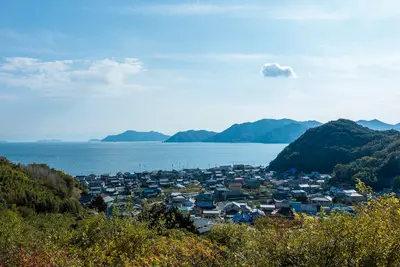
    Die Region Setouchi, um das sanfte Seto-Binnenmeer gelegen, verzaubert dich mit ihrer einzigartigen Mischung aus atemberaubender Natur, pulsierender Kunstszene und reicher kulinarischer Tradition. Entdecke eine Welt aus über 3.000 Inseln, von denen viele Heimat von Weltklasse-Kunstinstallationen und traditionellen Fischerdörfern sind.Genieße das milde Klima, die frische Meeresbrise und die exquisite lokale Küche, die die Seele dieses besonderen Ortes widerspiegelt.
    Takamatsu

    Takamatsu

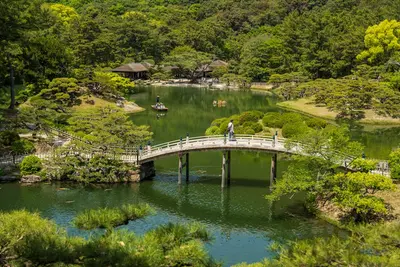
    Takamatsu is a significant gateway to the art islands of the Seto Inland Sea and itself offers a rich history and green oases. The outstanding highlight is Ritsurin-kōen, an expansive Edo-period landscape garden considered one of Japan's most beautiful. Here you can explore carefully designed ponds, hills, and traditional tea houses that hold charm in every season. The ruins of the former Takamatsu Castle, now Tamamo Park, offer insights into the city's feudal past. From the port, you can easily reach famous art islands like Naoshima and Teshima, especially relevant during the Setouchi Triennale. For an authentic glimpse into city life, the bustling shopping arcades, like the Marugamemachi Arcade, are perfect for strolls and local specialties. Plan an early morning for Ritsurin Garden to fully savour its peaceful atmosphere, and reserve ample time for ferry connections to the islands.
    Naoshima

    Naoshima

    Immerse yourself in a unique world where contemporary art and stunning architecture harmoniously blend with the serene nature of a Japanese island. Naoshima is a true paradise for culture enthusiasts and those seeking a tranquil escape to experience art in an entirely new context.
    Shodoshima

    Shodoshima

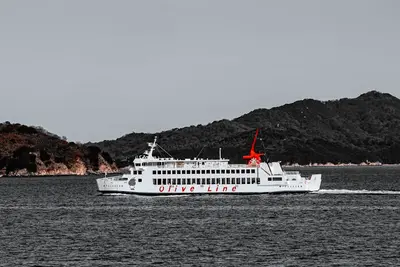
    Shodoshima, the second-largest island in the Seto Inland Sea, is renowned for its Mediterranean atmosphere and the unique blend of nature and traditional craftsmanship. Here you'll find Japan's first olive groves, which lend a special flair to the island and are used for olive oil production. Another cultural highlight is traditional soy sauce production, which you can experience in historic breweries like the Marukin Soy Sauce Memorial Hall. Visit the Angel Road, a sandbar passable at low tide connecting two small islands, or explore the spectacular Kankakei Gorge with its dramatic rock formations. The island is also an important venue for the Setouchi Triennale, which integrates contemporary artworks into the landscape. For a relaxed exploration of the olive groves and coastal roads, a rental car is recommended; the best time to visit is spring or autumn to enjoy the mild temperatures.