Fernweh
    ExploreTravel GuidesMy Trips
    de|en
    About FernwehImprintFAQPrivacy Policy
    ExploreTravel GuidesMy Trips
    Shikoku

    Shikoku

    Region
    1. Home
    2. Destinations
    3. Japan
    4. Shikoku
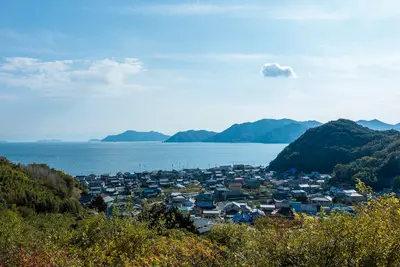
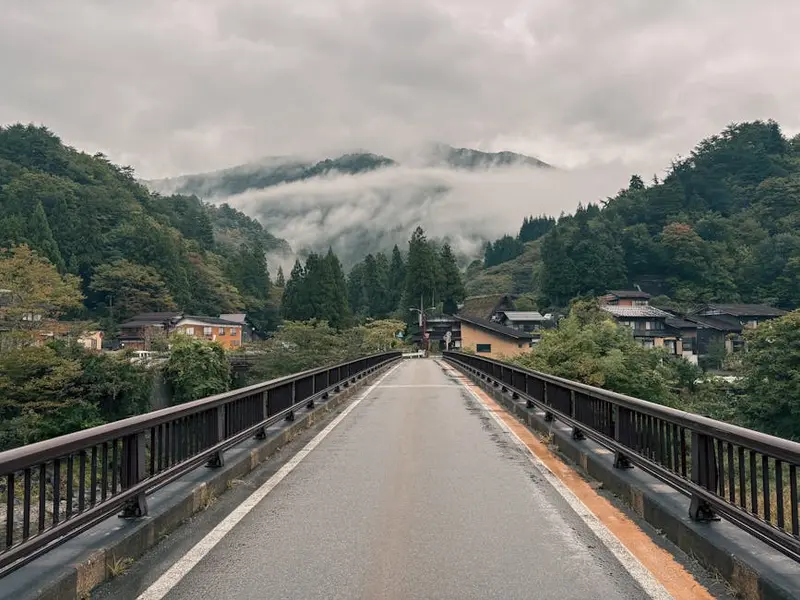
    Welcome to Shikoku, the smallest of Japan's four main islands, a place that will captivate you with its rugged nature, deeply rooted spirituality, and unparalleled tranquility. Here you can experience the famous 88-temple pilgrimage, explore secluded valleys, or savor its unique cuisine, especially Udon noodles.
    • Overview
    • Places in the region
    • Eat & drink
    • Culture
    • Nearby
    • Overview
    • Places in the region
    • Eat & drink
    • Culture
    • Nearby
    Shikoku, die kleinste der vier japanischen Hauptinseln, präsentiert sich als Region von ursprünglicher Natur und tief verwurzelter Spiritualität. Hier kannst du den historischen Shikoku Henro, einen 88-Tempel-Pilgerweg, begehen, der dich durch vielfältige Landschaften zu bedeutenden buddhistischen Stätten führt. Die abgelegenen Täler, wie das Iya-Tal in Tokushima, sind berühmt für ihre traditionellen strohgedeckten Häuser und die beeindruckenden Lianenbrücken. Kulinarisch prägt die Insel besonders die Sanuki Udon aus Kagawa, deren einzigartige Zubereitung du in zahlreichen lokalen Lokalen entdecken kannst. Ein Besuch der Ritsurin-Gärten in Takamatsu, einer der schönsten traditionellen Gartenanlagen Japans, ist ebenfalls empfehlenswert. Für eine optimale Reiseerfahrung bieten sich der Frühling oder Herbst an, wenn das milde Klima und die Farben der Natur besonders reizvoll sind.

    Places in Shikoku

    Iya-Tal

    Iya-Tal

    Dieses abgelegene und atemberaubende Tal, tief in den Bergen von Tokushima gelegen, ist bekannt für seine historischen Reetbrücken und dramatischen Schluchten, die dich in eine andere Zeit versetzen werden.
    Matsuyama

    Matsuyama

    Die größte Stadt Shikokus ist berühmt für die beeindruckende Burg Matsuyama und das historische Dogo Onsen, eines der ältesten und bekanntesten Thermalbäder Japans, das dich zur puren Entspannung einlädt.

    Sights in Shikoku

    Discover the most important sights and attractions

    Toyonaga Folk Museum

    Museum in 64 Ao.
    Open in Google Maps

    ギャラリー夢来里

    Museum in 45-1 Ōdaira.
    Open in Google Maps

    奥神賀山

    Attraction in Yunoki.
    Open in Google Maps

    Otoyo Yone Rice Terraces

    Attraction in 528 Yōne.
    Open in Google Maps

    福寿草の里 南大王

    Attraction in 56 Minamidaiō.
    Open in Google Maps

    Toyonaga Folk Museum

    Das Toyonaga Folk Museum auf Shikoku widmet sich der Bewahrung und Präsentation des traditionellen Lebens und der Kultur dieser Region Japans. Du findest hier eine umfassende Sammlung von Werkzeugen, Haushaltsgegenständen und landwirtschaftlichen Geräten, die Einblicke in den Alltag der ländlichen Bevölkerung vergangener Jahrhunderte geben. Besonders hervorzuheben sind die originalgetreu restaurierten Bauernhäuser, die typisch für die Architektur Shikokus sind und dir ein Gefühl für das damalige Wohnen vermitteln. Die Ausstellungen beleuchten auch lokale Handwerkskünste und Bräuche. Unser Tipp: Besuche das Museum am besten unter der Woche vormittags, um die ruhige Atmosphäre voll auszukosten. Achte besonders auf die detailreiche Holzarbeit in den historischen Gebäuden – sie bieten hervorragende Fotomotive und zeugen von der Handwerkskunst der Zeit.
    Open in Google Maps

    Essen & Trinken

    Shikoku's Cultural Heritage: Pilgrim Routes, Castles and Arts

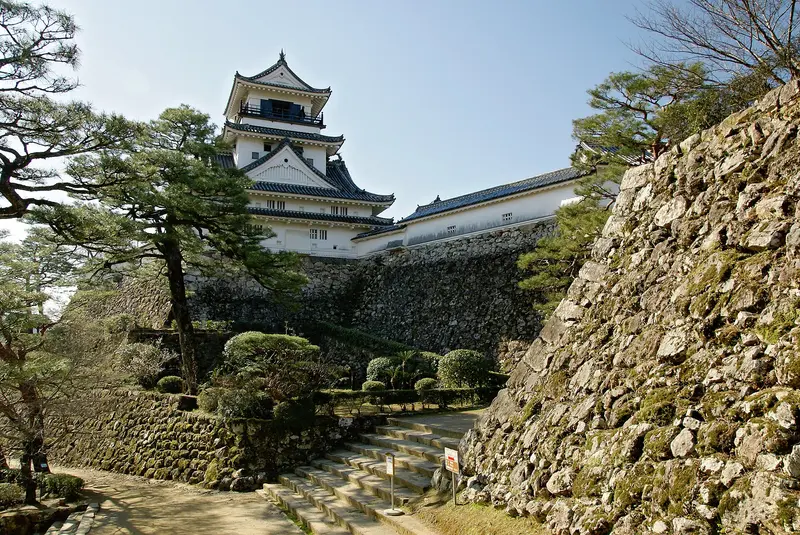
    Shikoku is deeply rooted in a history shaped by the emergence of Buddhism in Japan and the development of the famous Shikoku Henro, a 1,200-kilometer pilgrimage to 88 temples. This spiritual tradition, spanning over 1,200 years, has profoundly shaped the island's cultural landscape, giving rise to numerous temple architectures and local customs.The island also boasts remarkable architectural legacies from the feudal era, including well-preserved castles like those of Matsuyama, Kōchi, and the imposing Marugame Castle, one of Japan's twelve original castles. These fortresses offer insights into the military architecture and way of life of the Samurai era. Cultural distinctiveness also manifests in traditional crafts such as Aizome indigo dyeing in Tokushima or the production of Tosa Washi paper in Kōchi, reflecting the artistic heritage of the region.The vibrant cultural life is evident in the annual Awa Odori Festival in Tokushima, one of Japan's largest dance festivals, which attracts visitors with its specific rhythms and traditional costumes and continues a centuries-old tradition.

    Locations nearby

    These places are nearby — perfect for additional days or a day trip.

    Iya-Tal

    Iya-Tal

    Dieses abgelegene und atemberaubende Tal, tief in den Bergen von Tokushima gelegen, ist bekannt für seine historischen Reetbrücken und dramatischen Schluchten, die dich in eine andere Zeit versetzen werden.
    Setouchi

    Setouchi

    Die Region Setouchi, um das sanfte Seto-Binnenmeer gelegen, verzaubert dich mit ihrer einzigartigen Mischung aus atemberaubender Natur, pulsierender Kunstszene und reicher kulinarischer Tradition. Entdecke eine Welt aus über 3.000 Inseln, von denen viele Heimat von Weltklasse-Kunstinstallationen und traditionellen Fischerdörfern sind.Genieße das milde Klima, die frische Meeresbrise und die exquisite lokale Küche, die die Seele dieses besonderen Ortes widerspiegelt.
    Takamatsu

    Takamatsu

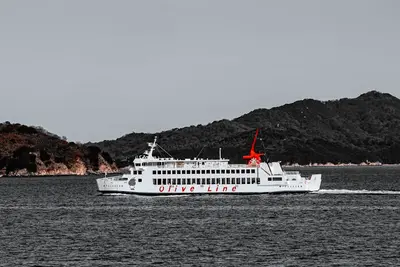
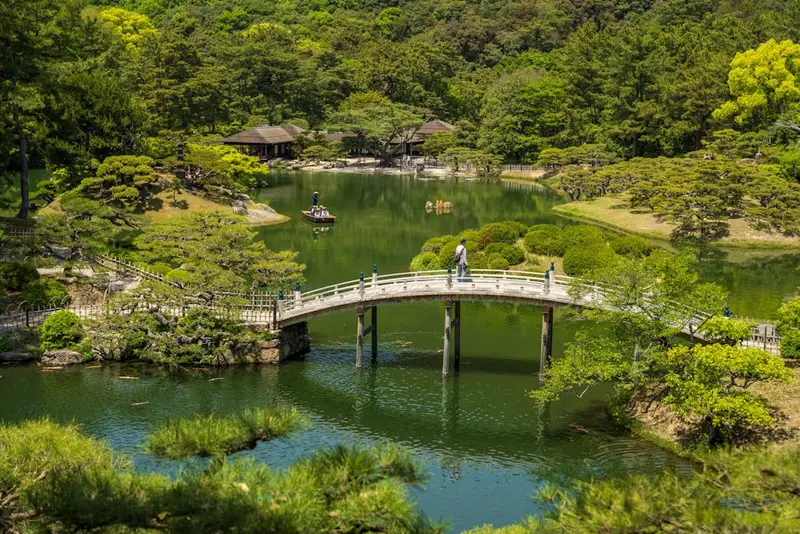
    Takamatsu is a significant gateway to the art islands of the Seto Inland Sea and itself offers a rich history and green oases. The outstanding highlight is Ritsurin-kōen, an expansive Edo-period landscape garden considered one of Japan's most beautiful. Here you can explore carefully designed ponds, hills, and traditional tea houses that hold charm in every season. The ruins of the former Takamatsu Castle, now Tamamo Park, offer insights into the city's feudal past. From the port, you can easily reach famous art islands like Naoshima and Teshima, especially relevant during the Setouchi Triennale. For an authentic glimpse into city life, the bustling shopping arcades, like the Marugamemachi Arcade, are perfect for strolls and local specialties. Plan an early morning for Ritsurin Garden to fully savour its peaceful atmosphere, and reserve ample time for ferry connections to the islands.
    Naoshima

    Naoshima

    Immerse yourself in a unique world where contemporary art and stunning architecture harmoniously blend with the serene nature of a Japanese island. Naoshima is a true paradise for culture enthusiasts and those seeking a tranquil escape to experience art in an entirely new context.
    Shodoshima

    Shodoshima

    Shodoshima, the second-largest island in the Seto Inland Sea, is renowned for its Mediterranean atmosphere and the unique blend of nature and traditional craftsmanship. Here you'll find Japan's first olive groves, which lend a special flair to the island and are used for olive oil production. Another cultural highlight is traditional soy sauce production, which you can experience in historic breweries like the Marukin Soy Sauce Memorial Hall. Visit the Angel Road, a sandbar passable at low tide connecting two small islands, or explore the spectacular Kankakei Gorge with its dramatic rock formations. The island is also an important venue for the Setouchi Triennale, which integrates contemporary artworks into the landscape. For a relaxed exploration of the olive groves and coastal roads, a rental car is recommended; the best time to visit is spring or autumn to enjoy the mild temperatures.