Fernweh: Home
    ExploreTravel GuidesPlan a tripMy tripLast visited
    de|en
    All Places & RegionsAll highlightsAbout FernwehFAQPrivacy PolicyImprint
    ExploreTravel GuidesPlan a tripMy tripLast visited
    • Neighborhoods & highlights
    • Eat & drink
    • Food culture
    • Culture
    • Getting around
    • Accommodation
    • Plan trip
    • Nearby
    Uchiko

    Japan

    Uchiko

    City

    Uchiko is a beautiful town that will captivate you with its immaculately preserved late 19th and early 20th-century atmosphere.

    by Felix Gillen

    1. Home
    2. Destinations
    3. Japan
    4. Shikoku
    5. Uchiko
    Uchiko is a beautiful town that will captivate you with its immaculately preserved late 19th and early 20th-century atmosphere. Here, you'll delve into an era where wax and paper production shaped the economy, leaving behind a rich culture of commerce that is still palpable today.

    Sights in Uchiko

    Discover the most important sights and attractions

    Uchiko-za Theater

    1Uchiko-za Theater

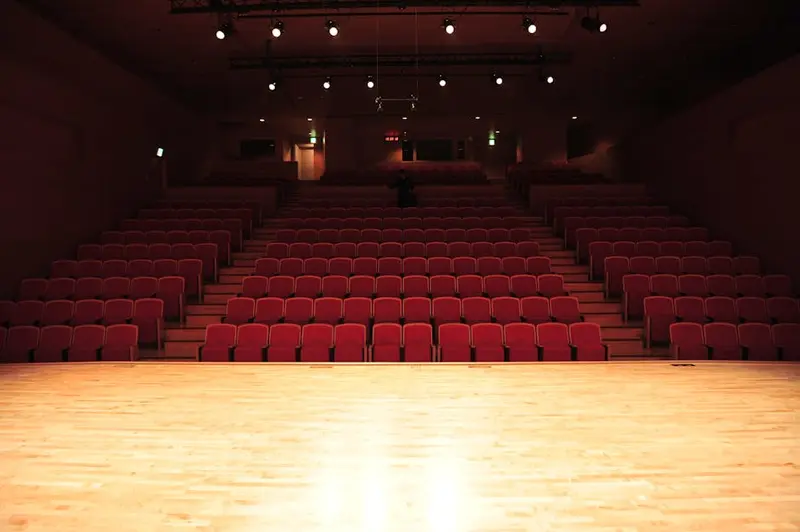
    The Uchiko-za is a traditional Kabuki theatre, built in 1916 by theatre-loving townspeople to commemorate the enthronement of Emperor Taishō – during the era when wax and paper brought prosperity to Uchiko. The wooden structure was restored in the 1980s and is one of Japan's most renowned historic theatres. During a visit, you can see the stage mechanics, such as the revolving stage (mawari-butai) and the trapdoor (suppon) in the runway, and even look beneath the stage. Occasionally, it still hosts Kabuki, Bunraku, and Rakugo performances, as well as other events.
    Open in Google Maps
    Kamihaga Residence

    2Kamihaga Residence

    The Kamihaga Residence was the home of a branch of the Haga merchant family, who became wealthy through the production of Japan wax (Mokurō). Today, the estate in the Yōkaichi-Gokoku district can be visited together with the Japan Wax Museum. You walk through the main building, warehouses, and the former workshops where the wax was processed. The museum explains how wax was extracted from the fruits of the tallow sumac and why Uchiko thus became one of Japan's most important production sites for it around 1900.
    Open in Google Maps
    Machiya Museum & Craftsman's House

    3Machiya Museum & Craftsman's House

    In the center of Uchiko, several restored townhouses (Machiya) are accessible as small museums. The Machiya Museum (Machiya Shiryōkan) showcases a merchant house from the Edo period with its typical room layout. At the Museum of Commerce and Daily Life (Akinai to Kurashi Hakubutsukan), a former pharmacy, life-sized figures depict business and family life around 1920. Both houses are located close to each other and can be easily visited on the way to the Yōkaichi-Gokoku district.
    Open in Google Maps

    Restaurants & Cafés

    CoCo

    CoCo is a charming cafe and restaurant housed in a restored traditional building within the historic district. Here, you can enjoy light meals, delicious coffee, and homemade sweets in a relaxed and stylish atmosphere.
    Show on Google Maps

    Takeda Fresh Fish Store & Dining

    This establishment functions as a fish store during the day and transforms into a cozy restaurant in the evening, serving fresh seafood and local specialties. The dishes are simple but incredibly flavorful, with a strong emphasis on the quality of freshly caught fish.
    Show on Google Maps

    Restaurant Uchiko

    Located in the heart of the modern town center, Restaurant Uchiko offers a diverse menu featuring traditional Japanese dishes as well as some Western-inspired options. It's a popular spot for both locals and visitors seeking a satisfying meal in a casual setting.
    Show on Google Maps
    1

    Aoi no Yaki-saba

    Show on Google Maps

    Food and Drink in Uchiko

    In Uchiko, you'll find a cuisine that emphasizes **fresh, local products** and traditional Japanese preparations. Fresh fish and seafood are a specialty; high-quality selections, for instance, can be found at Takeda Fresh Fish Store & Dining. The culinary experience is complemented by cozy izakayas and restaurants such as Sushi Izakaya Kotetsu.

    Farm Market Karari

    At the Market by the River, local farmers sell fruit, vegetables, and preserves directly. The site includes a bakery, an ice cream stand, and a restaurant with regional ingredients.

    Fruit from the hills

    Around Uchiko, grapes, peaches, pears, and persimmons thrive. Depending on the season, farms offer pick-your-own fruit experiences.

    Merchant Quarter Cafes

    In the historic district of Yōkaichi-Gokoku, some old merchant houses now house cafés and small eateries. They mostly open only during the day.

    Cuisine of Ehime

    The menus feature the prefecture's dishes: Tai-meshi, sea bream rice, and Jakoten, fried fish cakes from small fish.

    Kultur & Geschichte

    Uchiko, eingebettet in die Präfektur Ehime, bietet dir einen tiefen Einblick in die Geschichte und Kultur des ländlichen Japans, insbesondere in die florierende Meiji-Periode (1868–1912). Die Stadt ist bekannt für ihre sorgfältig bewahrten historischen Straßenzüge und die Zeugnisse eines einst blühenden Handels mit Wachs und Papier. Historische Handelsstadt Im 19. und frühen 20. Jahrhundert erlebte Uchiko eine Blütezeit durch die Produktion von Japanwachs (Mokurō), das aus den Früchten des Sumachbaums gewonnen wurde, und Washi-Papier. Diese Produkte waren landesweit begehrt und brachten der Stadt Wohlstand. Du kannst die Spuren dieses Reichtums in der Architektur und den sorgfältig restaurierten Gebäuden entlang der Hauptstraßen entdecken. Die meisten der erhaltenen Gebäude stammen aus der späten Edo- und der Meiji-Zeit. Die Architektur spiegelt den Reichtum der damaligen Kaufmannsfamilien wider, oft mit aufwendigen Details und robusten Konstruktionen. Uchiko war ein bedeutendes Handelszentrum, das die umliegenden Regionen mit seinen Spezialitäten versorgte. Architektonisches Erbe und Museen Das Herzstück von Uchikos kulturellem Erbe ist das Yokaichi-Gokoku-Viertel, eine erhaltene historische Stadtlandschaft, die zum „Wichtigen Erhaltungsgebiet für traditionelle Gebäude“ ernannt wurde. Hier kannst du entlang der alten Straßen schlendern und die beeindruckenden Kaufmannshäuser erkunden. Das Kamihaga Residence & Museum (Kamihaga-tei) ist ein herausragendes Beispiel. Es war das Anwesen einer wohlhabenden Familie, die vom Wachshandel profitierte, und bietet dir Einblicke in deren Lebensweise sowie die traditionelle Wachsproduktion. Das Uchiko-za Theater ist ein traditionelles Kabuki-Theater aus dem Jahr 1916. Es ist nicht nur ein architektonisches Juwel, sondern dient auch heute noch als Veranstaltungsort für Kabuki, Bunraku und andere Aufführungen. Eine Besichtigung des Inneren, inklusive der drehbaren Bühne und Falltüren, ist sehr empfehlenswert. Im Machiya Data Museum erfährst du mehr über die Geschichte und Architektur der traditionellen japanischen Stadthäuser (Machiya), die Uchiko prägen. Traditionelles Handwerk und Lebensweise Die kulturelle Identität Uchikos ist eng mit seinen traditionellen Handwerken verbunden. Obwohl die Massenproduktion von Wachs und Papier zurückgegangen ist, wird das Erbe dieser Industrien durch lokale Künstler und kleine Manufakturen weitergeführt. Du hast die Möglichkeit, kleine Geschäfte zu besuchen, die handgemachtes Washi-Papier oder lokale Kunsthandwerke anbieten. Die traditionellen Gebäude geben dir einen Eindruck vom Alltag und den sozialen Strukturen vergangener Zeiten in einer japanischen Handelsstadt. Die lokale Küche und kleine Cafés in historischen Gebäuden bieten dir zudem eine authentische kulturelle Erfahrung.

    Moving Around Locally

    Uchiko, with its charming, historic center, practically invites you to **explore the town on foot**. The picturesque alleys and main sights along Yokaichi-Gokoku Street are easily accessible on foot, allowing for a relaxed immersion into the past.This tranquil town does not have an urban subway or tram network. However, local bus lines connect Uchiko with the station and surrounding areas; travelers should note the limited timetables. For flexible exploration of the more rural surroundings or slightly further destinations, bicycles are an excellent option, often available at accommodations or local rental shops.Taxis are available at Uchiko Station, offering a convenient way to reach specific destinations or accommodations, especially with luggage. Ride-sharing services are hardly available here. For arrival, the train to Uchiko Station is the most practical choice, from where most explorations begin.

    Accommodations in Uchiko

    Find perfect stay in Uchiko

    Booking.com* (Affiliate link)
    Search Hotels
    Agoda* (Affiliate link)
    Search Hotels
    Airbnb
    Vacation Rentals

    * Affiliate link: if you book through it, we earn a small commission. The price stays the same for you.

    Plan your trip to Uchiko

    Save places, build a route and plan your city trip, all in one place.

    1. 1
      Sunrise over alpine peaks and a sea of clouds
      1234

      Round trip

      12 days · 4 stops

      Saved

      Pick a route

      Pick a ready-made one or save places and plan your own.

      Open bookmarks
    2. 2

      Trip to Uchiko

      Live
      • 1Uchiko-za Theater3 days
      • 2Kamihaga Residence4 days
      • 3Machiya Museum & Craftsman's House5 days
      Budget

      Plan your trip

      The planner sorts stops, days and budget. Plan together in real time.

      Start trip planning
    3. 3
      9:41 No signal
      Uchiko
      Available offline

      Use it on the road

      Download the guide to your phone and use it on site, even offline.

    Nearby

    Matsuyama

    Matsuyama

    Shikoku's largest city is known for Matsuyama Castle and the historic Dōgo Onsen, one of Japan's oldest and most renowned hot springs.
    Miyajima

    Miyajima

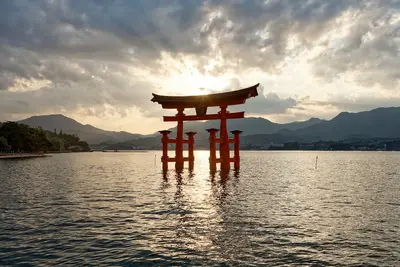
    Itsukushima Island, known as Miyajima, is a short ferry ride from Hiroshima. Its landmark is Itsukushima Shrine's great red Torii, appearing to float in the sea at high tide. Behind the shrine, forested Mount Misen rises, with a cable car and hiking trails to its summit.
    Hiroshima

    Hiroshima

    Hiroshima is a vibrant metropolis on the Seto Inland Sea, known worldwide for the atomic bombing on August 6, 1945. The Peace Park with the ruins of the Atomic Bomb Dome serves as a poignant reminder; at the same time, the city, with its streetcars, riverbanks, and unique cuisine, is a pleasant starting point for Miyajima Island.
    Shikoku

    Shikoku

    Welcome to Shikoku, the smallest of Japan's four main islands, a place that will captivate you with its rugged nature, deeply rooted spirituality, and unparalleled tranquility. Here you can experience the famous 88-temple pilgrimage, explore secluded valleys, or savor its unique cuisine, especially Udon noodles.
    Beppu

    Beppu

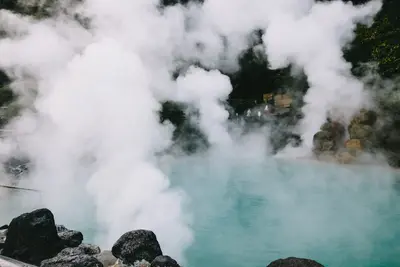
    Beppu, an onsen town on Kyushu, is world-renowned for its diverse hot springs and the culture associated with them. Here you'll find over 2,000 hot springs, divided into eight main areas, each with its own character. A highlight is the "Jigoku Meguri", a tour of the seven Hells of Beppu, thermal springs unsuitable for bathing, featuring unusual colors and geysers. Particularly famous are the cobalt-blue "Umi Jigoku" (Sea Hell) and the blood-red "Chinoike Jigoku" (Blood Pond Hell). Take the opportunity for a traditional sand bath at Beppu Kaihin Sunayu or try Jigoku Mushi, dishes cooked in the steam of the hot springs. For a comprehensive experience, it's recommended to visit the Jigoku Meguri in the morning to avoid the afternoon crowds. A stroll through the various onsen districts, such as Kannawa, offers insights into local life and the steaming landscapes.

    Sources & method

    • Photos: Pexels. Each photo carries its credit.
    • The content is based on web research from public, traceable sources. How the content is made · The role of AI