ExploreTravel GuidesPlan a trip
    de|en
    All Places & RegionsAbout FernwehFAQPrivacy PolicyImprint
    ExploreTravel GuidesPlan a trip
    Miyajima
    Jakub Hałun / Wikimedia Commons / CC BY 4.0
    Island

    Japan

    Miyajima

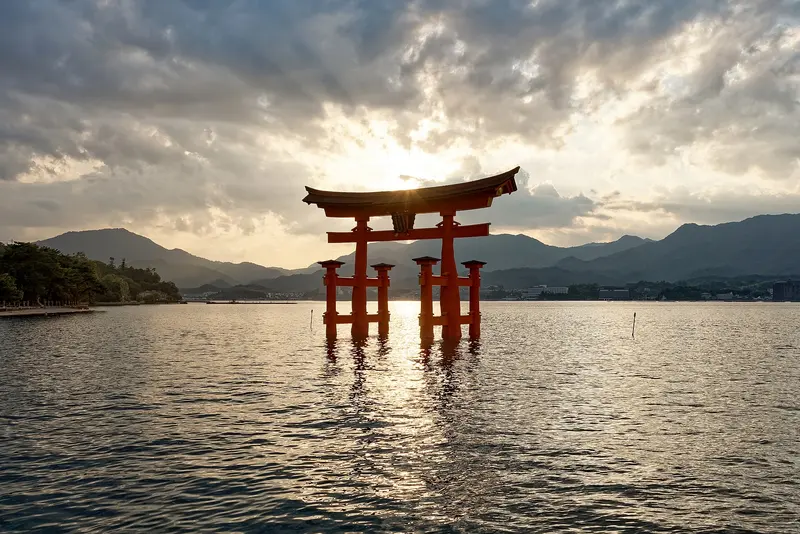
    Itsukushima Island, known as Miyajima, is a short ferry ride from Hiroshima. Its landmark is Itsukushima Shrine's great red Torii, appearing to float in the sea at high tide.

    1. Home
    2. Destinations
    3. Japan
    4. Setouchi
    5. Miyajima
    Itsukushima Island, known as Miyajima, is a short ferry ride from Hiroshima. Its landmark is Itsukushima Shrine's great red Torii, appearing to float in the sea at high tide. Behind the shrine, forested Mount Misen rises, with a cable car and hiking trails to its summit.

    Sights in Miyajima

    Discover the most important sights and attractions

    Itsukushima Shrine
    Place of Worship

    1Itsukushima Shrine

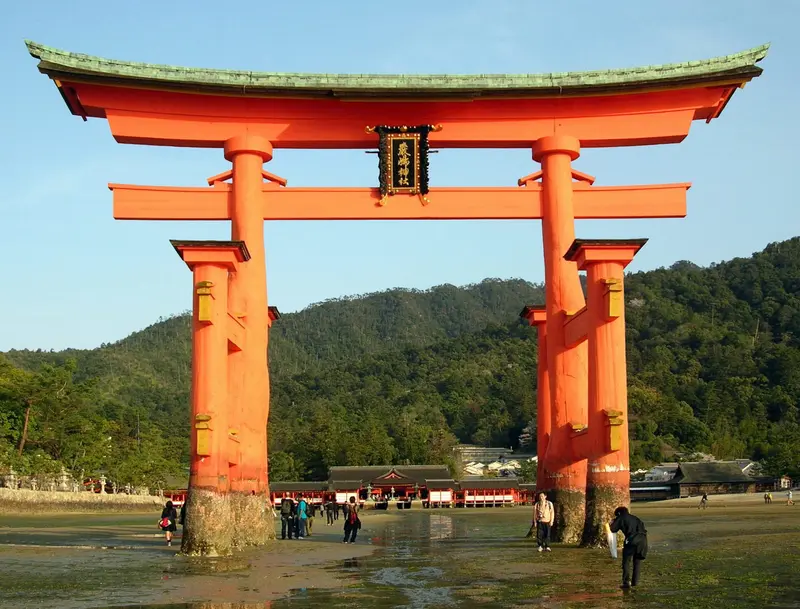
    The vermilion halls of Itsukushima Shrine stand on stilts above the tidal flats and are connected by covered walkways. Around 200 meters in front of the shrine, the great Torii stands in the sea, not anchored to the ground but held by its own weight.At high tide, the shrine and gate appear to float on the water; at low tide, you can walk to the Torii. Early morning, before the first ferries arrive full, is the calmest time.
    Open in Google Maps
    Daishō-in
    Place of Worship

    2Daishō-in

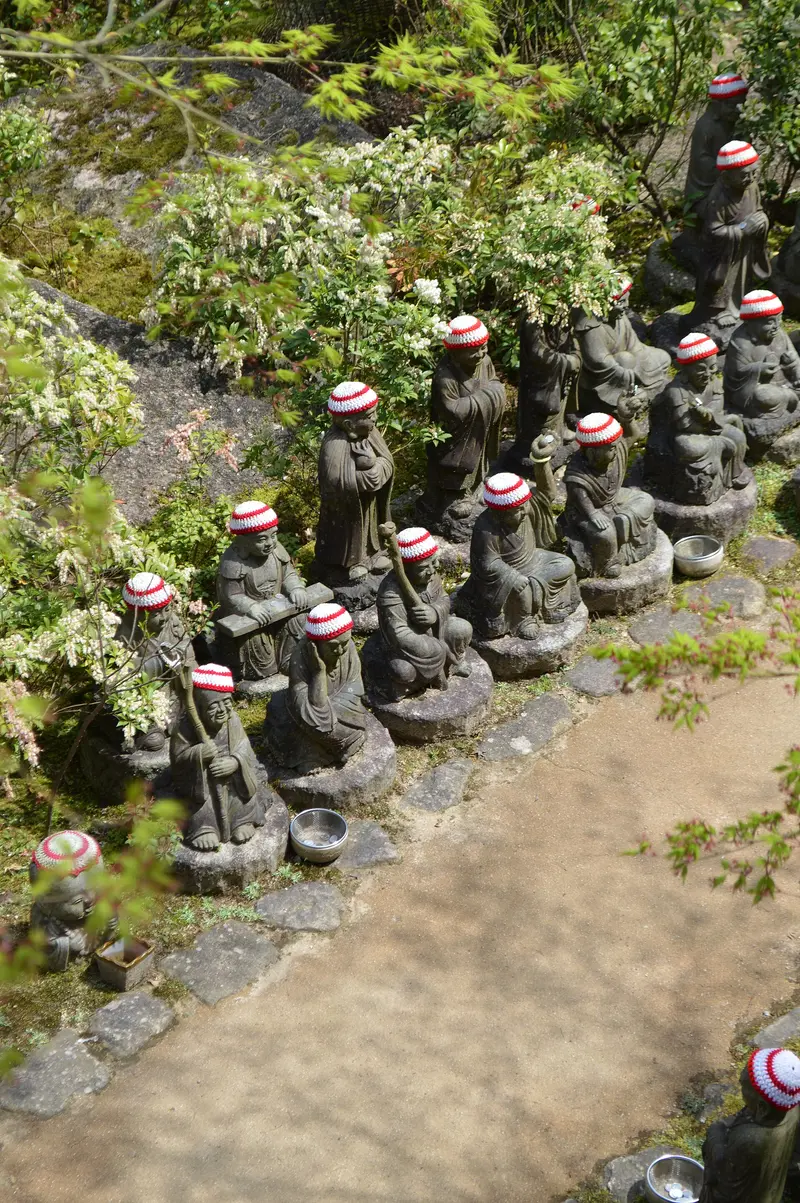
    The temple at the foot of Misen is the island's most important Buddhist site. The stairs are lined with hundreds of small stone figures wearing knitted hats, and along the railings, prayer wheels with sutras turn.In a cave beneath the main hall, numerous lanterns illuminate the figures of the 88 temples of the Shikoku Pilgrimage. The Daishō-in is a good starting point for the ascent to Misen.
    Open in Google Maps
    Attraction

    3Mount Misen

    The 535-meter-high Misen is the island's highest point and a sacred Buddhist mountain. From the summit, with large granite rocks, the view extends over the Seto Inland Sea islands to Hiroshima.A two-stage cable car brings you near the summit; the rest is a 30-minute walk. Three trails lead up from town, each taking roughly one and a half to two hours.
    Open in Google Maps

    Restaurants in Miyajima

    Dining and Drinks on Miyajima

    Anago-meshi

    Grilled conger eel with a sweetish sauce on rice cooked in broth. The dish is the specialty of the island and the coast opposite; good restaurants often have a queue at lunchtime.

    Grilled Oysters

    On Omotesandō shopping street, bay oysters are grilled at stalls and eaten directly from the shell.

    Momiji-Manju

    The maple leaf-shaped cakes were invented on Miyajima. Beyond the classic, they're also fried on a stick as Age-Momiji.

    The sacred Island

    Itsukushima ShrineThe shrine is believed to have been founded in the 6th century and took its current form in the 12th century under Taira no Kiyomori. Its halls stand on stilts in the tidal flats, connected by vermilion-lacquered corridors. The shrine, its Torii gate, and the forested mountain behind it have been a UNESCO World Heritage Site since 1996.An Island as a DeityThe entire island was considered sacred. For this reason, the shrine was built over the water, and for a long time, neither births nor burials were permitted on Miyajima.Mount MisenMount Misen has been a site for Buddhist practices for centuries. Daishō-in Temple lies at the foot of the mountain, with its many stone figures and prayer wheels.

    Getting there and around

    Getting ThereFrom Miyajimaguchi, two ferry companies operate to the island in about ten minutes; the JR Ferry is included in the Japan Rail Pass.From Hiroshima Peace Memorial Park, there is a direct speedboat to Miyajima.A small visitor tax is payable upon arrival, collected with your ferry ticket.On the IslandAll destinations around the town can be reached on foot. A two-stage ropeway leads to Mount Misen; from the top station, it's about a 30-minute walk to the summit. Alternatively, there are several hiking trails starting from the town.TidesAt high tide, the Torii gate appears to float on the water; at low tide, you can walk right up to its base. Check the tide schedule to experience both.

    Accommodations in Miyajima

    Find perfect stay in Miyajima

    Booking.com* (Affiliate link)
    Search Hotels
    Agoda* (Affiliate link)
    Search Hotels
    Airbnb
    Vacation Rentals

    * Affiliate link: if you book through it, we earn a small commission. The price stays the same for you.

    Nearby

    Hiroshima

    Hiroshima

    Hiroshima is a vibrant metropolis on the Seto Inland Sea, known worldwide for the atomic bombing on August 6, 1945. The Peace Park with the ruins of the Atomic Bomb Dome serves as a poignant reminder; at the same time, the city, with its streetcars, riverbanks, and unique cuisine, is a pleasant starting point for Miyajima Island.
    Matsuyama

    Matsuyama

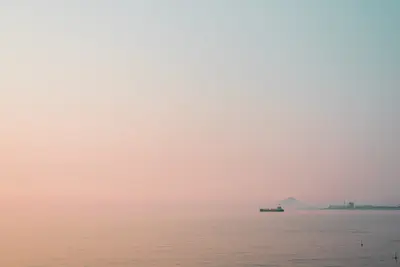
    Die größte Stadt Shikokus ist berühmt für die beeindruckende Burg Matsuyama und das historische Dogo Onsen, eines der ältesten und bekanntesten Thermalbäder Japans, das dich zur puren Entspannung einlädt.
    Uchiko

    Uchiko

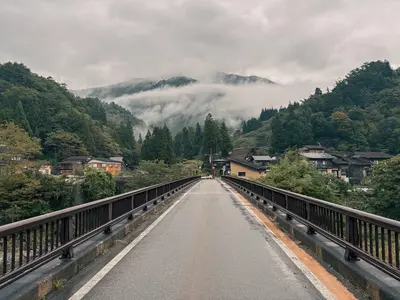
    Uchiko is a beautiful town that will captivate you with its immaculately preserved late 19th and early 20th-century atmosphere. Here, you'll delve into an era where wax and paper production shaped the economy, leaving behind a rich culture of commerce that is still palpable today.
    Beppu

    Beppu

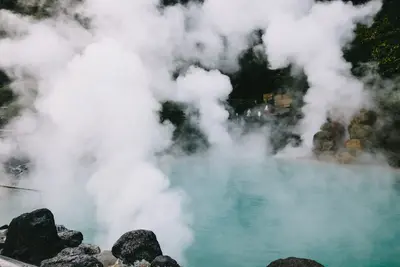
    Beppu, an Onsen city on Kyushu, is globally renowned for its diverse hot springs and their associated culture. You'll find over 2,000 hot springs here, divided into eight main areas, each with its own unique character. A highlight is the "Jigoku Meguri," the tour of the Eight Hells of Beppu, spectacular thermal springs unsuitable for bathing, featuring unique colors and steam fountains. Particularly noteworthy are the cobalt-blue "Umi Jigoku" (Sea Hell) and the blood-red "Chinoike Jigoku" (Blood Pond Hell). Take the opportunity for a traditional sand bath at Beppu Kaihin Sunayu or enjoy Jigoku Mushi, dishes steamed directly in the hot thermal water. For a comprehensive experience, it's recommended to visit the Jigoku Meguri in the morning to avoid the afternoon crowds. A stroll through the various Onsen districts like Kannawa offers insights into local life and the steaming landscapes.
    Iya-Tal

    Iya-Tal

    Dieses abgelegene und atemberaubende Tal, tief in den Bergen von Tokushima gelegen, ist bekannt für seine historischen Reetbrücken und dramatischen Schluchten, die dich in eine andere Zeit versetzen werden.