
Fernweh: Home
    ExploreTravel GuidesPlan a tripMy tripLast visited
    de|en
    All Places & RegionsAll highlightsAbout FernwehFAQPrivacy PolicyImprint
    ExploreTravel GuidesPlan a tripMy tripLast visited
    • Overview
    • Places in the region
    • Food culture
    • Culture
    • Getting around
    • Nearby
    Setouchi

    Japan

    Setouchi

    Region

    The Setouchi region, nestled around the tranquil Seto Inland Sea, enchants you with its unique blend of breathtaking nature, vibrant art scene, and rich culinary tradition.

    by Felix Gillen

    1. Home
    2. Destinations
    3. Japan
    4. Setouchi
    The Setouchi region, nestled around the tranquil Seto Inland Sea, enchants you with its unique blend of breathtaking nature, vibrant art scene, and rich culinary tradition. Discover a world of several hundred islands, many of which are home to art installations and traditional fishing villages.Enjoy the mild climate, the fresh sea breeze, and the exquisite local cuisine that reflects the soul of this special place.
    The Setouchi region, located on the Seto Inland Sea, encompasses hundreds of islands and unites maritime culture with contemporary art. On islands such as Naoshima and Teshima, you'll find internationally renowned museums and art installations, including the Benesse Art Site. Traditional fishing villages and unique landscapes, such as olive groves on Shodoshima, also characterize the island world. The impressive Shimanami Kaido allows you to actively explore several islands by bicycle. Culinary, the region impresses with excellent, fresh seafood in local eateries. For a pleasant journey, spring or autumn are ideal, as the mild climate favors exploration by ferry. During the Setouchi Triennale, it's advisable to book accommodations and ferry passages well in advance.
    Naoshima

    Place 1 of 4

    Naoshima

    Immerse yourself in a unique world where contemporary art and stunning architecture harmoniously blend with the serene nature of a Japanese island.

    Discover
    Miyajima
    Jakub Hałun / Wikimedia Commons / CC BY 4.0

    Place 2 of 4

    Miyajima

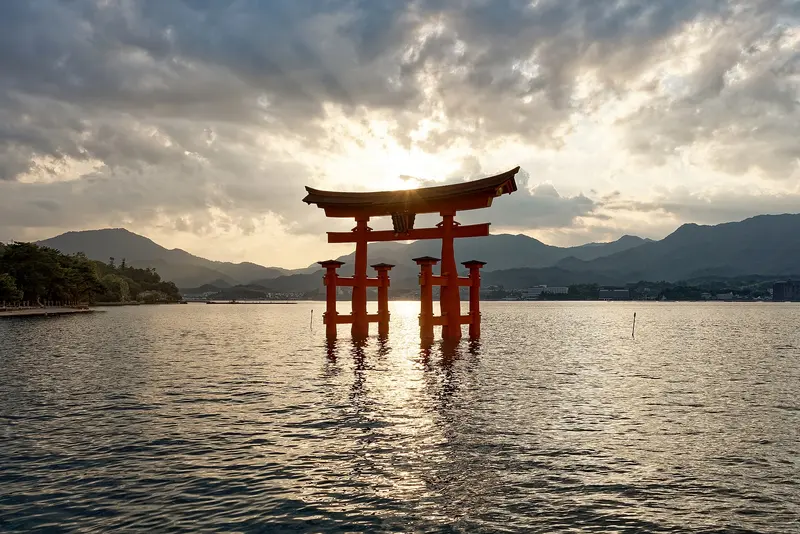
    Itsukushima Island, known as Miyajima, is a short ferry ride from Hiroshima. Its landmark is Itsukushima Shrine's great red Torii, appearing to float in the sea at high tide.

    Discover
    Hiroshima
    original photo: Dean S. Pemberton (derivative work: Torsodog) / Wikimedia Commons / CC BY-SA 4.0

    Place 3 of 4

    Hiroshima

    Hiroshima is a vibrant metropolis on the Seto Inland Sea, known worldwide for the atomic bombing on August 6, 1945.

    Discover
    Shodoshima

    Place 4 of 4

    Shodoshima

    Shodoshima, the second-largest island in the Seto Inland Sea, is renowned for its Mediterranean atmosphere and the unique blend of nature and traditional craftsmanship.

    Discover

    More places in Setouchi

    Takamatsu

    Takamatsu

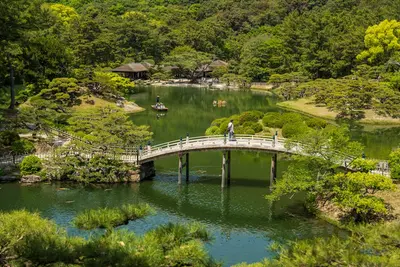
    Takamatsu is a significant gateway to the art islands of the Seto Inland Sea and itself offers a rich history and green oases. The outstanding highlight is Ritsurin-kōen, an expansive Edo-period landscape garden considered one of Japan's most beautiful. Here you can explore carefully designed ponds, hills, and traditional tea houses that hold charm in every season. The ruins of the former Takamatsu Castle, now Tamamo Park, offer insights into the city's feudal past. From the port, you can easily reach famous art islands like Naoshima and Teshima, especially relevant during the Setouchi Triennale. For an authentic glimpse into city life, the bustling shopping arcades, like the Marugamemachi Arcade, are perfect for strolls and local specialties. Plan an early morning for Ritsurin Garden to fully savour its peaceful atmosphere, and reserve ample time for ferry connections to the islands.

    Sights in Setouchi

    Discover the most important sights and attractions

    Kurashiki Old Town (Bikan District)
    Historic Landmark

    Kurashiki Old Town (Bikan District)

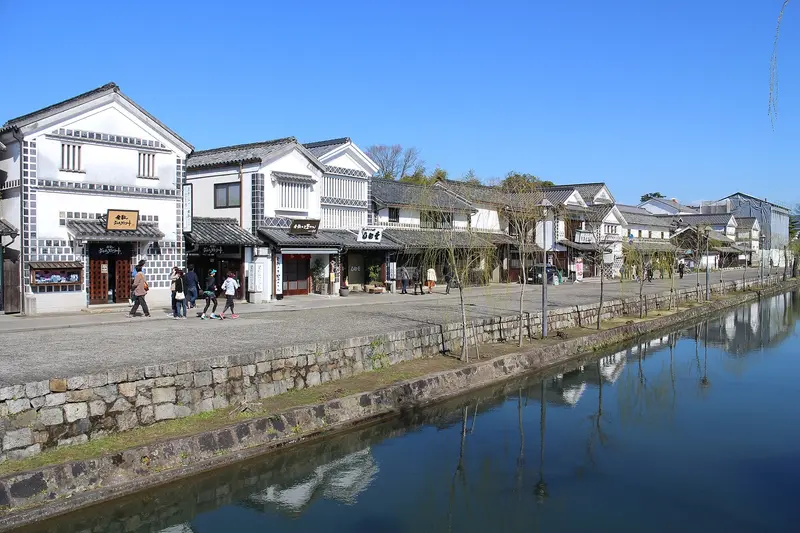
    In Kurashiki's Bikan district, about 15 minutes by train from Okayama, white-walled warehouses with black tile patterns line a willow-fringed canal. During the Edo period, rice was transshipped here; today, these storehouses house shops, cafés, and museums.The Ōhara Museum of Art, established in 1930, was Japan's first museum of Western art, showcasing works by El Greco and Monet, among others. On the canal, you can enjoy rides in small boats.
    Open in Google Maps
    Kōraku-en
    Garden

    Kōraku-en

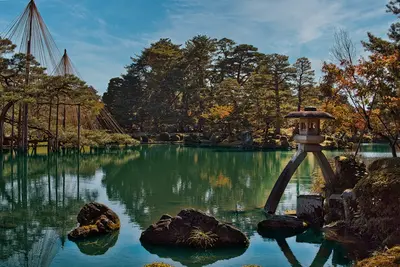
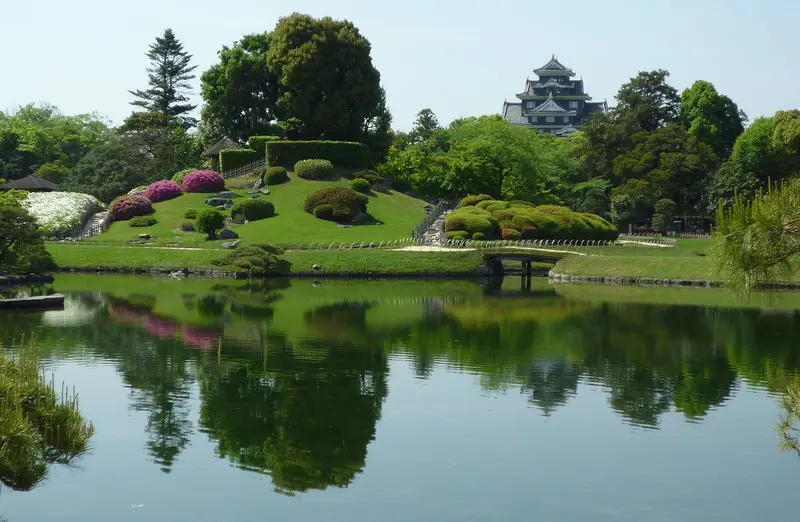
    The landscape garden in Okayama was laid out around 1700 for the lords of the Ikeda family and is considered one of Japan's three most famous gardens. It is located on an island in the Asahi River, opposite the black Okayama Castle.Vast lawns, ponds, an artificial hill, tea fields, and a small rice paddy area alternate. From Yuishinzan Hill, you can overlook the entire complex with the castle in the background. A bus from Okayama Station takes approximately 15 minutes.
    Open in Google Maps
    Senkō-ji (Onomichi)
    Place of Worship

    Senkō-ji (Onomichi)

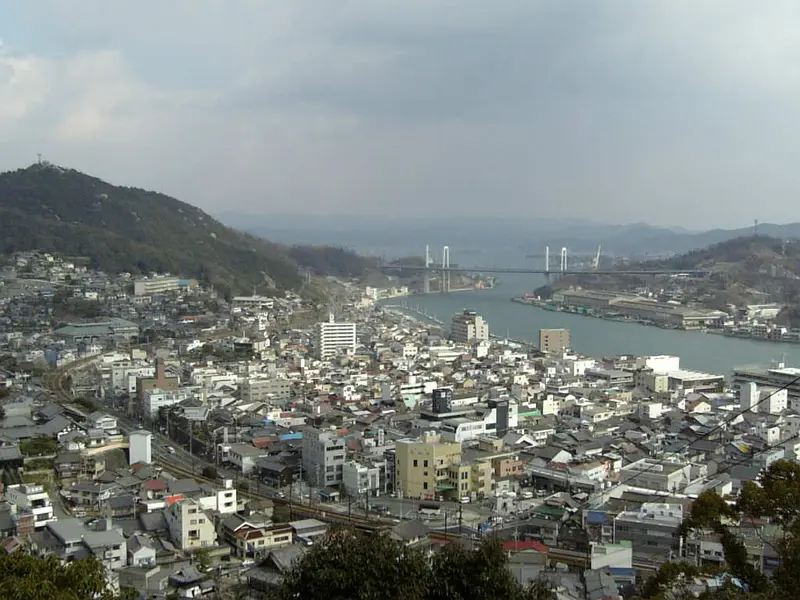
    The 9th-century temple stands on the slopes of Mount Senkō-ji above the port city of Onomichi in Hiroshima Prefecture. Its red main hall protrudes from a rocky outcrop over the city.A cable car goes to the summit park with a viewing platform; from there you look out over the strait to the islands of the Seto Inland Sea. For the return journey, it's best to go on foot via the "Temple Path" with stone stairs, small shrines, and narrow alleys.
    Open in Google Maps
    Shimanami Kaido
    Attraction

    Shimanami Kaido

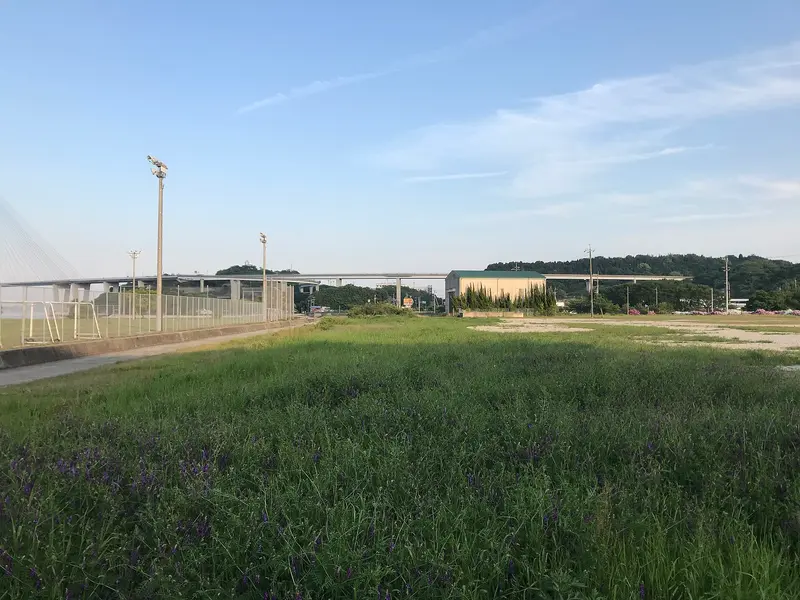
    The Shimanami Kaidō connects Onomichi on Honshū via six islands and seven bridges with Imabari on Shikoku. Alongside the expressway runs a dedicated cycling and walking path of about 70 kilometers, one of Japan's most famous cycling routes.You can rent bicycles at both ends and on the islands, and return them at other stations. The Tatara Bridge between Ikuchi-jima and Ōmi-shima is one of the route's most striking cable-stayed bridges. You should plan one day for the entire route.
    Open in Google Maps

    Food & Drink in Setouchi

    Sanuki-Udon

    Takamatsu is the capital of Udon. The firm noodles from Kagawa are eaten in simple self-service shops even for breakfast.

    Oysters and Anago

    The Bay of Hiroshima is Japan's most important oyster region, with the season running from late autumn until spring. Another specialty of the coast is grilled conger eel on rice.

    Hiroshima-style Okonomiyaki

    Unlike in Osaka, the ingredients are layered: thin batter, a lot of cabbage, pork, fried noodles and an egg.

    Olives, Soy sauce and Somen

    Shōdoshima is the birthplace of Japanese olive cultivation and has a long tradition of wooden-barrel soy sauce production. The island also produces hand-pulled, thin Sōmen noodles.

    Setouchi Lemons

    The mild, dry climate of the Inland Sea is suitable for citrus fruits. Lemons from the islands are found in cakes, lemonade, and as a seasoning for fish.

    Culture, Art, and History of Setouchi

    Setouchi, Japan's picturesque island region, is deeply rooted in maritime history and a unique cultural heritage. For centuries, the islands and the sea served as important trade routes, leading to a diverse blend of traditions. The region's architecture ranges from the simple, functional fishing houses in old villages to traditional residences, often built from local materials.A defining characteristic is the fusion of nature, traditional ways of life, and contemporary art. This is particularly evident on islands like Naoshima, Teshima, and Inujima, where architecturally significant museums and installations (e.g., the Benesse House Museum) are integrated into the landscape. This development began in the 1980s and has made the region a global center for art tourism. Local festivals and the preservation of craftsmanship, such as special potteries or textiles, continue to reflect the deep connection to the island environment and community. The Setouchi Triennale, an international art festival held every three years, celebrates this synthesis and actively involves the local population.

    On the Road in Setouchi

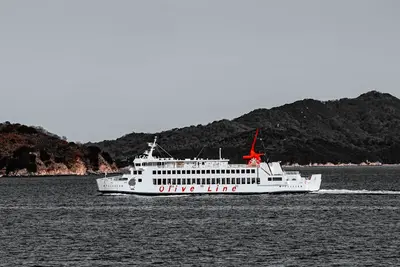
    Getting ThereShinkansen: The Sanyō Shinkansen runs along the north coast of the Seto Inland Sea, with stops in Okayama, Fukuyama, and Hiroshima.To Shikoku: From Okayama, the Marine Liner crosses the Seto-Ōhashi Bridge, reaching Takamatsu in about an hour.Ferries to the IslandsNaoshima: Ferries depart from Takamatsu (approx. 50 minutes) and from Uno Port near Okayama (approx. 20 minutes).Shōdoshima: Ferries and high-speed boats from Takamatsu, with additional connections from Okayama and Himeji.Teshima and smaller islands: Few departures per day – check the last return ferry before travelling.On the IslandsBuses are rare; rental bicycles and e-bikes are the usual choice on Naoshima and Teshima. On Shōdoshima, a rental car is worthwhile due to its size. Many art sites have a fixed weekly closing day and sometimes require online reservations. The Shimanami Kaidō cycling route connects Onomichi to Imabari across six islands.

    Nearby

    Takamatsu

    Takamatsu

    Takamatsu is a significant gateway to the art islands of the Seto Inland Sea and itself offers a rich history and green oases. The outstanding highlight is Ritsurin-kōen, an expansive Edo-period landscape garden considered one of Japan's most beautiful. Here you can explore carefully designed ponds, hills, and traditional tea houses that hold charm in every season. The ruins of the former Takamatsu Castle, now Tamamo Park, offer insights into the city's feudal past. From the port, you can easily reach famous art islands like Naoshima and Teshima, especially relevant during the Setouchi Triennale. For an authentic glimpse into city life, the bustling shopping arcades, like the Marugamemachi Arcade, are perfect for strolls and local specialties. Plan an early morning for Ritsurin Garden to fully savour its peaceful atmosphere, and reserve ample time for ferry connections to the islands.

    Naoshima

    Immerse yourself in a unique world where contemporary art and stunning architecture harmoniously blend with the serene nature of a Japanese island. Naoshima is a true paradise for culture enthusiasts and those seeking a tranquil escape to experience art in an entirely new context.
    Shodoshima

    Shodoshima

    Shodoshima, the second-largest island in the Seto Inland Sea, is renowned for its Mediterranean atmosphere and the unique blend of nature and traditional craftsmanship. Here you'll find Japan's first olive groves, which lend a special flair to the island and are used for olive oil production. Another cultural highlight is traditional soy sauce production, which you can experience in historic breweries like the Marukin Soy Sauce Memorial Hall. Visit the Angel Road, a sandbar passable at low tide connecting two small islands, or explore the spectacular Kankakei Gorge with its dramatic rock formations. The island is also an important venue for the Setouchi Triennale, which integrates contemporary artworks into the landscape. For a relaxed exploration of the olive groves and coastal roads, a rental car is recommended; the best time to visit is spring or autumn to enjoy the mild temperatures.
    Iya-Tal

    Iya-Tal

    This remote valley deep in the mountains of Tokushima is known for its historic vine bridges made of plant fibers and its deep gorges that transport you to another time.
    Shikoku

    Shikoku

    Welcome to Shikoku, the smallest of Japan's four main islands, a place that will captivate you with its rugged nature, deeply rooted spirituality, and unparalleled tranquility. Here you can experience the famous 88-temple pilgrimage, explore secluded valleys, or savor its unique cuisine, especially Udon noodles.

    Sources & method

    • Photos: Wikimedia Commons, Pexels. Each photo carries its credit.
    • Place data such as addresses and ratings comes from Google Maps.
    • The content is based on web research from public, traceable sources. How the content is made · The role of AI