Fernweh: Home
    ExploreTravel GuidesPlan a tripMy tripLast visited
    de|en
    All Places & RegionsAll highlightsAbout FernwehFAQPrivacy PolicyImprint
    ExploreTravel GuidesPlan a tripMy tripLast visited
    • Neighborhoods & highlights
    • Eat & drink
    • Food culture
    • Culture
    • Nightlife
    • Getting around
    • Accommodation
    • Plan trip
    • Nearby
    Takamatsu

    Japan

    Takamatsu

    CityCulture

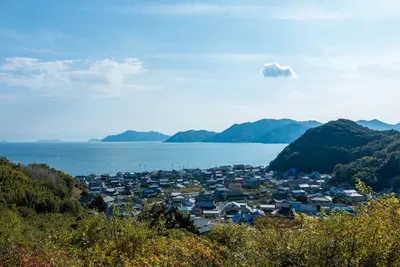
    Takamatsu is a significant gateway to the art islands of the Seto Inland Sea and itself offers a rich history and green oases.

    by Felix Gillen

    1. Home
    2. Destinations
    3. Japan
    4. Setouchi
    5. Takamatsu
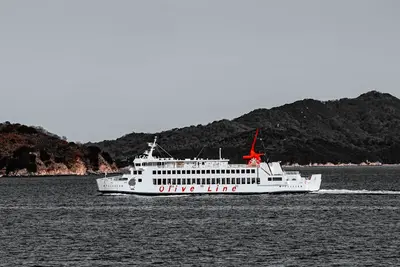
    Takamatsu is a significant gateway to the art islands of the Seto Inland Sea and itself offers a rich history and green oases. The outstanding highlight is Ritsurin-kōen, an expansive Edo-period landscape garden considered one of Japan's most beautiful. Here you can explore carefully designed ponds, hills, and traditional tea houses that hold charm in every season. The ruins of the former Takamatsu Castle, now Tamamo Park, offer insights into the city's feudal past. From the port, you can easily reach famous art islands like Naoshima and Teshima, especially relevant during the Setouchi Triennale. For an authentic glimpse into city life, the bustling shopping arcades, like the Marugamemachi Arcade, are perfect for strolls and local specialties. Plan an early morning for Ritsurin Garden to fully savour its peaceful atmosphere, and reserve ample time for ferry connections to the islands.

    Sights in Takamatsu

    Discover the most important sights and attractions

    Ritsurin-Park

    1Ritsurin-Park

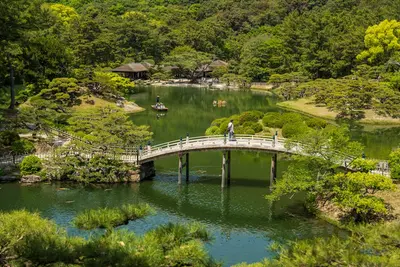
    The Ritsurin Garden in Takamatsu is considered one of Japan's *most significant gardens* and is designated as a **Special Place of Scenic Beauty** (Tokubetsu Meishō). Its origins trace back to the early 17th century when the Ikoma clan began its construction; the Matsudaira, who ruled Takamatsu from 1642, continued to develop the garden for about 100 years. Here you will find six ponds and thirteen artificial hills, forming a variety of traditional Japanese garden landscapes. Particularly characteristic is the backdrop of Mount Shiunzan, cleverly integrated into the garden's composition, a technique known as Shakkei.Stroll along carefully arranged paths, cross historic bridges, and discover traditional teahouses like Kikugetsu-tei, where you can enjoy a cup of Matcha. The variety of pines and seasonal blossoms make every visit unique. Practical Tip: Visit the park in the early morning to enjoy the tranquility and make the most of the best lighting for photos, before the large tour groups arrive. An ideal photo spot is the Engetsu-kyo Bridge, whose characteristic shape is picturesquely reflected in the water.

    Open in Google Maps

    2Takamatsu Harbor Tamamo Pier Lighthouse (Seto Shirube)

    Attraction in 8 高松港.
    Open in Google Maps

    3Hosen Temple

    The Hōsen-ji in Takamatsu is a temple of the Rinzai school of Zen Buddhism (Myōshin-ji branch) and offers a peaceful retreat away from the busier paths. The historical Buddha Shakyamuni is venerated here. The burial site of the Ikoma, the princely family who ruled Takamatsu before the Matsudaira, is located on the grounds; two stone five-ring stupas commemorate Ikoma Kazumasa and his son. The temple bell was cast in 1330 and is protected as a prefectural cultural property.Our Tip: The temple is a peaceful detour that you can easily combine with a visit to the city center or the Ritsurin Garden; it's especially quiet here on weekday mornings.
    Open in Google Maps

    4Tsukimi-Yagura Turret

    The Tsukimi-Yagura, also known as the Moon-Viewing Turret, is one of the few original buildings remaining from Takamatsu Castle. This corner turret was built in 1676 under the Matsudaira family and is protected as an Important Cultural Property of Japan. It served to monitor ships entering the castle's harbor, and its name refers to moon viewing. Its location on the former waterfront emphasizes the castle's unique construction as a "sea castle," with moats still filled with seawater today. Our Tip: For a peaceful visit and atmospheric photos, visit the turret early in the morning. In Tamamo Park, you can look out over the remaining castle moats and parts of the garden.
    Open in Google Maps

    Essen & Trinken

    1

    Steakhouse Senman (Takamatsu)

    Restaurant in 1-11 Kataharamachi.
    Show on Google Maps
    2

    Ramjham

    Restaurant in Japan.
    Show on Google Maps

    Tsubameya

    Restaurant in 2-7 Yasakamachi.
    Show on Google Maps

    Ramen Nami

    Restaurant in 19-8 Setouchichō.
    Show on Google Maps
    3

    Tin Pu Tung (Dim Sum)

    Restaurant in 4-5 Kajiyamachi.
    Show on Google Maps

    Food & Drink in Takamatsu

    Takamatsu is the epicenter of Sanuki Udon, a regional specialty you can discover in countless small eateries all over the city. Beyond these noodle houses, you'll find a wide range of restaurants, from authentic Japanese cuisine to international offerings like the Indian-Nepalese Ramjham.

    Sanuki-Udon

    Kagawa Prefecture’s firm, smooth Udon are its signature dish. In self-service shops, you choose your noodles hot or cold, add tempura, and pay only a few hundred Yen. Many shops open early and close in the early afternoon.

    Honetsuki-dori

    A whole chicken leg on the bone, generously seasoned with salt, pepper, and garlic and oven-grilled. You choose between tender young chicken and firmer, more aromatic meat.

    Olive products

    Kagawa is Japan's olive region. The leaves and press residues are also used to feed yellowtail and cattle, which appear on menus as Olive Hamachi and Olive Beef.

    Wasanbon

    The fine-grained, handcrafted sugar is pressed in wooden molds into small sweets, served with tea.

    Takamatsu: A Heritage of Culture and Art

    Takamatsu boasts a rich history, deeply rooted in the Edo period, when under the Matsudaira clan, the city rose to become a flourishing castle town and a significant regional center. Its strategic location as a port city on Shikoku significantly shaped its development, both economically and culturally.The city's architecture and landscape design reflect these eras. The Ritsurin Garden, a magnificent 17th-century strolling garden, is an outstanding example of traditional Japanese garden art. The remains of Takamatsu Castle, known for its saltwater moat, attest to the city's former military importance.Culturally, Takamatsu is also a center for contemporary art today, not least through the regular hosting of the Setouchi Triennale, which transforms the surrounding islands and the city itself into a vibrant art gallery. Traditions such as the production of Sanuki Udon noodles and Kagawa Shikki lacquerware remain deeply rooted in the local identity and offer insights into the region's artisanal heritage.

    Nightlife

    Takamatsu's nightlife is rather relaxed, focusing on small, cozy bars and traditional Izakayas. Around the central shopping streets, you'll find a selection, including modern venues like Early's or specialized spots like the Rai Liquor Store.
    1

    Nomad

    Bar in Japan.
    Show on Google Maps
    2

    JACK&ROSE

    Bar in 6-2 Furubabachō.
    Show on Google Maps
    3

    UTENA TAKAMATSU

    Japan, 〒760-0028 Kagawa, Takamatsu, Kajiyamachi, 4−15 Avenue, 3F
    Show on Google Maps
    4

    Rai Liquor Store

    Bar in 7-1 Togiyamachi.
    Show on Google Maps
    5

    Retro

    Bar in Japan.
    Show on Google Maps
    6

    Early's

    Bar in Japan.
    Show on Google Maps
    7

    Oneway

    Bar in 14-12 Furubabachō.
    Show on Google Maps
    8

    Hermitage

    Bar in Japan.
    Show on Google Maps
    9

    Sultan

    Bar in Japan.
    Show on Google Maps
    10

    Big Echo Karaoke (Kajiyamachi)

    Bar in 4-20 Kajiyamachi.
    Show on Google Maps
    11

    SOUND BAR RAD

    Japan, 〒760-0028 Kagawa, Takamatsu, Kajiyamachi, 4−15 4階
    Show on Google Maps

    Exploring Locally

    Takamatsu is wonderful to explore on foot, with many downtown attractions located close to one another. For longer distances, take the Kotoden local train – its terminal, Takamatsu-Chikkô, is conveniently located near the ferry port and Tamamo Park – or use the city buses. You can pay with IC cards like ICOCA or Suica on Kotoden trains; however, this isn't always possible on buses, so keep some small change handy. For frequent trips, Kotoden offers day passes. Bicycles and e-bikes can be rented, offering a flexible way to explore the coast or Ritsurin Garden on your own. Taxis are always available and reliable, but comparatively expensive; ride-sharing services are not yet widespread in Japan. Use apps like Google Maps for connections and timetables to plan your routes.

    Accommodations in Takamatsu

    Find perfect stay in Takamatsu

    Booking.com* (Affiliate link)
    Search Hotels
    Agoda* (Affiliate link)
    Search Hotels
    Airbnb
    Vacation Rentals

    * Affiliate link: if you book through it, we earn a small commission. The price stays the same for you.

    Plan your trip to Takamatsu

    Save places, build a route and plan your city trip, all in one place.

    1. 1
      Sunrise over alpine peaks and a sea of clouds
      1234

      Round trip

      12 days · 4 stops

      Saved

      Pick a route

      Pick a ready-made one or save places and plan your own.

      Open bookmarks
    2. 2

      Trip to Takamatsu

      Live
      • 1Ritsurin-Park3 days
      • 2Takamatsu Harbor Tamamo Pier Lighthouse (Seto Shirube)4 days
      • 3Hosen Temple5 days
      Budget

      Plan your trip

      The planner sorts stops, days and budget. Plan together in real time.

      Start trip planning
    3. 3
      9:41 No signal
      Takamatsu
      Available offline

      Use it on the road

      Download the guide to your phone and use it on site, even offline.

    Nearby

    Setouchi

    Setouchi

    The Setouchi region, nestled around the tranquil Seto Inland Sea, enchants you with its unique blend of breathtaking nature, vibrant art scene, and rich culinary tradition. Discover a world of several hundred islands, many of which are home to art installations and traditional fishing villages.Enjoy the mild climate, the fresh sea breeze, and the exquisite local cuisine that reflects the soul of this special place.

    Naoshima

    Immerse yourself in a unique world where contemporary art and stunning architecture harmoniously blend with the serene nature of a Japanese island. Naoshima is a true paradise for culture enthusiasts and those seeking a tranquil escape to experience art in an entirely new context.
    Shodoshima

    Shodoshima

    Shodoshima, the second-largest island in the Seto Inland Sea, is renowned for its Mediterranean atmosphere and the unique blend of nature and traditional craftsmanship. Here you'll find Japan's first olive groves, which lend a special flair to the island and are used for olive oil production. Another cultural highlight is traditional soy sauce production, which you can experience in historic breweries like the Marukin Soy Sauce Memorial Hall. Visit the Angel Road, a sandbar passable at low tide connecting two small islands, or explore the spectacular Kankakei Gorge with its dramatic rock formations. The island is also an important venue for the Setouchi Triennale, which integrates contemporary artworks into the landscape. For a relaxed exploration of the olive groves and coastal roads, a rental car is recommended; the best time to visit is spring or autumn to enjoy the mild temperatures.
    Iya-Tal

    Iya-Tal

    This remote valley deep in the mountains of Tokushima is known for its historic vine bridges made of plant fibers and its deep gorges that transport you to another time.
    Shikoku

    Shikoku

    Welcome to Shikoku, the smallest of Japan's four main islands, a place that will captivate you with its rugged nature, deeply rooted spirituality, and unparalleled tranquility. Here you can experience the famous 88-temple pilgrimage, explore secluded valleys, or savor its unique cuisine, especially Udon noodles.

    Sources & method

    • Photos: Wikimedia Commons, Pexels. Each photo carries its credit.
    • Place data such as addresses and ratings comes from Google Maps.
    • The content is based on web research from public, traceable sources. How the content is made · The role of AI