Fernweh: Home
    ExploreTravel GuidesPlan a tripMy tripLast visited
    de|en
    All Places & RegionsAll highlightsAbout FernwehFAQPrivacy PolicyImprint
    ExploreTravel GuidesPlan a tripMy tripLast visited
    • Neighborhoods & highlights
    • Recommendations
    • Eat & drink
    • Food culture
    • Culture
    • Getting around
    • Accommodation
    • Plan trip
    • Nearby
    Hakone

    Japan

    Hakone

    City

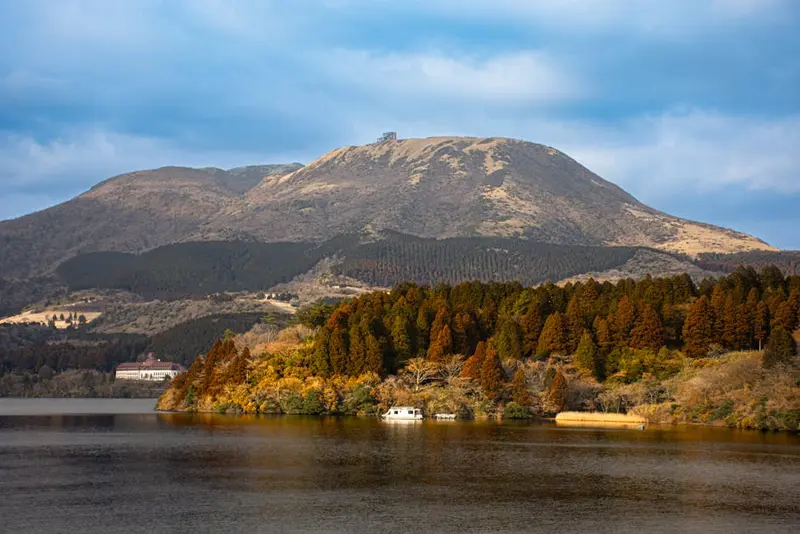
    Immerse yourself in the picturesque world of Hakone, a timeless retreat that perfectly blends majestic nature, spiritual tranquility, and a rich art scene.

    by Felix Gillen

    1. Home
    2. Destinations
    3. Japan
    4. Kanto
    5. Hakone
    Immerse yourself in the picturesque world of Hakone, a timeless retreat that perfectly blends majestic nature, spiritual tranquility, and a rich art scene. Here, you'll experience Japan's beauty firsthand, from steaming hot springs to breathtaking views of the iconic Mount Fuji.

    Sights in Hakone

    Discover the most important sights and attractions

    Hakone Ropeway and Owakudani

    1Hakone Ropeway and Owakudani

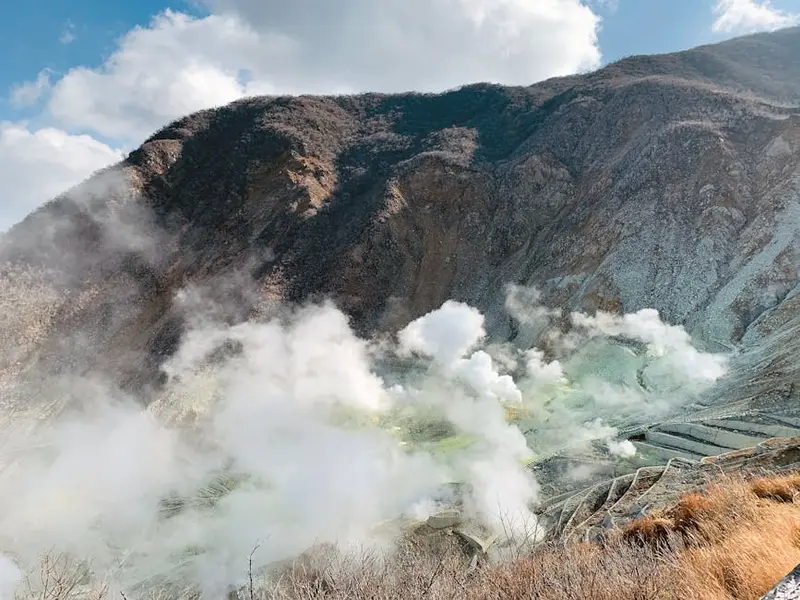
    The Hakone Ropeway is not just a means of transport but an attraction in itself, offering you breathtaking panoramic views over Lake Ashi, the Owakudani valley, and on clear days, the majestic Mount Fuji. Your adventure culminates in Owakudani, a volcanically active valley known as the 'Great Boiling Valley'. Here, you can experience hot springs and sulfurous fumes firsthand and try the famous 'Kuro Tamago' (black eggs), cooked in the sulfurous waters, which are said to prolong your life by seven years. The landscape is unique and spectacular, a truly unforgettable experience.
    Open in Google Maps
    Hakone Shrine

    2Hakone Shrine

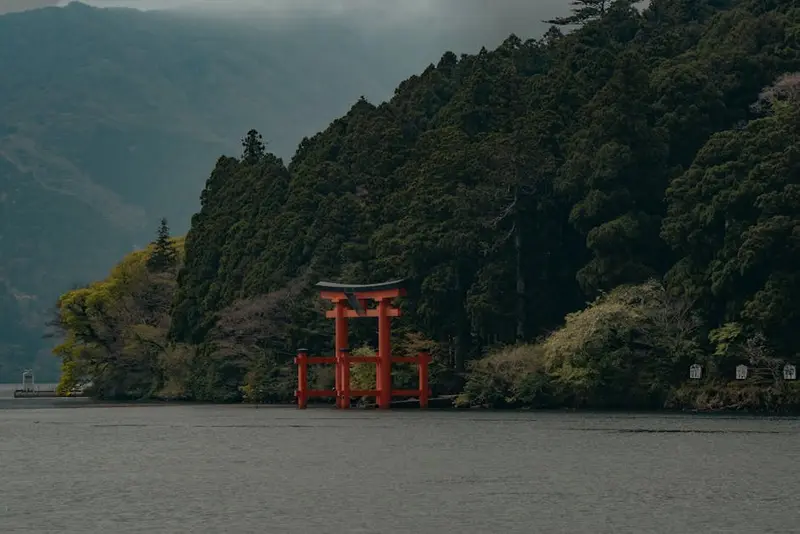
    The Hakone Shrine, also known as Hakone Jinja, is a historic Shinto shrine nestled deep in the forests on the shores of Lake Ashi. It is particularly famous for its iconic torii gate, which stands majestically in the lake's water and is a popular photo spot. To reach the main shrine, you'll ascend a long stone staircase lined with tall cedar trees, creating a revered and spiritual atmosphere. Founded in 757, the shrine has been a place of worship for travelers and samurai. Here, you'll feel a deep connection to Japanese history and nature.
    Open in Google Maps
    Hakone Open-Air Museum

    3Hakone Open-Air Museum

    Opened in 1969, the Hakone Open-Air Museum (Hakone Chōkoku no Mori Bijutsukan) blends art and nature. International modern and contemporary sculptures dot a mountain landscape. Works by Henry Moore, Rodin, and Miró blend with green surroundings. The Picasso Pavilion highlights a collection by the Spanish artist. Take time to stroll through its expansive gardens.
    Open in Google Maps
    Pola Museum of Art

    4Pola Museum of Art

    Nestled within the lush forests of Hakone, the Pola Museum of Art is an architectural gem housing an impressive collection of Western and Japanese art. Here, you'll find works by Monet, Renoir, Van Gogh, and Picasso, as well as Japanese oil paintings, crafts, and antique glass. The museum itself is a masterpiece of design, with abundant natural light and harmonious integration into its surroundings. After enjoying the art, a walking path through the surrounding forest invites you to a relaxed exploration of the local flora and fauna. It's a must-visit for art and nature lovers alike.
    Open in Google Maps

    Restaurants & Cafés

    Bakery & Table Hakone

    Located directly on Lake Ashi, this charming cafe and restaurant offers you not only fresh baked goods and delicious meals but also breathtaking views of the lake and, on clear days, Mount Fuji. You can enjoy a relaxed breakfast or lunch here while watching the passing ships. A special highlight is the publicly accessible footbaths on the terrace, where you can relax your feet in warm spring water while savoring your coffee. The atmosphere is bright and inviting, perfect for a break after exploring the lake region.
    Show on Google Maps

    Gora Brewery & Grill

    Located in the heart of Gora, Gora Brewery & Grill is an excellent choice for lovers of craft beer and modern Japanese-Western fusion cuisine. Here, you can sample various local beers brewed on-site and enjoy a selection of grilled dishes, pizzas, and seasonal specialties. The ambiance is chic yet relaxed, with a blend of traditional elements and modern design. It's the perfect spot to unwind in the evening with good food and artisanal beer, surrounded by Hakone's tranquil mountain atmosphere.
    Show on Google Maps

    Hatsuhana Soba Honten

    For an authentic Japanese culinary experience, you should visit Hatsuhana Soba Honten in Hakone-Yumoto. This long-established restaurant is famous for its handmade soba noodles, prepared according to a traditional recipe that uses yam root instead of wheat flour. The result is delicate, nutritious noodles with a unique texture and distinctive flavor. You can choose between hot or cold soba dishes, often served with tempura or other side dishes. The ambiance is simple and traditional, offering you a genuine insight into Japanese dining culture.
    Show on Google Maps

    Food and Drink

    Hakone's cuisine features a mix of traditional Japanese dishes and modern concepts. You'll find local specialties like fresh Soba noodles, which you can try at Hatsuhana Soba Honten, and also contemporary options like those at Gora Brewery & Grill.

    Kuro-tamago

    The black eggs are cooked in Ōwakudani's sulfurous springs; the minerals dye their shells black. According to legend, each egg extends life by seven years.

    Soba and Udon

    As in many mountain regions, handmade buckwheat and wheat noodles are widespread in Hakone, especially in Hakone-Yumoto. In summer, they are served cold, and in winter in hot broth.

    Wakasagi from Lake Ashi

    The small smelt from Lake Ashi is mostly served as tempura or fried, especially in the restaurants along the shore.

    Ryokan-Kaiseki

    When staying overnight at a Ryokan, dinner is often included in the price. A multi-course Kaiseki menu with seasonal, local ingredients is served.

    Culture and History

    Hakone is a region deeply embedded in Japanese culture and history, offering visitors authentic insights into bygone eras. Nestled within a stunning natural landscape, this area played a central role in Japan's development for centuries.Historic Routes and CheckpointsHakone's significance as a cultural and historical hub is underscored by the well-preserved relics of the Tokaido Road (Kyūkaidō). This ancient main thoroughfare connected the former capital Edo (now Tokyo) with the imperial city of Kyoto during the Edo period.The Hakone Sekisho (Hakone Checkpoint) is a faithfully reconstructed checkpoint on the old Tokaido Road. It served to monitor traffic, especially the smuggling of firearms into Edo and the departure of women from Edo, which played a crucial role in the stability of the shogunate.You can walk sections of the historic Kyūkaidō, which is lined by over 300-year-old cedar trees (Suginamiki). These walks offer a sense of time travel and a connection to the country's history.Spiritual and Artistic ExperiencesHakone offers insights not only into political history but also into Japan's spiritual and artistic traditions.The Hakone Shrine (Hakone Jinja) is an ancient Shintō shrine whose origins date back to the 8th century. It is located on the shores of Lake Ashi and is particularly known for its striking red torii gate rising out of the water. Many locals and visitors come here to pray for good fortune and safety.The Hakone Open-Air Museum (Hakone Chōkoku no Mori Bijutsukan) opened in 1969 as Japan's first open-air museum, blending modern art with its natural surroundings. Here, you'll find an extensive collection of contemporary sculptures by international artists, as well as a dedicated hall showcasing the works of Pablo Picasso.

    Exploring Locally

    Hakone offers a mix of transport options that make exploring the region an experience. The public transport network forms its backbone: The Hakone Tozan Buses reach almost every corner, while the Hakone Tozan Railway and funicular traverse the mountainous landscapes. For views over Lake Ashi, the Hakone Ropeway is essential, complemented by the pirate ships that cruise the lake.The Hakone Freepass by Odakyu is practical, offering unlimited rides on most regional transport and discounts at attractions, making it worthwhile if you plan to do the train, ropeway, and ship circuit. Taxis are available, but app-based ride services are scarcely widespread. Bicycles or e-scooters are only partially recommended due to the hilly topography and busy roads, although flatter routes can be found around Lake Ashi. Some areas, like the town centers of Hakone-Yumoto or Motohakone, are pleasant to explore on foot, but for longer distances, the transport network is the most efficient choice.

    Accommodations in Hakone

    Find perfect stay in Hakone

    Booking.com* (Affiliate link)
    Search Hotels
    Agoda* (Affiliate link)
    Search Hotels
    Airbnb
    Vacation Rentals

    * Affiliate link: if you book through it, we earn a small commission. The price stays the same for you.

    Plan your trip to Hakone

    Save places, build a route and plan your city trip, all in one place.

    1. 1
      Sunrise over alpine peaks and a sea of clouds
      1234

      Round trip

      12 days · 4 stops

      Saved

      Pick a route

      Pick a ready-made one or save places and plan your own.

      Open bookmarks
    2. 2

      Trip to Hakone

      Live
      • 1Hakone Ropeway and Owakudani3 days
      • 2Hakone Shrine4 days
      • 3Hakone Open-Air Museum5 days
      Budget

      Plan your trip

      The planner sorts stops, days and budget. Plan together in real time.

      Start trip planning
    3. 3
      9:41 No signal
      Hakone
      Available offline

      Use it on the road

      Download the guide to your phone and use it on site, even offline.

    Nearby

    Mount Fuji

    Mount Fuji

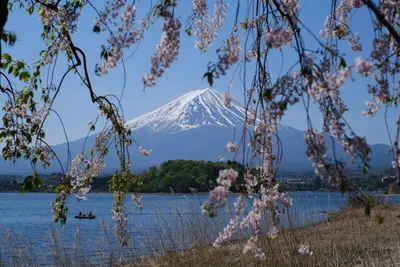
    At 3,776 meters, Mount Fuji is Japan's highest peak and, with its almost symmetrical cone shape, the country's most iconic image. Since 2013, the volcano has been a UNESCO World Heritage site – recognized as a sacred place and a source of artistic inspiration.
    Kamakura

    Kamakura

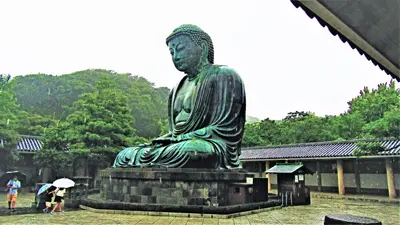
    Kamakura was the seat of Japan's first Shogunate at the end of the 12th century, making it the country's political center. Today, the coastal city, about an hour south of Tokyo, is known for the Great Buddha, numerous Zen temples in forested valleys, and its beaches.
    Yokohama

    Yokohama

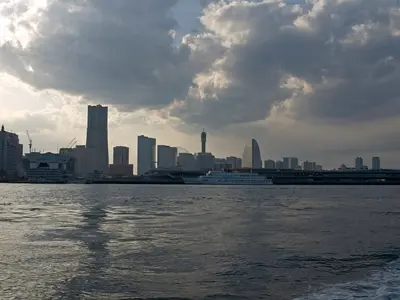
    Yokohama, Japan's second-largest city, grew from a fishing village into the primary gateway for Western trade after the port opened in 1859. Today, Minato Mirai's waterfront, one of Asia's largest Chinatowns, and Yamate's old foreign quarter shape its image.
    Tama-Region

    Tama-Region

    Located west of the central districts, the Tama Region offers a mix of suburban areas and expansive nature, ideal for outdoor activities like hiking on Mount Takao and local discoveries away from the city bustle.
    Tokio

    Tokio

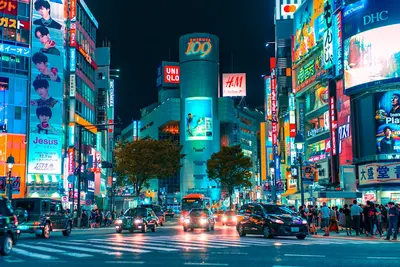
    Tokyo is Japan's capital and one of the world's largest metropolitan areas. Between skyscraper districts like Shinjuku and Shibuya are the Meiji Shrine, Sensō-ji in Asakusa, and narrow Izakaya alleys, where old Edo is still palpable. The prefecture also includes forested Tama Region mountains to its west, and the Izu and Ogasawara Islands out in the Pacific.

    Sources & method

    • Photos: Pexels. Each photo carries its credit.
    • Place data such as addresses and ratings comes from Google Maps.
    • The content is based on web research from public, traceable sources. How the content is made · The role of AI