Fernweh: Home
    ExploreTravel GuidesPlan a tripMy tripLast visited
    de|en
    All Places & RegionsAll highlightsAbout FernwehFAQPrivacy PolicyImprint
    ExploreTravel GuidesPlan a tripMy tripLast visited
    • Overview
    • Places in the region
    • Eat & drink
    • Recommendations
    • Food culture
    • Culture
    • Getting around
    • Round trips
    • Nearby
    Tokio

    Japan

    Tokio

    Region

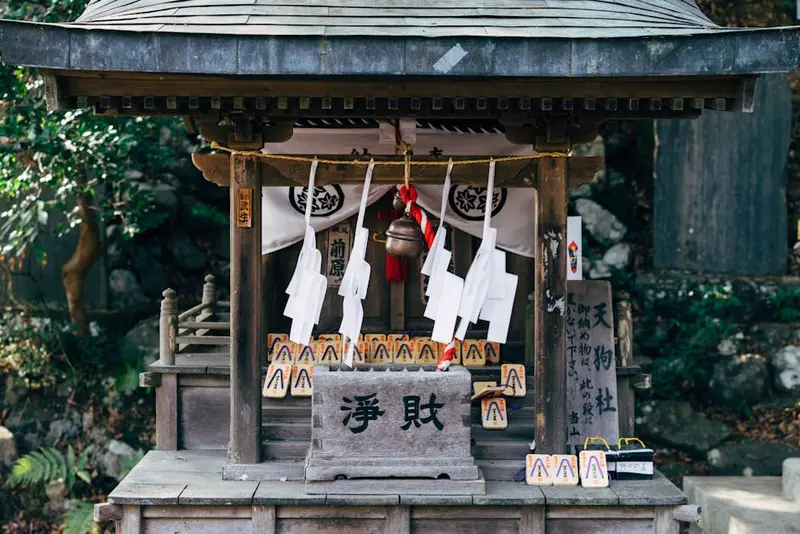
    Tokyo is Japan's capital and one of the world's largest metropolitan areas. Between skyscraper districts like Shinjuku and Shibuya are the Meiji Shrine, Sensō-ji in Asakusa, and narrow Izakaya alleys, where old Edo is still palpable.

    by Felix Gillen

    1. Home
    2. Destinations
    3. Japan
    4. Tokio
    Tokyo is Japan's capital and one of the world's largest metropolitan areas. Between skyscraper districts like Shinjuku and Shibuya are the Meiji Shrine, Sensō-ji in Asakusa, and narrow Izakaya alleys, where old Edo is still palpable. The prefecture also includes forested Tama Region mountains to its west, and the Izu and Ogasawara Islands out in the Pacific.
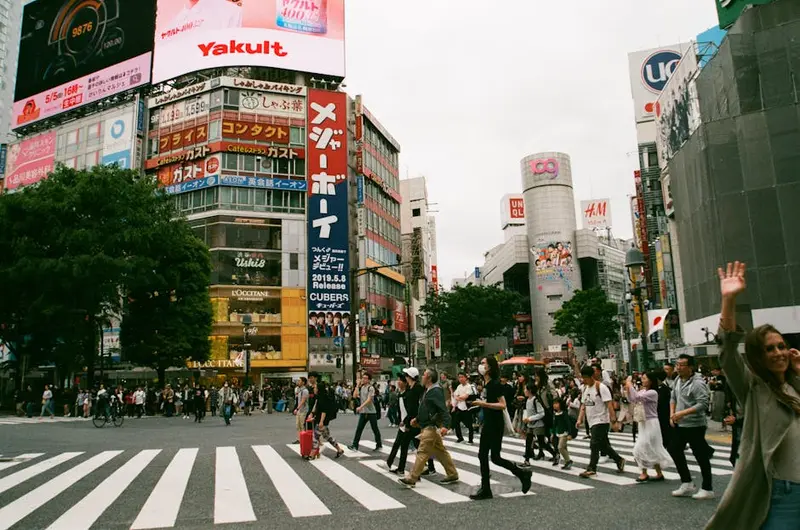
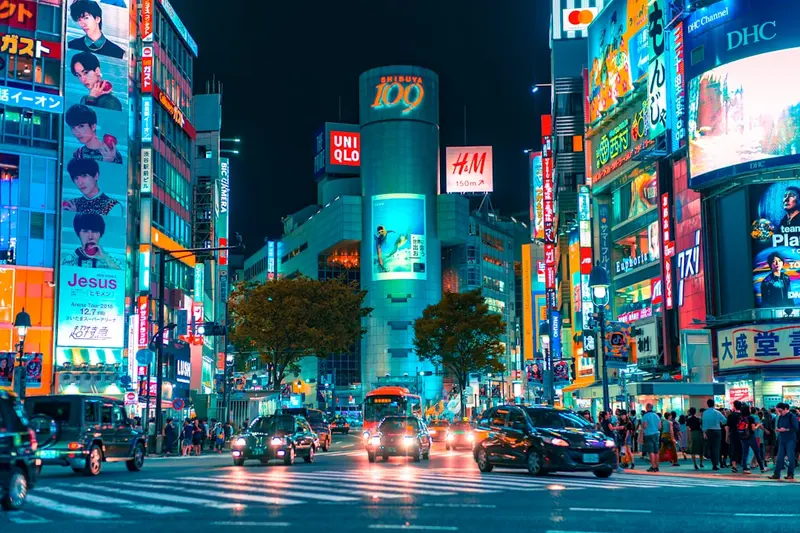
    Tokyo is an expansive metropolitan region that combines futuristic architecture with Japan's deeply rooted traditions. You'll discover vibrant districts like Shibuya with its famous crossing and the business hub Shinjuku, home to the Government Building for panoramic views. In contrast, Asakusa, with its Senso-ji Temple and Nakamise-Dori, offers a glimpse into historical Edo. The city combines excellent cuisine, from Michelin-starred restaurants to small izakayas, with an efficient infrastructure. A visit to the Imperial Palace or a stroll through Ueno Park reveals further facets of the Japanese capital. The best time to visit is spring for cherry blossom season or autumn for pleasant temperatures and clearer views. Use the excellent subway network to efficiently explore Tokyo's diversity and gather both modern and traditional experiences.
    Izu-Inseln

    Place 1 of 3

    Izu-Inseln

    These volcanic islands south of Tokyo offer impressive nature, hot springs, excellent diving, and a relaxed island life strongly connected to the fishing culture.

    Discover
    Ogasawara-Inseln

    Place 2 of 3

    Ogasawara-Inseln

    The Ogasawara Islands, a UNESCO World Natural Heritage site, are known as the 'Galapagos of the Orient' and offer unique, untouched nature.

    Discover
    Tama-Region

    Place 3 of 3

    Tama-Region

    Located west of the central districts, the Tama Region offers a mix of suburban areas and expansive nature, ideal for outdoor activities like hiking on Mount Takao and local discoveries away from the city bustle.

    Discover

    Sights in Tokio

    Discover the most important sights and attractions

    Meiji-Schrein

    Meiji-Schrein

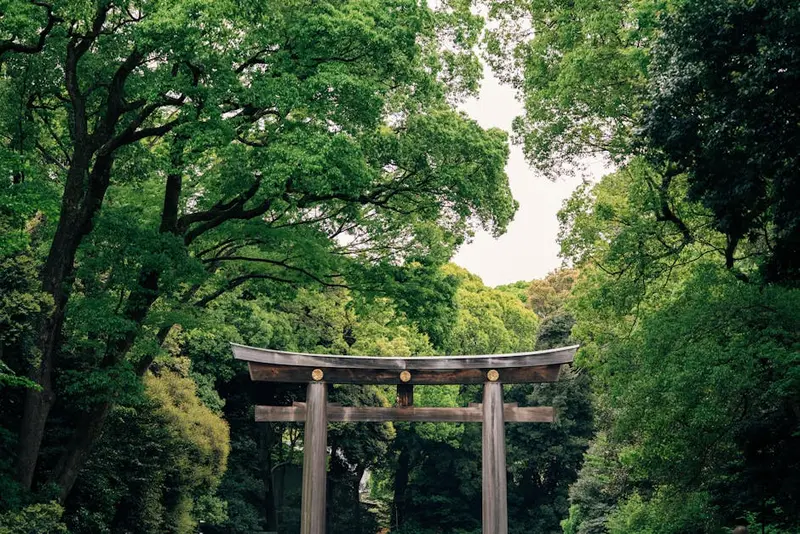
    Im Garten dieses von Wäldern umgebenen, ehrwürdigen Shinto-Schreins blühen je nach Saison die Schwertlinien.
    Open in Google Maps
    Shinjuku Gyoen Park

    Shinjuku Gyoen Park

    The Shinjuku Gyoen National Garden in Tokyo offers an oasis of tranquility amidst the bustling metropolis. During the Edo period, it was the residence of the Naitō Daimyō family; in 1906, the grounds became an imperial garden, and in 1949, they were opened to the public. Here you'll find a combination of three distinct garden styles: the traditional Japanese landscape garden with its ponds, islands, and carefully placed trees, a symmetrical French garden with rose gardens and plane tree avenues, and an expansive English landscape garden with open lawns.Especially in spring during cherry blossom season and in autumn when the leaves change color, the park attracts numerous visitors. You can stroll for hours through the various sections and enjoy the tranquility. Our Tip: To avoid the largest crowds, visit the park right after opening in the morning. For a view of the Shinjuku skyline rising behind the trees, the area around the large pond in the Japanese garden is recommended.
    Open in Google Maps
    Tokyo Metropolitan Government Building

    Tokyo Metropolitan Government Building

    Von Kenzo Tange entworfener Rathauskomplex mit Aussichtsplattformen auf dem höchsten der Gebäude.
    Open in Google Maps
    Taro Okamoto Memorial Museum

    Taro Okamoto Memorial Museum

    Museum in 6-chōme-1-19 Minamiaoyama.
    Open in Google Maps
    Yasukuni-jinja Shrine

    Yasukuni-jinja Shrine

    Schrein im Shinto-Stil zum Gedenken an japanische Kriegsopfer in einem Garten mit Kirschbäumen.
    Open in Google Maps

    Essen & Trinken

    Sururi

    Restaurant in Japan.
    Show on Google Maps

    Kurumaya Bekkan

    Restaurant in 3-chōme-21-1 Shinjuku.
    Show on Google Maps

    Tempura Shinjuku Tsunahachi Tsunohazuan

    Restaurant in Japan.
    Show on Google Maps

    Eating & Drinking in Tokyo

    Edomae-Sushi

    The Nigiri style, now globally widespread, originated in Edo, ancient Tokyo. Traditionally, fish from the bay is marinated, aged, or briefly cooked before being placed on the rice.

    Monjayaki

    A more liquid relative of Okonomiyaki, which you cook yourself at your table on a hot plate. The most famous street for it is Monja Street in Tsukishima.

    Tokyo Ramen

    Classic Tokyo style means clear shoyu broth with wavy noodles. Yet the city boasts virtually every regional variant.

    Izakaya and Yokochō

    Pubs with small sharing dishes are the heart of Tokyo's nightlife. Narrow alleys like Omoide Yokochō in Shinjuku or the eateries under the railway arches in Yurakuchō are typical spots.

    Tokyo's Cultural Heritage and Modernity

    Tokyo, originally known as Edo, is a city that blends its deeply rooted traditions with groundbreaking modernity. From 1603, it served as the seat of the powerful Tokugawa Shogunate and rapidly grew into one of the world's largest metropolises. The Meiji Restoration of 1868 transformed Edo into the imperial capital of Tokyo, ushering in an era of rapid modernization and Western influences.Despite destructive events such as the Great Kanto Earthquake in 1923 and the devastation of World War II, the city has consistently reinvented itself. Its architecture is a fascinating blend of historic sites like the Senso-ji Temple in Asakusa and futuristic skyscrapers that define today's cityscape.Cultural distinctiveness manifests in diverse local traditions, from the delicate tea ceremony and Ikebana to the powerful performances of Kabuki theater and the Sumo ring. These practices are carefully preserved, offering deep insights into Japanese aesthetics and the significance of harmony and respect.

    On the way in Tokyo

    Rail and SubwayThe rail network is the backbone of the city. The JR Yamanote Line runs in a loop, connecting Shinjuku, Shibuya, Harajuku, Tokyo Station, Akihabara, and Ueno. In addition, there are lines from Tokyo Metro and Toei Subway. Stations and announcements are consistently signposted in English.TicketsIC Cards: With Suica or PASMO, you can pay for trains, buses, and small purchases contactlessly. They can also be added digitally to Wallet on your iPhone.Tokyo Subway Ticket: Day passes for 24, 48, or 72 hours are valid on all Tokyo Metro and Toei lines, but not on JR lines.Peak Hours: On weekdays between approximately 7:30 AM and 9:30 AM, trains are extremely crowded. You should avoid these times if you have large luggage.From the Airport to the CityNarita: Narita Express (JR) to Tokyo Station and Shinjuku, or Keisei Skyliner to Ueno.Haneda: Keikyu Line or Tokyo Monorail; the journey to the city center is significantly shorter than from Narita.

    Round trips through this region

    Goldene Route – Tokyo, Hakone, Kyoto

    Goldene Route – Tokyo, Hakone, Kyoto

    The route runs from Tokyo to Hakone's thermal mountains, offering Fuji views, then continues to Kyoto. From Tokyo to Hakone, it's about a 90-minute ride on the Romancecar. From Odawara, the Shinkansen will take you to Kyoto in just over two hours.

    8 Days
    3 stops
    Japanische Alpen – Samurai, Sake, Stille

    Japanische Alpen – Samurai, Sake, Stille

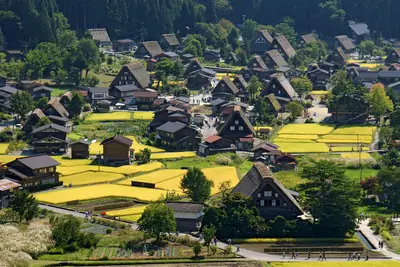
    From Tokyo, you travel by train or direct bus in five to six hours to Takayama, and then by bus via the thatched-roof village of Shirakawa-go to Kanazawa. The Hokuriku Shinkansen takes you back to Tokyo in about two and a half hours.

    8 Days
    3 stops

    Nearby

    Tama-Region

    Tama-Region

    Located west of the central districts, the Tama Region offers a mix of suburban areas and expansive nature, ideal for outdoor activities like hiking on Mount Takao and local discoveries away from the city bustle.
    Yokohama

    Yokohama

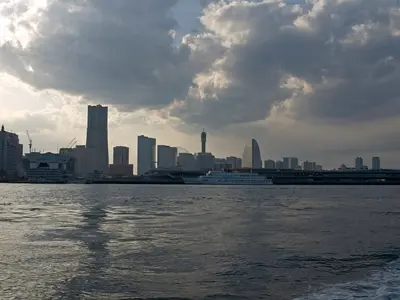
    Yokohama, Japan's second-largest city, grew from a fishing village into the primary gateway for Western trade after the port opened in 1859. Today, Minato Mirai's waterfront, one of Asia's largest Chinatowns, and Yamate's old foreign quarter shape its image.

    Kanto

    The Kanto Region in eastern Honshu is Japan's economic and political center, including the Greater Tokyo Area, one of the world's largest metropolitan regions. Here, centuries-old traditions meet modern city culture. The region ranges from lively cities to national parks, mountains, and coastal towns.
    Kamakura

    Kamakura

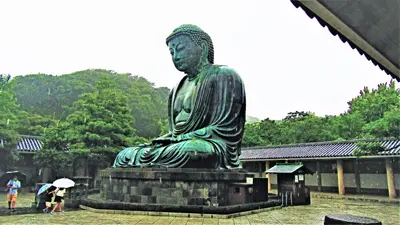
    Kamakura was the seat of Japan's first Shogunate at the end of the 12th century, making it the country's political center. Today, the coastal city, about an hour south of Tokyo, is known for the Great Buddha, numerous Zen temples in forested valleys, and its beaches.
    Hakone

    Hakone

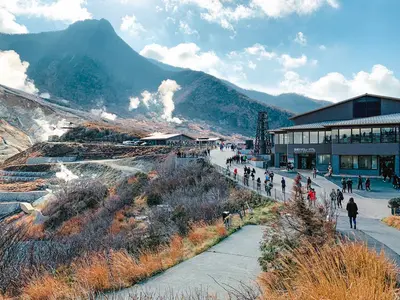
    Immerse yourself in the picturesque world of Hakone, a timeless retreat that perfectly blends majestic nature, spiritual tranquility, and a rich art scene. Here, you'll experience Japan's beauty firsthand, from steaming hot springs to breathtaking views of the iconic Mount Fuji.

    Sources & method

    • Photos: Unsplash, Pexels. Each photo carries its credit.
    • The content is based on web research from public, traceable sources. How the content is made · The role of AI