Fernweh: Home
    ExploreTravel GuidesPlan a tripMy tripLast visited
    de|en
    All Places & RegionsAll highlightsAbout FernwehFAQPrivacy PolicyImprint
    ExploreTravel GuidesPlan a tripMy tripLast visited
    • Neighborhoods & highlights
    • Eat & drink
    • Food culture
    • Culture
    • Getting around
    • Accommodation
    • Plan trip
    • Nearby
    Ogasawara-Inseln

    Japan

    Ogasawara-Inseln

    City

    The Ogasawara Islands, a UNESCO World Natural Heritage site, are known as the 'Galapagos of the Orient' and offer unique, untouched nature.

    by Felix Gillen

    1. Home
    2. Destinations
    3. Japan
    4. Tokio
    5. Ogasawara-Inseln
    The Ogasawara Islands, a UNESCO World Natural Heritage site, are known as the 'Galapagos of the Orient' and offer unique, untouched nature. You reach the main island Chichijima after an approximate 24-hour ferry ride from Tokyo, which emphasizes its remoteness. The archipelago is home to numerous endemic animal and plant species, making it a paradise for nature enthusiasts. Main attractions include swimming with dolphins, diving in the clear waters of the coral reefs, and whale watching during the season. A visit between February and April is particularly recommended to observe humpback whales. Plan your travel and accommodation early due to limited transport options.

    Sights in Ogasawara-Inseln

    Discover the most important sights and attractions

    1Weather Station Lookout

    The Weather Station Observation Point on Mount Mikazuki-yama in western Chichijima owes its name to the adjacent weather station. From the platform at around 200 meters, you can gaze far across the Pacific. From February to April, it's one of the island's best spots for observing humpback whales from land – look out for their blowholes. The viewpoint is also renowned for its sunsets. It's a 30-minute walk from Futami Port. Our tip: Arrive about an hour before sunset to secure a good spot.

    Open in Google Maps

    2Miyanohama Beach

    The Miyanohama Beach is located in the north of Chichijima, opposite Anijima Island, about a five-minute drive from Futami Port and the main town of Ōmura. Coral reefs with many colorful fish stretch out near the coast, making the beach popular for snorkeling. Important: Do not swim beyond the yellow buoys, as dangerous currents prevail in the strait behind them. A practical tip: Come early in the morning to enjoy the peace. Snorkeling equipment can be rented in Ōmura.
    Open in Google Maps

    3Seihyo Beach

    Seihyō Beach (Seihyō Kaigan) lies on Futami Bay, near Chichijima's main town of Ōmura, and is accessible via the coastal road by foot, bike, or car. Its name derives from a former ice factory in the vicinity. The small beach is especially popular with snorkelers: corals thrive just offshore, hosting many tropical fish.Practical Tip: The best snorkeling conditions are usually found in calm seas in the morning. Bring water and sun protection, as there is little shade on the beach.
    Open in Google Maps

    Restaurants in Ogasawara-Inseln

    Hawaiian Food Shack Nolly’s

    Restaurant in Higashimachi Chichijima.
    Show on Google Maps

    Radford

    Restaurant in Higashimachi Chichijima.
    Show on Google Maps
    1

    Gajumaru Shokudo (Chichijima)

    Restaurant in Higashimachi Chichijima.
    Show on Google Maps

    chara Western-style Izakaya

    Restaurant in Japan.
    Show on Google Maps

    Food & Drink on the Ogasawara Islands

    The **cuisine of the Ogasawara Islands** offers a unique blend of fresh seafood and Pacific-Japanese flavors. Discover local specialties like Shimazushi in traditional eateries, or savor international influences, for example at Hawaiian Food Shack Nolly’s and relaxed Izakayas like chara Western-style Izakaya.

    Shima-zushi

    Island Sushi features fish marinated in soy sauce, usually Spanish Mackerel. Instead of wasabi, spicy mustard provides the kick.

    The sea turtle

    In Ogasawara, green sea turtle hunting is a tradition, permitted in strictly limited numbers. Some restaurants serve the meat raw or stewed – whether to try it is up to you.

    Passion fruit and Island lemon

    In the subtropical climate, passion fruit and a mild green lemon grow, used in juices, jams, and desserts.

    Ogasawara Rum

    Rum is distilled from sugarcane on Hahajima, a legacy of early settlers. It's also available as passion fruit liqueur.

    Limited-time offer

    The supply ship arrives only about once a week. Restaurants have limited seating and sometimes close after the ship's departure; reserve dinner.

    History and Culture of the Ogasawara Islands

    The Ogasawara Islands, long uninhabited, were first permanently settled in 1830 by a small multinational group of Americans, Europeans, and Pacific islanders; among them was American Nathaniel Savory, whose descendants still live on Chichijima today. This laid the foundation for a unique cultural blend. Japan claimed the islands in 1876, administratively integrated them, and encouraged the settlement of Japanese citizens, thereby blending the original culture with Japanese traditions.Heavily fortified during World War II, the islands were under American administration after 1945, before being returned to Japan in 1968. This eventful history significantly shaped the islands' identity. Culturally, this is reflected in a rare synthesis of Western, Pacific, and Japanese influences, which can still be seen today in some family names, local customs, and the coexistence of historic cemeteries of the first settlers alongside Shinto shrines and Buddhist temples. The architecture is primarily functional, reflecting the modest island development as well as the various epochs of settlement and administration.

    Exploring locally

    Getting around the remote Ogasawara Islands differs significantly from mainland Japan. You won't find urban transport like metros, subways, or trams here. Instead, the islands, especially the main island Chichijima, are largely explorable on foot or by bicycle, offering a wonderful way to experience nature deeply.For longer distances or to reach secluded beaches and viewpoints, renting a car or moped is recommended; bicycle and e-scooter rentals are also popular options, often found directly at the harbor. Public bus lines are very limited, serving only a few main routes, while taxis, though available, are scarce and expensive – ride-sharing services do not exist. Many activities, such as whale watching or island hopping, include boat transport. It's advisable to book transportation and tours in advance, especially during high season, to secure availability and avoid waiting times.

    Accommodations in Ogasawara-Inseln

    Find perfect stay in Ogasawara-Inseln

    Booking.com* (Affiliate link)
    Search Hotels
    Agoda* (Affiliate link)
    Search Hotels
    Airbnb
    Vacation Rentals

    * Affiliate link: if you book through it, we earn a small commission. The price stays the same for you.

    Plan your trip to Ogasawara-Inseln

    Save places, build a route and plan your city trip, all in one place.

    1. 1
      Sunrise over alpine peaks and a sea of clouds
      1234

      Round trip

      12 days · 4 stops

      Saved

      Pick a route

      Pick a ready-made one or save places and plan your own.

      Open bookmarks
    2. 2

      Trip to Ogasawara-Inseln

      Live
      • 1Weather Station Lookout3 days
      • 2Miyanohama Beach4 days
      • 3Seihyo Beach5 days
      Budget

      Plan your trip

      The planner sorts stops, days and budget. Plan together in real time.

      Start trip planning
    3. 3
      9:41 No signal
      Ogasawara-Inseln
      Available offline

      Use it on the road

      Download the guide to your phone and use it on site, even offline.

    Nearby

    Izu-Inseln

    Izu-Inseln

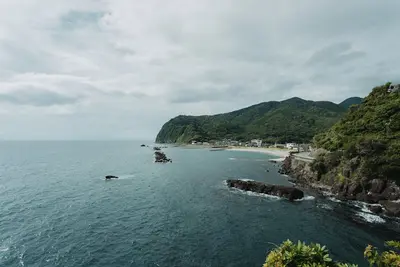
    These volcanic islands south of Tokyo offer impressive nature, hot springs, excellent diving, and a relaxed island life strongly connected to the fishing culture.
    Kamakura

    Kamakura

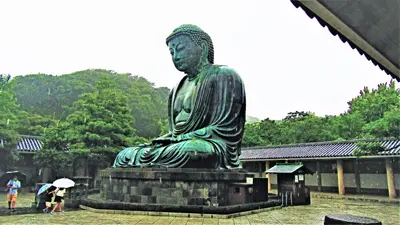
    Kamakura was the seat of Japan's first Shogunate at the end of the 12th century, making it the country's political center. Today, the coastal city, about an hour south of Tokyo, is known for the Great Buddha, numerous Zen temples in forested valleys, and its beaches.
    Hakone

    Hakone

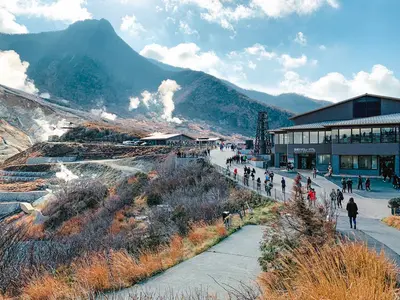
    Immerse yourself in the picturesque world of Hakone, a timeless retreat that perfectly blends majestic nature, spiritual tranquility, and a rich art scene. Here, you'll experience Japan's beauty firsthand, from steaming hot springs to breathtaking views of the iconic Mount Fuji.
    Yokohama

    Yokohama

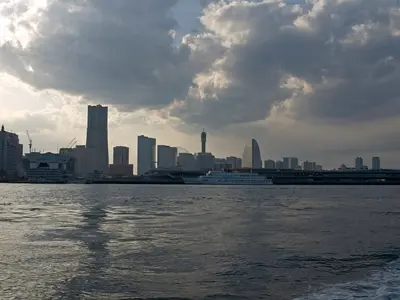
    Yokohama, Japan's second-largest city, grew from a fishing village into the primary gateway for Western trade after the port opened in 1859. Today, Minato Mirai's waterfront, one of Asia's largest Chinatowns, and Yamate's old foreign quarter shape its image.
    Mount Fuji

    Mount Fuji

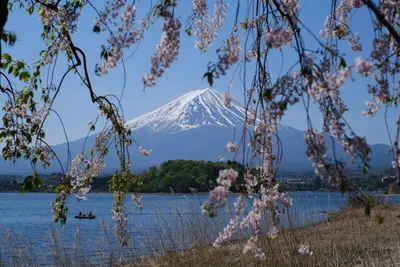
    At 3,776 meters, Mount Fuji is Japan's highest peak and, with its almost symmetrical cone shape, the country's most iconic image. Since 2013, the volcano has been a UNESCO World Heritage site – recognized as a sacred place and a source of artistic inspiration.

    Sources & method

    • Photos: Unsplash. Each photo carries its credit.
    • Place data such as addresses and ratings comes from Google Maps.
    • The content is based on web research from public, traceable sources. How the content is made · The role of AI