Fernweh: Home
    ExploreTravel GuidesPlan a tripMy tripLast visited
    de|en
    All Places & RegionsAll highlightsAbout FernwehFAQPrivacy PolicyImprint
    ExploreTravel GuidesPlan a tripMy tripLast visited
    • Neighborhoods & highlights
    • Eat & drink
    • Food culture
    • Culture
    • Getting around
    • Accommodation
    • Plan trip
    • Nearby
    Izu-Inseln

    Japan

    Izu-Inseln

    City

    These volcanic islands south of Tokyo offer impressive nature, hot springs, excellent diving, and a relaxed island life strongly connected to the fishing culture.

    by Felix Gillen

    1. Home
    2. Destinations
    3. Japan
    4. Tokio
    5. Izu-Inseln
    These volcanic islands south of Tokyo offer impressive nature, hot springs, excellent diving, and a relaxed island life strongly connected to the fishing culture.

    Sights in Izu-Inseln

    Discover the most important sights and attractions

    1Mt. Hyotan

    The Hyōtan-yama is a small volcanic cone in the northeast of Miyakejima island, very close to Sanshichi-yama, which was formed during the 1962 eruption. A short climb leads to the bare summit of black scoria, from which you gaze over the lava field, the coast, and the Pacific. The landscape strikingly demonstrates how recent eruptions have shaped the island. Practical Tip: Sturdy shoes are advisable on the loose volcanic rock; there is little shade.

    Open in Google Maps

    2Shiitori Shrine

    The Shiitori Shrine on Miyakejima is a testament to the island's volcanic power: During the Oyama eruption in 2000, mudslides buried large parts of the complex. Only the upper crossbeam of the torii still protrudes from the ground, and the roof of the old shrine is also partially buried. A new shrine was erected beside it. The site is about a ten-minute drive from Miyakejima Airport and can be easily combined with an island tour.
    Open in Google Maps

    3Cape Satado

    Am südlichsten Punkt einer der Izu-Inseln findest du das Cape Satado, eine beeindruckende Landzunge, die sich dramatisch ins Meer erstreckt. Diese vulkanisch geformte Küstenlinie bietet spektakuläre Ausblicke auf den Pazifik, wo sich die kräftigen Wellen an den steilen Klippen brechen. Historisch gesehen diente dieser markante Punkt als wichtiger Orientierungspunkt für die Seefahrt in dieser oft stürmischen Region. Ein kleiner Pfad führt dich zu einem Aussichtspunkt, von dem aus du an klaren Tagen die Weite des Ozeans und vielleicht sogar andere Inseln am Horizont erkennen kannst. Unser Tipp: Besuche das Cape am frühen Morgen, um die Ruhe der Natur zu genießen und die Chance auf ungestörte Fotos der aufgehenden Sonne über dem Meer zu haben. Achte auf die einzigartige Flora, die sich an die salzige Luft und den vulkanischen Boden angepasst hat.
    Open in Google Maps

    4Hodai

    Die Hodai-Anlagen auf den Izu-Inseln bezeichnen historische Küstenbatterien, die einst zur Verteidigung der japanischen Küstenlinie dienten. Diese Befestigungen, oft aus der späten Edo- oder frühen Meiji-Zeit stammend, wurden strategisch positioniert, um die Meerengen und potenziellen Landungsstellen vor fremden Schiffen zu schützen. Du findest hier meist die Überreste von massiven Steinmauern und Geschützplattformen, die einen Einblick in die damalige Militärarchitektur geben. Neben der historischen Bedeutung bieten diese Standorte oft spektakuläre Ausblicke über den Pazifik. Es ist ein Ort, der Ruhe und Reflexion über Japans Vergangenheit ermöglicht. Unser Tipp: Besuche die Hodai am frühen Morgen oder späten Nachmittag, um das beste Licht für Fotos zu haben und die Ruhe der Umgebung wirklich auf dich wirken zu lassen. Achte auf bequemes Schuhwerk, da die Wege zu den Anlagen oft uneben sind.
    Open in Google Maps

    5Chotaro Pond

    Der Chotaro Pond auf Miyakejima, einer der Izu-Inseln, ist ein beeindruckender Kratersee, der durch vergangene vulkanische Aktivitäten geformt wurde. Du findest hier ein einzigartiges Ökosystem vor, das sich in der isolierten Umgebung der Insel entwickelt hat. Das klare Wasser des Sees spiegelt oft die umliegende, dichte Vegetation wider und schafft eine Atmosphäre der Ruhe und Abgeschiedenheit. Es ist ein idealer Ort, um die unberührte Natur der Izu-Inseln zu erleben und die geologische Geschichte Miyakejimas zu verstehen.Unser Tipp: Für die besten Lichtverhältnisse und um die morgendliche Stille zu genießen, empfehlen wir einen Besuch in den frühen Morgenstunden. Achte auf festes Schuhwerk, da die Wege rund um den See naturbelassen sein können. Auch ein Fernglas kann nützlich sein, um die lokale Vogelwelt zu beobachten.
    Open in Google Maps

    6

    Cape Satadō is located in the Kamitsuki district on the east coast of Miyakejima. This approximately 20-meter-high promontory formed when lava flowed into the sea and was subsequently shaped by the surf. Around the small lighthouse, you'll see black basalt columns, red volcanic bombs, and solidified lava spatters. From here, you can gaze far out over the Pacific. Our Tip: Come in the early morning, when the sun rises over the sea.
    Open in Google Maps

    Restaurants in Izu-Inseln

    3

    tes

    Restaurant in 3150 Tsubota.
    Show on Google Maps
    2

    Yakiniku Yuri

    Restaurant in Japan.
    Show on Google Maps
    3

    GIZMO

    Restaurant in 2891 Tsubota.
    Show on Google Maps
    4

    Kappo Ikekichi

    Restaurant in 3069 Tsubota.
    Show on Google Maps
    5

    tes (Miyakejima)

    Small izakaya in Tsubota, in the south of Miyakejima. Japanese pub dishes are served, often with fish from the island. Seating is limited, and on the islands, many places have irregular closing days – it's best to ask at your accommodation.
    Show on Google Maps
    6

    GIZMO (Miyakejima)

    A restaurant offering Western cuisine in Tsubota on Miyakejima – a welcome change from fish and Izakaya dishes. With only a few restaurants on the small island, it's advisable to check opening days in advance.
    Show on Google Maps
    7

    Sunrise (Miyakejima)

    Yakiniku restaurant on the east side of Miyakejima, where you grill meat yourself at the table. One of the few places on the island for a hearty dinner.
    Show on Google Maps

    Food & Drink on the Izu Islands

    The cuisine of the Izu Islands is heavily influenced by the sea, offering you an abundance of fresh seafood and fish. Enjoy local specialties like freshly caught sashimi or grilled fish in traditional guesthouses such as 民宿 いけ吉 or the more upscale 割烹 いけ吉.

    Shima-zushi

    The "Island Sushi" is topped with fish marinated in soy sauce. Instead of wasabi, spicy mustard goes between the fish and rice.

    Kusaya

    Fish, cured in a brine preserved for generations and then dried. The smell is very strong, the taste significantly milder.

    Ashitaba

    The robust leafy green grows on all islands and is used as tempura, in soba noodles, or as tea.

    Island-Shōchū

    Shōchū is distilled on many islands, mostly from barley or sweet potatoes. This tradition dates to the Edo period.

    Izu Islands: History and Cultural Heritage

    The Izu Islands, a volcanic island chain south of Honshu, possess a distinct and deeply rooted culture, which was significantly shaped by their geographical isolation and history. Unique traditions and customs developed here, unlike on the mainland.Historically, the islands often served as a place of exile for political opponents and intellectuals, leading to a fascinating blend of local lifestyles and influences from the Japanese mainland. This historical role contributed to the emergence of distinct dialects and narrative arts. Architecturally, the islands are shaped mainly by wooden structures adapted to the harsh climate and natural stone walls, providing protection from wind and weather.Local Shinto shrines are often dedicated to the powerful natural forces of the volcanoes and the sea, which is reflected in the annual festivals. Craft specialties such as the traditional production of Kusaya, a fermented fish, on Niijima and Hachijojima, or unique textile dyeing techniques attest to the cultural ingenuity of the islanders.

    Getting Around Here

    Getting around the Izu Islands is quite different from Japan's major cities. Subways or trams are not found here; instead, local bus lines on larger islands like Izu Oshima or Hachijojima form the backbone of public transportation, often available with convenient day passes.For island hopping, Tokai Kisen ferries are essential, connecting the islands with the mainland and with each other. Bicycles and e-scooters are a fantastic way to explore the picturesque landscape at your own pace, with numerous rental stations at ports and tourist centers. Taxis are available, especially in the main towns, but ride-sharing services are largely unknown on the islands.Many island towns are pedestrian-friendly, ideal for walks, but for longer distances or hilly terrain, a rental car or scooter is recommended to enjoy maximum flexibility and reach secluded beaches or viewpoints.

    Accommodations in Izu-Inseln

    Find perfect stay in Izu-Inseln

    Booking.com* (Affiliate link)
    Search Hotels
    Agoda* (Affiliate link)
    Search Hotels
    Airbnb
    Vacation Rentals

    * Affiliate link: if you book through it, we earn a small commission. The price stays the same for you.

    Plan your trip to Izu-Inseln

    Save places, build a route and plan your city trip, all in one place.

    1. 1
      Sunrise over alpine peaks and a sea of clouds
      1234

      Round trip

      12 days · 4 stops

      Saved

      Pick a route

      Pick a ready-made one or save places and plan your own.

      Open bookmarks
    2. 2

      Trip to Izu-Inseln

      Live
      • 1Mt. Hyotan3 days
      • 2Shiitori Shrine4 days
      • 3Cape Satado5 days
      Budget

      Plan your trip

      The planner sorts stops, days and budget. Plan together in real time.

      Start trip planning
    3. 3
      9:41 No signal
      Izu-Inseln
      Available offline

      Use it on the road

      Download the guide to your phone and use it on site, even offline.

    Nearby

    Kamakura

    Kamakura

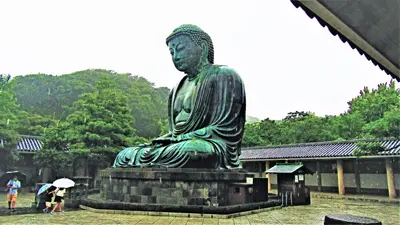
    Kamakura was the seat of Japan's first Shogunate at the end of the 12th century, making it the country's political center. Today, the coastal city, about an hour south of Tokyo, is known for the Great Buddha, numerous Zen temples in forested valleys, and its beaches.
    Hakone

    Hakone

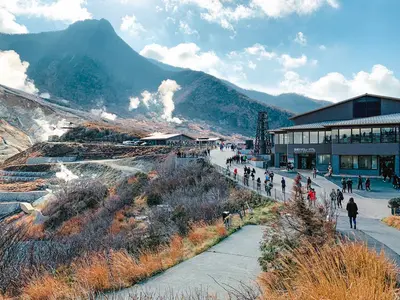
    Immerse yourself in the picturesque world of Hakone, a timeless retreat that perfectly blends majestic nature, spiritual tranquility, and a rich art scene. Here, you'll experience Japan's beauty firsthand, from steaming hot springs to breathtaking views of the iconic Mount Fuji.
    Yokohama

    Yokohama

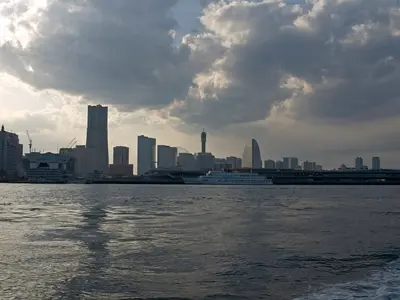
    Yokohama, Japan's second-largest city, grew from a fishing village into the primary gateway for Western trade after the port opened in 1859. Today, Minato Mirai's waterfront, one of Asia's largest Chinatowns, and Yamate's old foreign quarter shape its image.
    Mount Fuji

    Mount Fuji

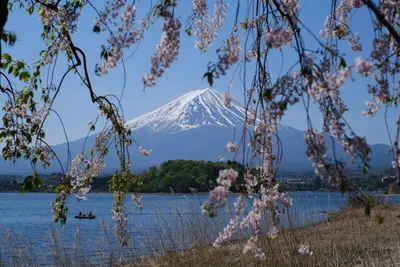
    At 3,776 meters, Mount Fuji is Japan's highest peak and, with its almost symmetrical cone shape, the country's most iconic image. Since 2013, the volcano has been a UNESCO World Heritage site – recognized as a sacred place and a source of artistic inspiration.
    Tokio

    Tokio

    Tokyo is Japan's capital and one of the world's largest metropolitan areas. Between skyscraper districts like Shinjuku and Shibuya are the Meiji Shrine, Sensō-ji in Asakusa, and narrow Izakaya alleys, where old Edo is still palpable. The prefecture also includes forested Tama Region mountains to its west, and the Izu and Ogasawara Islands out in the Pacific.

    Sources & method

    • Photos: Pexels. Each photo carries its credit.
    • Place data such as addresses and ratings comes from Google Maps.
    • The content is based on web research from public, traceable sources. How the content is made · The role of AI