ExploreTravel GuidesPlan a trip
    de|en
    All Places & RegionsAbout FernwehFAQPrivacy PolicyImprint
    ExploreTravel GuidesPlan a trip
    • Neighborhoods & highlights
    • Eat & drink
    • Food culture
    • Culture
    • Getting around
    • Accommodation
    • Plan trip
    • Nearby
    Yokohama
    Ymblanter / Wikimedia Commons / CC BY-SA 4.0
    City

    Japan

    Yokohama

    Yokohama, Japan's second-largest city, grew from a fishing village into the primary gateway for Western trade after the port opened in 1859.

    1. Home
    2. Destinations
    3. Japan
    4. Kanto
    5. Yokohama
    Yokohama, Japan's second-largest city, grew from a fishing village into the primary gateway for Western trade after the port opened in 1859. Today, Minato Mirai's waterfront, one of Asia's largest Chinatowns, and Yamate's old foreign quarter shape its image.
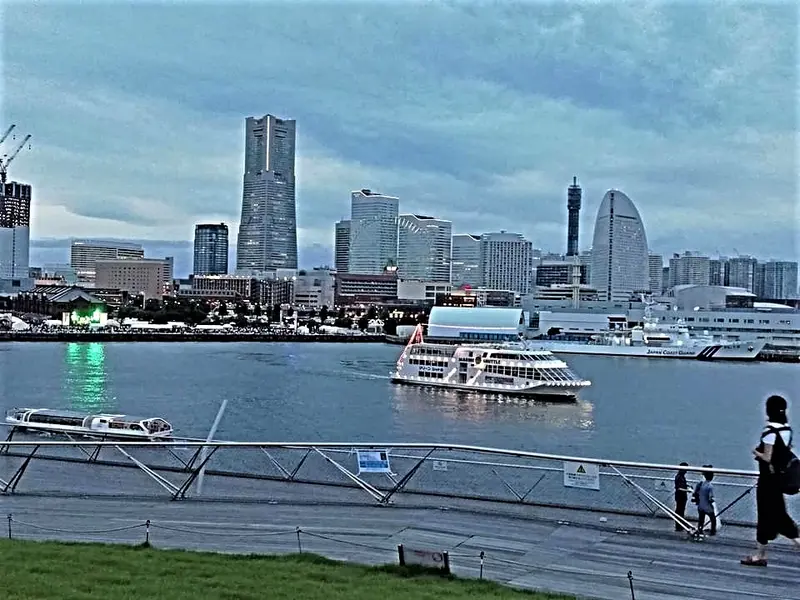
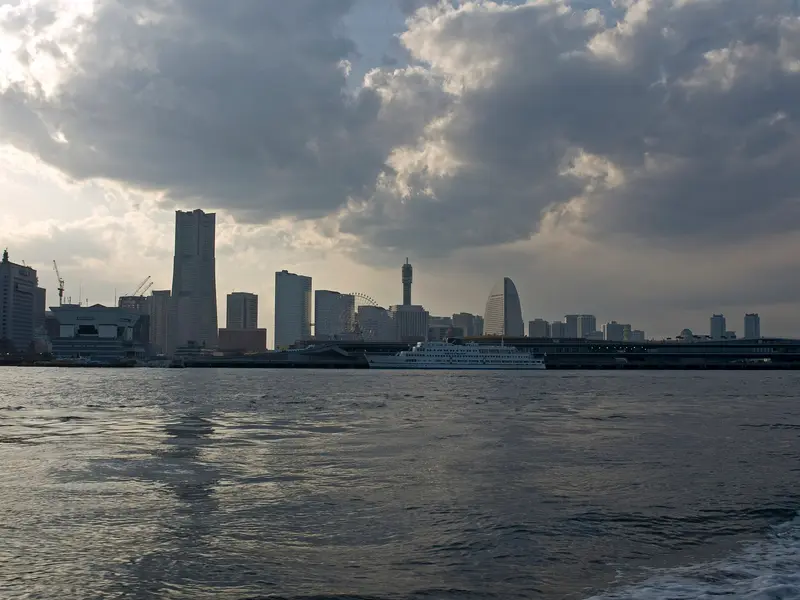
    Yokohama has around 3.7 million inhabitants, but by the water, it feels spacious and calmer than Tokyo. The promenade leads from the modern Minato Mirai district with the Landmark Tower and Ferris wheel, past the Red Brick Warehouses and Ōsanbashi Pier, to Yamashita Park. Behind it are Chinatown and, on Yamate Hill, the old foreign settlement with villas and a cemetery. A bit further out lies the Sankei-en landscape garden. From Tokyo, you can reach the city in half an hour.

    Sights in Yokohama

    Discover the most important sights and attractions

    Sankei-en
    Museum

    1Sankei-en

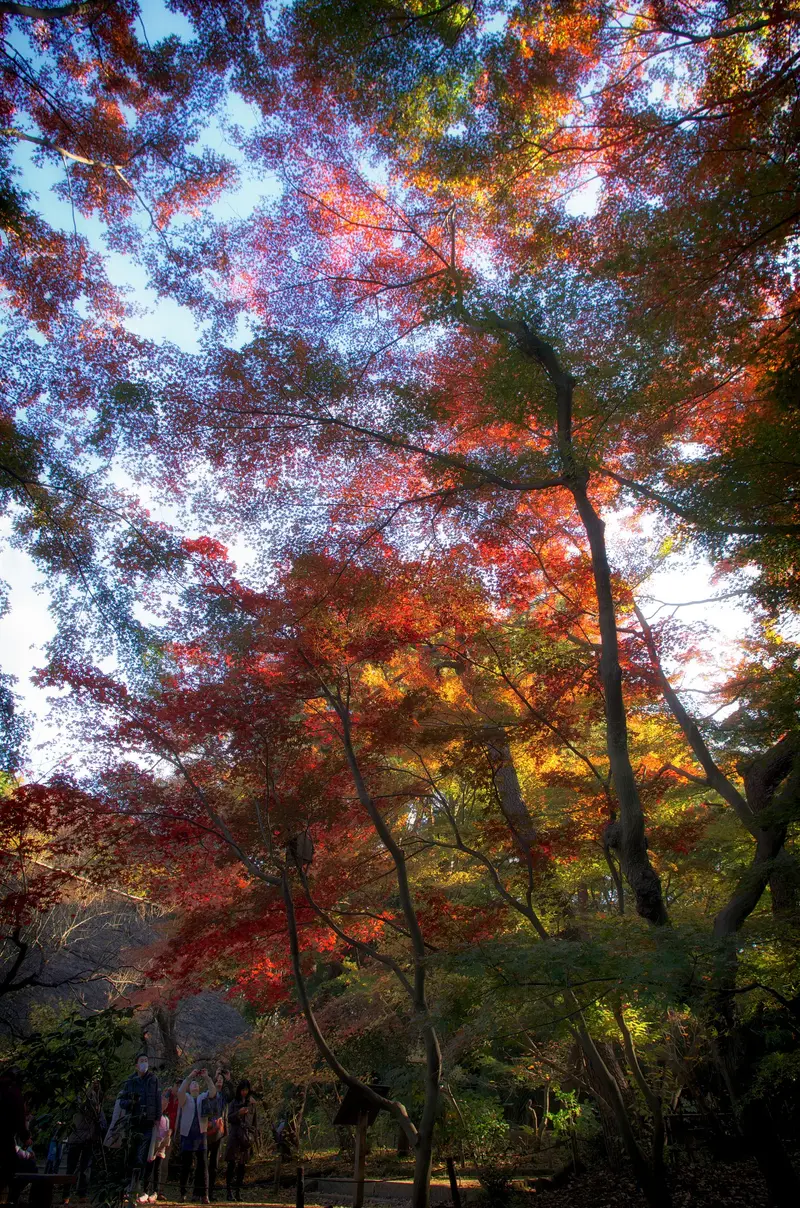
    The landscape garden was created in the early 20th century by silk merchant Hara Sankei. Into the hilly grounds around several ponds, he had historical buildings from across Japan relocated, including a three-story pagoda from Kyoto, tea houses, and farmhouses.The garden is located in the south of the city, about 20 minutes by bus from Yokohama Station. It is particularly beautiful during plum and cherry blossom season and autumn foliage.
    Open in Google Maps
    Chinatown
    Attraction

    2Chinatown

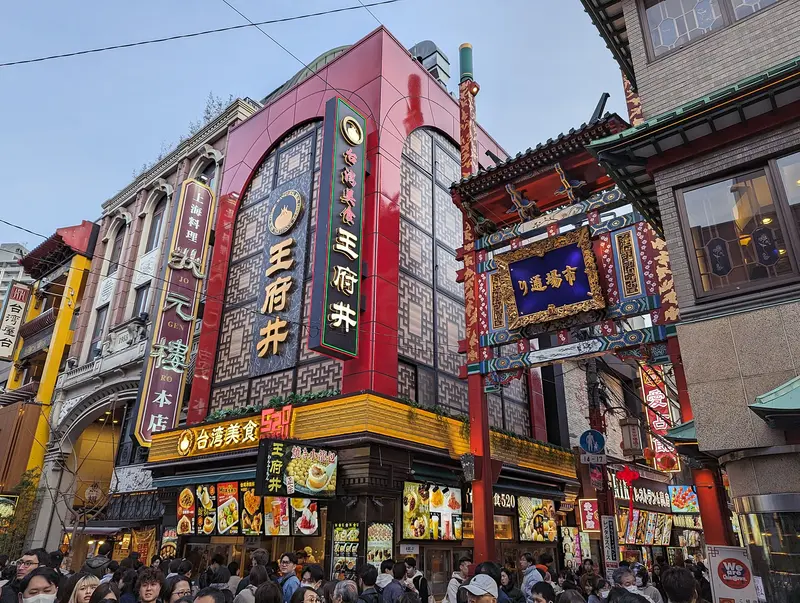
    Yokohama's Chinatown is Japan's largest. Ten colorful gates mark the district, its alleys packed with restaurants, food stalls, and shops. At its heart stands the richly adorned Kantei-byō Temple, dedicated to the God of War, Guan Yu.For Chinese New Year in January or February, lion dances and parades take place. Visit is best late afternoon, as lanterns light up.
    Open in Google Maps
    Minato Mirai and Landmark Tower
    Attraction

    3Minato Mirai and Landmark Tower

    Das Hafenviertel Minato Mirai entstand ab den 1980er-Jahren auf früheren Werftflächen. Sein höchstes Gebäude, der Landmark Tower, hat im 69. Stock die Aussichtsetage Sky Garden mit Blick über die Bucht und bei klarem Wetter bis zum Fuji.Am Fuß des Turms liegt das alte Trockendock, daneben das Segelschulschiff Nippon Maru. Von hier führt die Uferpromenade am Riesenrad von Cosmo World vorbei zu den Backsteinlagerhäusern und weiter zum Yamashita-Park.
    Open in Google Maps

    Restaurants in Yokohama

    Eating & Drinking in Yokohama

    Chinatown

    In the alleys of Chinatown, you'll find steamed meat buns, dumplings, and Peking duck; many restaurants offer all-you-can-eat menus.

    Shūmai

    The steamed pork dumplings are the city's signature dish. As a Bentō box for train travel, they are available at almost every station in the region.

    Iekei-Ramen

    Yokohama-style Ramen: thick noodles in a pork bone and soy sauce broth, with spinach and nori. You choose the fat content and noodle firmness.

    Sanmamen

    A noodle soup topped with fried vegetables in a lightly thickened sauce – an everyday dish of the city.

    Spaghetti Napolitan

    Spaghetti with ketchup, peppers, and sausage are a post-war dish from Yokohama and a classic of Japanese cafe cuisine.

    Port City in the West

    Opening 1859When Japan opened up for trade, a settlement for foreign merchants was established in Yokohama. From here, many Western innovations spread throughout the country; in 1872, Japan's first railway ran between Tokyo and Yokohama.ChinatownChinese merchants and interpreters arrived with the European traders. Their settlement grew into one of Asia's largest Chinatowns, featuring temples, gates, and hundreds of restaurants.Destruction and New BeginningsThe Great Kantō Earthquake of 1923 and the air raids of 1945 destroyed large parts of the city. Yamashita Park was laid out on the rubble of the earthquake, and Minato Mirai was built from the 1980s onwards on former shipyard and port areas.

    Getting there and around

    Getting ThereFrom Tokyo: JR trains take 25 to 40 minutes. The Tokyu Toyoko Line from Shibuya continues directly onto the Minatomirai Line to Motomachi-Chukagai.From Haneda Airport: take the Keikyu Line in about 25 minutes.Around TownThe waterfront promenade from Minato Mirai to Yamashita Park is easily explored on foot.The Minatomirai Line connects the districts underground.A cable car across the harbor runs from Sakuragicho Station to Minato Mirai.

    Accommodations in Yokohama

    Find perfect stay in Yokohama

    Booking.com* (Affiliate link)
    Search Hotels
    Agoda* (Affiliate link)
    Search Hotels
    Airbnb
    Vacation Rentals

    * Affiliate link: if you book through it, we earn a small commission. The price stays the same for you.

    Plan your trip to Yokohama

    Save places, build a route and plan your city trip, all in one place.

    1. 1
      1234

      Round trip

      12 days · 4 stops

      Saved

      Pick a route

      Pick a ready-made one or save places and plan your own.

      Open bookmarks
    2. 2

      Trip to Yokohama

      Live
      • 1Sankei-en3 days
      • 2Chinatown4 days
      • 3Minato Mirai and Landmark Tower5 days
      Budget

      Plan your trip

      The planner sorts stops, days and budget. Plan together in real time.

      Start trip planning
    3. 3
      9:41 No signal
      Available offline

      Use it on the road

      Download the guide to your phone and use it on site, even offline.

    Nearby

    Kamakura

    Kamakura

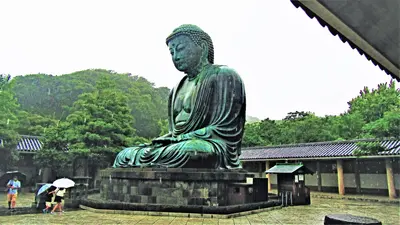
    Kamakura was the seat of Japan's first Shogunate at the end of the 12th century, making it the country's political center. Today, the coastal city, about an hour south of Tokyo, is known for the Great Buddha, numerous Zen temples in forested valleys, and its beaches.
    Tokio

    Tokio

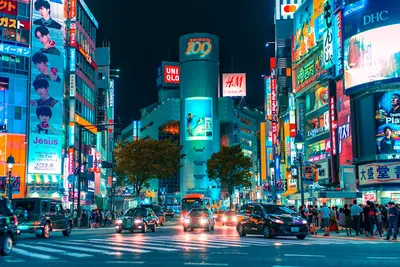
    Tokyo ist weit mehr als nur eine Stadt; es ist eine ausgedehnte Metropolregion, die futuristische Innovation mit tief verwurzelten Traditionen verbindet. Du findest hier sowohl pulsierende Stadtviertel als auch ruhige Oasen und beeindruckende Natur in der Peripherie. Lass dich von der schieren Größe und Vielfalt dieses einzigartigen Ortes verzaubern.
    Tama-Region

    Tama-Region

    Westlich der zentralen Bezirke gelegen, bietet die Tama-Region eine Mischung aus Vorstädten und unberührter Natur, ideal für Outdoor-Aktivitäten wie Wandern am Berg Takao und lokale Entdeckungen abseits des Großstadtrummels.
    Hakone

    Hakone

    Immerse yourself in the picturesque world of Hakone, a timeless retreat that perfectly blends majestic nature, spiritual tranquility, and a rich art scene. Here, you'll experience Japan's beauty firsthand, from steaming hot springs to breathtaking views of the iconic Mount Fuji.

    Kanto

    The Kanto region, located in eastern Honshu, is the vibrant heart of Japan and home to the world's largest metropolitan area centered around Tokyo. Here, centuries-old traditions seamlessly blend with futuristic innovation, promising you an unforgettable travel experience. Explore a fascinating diversity, from bustling urban landscapes to picturesque national parks and coastal regions that will captivate you.