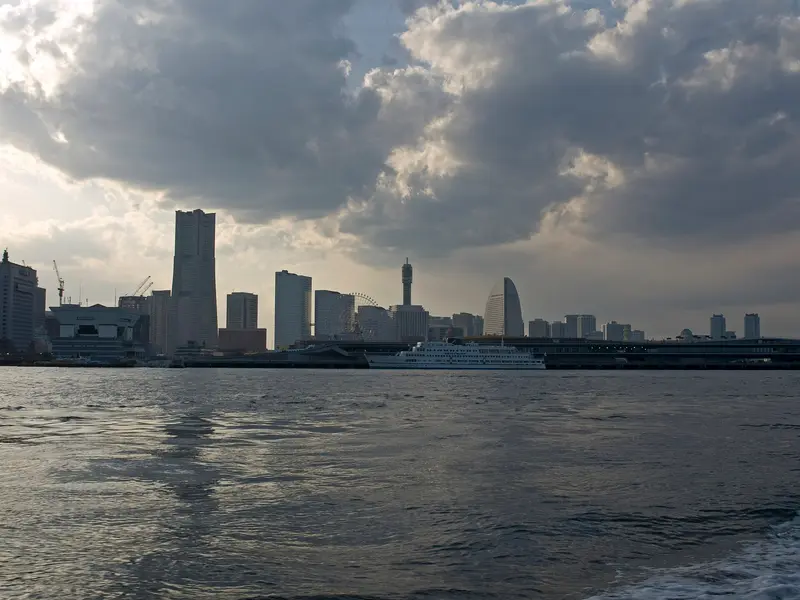
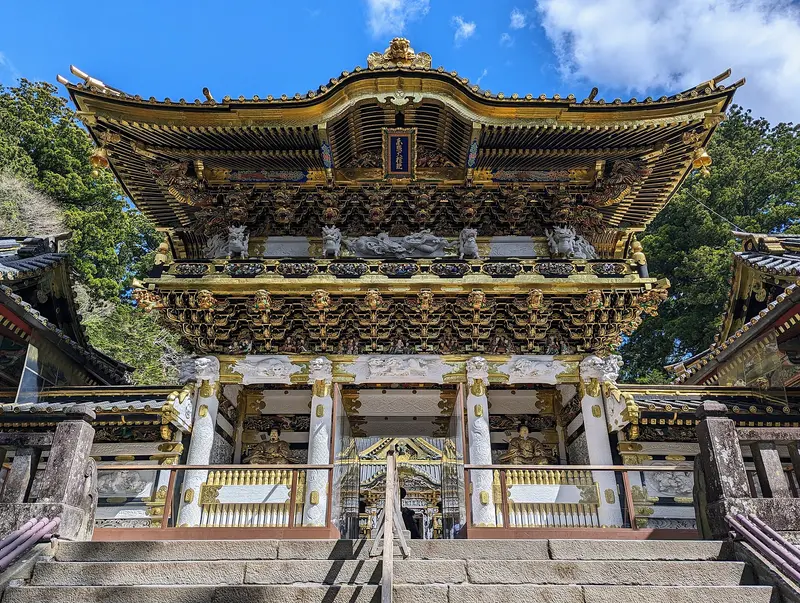
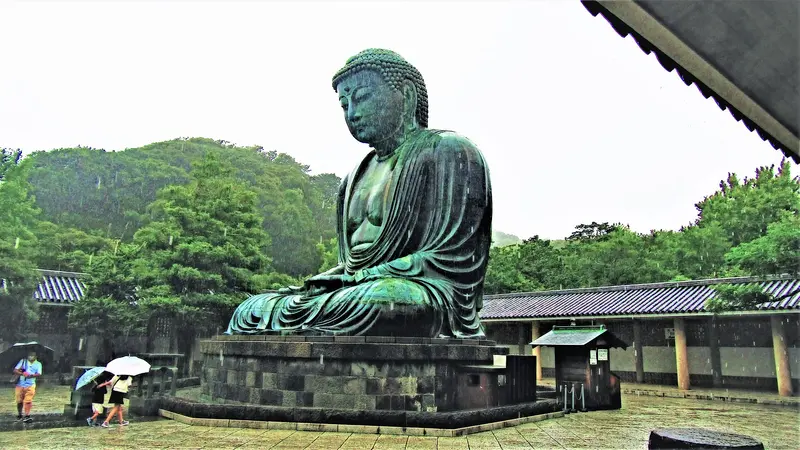
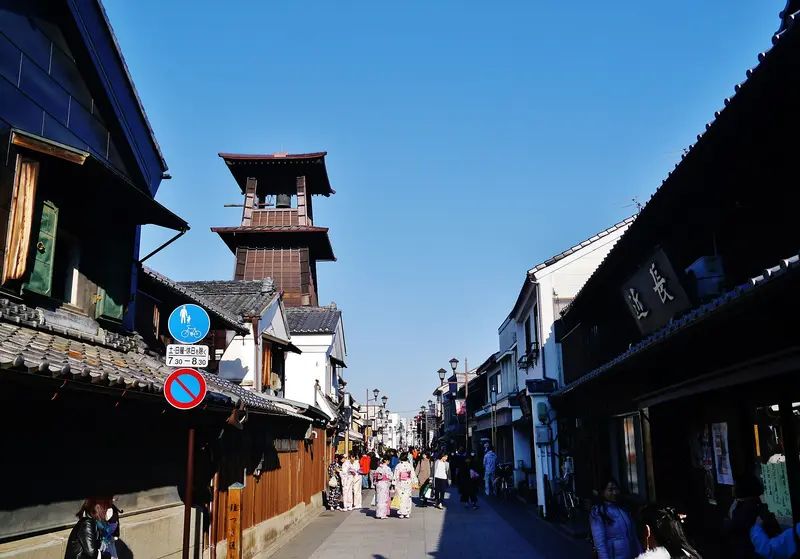
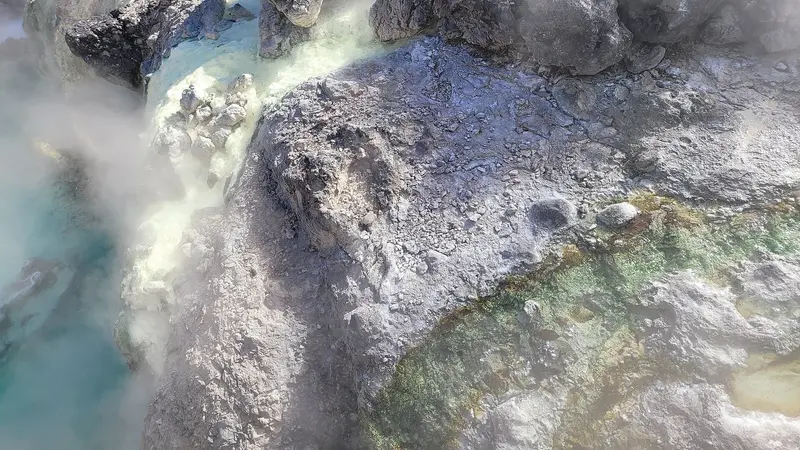
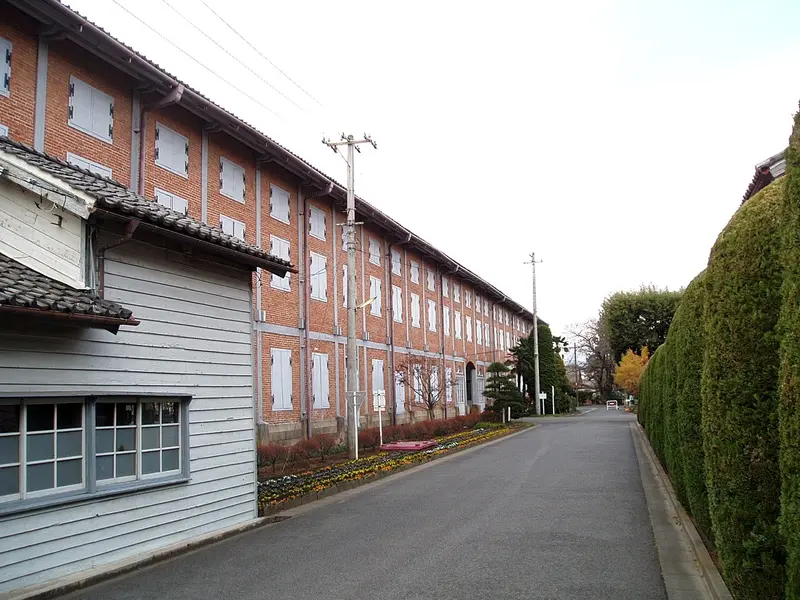
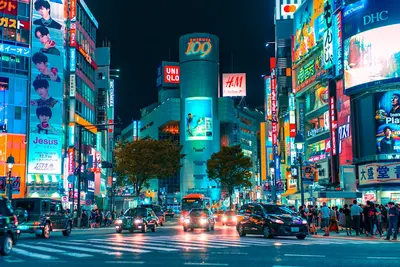
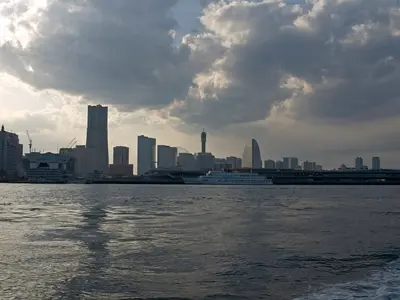
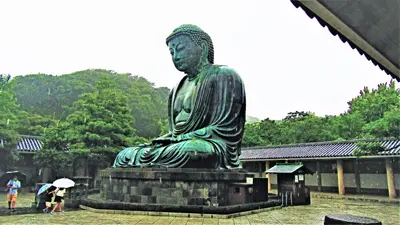
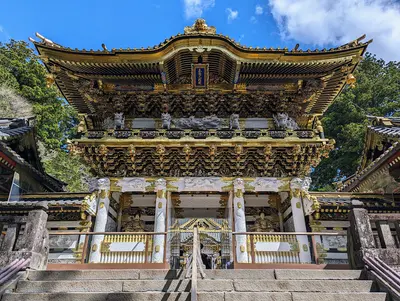
The Kanto region, and particularly its metropolis Tokyo, has for centuries formed the pulsating heart of Japan in terms of culture and history. From its beginnings as a small fishing village to today's global megacity, Kanto has undergone a development deeply rooted in Japanese identity, confronting visitors with a fascinating blend of ancient tradition and futuristic modernity.Historical Foundation and DevelopmentKanto's history is inextricably linked to that of Edo, present-day Tokyo. During the Edo Period (1603–1868), Edo grew under the rule of the Tokugawa shoguns into one of the world's largest cities, becoming the political and cultural center of the country. The Meiji Restoration in 1868 ended the feudal era and ushered in an age of modernization, during which Edo was renamed Tokyo and rose to become the imperial seat of government.Edo Period (1603–1868): Heyday of urban commoner culture, development of Ukiyo-e art and Kabuki theater. The rule of the Tokugawa shoguns shaped the region.Meiji Restoration (from 1868): Radical transformation of Japan, opening to the West, and rapid industrialization. Tokyo becomes the capital.World War II: Large parts of Tokyo were destroyed by bombing raids, leading to a remarkable reconstruction effort that underscores the region's resilience.Cultural Expressions of the Kanto RegionKanto's culture is diverse and dynamic, shaped by the capital's influences, yet also preserving regional characteristics. Here you'll find an impressive spectrum from traditional arts to the avant-garde.Traditional Arts: Discover Kabuki theater or the delicate art of Ukiyo-e. Many museums in Tokyo, such as the Tokyo National Museum, offer deep insights into these.Festivals and Rituals: Experience traditional Matsuri (festivals), like the Sanja Matsuri at Senso-ji Temple in Asakusa, celebrated with colorful processions and Mikoshi (portable shrines).Cuisine: Kanto is home to Edo-Mae Sushi and offers a wealth of regional specialties, from Tempura to Monjayaki, a type of savory pancake.Significant Sites of History and TraditionThe Kanto region hosts numerous historical sites and cultural landmarks, offering you direct access to Japan's past and present.Tokyo: Visit the Imperial Palace with its gardens, Tokyo's oldest temple, Senso-ji in Asakusa, or the imposing Meiji Jingu, a Shinto shrine dedicated to Emperor Meiji.Kamakura: The former capital offers a wealth of Buddhist temples and shrines, including Kotoku-in with its famous bronze Great Buddha Statue (Daibutsu).Nikko: A UNESCO World Heritage site, known for the magnificent Toshogu Shrine, the mausoleum of the founder of the Tokugawa shogunate, Tokugawa Ieyasu. Its elaborate decorations and embedded nature make Nikko an outstanding destination.Hakone: The region is known not only for its natural beauty and Onsen (hot springs), but also for the Hakone Open-Air Museum, which uniquely blends art and landscape.