The route runs from Tokyo to Hakone's thermal mountains, offering Fuji views, then continues to Kyoto. From Tokyo to Hakone, it's about a 90-minute ride on the Romancecar. From Odawara, the Shinkansen will take you to Kyoto in just over two hours.
8 Days / 7 Nights
März–Mai und Oktober–November
3 stops
Why This Route?
For first-timers exploring city, thermal spa, and temples in eight days on short train routes.
Hidden Gems
Yanaka Ginza in Tokyo, a shopping street in the pre-war style
the old stone path of the Tokaido between Hatajuku and Moto-Hakone with the Amazake-chaya teahouse
Otagi Nenbutsu-ji in Arashiyama with around 1200 stone Rakan figures
Itinerary
Stop 1 • 3 Nights
Tokyo
Region
Route highlight
Tokyo is Japan's capital and one of the world's largest metropolitan areas. Between skyscraper districts like Shinjuku and Shibuya are the Meiji Shrine, Sensō-ji in Asakusa, and narrow Izakaya alleys, where old Edo is still palpable. The prefecture also includes forested Tama Region mountains to its west, and the Izu and Ogasawara Islands out in the Pacific.
5 Sights
3 Restaurants
Tokyo's Cultural Heritage and Modernity
Tokyo, originally known as Edo, is a city that blends its deeply rooted traditions with groundbreaking modernity. From 1603, it served as the seat of the powerful Tokugawa Shogunate and rapidly grew into one of the world's largest metropolises. The Meiji Restoration of 1868 transformed Edo into the imperial capital of Tokyo, ushering in an era of rapid modernization and Western influences.Despite destructive events such as the Great Kanto Earthquake in 1923 and the devastation of World War II, the city has consistently reinvented itself. Its architecture is a fascinating blend of historic sites like the Senso-ji Temple in Asakusa and futuristic skyscrapers that define today's cityscape.Cultural distinctiveness manifests in diverse local traditions, from the delicate tea ceremony and Ikebana to the powerful performances of Kabuki theater and the Sumo ring. These practices are carefully preserved, offering deep insights into Japanese aesthetics and the significance of harmony and respect.
Immerse yourself in the picturesque world of Hakone, a timeless retreat that perfectly blends majestic nature, spiritual tranquility, and a rich art scene. Here, you'll experience Japan's beauty firsthand, from steaming hot springs to breathtaking views of the iconic Mount Fuji.
4 Sights
3 Restaurants
Culture and History
Hakone is a region deeply embedded in Japanese culture and history, offering visitors authentic insights into bygone eras. Nestled within a stunning natural landscape, this area played a central role in Japan's development for centuries.Historic Routes and CheckpointsHakone's significance as a cultural and historical hub is underscored by the well-preserved relics of the Tokaido Road (Kyūkaidō). This ancient main thoroughfare connected the former capital Edo (now Tokyo) with the imperial city of Kyoto during the Edo period.The Hakone Sekisho (Hakone Checkpoint) is a faithfully reconstructed checkpoint on the old Tokaido Road. It served to monitor traffic, especially the smuggling of firearms into Edo and the departure of women from Edo, which played a crucial role in the stability of the shogunate.You can walk sections of the historic Kyūkaidō, which is lined by over 300-year-old cedar trees (Suginamiki). These walks offer a sense of time travel and a connection to the country's history.Spiritual and Artistic ExperiencesHakone offers insights not only into political history but also into Japan's spiritual and artistic traditions.The Hakone Shrine (Hakone Jinja) is an ancient Shintō shrine whose origins date back to the 8th century. It is located on the shores of Lake Ashi and is particularly known for its striking red torii gate rising out of the water. Many locals and visitors come here to pray for good fortune and safety.The Hakone Open-Air Museum (Hakone Chōkoku no Mori Bijutsukan) opened in 1969 as Japan's first open-air museum, blending modern art with its natural surroundings. Here, you'll find an extensive collection of contemporary sculptures by international artists, as well as a dedicated hall showcasing the works of Pablo Picasso.
Rich in culture and history. Perfect for an exciting city trip and Culinary highlights.
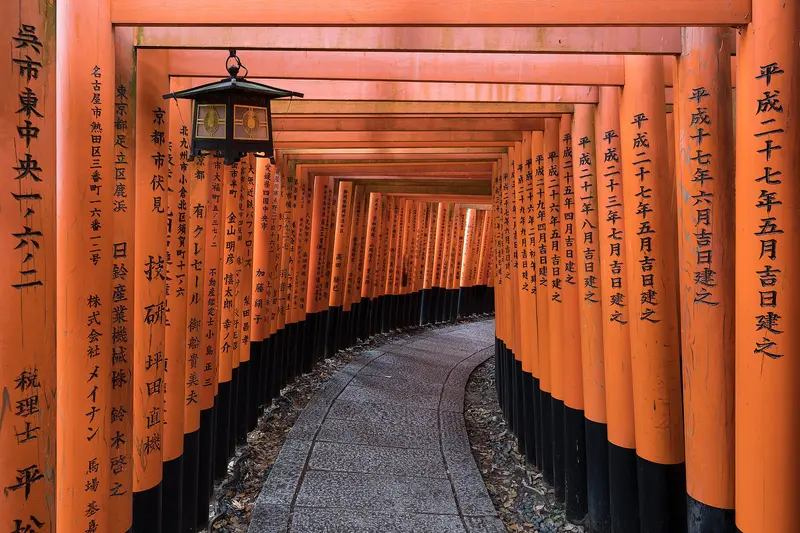
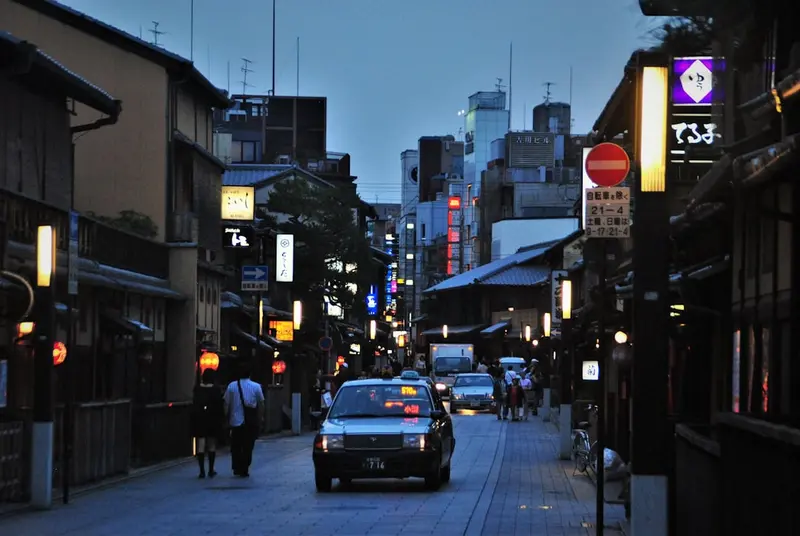
Kyoto, once Japan's imperial capital for over a thousand years, still preserves its rich cultural and historical identity today. The city boasts over 2,000 Buddhist temples and Shinto shrines, traditional gardens, and the vibrant Geisha district of Gion. Among its most famous attractions are the golden pavilion Kinkaku-ji, the impressive Fushimi Inari-Taisha with its thousands of red gates, and the serene Arashiyama Bamboo Grove. In the historic Gion district, you might, with a bit of luck, encounter Geishas and Maikos on their way to teahouses. For an authentic experience, you should visit the gardens of Ryoan-ji with their famous rock garden. To avoid the largest crowds, it is recommended to explore popular sites right after opening in the morning. The months of April and November offer spectacular views with cherry blossoms and autumn foliage respectively, but these are also the busiest times.
From Odawara, the Shinkansen takes you to Kyoto in just over two hours. Three nights are enough for Fushimi Inari, Gion, the temples in the east and a morning on the Philosopher's Path.
6 Sights
5 Restaurants
Kyoto: Center of Japanese Culture and History
Kyoto, Japan's former imperial capital from 794 to 1868 under the name Heian-kyō, is a living museum of its own history and art. This thousand-year era profoundly shaped the city, creating a unique cultural heritage that testifies to the intertwining of court traditions with Buddhism and Shintoism.Kyoto's architecture is a mirror of this development. It ranges from the magnificent wooden structures of countless temples and shrines, such as the UNESCO World Heritage site Kinkaku-ji and Kiyomizu-dera, to the elegant, traditional Machiya townhouses that define the streetscape of many districts.Local traditions and art forms are particularly nurtured in Kyoto. The tea ceremony, the arts of the geishas in the historic Gion district, as well as the creation of traditional crafts like kimono textiles, exquisite ceramics, and lacquerware are still vibrant and accessible here today. Kyoto thus serves as the spiritual and artistic heart of Japan, where the appreciation for aesthetics and historical continuity is deeply rooted.