Fernweh
    ExploreTravel GuidesMy Trips
    de|en
    About FernwehImprintFAQPrivacy Policy
    ExploreTravel GuidesMy Trips
    Tama-Region

    Tama-Region

    City
    1. Home
    2. Destinations
    3. Japan
    4. Tokio
    5. Tama-Region
    Westlich der zentralen Bezirke gelegen, bietet die Tama-Region eine Mischung aus Vorstädten und unberührter Natur, ideal für Outdoor-Aktivitäten wie Wandern am Berg Takao und lokale Entdeckungen abseits des Großstadtrummels.
    • Neighborhoods & highlights
    • Eat & drink
    • Culture
    • Getting around
    • Accommodation
    • Plan trip
    • Nearby
    • Neighborhoods & highlights
    • Eat & drink
    • Culture
    • Getting around
    • Accommodation
    • Plan trip
    • Nearby

    Overview

    The **Tama Region**, west of central Tokyo, offers tranquility and expansive nature for day trips. Here you'll find *Mount Takao*, a popular hiking destination with the historic Yakuōin Temple, whose autumn foliage is impressive. Attractions include the famous **Ghibli Museum in Mitaka**; book tickets for it online in advance. The Tama Zoological Park also beckons. The region offers authentic insights into Japanese daily life away from the hustle and bustle of the metropolis. Exploring is ideal in April/May and October/November to enjoy mild weather and nature.

    Places in Tama-Region

    Discover the most important sights and attractions

    Sights in Tama-Region

    Ichimyoji

    Attraction in Japan.
    Open in Google Maps

    Showa Kinen Park

    Weitläufiger Nationalpark mit umfangreichen Wanderwegen, Radwegen und einer Vielzahl an Gärten und Wäldern.
    Open in Google Maps

    Open Field

    Park in 3-chome-1 Mokuseinomori.
    Open in Google Maps

    Showa Kinen Park Barbecue Garden

    Attraction in Japan.
    Open in Google Maps

    Tachikawa Park

    Park in 6-chōme-29-62 Nishikichō.
    Open in Google Maps

    Ichimyoji

    Der Ichimyoji-Tempel, eingebettet in die grüne Landschaft der Tama-Region, bietet dir eine Oase der Ruhe abseits des städtischen Trubels. Dieser buddhistische Tempel ist ein hervorragendes Beispiel für die harmonische Verbindung von Natur und Spiritualität. Obwohl seine genaue Gründungsgeschichte weniger dokumentiert ist als die großer Nationaltempel, wird angenommen, dass er eine lange Tradition in der lokalen Gemeinschaft hat und als Ort der Andacht und Meditation dient. Du findest hier eine bescheidene Haupthalle und oft einen gepflegten Garten, der zum Verweilen einlädt.Die Architektur des Tempels spiegelt die schlichte Eleganz japanischer Sakralbauten wider, mit Holzarbeiten und einem traditionellen Dach, das sich nahtlos in die Umgebung einfügt. Besonders reizvoll ist der Ichimyoji während der Herbstmonate, wenn die umliegenden Bäume in leuchtenden Farben erstrahlen und eine malerische Kulisse bilden. Um die friedliche Atmosphäre voll auszukosten und die besten Fotos zu machen, empfehlen wir dir einen Besuch am frühen Morgen unter der Woche. So kannst du die Stille genießen und vielleicht sogar lokale Gläubige bei ihren Ritualen beobachten, ohne von Touristenmassen abgelenkt zu werden.
    Open in Google Maps

    Essen & Trinken

    Tama Region: Culture, Art, and History

    The Tama Region, located west of Tokyo's urban center, holds a rich cultural, artistic, and historical landscape deeply rooted in Japanese tradition. Its history dates back to the prehistoric Jomon period, as evidenced by archaeological finds, but developed significantly during the Nara and Heian periods, when the region served as a crucial supply route and agricultural hub for the capital.Architecturally, traditional farmhouses (Minka), ancient temples, and Shinto shrines shape the landscape, often serving as silent witnesses to bygone eras and forming a contrast to modern urban development. Local traditions like colorful Matsuri (festivals) and inherited crafts, including textile and ceramics production, continue to be nurtured in many communities of the Tama Region. These cultural distinctives reflect a persistent endeavor to preserve and foster the rural heritage and artistic expression in the shadow of the metropolis.

    Getting Around Here

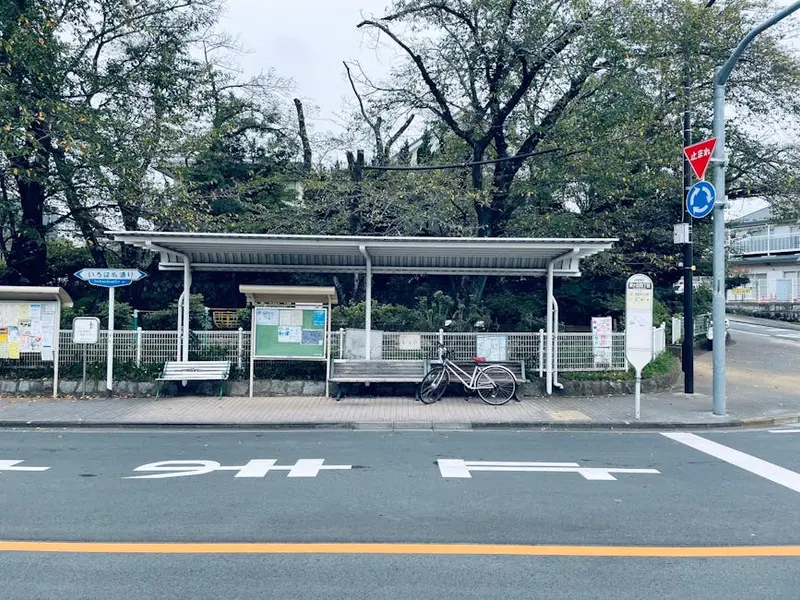
    The Tama Region offers an excellently developed and efficient transport network, making the exploration of its diverse landscapes and cities a breeze. Trains and subways form the backbone of public transport, seamlessly connecting the region with central Tokyo as well as numerous local attractions. Complementing this, extensive bus networks also open up more remote areas and smaller towns, often serving as the first or last mile to hiking trails or viewpoints.For straightforward use, rechargeable IC cards like Suica or Pasmo are essential, as they enable cashless travel on all trains and buses; apps like Japan Transit Planner or Google Maps assist with route planning. While bicycles and e-scooters can be rented in some areas to cover shorter distances, taxis are a convenient, albeit more expensive, option for direct journeys; ride-sharing is less common. Many cities in the Tama Region are also very pedestrian-friendly, ideal for leisurely strolls through local neighborhoods and parks.

    Accommodations in Tama-Region

    Accommodations in Tama-Region

    Find perfect stay in Tama-Region

    Booking.com
    Search Hotels
    Agoda
    Search Hotels
    Airbnb
    Vacation Rentals
    Hotels.com
    Hotels Worldwide
    Hostelworld
    Hostels

    Plan your trip to Tama-Region

    Save places, build a route and plan your city trip — all in one place.

    Save places

    Bookmark sights, restaurants and neighborhoods you're interested in.

    Build your route

    Turn your bookmarks into a route — define order, days and budget.

    Refine with AI

    Let Mein Fernweh suggest experiences and put together a tailored daily plan.

    Start trip planningOpen bookmarks

    Locations nearby

    These places are nearby — perfect for additional days or a day trip.

    Tokio

    Tokio

    Tokyo ist weit mehr als nur eine Stadt; es ist eine ausgedehnte Metropolregion, die futuristische Innovation mit tief verwurzelten Traditionen verbindet. Du findest hier sowohl pulsierende Stadtviertel als auch ruhige Oasen und beeindruckende Natur in der Peripherie. Lass dich von der schieren Größe und Vielfalt dieses einzigartigen Ortes verzaubern.
    Kanto

    Kanto

    The Kanto region, located in eastern Honshu, is the vibrant heart of Japan and home to the world's largest metropolitan area centered around Tokyo. Here, centuries-old traditions seamlessly blend with futuristic innovation, promising you an unforgettable travel experience. Explore a fascinating diversity, from bustling urban landscapes to picturesque national parks and coastal regions that will captivate you.
    Hakone

    Hakone

    Immerse yourself in the picturesque world of Hakone, a timeless retreat that perfectly blends majestic nature, spiritual tranquility, and a rich art scene. Here, you'll experience Japan's beauty firsthand, from steaming hot springs to breathtaking views of the iconic Mount Fuji.
    Mount Fuji

    Mount Fuji

    Admire Japan's iconic and sacred mountain, whose perfect conical shape inspired countless artists and is an unforgettable sight.
    The Japanese Alps

    The Japanese Alps

    The Japanese Alps present themselves as a region of impressive natural beauty and deep cultural roots. Here you'll find majestic peaks and untouched valleys, inviting exploration. A highlight is the Tateyama Kurobe Alpine Route, which allows for a spectacular traverse of the mountains and combines various modes of transport. In the World Heritage site of Shirakawa-go, you'll discover unique Gassho-zukuri farmhouses, a testament to traditional Japanese architecture. The historic town of Takayama entices with well-preserved Edo-period streets and authentic craftsmanship. For hikers, a visit to Kamikochi is recommended, a natural paradise with clear rivers and stunning panoramas. The months from June to October are ideal for outdoor activities; especially in autumn, the foliage displays its most beautiful colours.