Fernweh: Home
    ExploreTravel GuidesPlan a tripMy tripLast visited
    de|en
    All Places & RegionsAll highlightsAbout FernwehFAQPrivacy PolicyImprint
    ExploreTravel GuidesPlan a tripMy tripLast visited
    Mount Fuji

    Japan

    Mount Fuji

    Point of InterestCulture

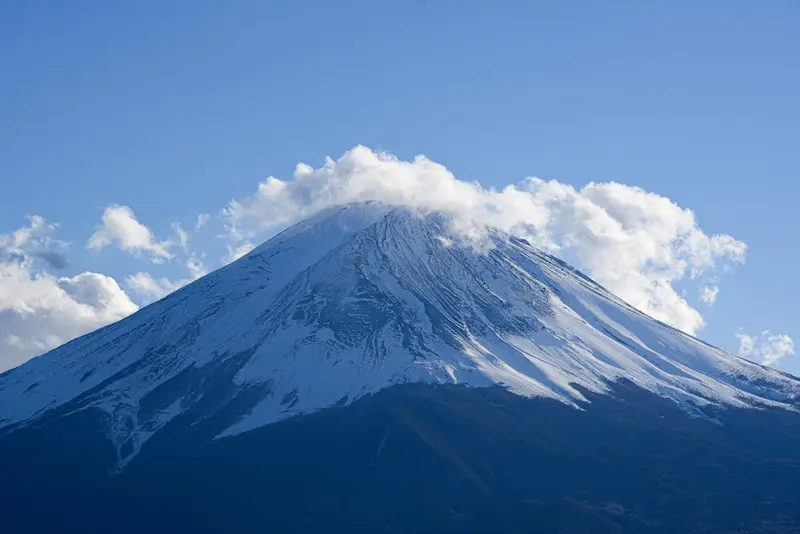
    At 3,776 meters, Mount Fuji is Japan's highest peak and, with its almost symmetrical cone shape, the country's most iconic image.

    by Felix Gillen

    1. Home
    2. Destinations
    3. Japan
    4. Chubu
    5. Mount Fuji
    At 3,776 meters, Mount Fuji is Japan's highest peak and, with its almost symmetrical cone shape, the country's most iconic image. Since 2013, the volcano has been a UNESCO World Heritage site – recognized as a sacred place and a source of artistic inspiration.

    Sehenswürdigkeiten

    Discover the most important sights and attractions

    Hoei Crater (first crater)

    1Hoei Crater (first crater)

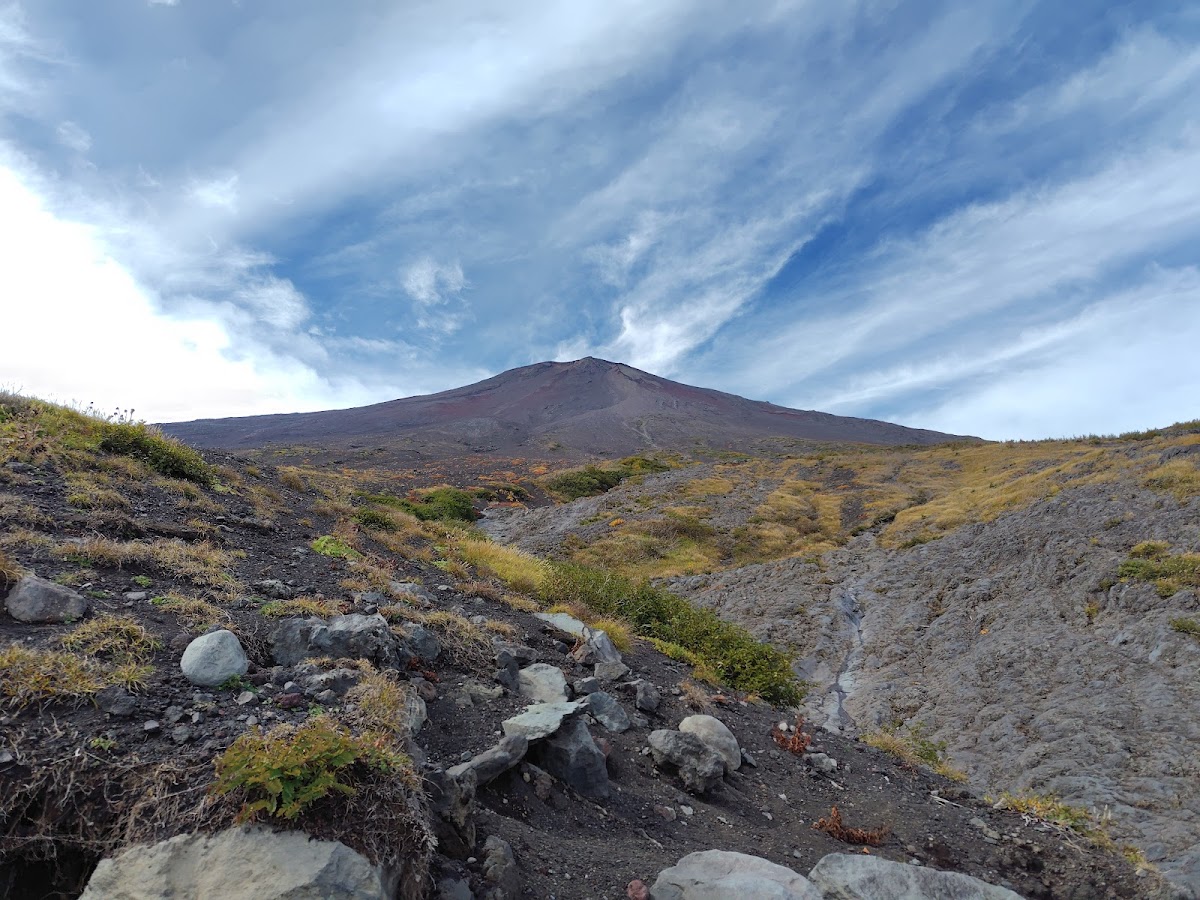
    The Hōei Crater (Hōei-kakō) is a striking geological feature of Fuji, bearing witness to its last eruption in 1707. This eruption tore open the mountain's southeast flank. When you reach the crater, you'll find yourself in a moon-like landscape that distinctly differs from the rest of Fuji. The eruption created three craters, the first of which is the largest. From here, you'll be treated to expansive views over the surrounding region, and on clear days, all the way to the coast. Our Tip: The Hōei Crater is a popular hike from the 5th Station of the Fujinomiya Route or the Gotemba Trail, requiring good fitness and sturdy hiking boots. It's best to hike during the official climbing season in summer. Be mindful of the thin air at this altitude.
    Open in Google Maps
    Kusushi Shrine

    2Kusushi Shrine

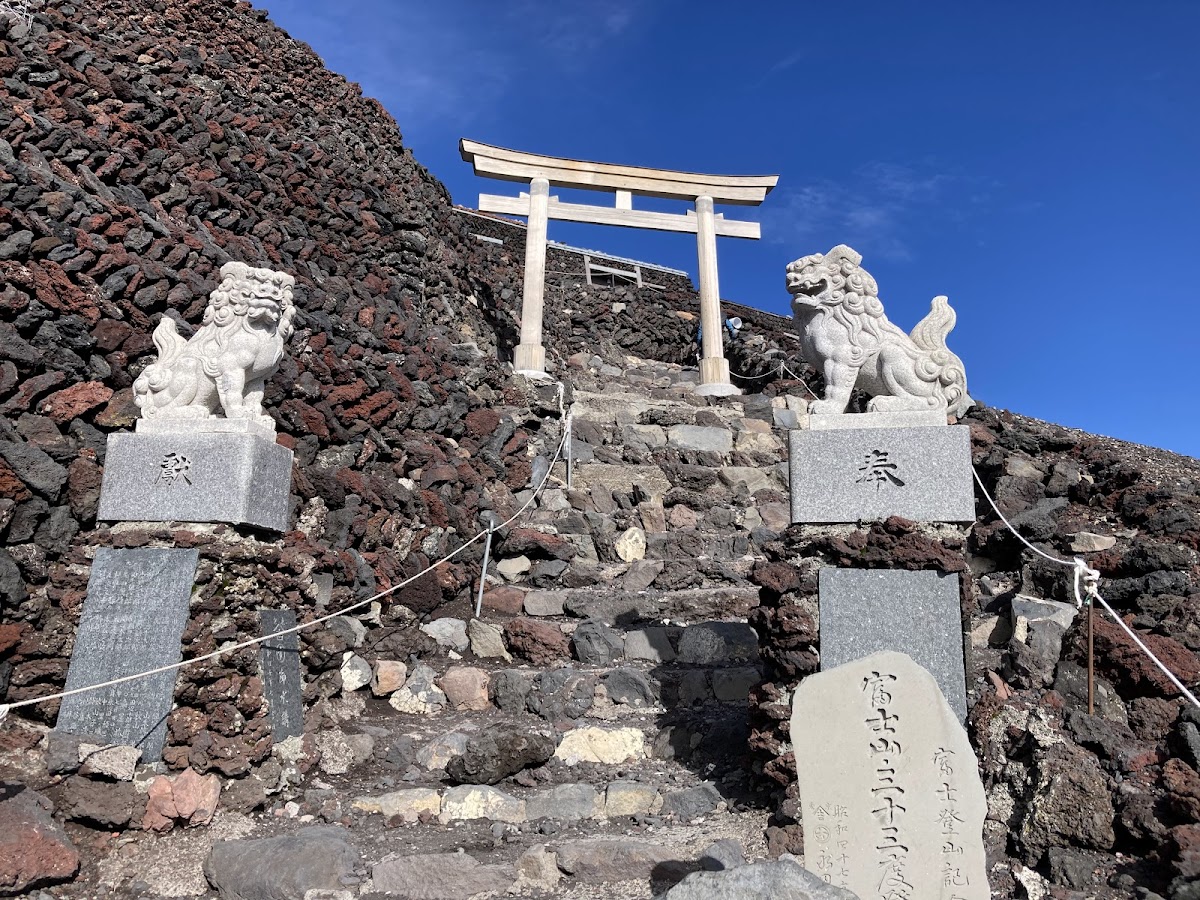
    The Kusushi Shrine stands on the northern rim of Fuji's crater, where the Yoshida and Subashiri routes reach the summit. Here, the deities Ōnamuchi and Sukunabikona are revered; the shrine belongs to Fujisan Hongū Sengen Taisha, whose main shrine (Okumiya) is located on the southern side of the crater at the summit. For many mountaineers, it is a place for a prayer of thanks after the ascent, and you can obtain a summit seal (Goshuin) here. The architecture is simple and adapted to the harsh weather at this altitude. Our Tip: Come shortly after sunrise, when the initial crowds have dispersed. The shrine is staffed only during the summer climbing season.
    Open in Google Maps
    Fuji Subaru Line 5th Station Lounge

    3Fuji Subaru Line 5th Station Lounge

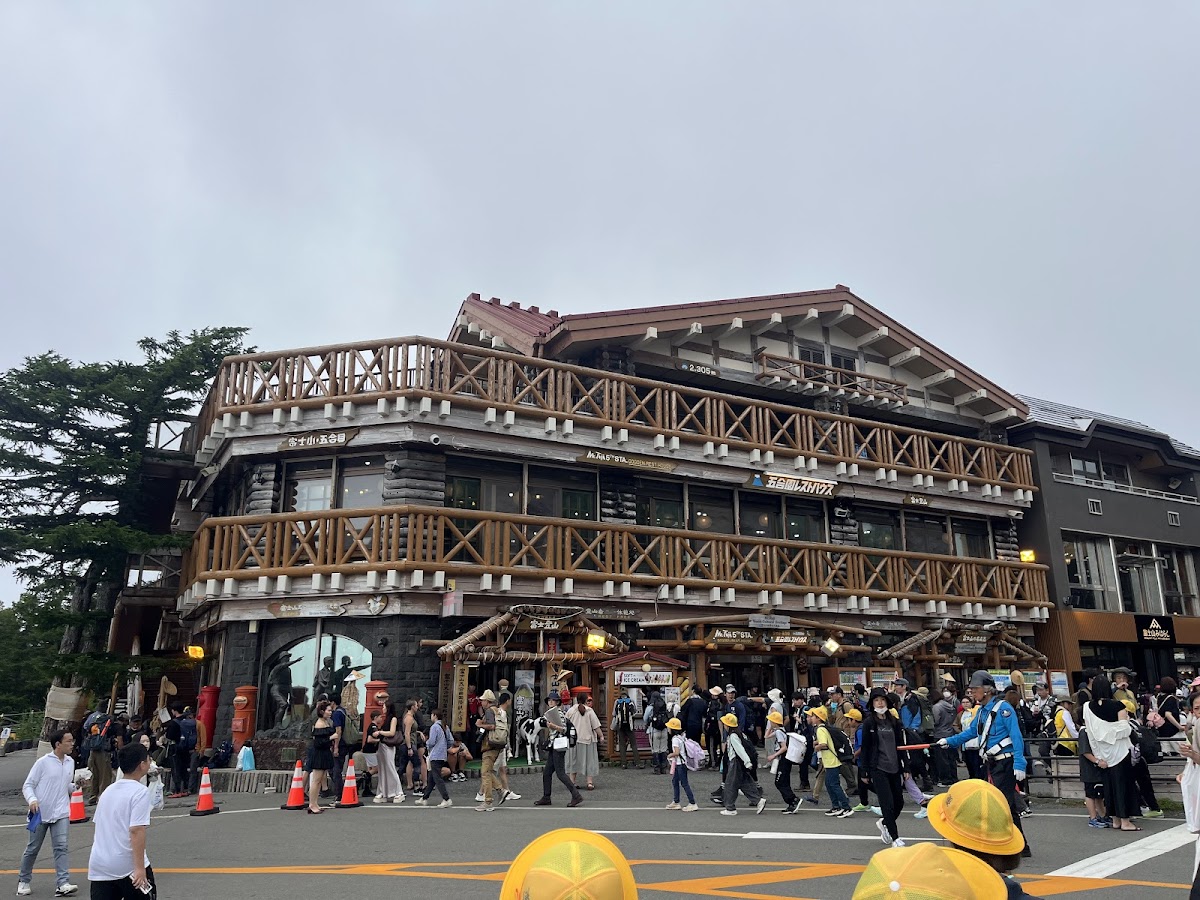
    The Fuji Subaru Line 5th Station, located at approximately 2,300 meters, is the starting point for the Yoshida Route, Mount Fuji's most popular ascent, and is accessible by bus or car. Here you'll find restaurants, souvenir shops, a small shrine, and information centers for climbers.From here, you often get views of the sea of clouds and the landscape of the Five Fuji Lakes. The air is already noticeably cooler and thinner; those aiming for the summit should acclimatize here for a while before setting off. Our tip: Come early in the morning, before clouds form, and bring warm clothing even in summer. During climbing season, the toll road is temporarily closed to private cars; buses operate then.
    Open in Google Maps
    Maboroshi no Taki (Phantom Waterfall)

    4Maboroshi no Taki (Phantom Waterfall)

    The Maboroshi no Taki ("Phantom Waterfall") is located at around 2,080 meters on the eastern flank of Fuji, near the 5th Station of the Subashiri Route. It only exists during the snowmelt season: Meltwater from the upper slopes then flows over exposed lava and plunges over the rock edge here. It usually appears for only a few weeks, typically from mid-May to mid-June, and primarily on warm days.From the parking lot of the Subashiri 5th Station, a marked path leads through forest and volcanic scree to the waterfall in approximately 25 minutes. Our tip: Come in the afternoon, as there's often little water flow in the early morning. The access road is closed in winter and restricted for private cars in peak summer.
    Open in Google Maps

    Essen & Trinken

    1

    Higashi-Fuji Sanso

    Restaurant in Japan.
    Show on Google Maps

    Okuniwa-so

    Restaurant in Narusawa.
    Show on Google Maps
    2

    Mori no Eki Fujisan Restaurant

    Restaurant in 2308 Suyama.
    Show on Google Maps
    3

    Yeti (Restaurant)

    Restaurant in 2428 Suyama.
    Show on Google Maps

    Gogōen Rest House

    Restaurant in Japan.
    Show on Google Maps

    Eating & Drinking at Fuji

    Hōtō

    Yamanashi Prefecture's signature dish: wide, flat wheat noodles, cooked with pumpkin and vegetables in miso broth in an iron pot. Especially satisfying after a hike.

    Yoshida Udon

    The Udon from Fujiyoshida are unusually firm and hearty. Traditionally, they are served with white cabbage and a spicy seasoning paste called Suridane.

    Fujinomiya-Yakisoba

    The specialty of Fujinomiya city on the south side: fried noodles with a particularly firm texture, pork fat cracklings, and fish powder.

    Shingen-Mochi

    Small rice cakes from Yamanashi with roasted soybean flour (Kinako), over which you pour dark sugar syrup. A popular souvenir from the region.

    Sacred Mountain and Artistic Motif

    Shinto Pilgrimage MountainMount Fuji has been revered as a seat of gods for centuries. Principally worshipped here is Konohanasakuya-hime, to whom the many Sengen Shrines around the mountain are dedicated – chief among them the Fujisan Hongū Sengen Taisha in Fujinomiya and the Kitaguchi Hongū Fuji Sengen Jinja in Fujiyoshida. During the Edo period, pilgrims organized themselves into so-called Fuji-kō, brotherhoods that ascended to the summit together. The numbered stations along the climbing routes date back to this tradition.Goraikō – The Sunrise from the SummitMany climbers stay overnight in a hut halfway up and set off at night to witness the sunrise from the summit. This ritual is called Goraikō and retains an almost ceremonial character to this day.Fuji in ArtNo motif shapes Japanese art as profoundly as Fuji. Katsushika Hokusai's woodblock print series "36 Views of Mount Fuji," featuring the famous "Great Wave off Kanagawa," also brought the mountain renown in Europe in the 19th century.

    Arrival and Ascent Routes

    From Tokyo to Mount FujiBus: Direct express buses run from Shinjuku Bus Terminal to Kawaguchiko, and during climbing season, up to Fuji Subaru Line 5th Station.Train: Take the JR Chūō Line to Ōtsuki, then the Fujikyū Line to Fujiyoshida and Kawaguchiko; some direct trains run from Shinjuku.South Side: Reach the Fujinomiya Route by bus from Shin-Fuji Shinkansen Station or Fujinomiya Station.The Four Climbing RoutesYoshida Route (Yamanashi): the most popular, with many mountain huts.Fujinomiya Route (Shizuoka): the shortest route with the highest starting point.Subashiri Route: quieter, forested in its lower section.Gotemba Route: the longest route with the greatest elevation gain.Season and RulesThe official climbing season runs approximately from early July to early September. Outside this period, huts are closed, and climbing is strongly discouraged. A usage fee is now charged for the trails, sometimes with online registration and specific access times – check the current rules on the official websites of Yamanashi and Shizuoka prefectures before your trip.

    Accommodations in Mount Fuji

    Find perfect stay in Mount Fuji

    Booking.com* (Affiliate link)
    Search Hotels
    Agoda* (Affiliate link)
    Search Hotels
    Airbnb
    Vacation Rentals

    * Affiliate link: if you book through it, we earn a small commission. The price stays the same for you.

    Nearby

    Hakone

    Hakone

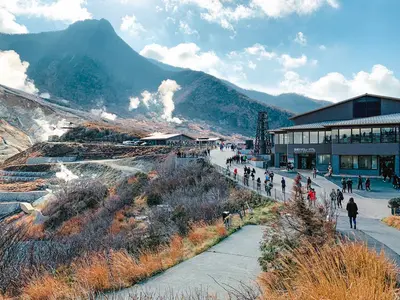
    Immerse yourself in the picturesque world of Hakone, a timeless retreat that perfectly blends majestic nature, spiritual tranquility, and a rich art scene. Here, you'll experience Japan's beauty firsthand, from steaming hot springs to breathtaking views of the iconic Mount Fuji.
    Tama-Region

    Tama-Region

    Located west of the central districts, the Tama Region offers a mix of suburban areas and expansive nature, ideal for outdoor activities like hiking on Mount Takao and local discoveries away from the city bustle.
    Kamakura

    Kamakura

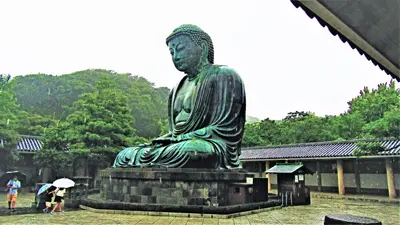
    Kamakura was the seat of Japan's first Shogunate at the end of the 12th century, making it the country's political center. Today, the coastal city, about an hour south of Tokyo, is known for the Great Buddha, numerous Zen temples in forested valleys, and its beaches.
    Yokohama

    Yokohama

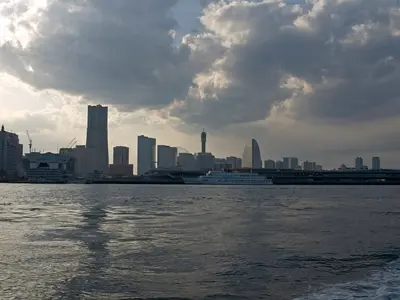
    Yokohama, Japan's second-largest city, grew from a fishing village into the primary gateway for Western trade after the port opened in 1859. Today, Minato Mirai's waterfront, one of Asia's largest Chinatowns, and Yamate's old foreign quarter shape its image.
    Tokio

    Tokio

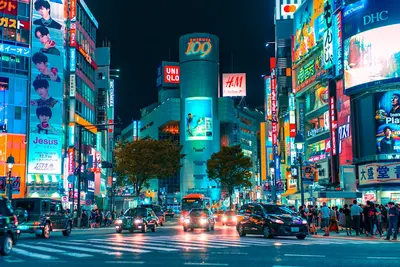
    Tokyo is Japan's capital and one of the world's largest metropolitan areas. Between skyscraper districts like Shinjuku and Shibuya are the Meiji Shrine, Sensō-ji in Asakusa, and narrow Izakaya alleys, where old Edo is still palpable. The prefecture also includes forested Tama Region mountains to its west, and the Izu and Ogasawara Islands out in the Pacific.

    Sources & method

    • Photos: Pexels. Each photo carries its credit.
    • Place data such as addresses and ratings comes from Google Maps.
    • The content is based on web research from public, traceable sources. How the content is made · The role of AI