Fernweh: Home
    ExploreTravel GuidesPlan a tripMy tripLast visited
    de|en
    All Places & RegionsAll highlightsAbout FernwehFAQPrivacy PolicyImprint
    ExploreTravel GuidesPlan a tripMy tripLast visited
    • Overview
    • Places in the region
    • Eat & drink
    • Food culture
    • Culture
    • Getting around
    • Round trips
    • Nearby
    Chubu

    Japan

    Chubu

    Region

    Welcome to Chubu, the impressive region in the heart of Japan, that will captivate you with its dramatic landscapes, deeply rooted traditions, and dynamic cities.

    by Felix Gillen

    1. Home
    2. Destinations
    3. Japan
    4. Chubu
    Welcome to Chubu, the impressive region in the heart of Japan, that will captivate you with its dramatic landscapes, deeply rooted traditions, and dynamic cities. Here you'll encounter majestic peaks of the Japanese Alps, the legendary presence of Mount Fuji, and a rich culinary scene shaped by regional specialties.
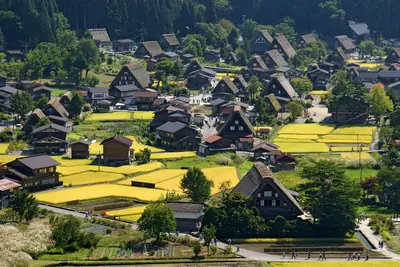
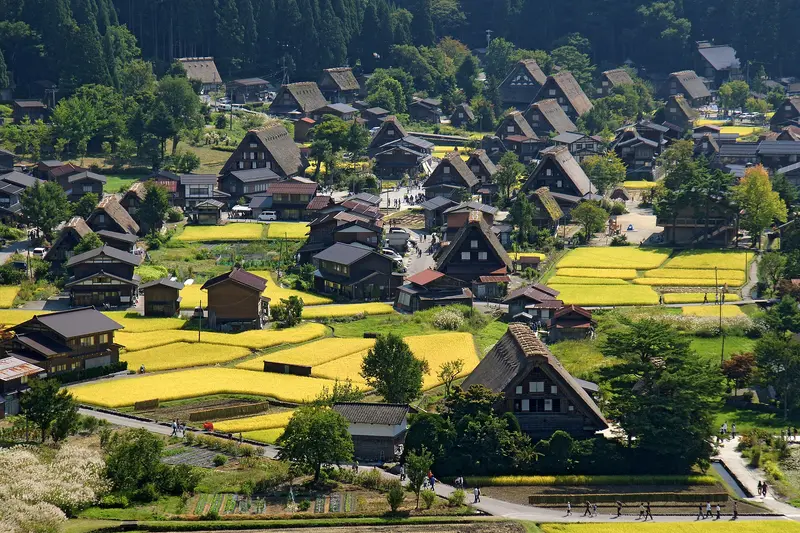
    The Chubu region, in the heart of Japan, offers an impressive diversity, from the majestic Japanese Alps to the iconic Mount Fuji. To the north, Kanazawa captivates with Kenrokuen Garden and the historic Nagamachi Samurai District. The UNESCO World Heritage site Shirakawa-go in Gifu is known for its unique Gassho-zukuri farmhouses. Numerous hot springs (Onsen) and a rich culinary scene with specialties like Hida beef complete the experience. June to October are ideal for hiking in the Alps; cherry blossom season in April and autumn foliage in November are delightful travel times.
    Hida Takayama

    Place 1 of 4

    Hida Takayama

    Visit this picturesque mountain town with its beautifully preserved Edo-period streets, traditional wooden buildings, and unique Gassho-zukuri architecture.

    Discover
    The Japanese Alps

    Place 2 of 4

    The Japanese Alps

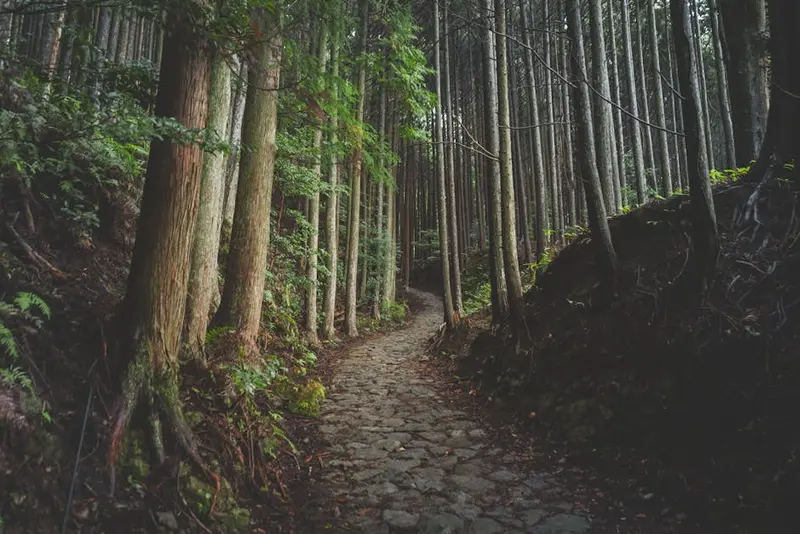
    The Japanese Alps present themselves as a region of impressive natural beauty and deep cultural roots. Here you'll find majestic peaks and untouched valleys, inviting exploration.

    Discover
    Kanazawa

    Place 3 of 4

    Kanazawa

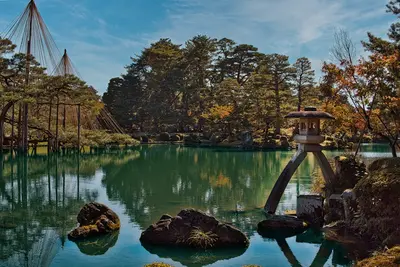
    Kanazawa lies on the coast of the Sea of Japan and is known for its well-preserved Edo-period districts. Right next to the castle park lies the Kenroku-en, one of the "Three Great Gardens of Japan".

    Discover
    Mount Fuji

    Place 4 of 4

    Mount Fuji

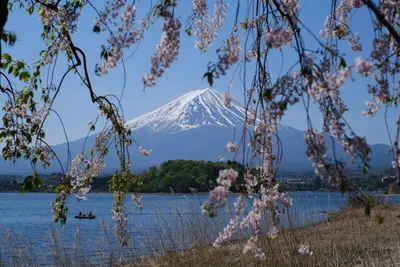
    At 3,776 meters, Mount Fuji is Japan's highest peak and, with its almost symmetrical cone shape, the country's most iconic image. Since 2013, the volcano has been a UNESCO World Heritage site – recognized as a sacred place and a source of artistic inspiration.

    Discover

    More places in Chubu

    Nagoya

    Nagoya

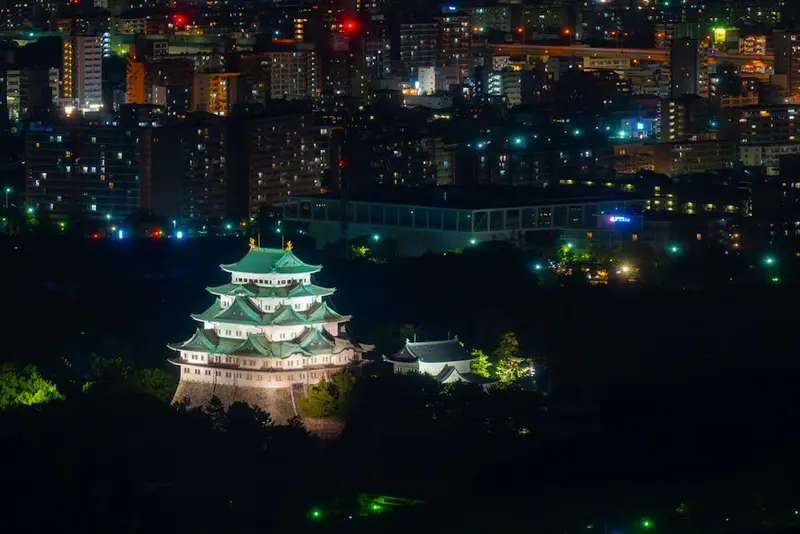
    Nagoya, often perceived as an industrial hub of Japan, reveals a rich history and a distinctive local culture. Here, you'll explore significant sites such as the reconstructed Nagoya Castle, a symbol of the Tokugawa dynasty, and the Atsuta Jingu Shrine, one of the country's oldest and most important Shinto shrines. The Osu district connects the historic Osu Kannon Temple with a lively shopping street that ranges from traditional shops to modern boutiques. For art enthusiasts, the Tokugawa Art Museum is highly recommended, showcasing treasures from the Owari branch of the Tokugawa family. Be sure to try the local cuisine, known as "Nagoya Meshi," with specialties like Miso Katsu or Hitsumabushi. The months of April and May or October and November offer pleasant weather for exploration, ideal for avoiding the summer heat and high humidity.
    Shirakawa-gō

    Shirakawa-gō

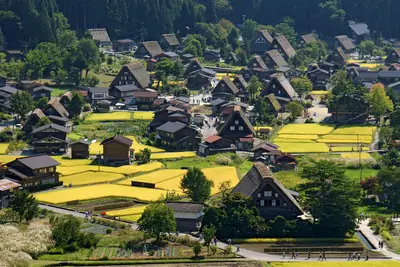
    The village of Ogimachi in the Shirakawa-gō Valley is known for its Gasshō-style farmhouses: Their steep thatched roofs resemble hands folded in prayer and bear heavy snow loads in winter. Together with Gokayama, it has been a UNESCO World Heritage site since 1995.

    Sights in Chubu

    Discover the most important sights and attractions

    sagyobar by suginomori brewery

    Die Suginomori Brewery in der Region Chubu ist ein etabliertes Haus, das für seine traditionelle Sake-Herstellung bekannt ist. Seit Generationen widmet sich die Brauerei der Produktion von Premium-Sake, wobei sie auf lokales Reis und reines Quellwasser aus der Umgebung setzt. Im Sagyobar, dem Verkostungsbereich der Brauerei, erhältst du einen tiefen Einblick in die Welt des Sake. Hier hast du die Möglichkeit, verschiedene Sorten des Hauses zu probieren, von trockenem Junmai bis zu fruchtigem Ginjo, und lernst die Nuancen dieser japanischen Spezialität kennen.Neben den Verkostungen bietet das Sagyobar oft auch Erläuterungen zum Brauprozess, von der Reispolierung bis zur Fermentation. Dies vermittelt ein besseres Verständnis für die Handwerkskunst und die kulturelle Bedeutung des Sake in Japan. Praktischer Tipp: Plane deinen Besuch so, dass du an einer geführten Verkostung teilnehmen kannst; diese bieten oft exklusive Einblicke und limitierte Abfüllungen. Es empfiehlt sich, früh am Tag zu kommen, um die ruhigere Atmosphäre zu genießen und eventuelle Touren durch die Brauerei zu buchen, falls diese angeboten werden.
    Open in Google Maps

    奈良井宿 上町

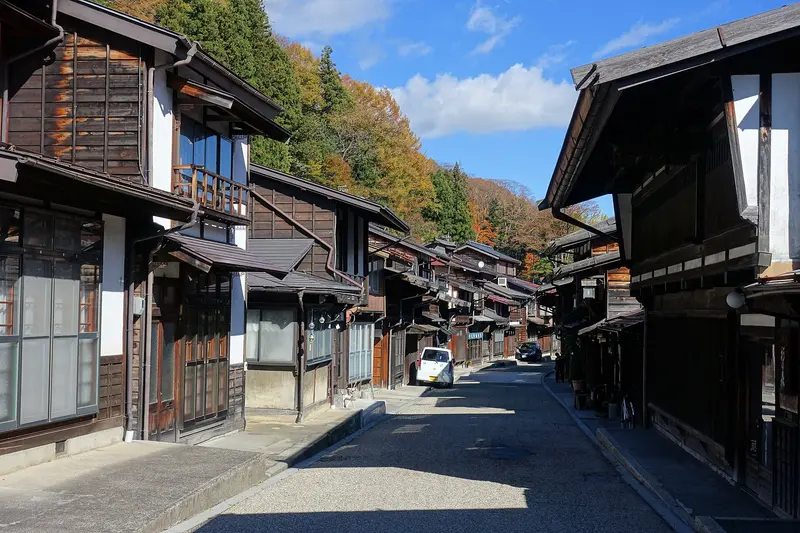
    奈良井宿 上町 (Narai-juku Kami-machi) ist ein herausragendes Beispiel einer erhaltenen Poststation entlang des historischen Nakasendo-Weges in der Chubu-Region. Diese bedeutende Handelsroute verband einst Edo mit Kyoto, und Narai-juku galt mit seinen 'tausend Häusern' als eine der längsten und belebtesten Stationen. Der obere Teil der Stadt, Kami-machi, präsentiert dir heute eine malerische Straße, gesäumt von traditionellen Holzhäusern aus der Edo-Zeit, die sorgfältig restauriert wurden. Du findest hier zahlreiche Geschäfte, die lokales Handwerk wie das berühmte Narai-Lackwaren (Narai-nuri) anbieten, sowie charmante Cafés und kleine Museen, die Einblicke in das Leben vergangener Jahrhunderte gewähren. Unser Tipp: Besuche Narai-juku am frühen Morgen, um die besondere Atmosphäre ohne große Menschenmassen zu erleben und die traditionelle Architektur in Ruhe zu bewundern. Für authentische Fotos bieten sich die Seitenstraßen und die detailreichen Fassaden der Häuser an. Es ist ein lebendiges Freilichtmuseum, das dich direkt in Japans Vergangenheit entführt.
    Open in Google Maps
    Narai-juku (Nakasendo post town)

    Narai-juku (Nakasendo post town)

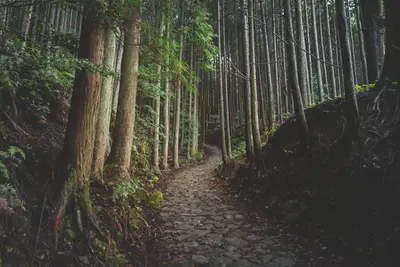
    Narai-juku is a preserved post town on the historic Nakasendō, which connected Edo with Kyoto through the mountains during the Edo period. Due to its long row of houses, the place was called "Narai of a Thousand Houses"; the main street stretches for about one kilometer through the valley. The upper district, Kami-machi, today features a street with restored Edo-period wooden houses. Here you'll find shops with local crafts such as Kiso lacquerware and wooden combs, as well as cafés and small museums offering insights into life in centuries past. Our Tip: Visit Narai-juku early in the morning to experience the atmosphere without large crowds. For photos, the side streets and the intricately detailed facades of the houses are ideal.
    Open in Google Maps
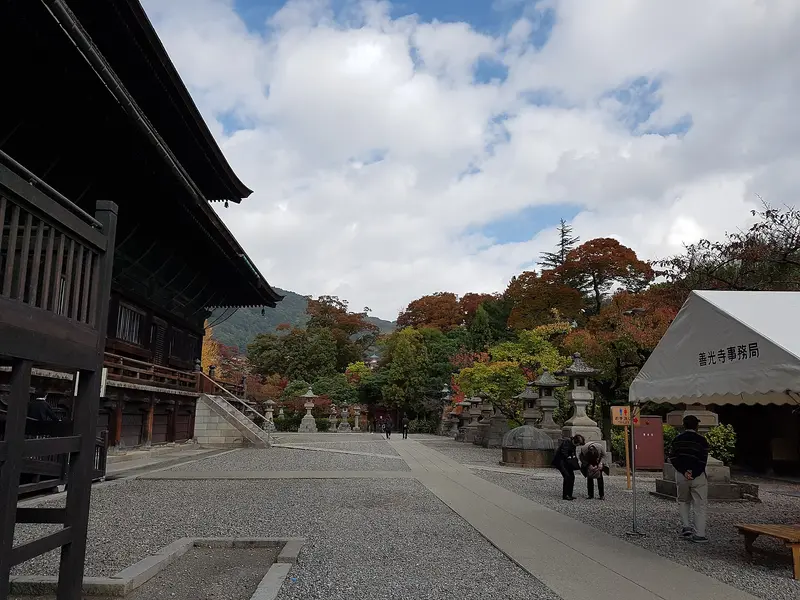
    Zenkō-ji
    Place of Worship

    Zenkō-ji

    Founded in the 7th century, Zenkō-ji in Nagano is one of Japan's most visited temples. It doesn't belong to any single Buddhist school, and thus has always been open to all devotees, including women.The Main Hall, from the early 18th century, is a National Treasure. Beneath it runs a completely dark passage, the Okaidan, where you grope for a wall-mounted lock said to promise enlightenment. From Nagano Station, walk up the Omotesandō for about 30 minutes.
    Open in Google Maps
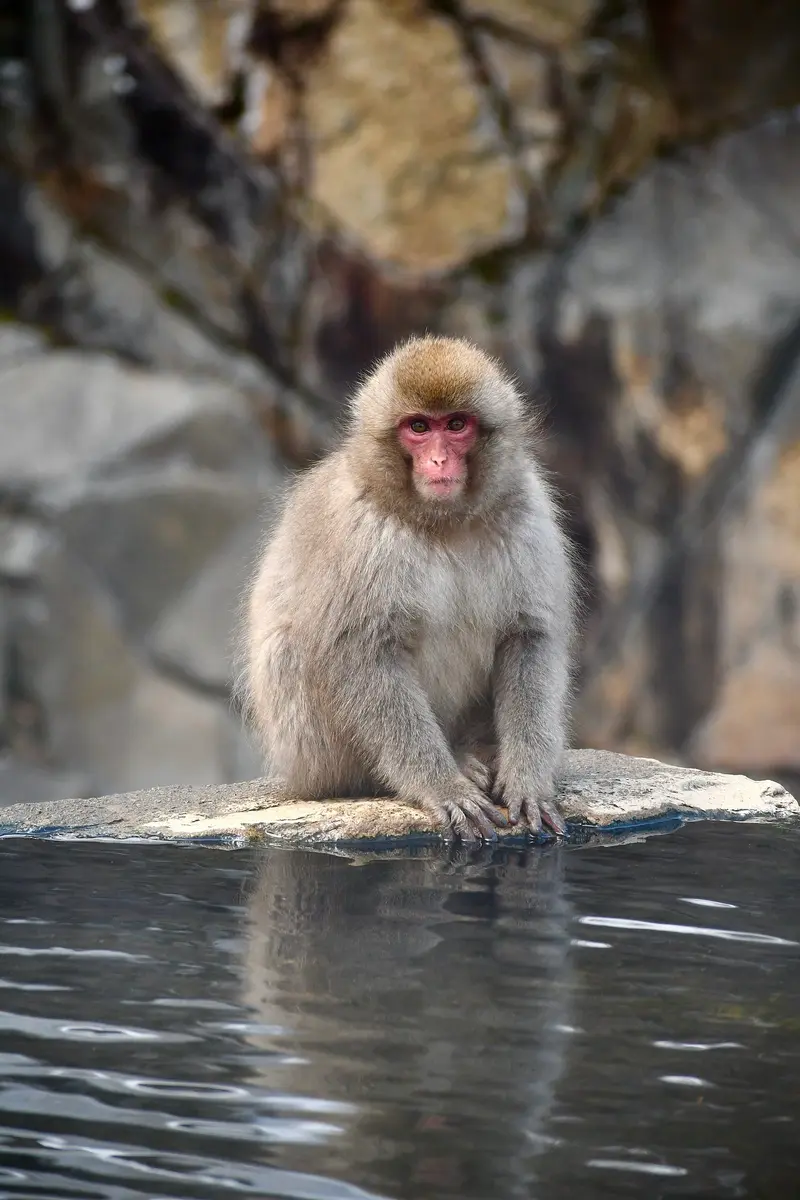
    Jigokudani Monkey Park
    Park

    Jigokudani Monkey Park

    In the valley of Jigokudani, nestled in the mountains north of Nagano, live wild Japanese macaques that bathe in a hot spring in winter. The animals are not confined but come daily to the basin because they are fed there.From the car park, an approximately 1.6-kilometer-long, flat forest path leads to the park; in winter it is snowy, so non-slip shoes are necessary. Touching or feeding the monkeys is forbidden. It's busiest between December and February.
    Open in Google Maps

    Restaurants in Chubu

    1

    Restaurant kura

    Restaurant in 551 Narai.
    Show on Google Maps
    2

    Tachigui Menya Hiro

    Restaurant in 728 Narai.
    Show on Google Maps
    3

    Yabuhara Kogen Yama no Ie

    Restaurant in 2968-1 Suge.
    Show on Google Maps
    4

    Oshokujidokoro Inakaya

    Restaurant in 580 Narai.
    Show on Google Maps
    5

    Restaurant kura (BYAKU Narai)

    Show on Google Maps
    6

    Sobami

    Show on Google Maps

    Dining and Drinks in Chūbu

    Hida Beef and Hōba Miso

    In Takayama's mountain region, you eat finely marbled Wagyu and Miso heated on a magnolia leaf over charcoal.

    Shinshū-Soba

    Nagano Prefecture, old Shinshū, is Japan's most famous buckwheat region. You'll find handmade Soba there in almost every town, along with filled dumplings called Oyaki.

    Nagoya-meshi

    Nagoya boasts its own robust cuisine: pork cutlet with dark miso sauce (Miso-Katsu), grilled eel on rice (Hitsumabushi), seasoned chicken wings (Tebasaki), and flat Kishimen noodles.

    Fish from the Sea of Japan

    Kanazawa and Toyama are known for seafood – in winter, for yellowtail and crab, and in Toyama Bay, also for white shrimp and firefly squid.

    Tea, Wasabi and Sake

    Shizuoka is one of the country's largest and most traditional tea-growing regions; in Azumino and on the Izu Peninsula, wasabi grows in clear spring water; and Niigata is among the most famous sake regions.

    Chubu's cultural heritage

    The Chubu region, central to Japan, is rich in history, art, and unique cultural traditions. Its significance is notably evident during the Sengoku period (15th to 17th century), when figures like Oda Nobunaga, Toyotomi Hideyoshi, and Tokugawa Ieyasu hailed from here, spearheading Japan's unification. This era deeply shaped the region, leaving many castles and historic sites.Architecturally, Chubu is renowned for its castles, like Matsumoto, one of Japan's oldest surviving original castles, and Nagoya Castle, its main keep, destroyed in war, rebuilt after 1945. Another highlight: the Gassho-zukuri farmhouses in Shirakawa-go and Gokayama, with their steep thatched roofs, unique examples of traditional construction and a UNESCO World Heritage site.Local traditions encompass diverse craftsmanship, including Seto-yaki pottery and Takayama lacquerware. Vibrant festivals like the Takayama Matsuri celebrate ancient customs, showcasing elaborately carved floats often called 'moving works of art'. This deep connection to nature and appreciation for craft reflect in many aspects of Chubu's daily life and cultural identity.

    On the road in Chūbu

    TrainsHokuriku-Shinkansen: From Tokyo via Nagano and Toyama to Kanazawa and onward to Tsuruga.Tōkaidō-Shinkansen: Runs along the Pacific coast, via Shizuoka to Nagoya.Express Trains to the Mountains: The Hida links Nagoya with Takayama and Toyama; the Shinano connects Nagoya with Matsumoto and Nagano; the Azusa runs from Tokyo-Shinjuku to Matsumoto.BusesBuses are often the quickest way to travel between mountain towns. Key routes include Takayama via Shirakawa-gō to Kanazawa, and Takayama via Hirayu Onsen to Matsumoto. During high season, a seat reservation is required for Shirakawa-gō.Note on SeasonsKamikōchi high valley is only accessible from mid-April to mid-November, and private cars are not permitted there.The Tateyama-Kurobe Alpine Route is generally open from mid-April to late November.In winter, the Alps and the Sea of Japan coast receive heavy snowfall; some mountain passes may be closed.

    Round trips through this region

    Japanische Alpen – Samurai, Sake, Stille

    Japanische Alpen – Samurai, Sake, Stille

    From Tokyo, you travel by train or direct bus in five to six hours to Takayama, and then by bus via the thatched-roof village of Shirakawa-go to Kanazawa. The Hokuriku Shinkansen takes you back to Tokyo in about two and a half hours.

    8 Days
    3 stops

    Nearby

    The Japanese Alps

    The Japanese Alps

    The Japanese Alps present themselves as a region of impressive natural beauty and deep cultural roots. Here you'll find majestic peaks and untouched valleys, inviting exploration. A highlight is the Tateyama Kurobe Alpine Route, which allows for a spectacular traverse of the mountains and combines various modes of transport. In the World Heritage site of Shirakawa-go, you'll discover unique Gassho-zukuri farmhouses, a testament to traditional Japanese architecture. The historic town of Takayama entices with well-preserved Edo-period streets and authentic craftsmanship. For hikers, a visit to Kamikochi is recommended, a natural paradise with clear rivers and stunning panoramas. The months from June to October are ideal for outdoor activities; especially in autumn, the foliage displays its most beautiful colours.
    Hida Takayama

    Hida Takayama

    Visit this picturesque mountain town with its beautifully preserved Edo-period streets, traditional wooden buildings, and unique Gassho-zukuri architecture.
    Shirakawa-gō

    Shirakawa-gō

    The village of Ogimachi in the Shirakawa-gō Valley is known for its Gasshō-style farmhouses: Their steep thatched roofs resemble hands folded in prayer and bear heavy snow loads in winter. Together with Gokayama, it has been a UNESCO World Heritage site since 1995.
    Mount Fuji

    Mount Fuji

    At 3,776 meters, Mount Fuji is Japan's highest peak and, with its almost symmetrical cone shape, the country's most iconic image. Since 2013, the volcano has been a UNESCO World Heritage site – recognized as a sacred place and a source of artistic inspiration.
    Kanazawa

    Kanazawa

    Kanazawa lies on the coast of the Sea of Japan and is known for its well-preserved Edo-period districts. Right next to the castle park lies the Kenroku-en, one of the "Three Great Gardens of Japan". Teahouse districts like Higashi Chaya and the Samurai district Nagamachi showcase traditional wooden houses and narrow alleys. At Ōmichō Market, you'll experience the local fish and agricultural culture, while the 21st Century Museum of Contemporary Art exhibits contemporary art. Kanazawa was spared from air raids during World War II, which is why many historic buildings and craft traditions like gold leaf production have been preserved. In autumn, when the leaves change color, Kenroku-en is particularly worth seeing. In some historic Chaya houses, you can participate in a tea ceremony.

    Sources & method

    • Photos: Wikimedia Commons, Unsplash. Each photo carries its credit.
    • Place data such as addresses and ratings comes from Google Maps.
    • The content is based on web research from public, traceable sources. How the content is made · The role of AI