Fernweh
    ExploreTravel GuidesMy Trips
    de|en
    About FernwehImprintFAQPrivacy Policy
    ExploreTravel GuidesMy Trips
    Nagoya

    Nagoya

    CityCulture
    1. Home
    2. Destinations
    3. Japan
    4. Chubu
    5. Nagoya
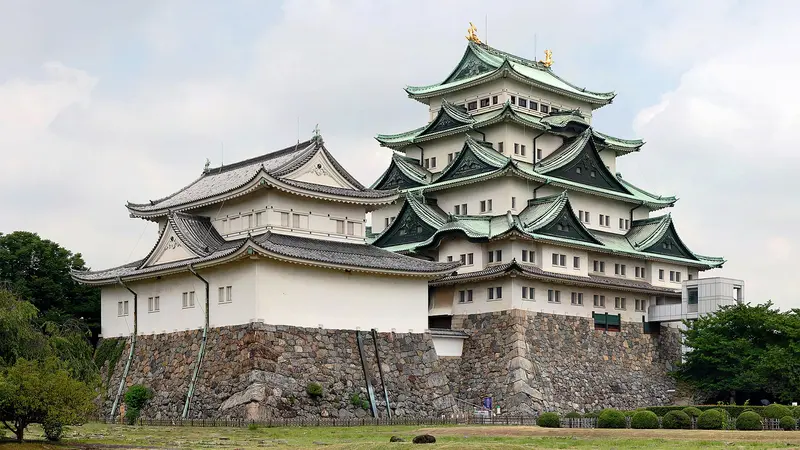
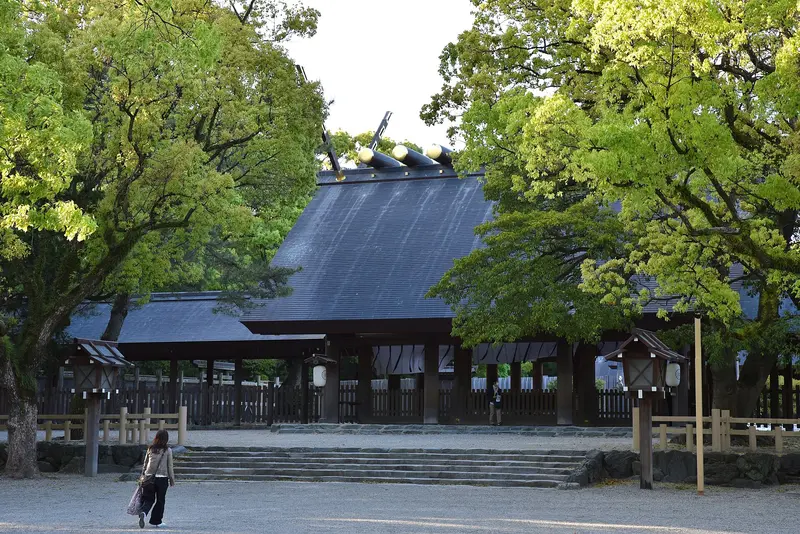
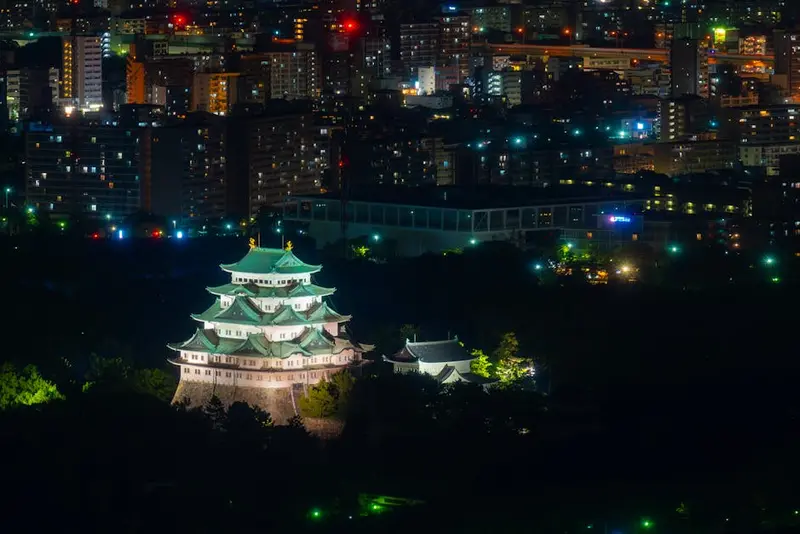
    Nagoya, often perceived as an industrial hub of Japan, reveals a rich history and a distinctive local culture. Here, you'll explore significant sites such as the reconstructed Nagoya Castle, a symbol of the Tokugawa dynasty, and the Atsuta Jingu Shrine, one of the country's oldest and most important Shinto shrines. The Osu district connects the historic Osu Kannon Temple with a lively shopping street that ranges from traditional shops to modern boutiques. For art enthusiasts, the Tokugawa Art Museum is highly recommended, showcasing treasures from the Owari branch of the Tokugawa family. Be sure to try the local cuisine, known as "Nagoya Meshi," with specialties like Miso Katsu or Hitsumabushi. The months of April and May or October and November offer pleasant weather for exploration, ideal for avoiding the summer heat and high humidity.
    • Neighborhoods & highlights
    • Eat & drink
    • Culture
    • Nightlife
    • Getting around
    • Accommodation
    • Plan trip
    • Nearby
    • Neighborhoods & highlights
    • Eat & drink
    • Culture
    • Nightlife
    • Getting around
    • Accommodation
    • Plan trip
    • Nearby

    Overview

    Nagoya, ein bedeutendes japanisches Zentrum, bietet dir eine faszinierende Mischung aus industrieller Dynamik und reicher Historie. Du entdeckst die rekonstruierte Burg Nagoya, ein Wahrzeichen der Tokugawa-Dynastie, und den ehrwürdigen Atsuta Jingu Schrein. Das Viertel Osu verbindet den historischen Osu Kannon Tempel mit lebhaften Einkaufsstraßen. Im Tokugawa Art Museum erwarten dich wertvolle Artefakte. Kulinarisch lockt "Nagoya Meshi" mit Spezialitäten wie Miso Katsu. Die besten Reisemonate sind April, Mai, Oktober und November, um die heißen Sommer zu meiden.

    Places in Nagoya

    Discover the most important sights and attractions

    Sights in Nagoya

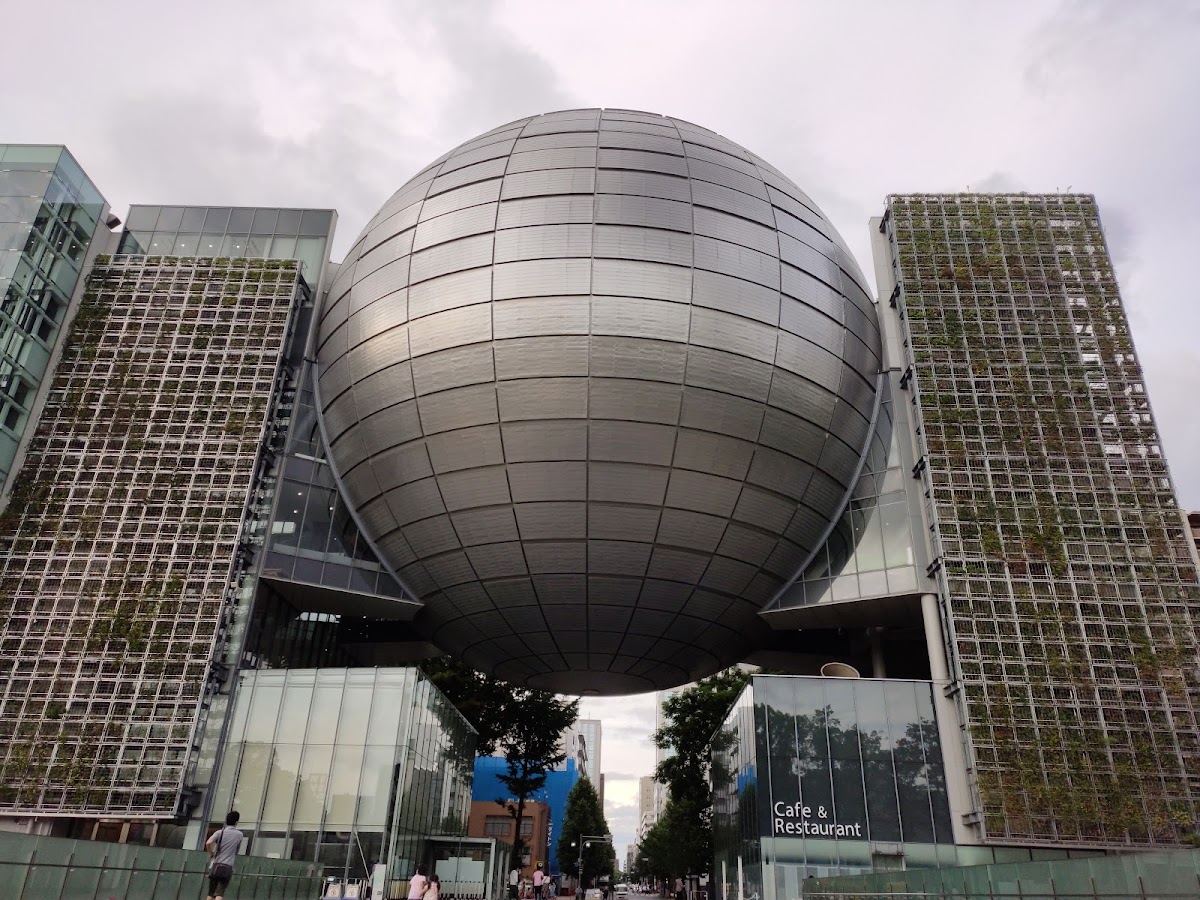
    Nagoya City Science Museum

    Wissenschaftsmuseum mit großem Planetarium sowie Ausstellungen zu Wetter, Biologie und Elektrizität.
    Open in Google Maps

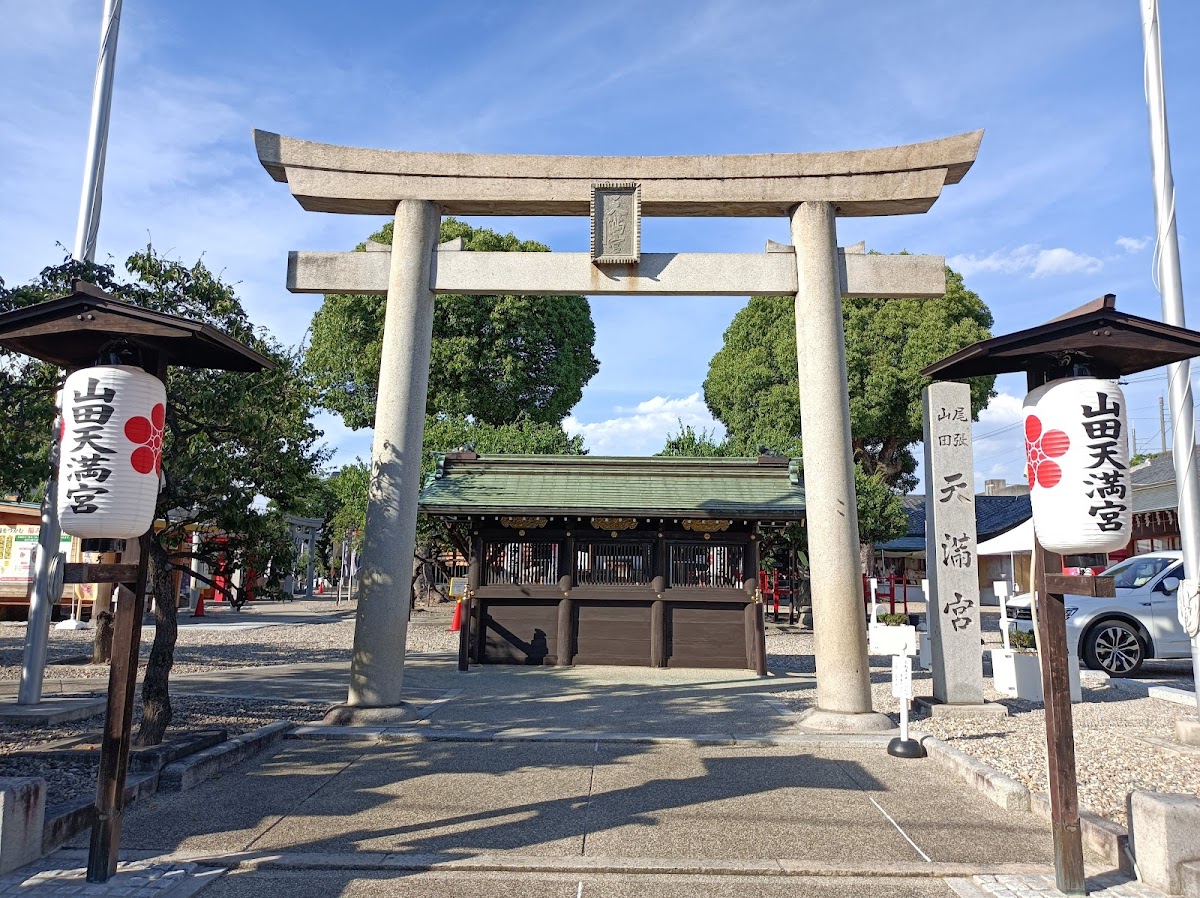
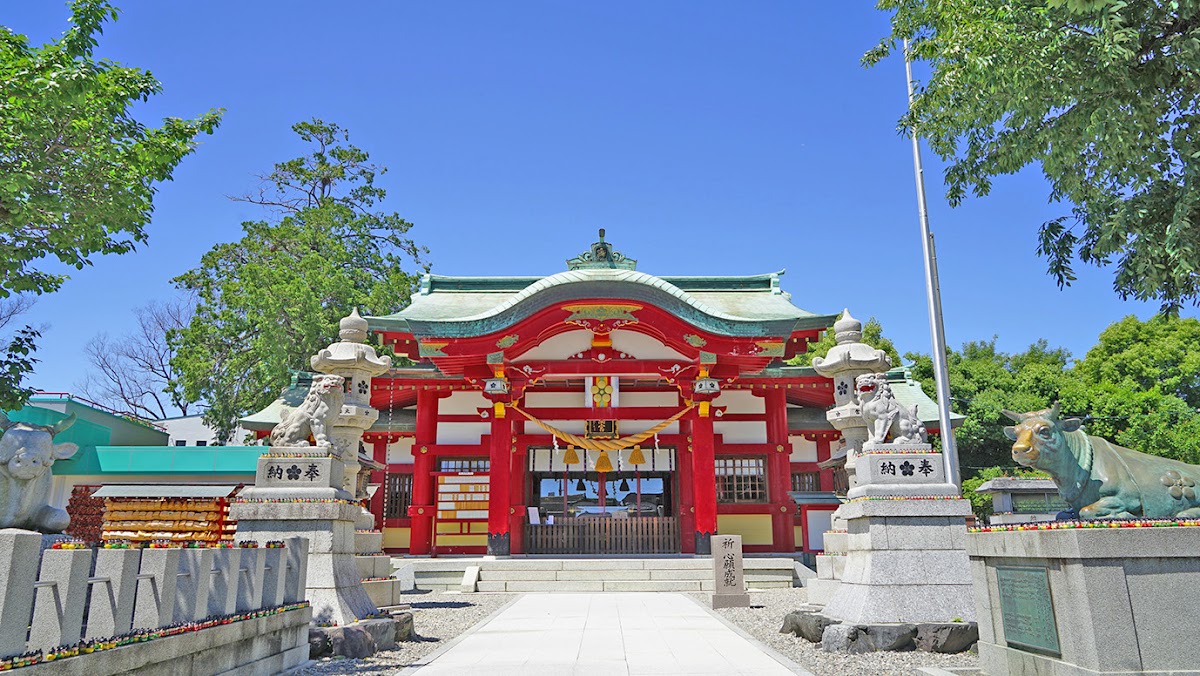
    Yamada Tenmangu Shrine

    Attraction in 3-chōme-4-25 Yamada.
    Open in Google Maps

    Ueno tenmangu

    Attraction in Japan.
    Open in Google Maps

    Inu Shrine

    Attraction in 2-chōme-12 Inouchō.
    Open in Google Maps

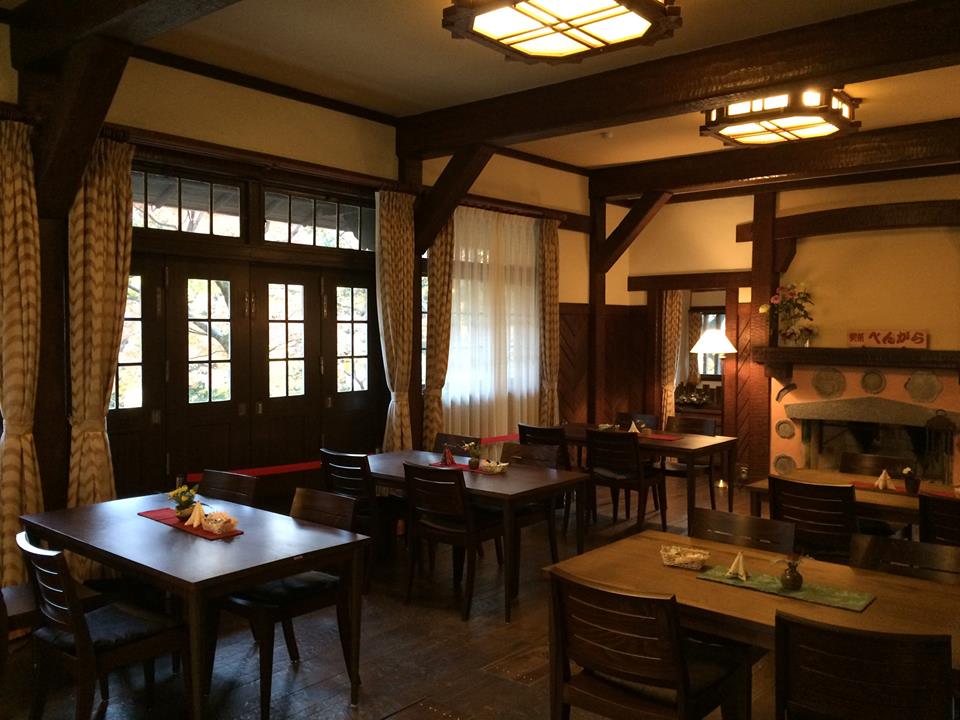
    Yōkisō

    Traditionelles japanisches Ryokan mit Garten, Anfang des 20. Jahrhunderts erbaut, mit öffentlichen Führungen.
    Open in Google Maps

    Essen & Trinken

    Nagoya's Culture, Art & History

    Nagoya, as the heart of the Chubu region, boasts a rich history deeply intertwined with Japan's feudal era and industrial development. The city impressively merges the heritage of powerful samurai clans with a dynamic modern identity. Its culture is shaped by architectural masterpieces, traditional crafts, and a deeply rooted history.Nagoya's origins trace back to the construction of Nagoya Castle in the early 17th century by Tokugawa Ieyasu. It served as the ancestral seat of the Owari-Tokugawa line, making the city one of the most important political and economic centers of the Edo period. Despite its almost complete destruction in World War II, the castle was faithfully reconstructed, with the golden Shachihoko figures on its roof serving as its iconic emblem.Another significant historical monument is Atsuta Jingu, one of Japan's oldest and most sacred shrines, said to house one of the Three Sacred Treasures of the Japanese Imperial House, and whose architecture represents classical Japanese shrine construction. Culturally, Nagoya is also known for its traditional crafts, such as the elaborate Arimatsu Shibori dyeing technique and Seto-yaki ceramics, which reflect the region's artistic depth. The city annually celebrates its traditions with the Nagoya-Matsuri, a vibrant festival that brings historical figures and local customs to life.

    Nightlife

    Nagoya's nightlife primarily unfolds in the Nishiki district, where a broad spectrum of Izakayas and cocktail bars, extending to larger clubs, awaits you. Live music enthusiasts will find a regular haunt in the renowned Jazz Inn Lovely, while the Sakae district also offers numerous nightlife options.

    Getting Around

    Getting around Nagoya is extremely efficient thanks to its excellently developed public transport network. The subway forms the core, connecting all major districts and attractions, and is supplemented by a reliable bus network; the "Me-guru" Sightseeing Bus is ideal for tourists to explore the main sights.For seamless travel, a rechargeable IC card like Manaca or Suica is recommended, valid for subways and buses; alternatively, day passes are available. While taxis are always available and comfortable, they are expensive, and ride-sharing services play a minor role. Bicycles are an option for short distances, while e-scooters are still rare in Nagoya.Nagoya is also a very pedestrian-friendly city, especially in the bustling centers around the train stations. A practical travel tip: Plan your journeys outside of peak hours to make the best use of the Japanese transport system and avoid crowds.

    Accommodations in Nagoya

    Accommodations in Nagoya

    Find perfect stay in Nagoya

    Booking.com
    Search Hotels
    Agoda
    Search Hotels
    Airbnb
    Vacation Rentals
    Hotels.com
    Hotels Worldwide
    Hostelworld
    Hostels

    Plan your trip to Nagoya

    Save places, build a route and plan your city trip — all in one place.

    Save places

    Bookmark sights, restaurants and neighborhoods you're interested in.

    Build your route

    Turn your bookmarks into a route — define order, days and budget.

    Refine with AI

    Let Mein Fernweh suggest experiences and put together a tailored daily plan.

    Start trip planningOpen bookmarks

    Locations nearby

    These places are nearby — perfect for additional days or a day trip.

    Uji

    Uji

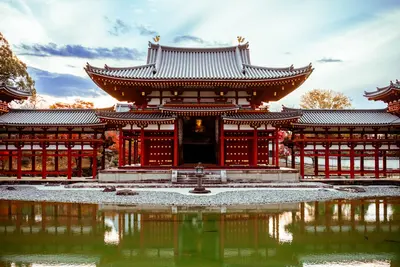
    Uji, located south of Kyoto, is inextricably linked with Japanese tea culture and a rich history. Here you'll find two UNESCO World Heritage Sites: the impressive Byodo-in Temple with its Phoenix Hall, and the Ujigami Shrine, considered Japan's oldest Shinto shrine. The city also plays a central role in Murasaki Shikibu's "The Tale of Genji," vividly presented at the Tale of Genji Museum. Along the Uji River, you can enjoy a tranquil atmosphere and discover numerous traditional tea shops. Try the local Matcha; spring or autumn offer pleasant weather and moderate visitor numbers for a relaxed exploration.
    Kyoto City

    Kyoto City

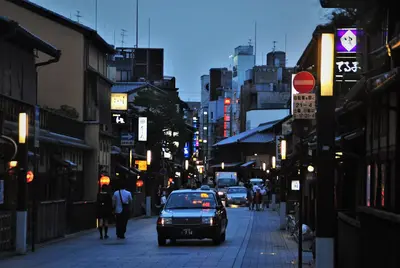
    Kyoto, once Japan's imperial capital for over a thousand years, still preserves its rich cultural and historical identity today. The city boasts over 2,000 Buddhist temples and Shinto shrines, traditional gardens, and the vibrant Geisha district of Gion. Among its most famous attractions are the golden pavilion Kinkaku-ji, the impressive Fushimi Inari-Taisha with its thousands of red gates, and the serene Arashiyama Bamboo Grove. In the historic Gion district, you might, with a bit of luck, encounter Geishas and Maikos on their way to teahouses. For an authentic experience, you should visit the gardens of Ryoan-ji with their famous rock garden. To avoid the largest crowds, it is recommended to explore popular sites right after opening in the morning. The months of April and November offer spectacular views with cherry blossoms and autumn foliage respectively, but these are also the busiest times.
    Hida Takayama

    Hida Takayama

    Visit this picturesque mountain town with its beautifully preserved Edo-period streets, traditional wooden buildings, and unique Gassho-zukuri architecture.
    Arashiyama

    Arashiyama

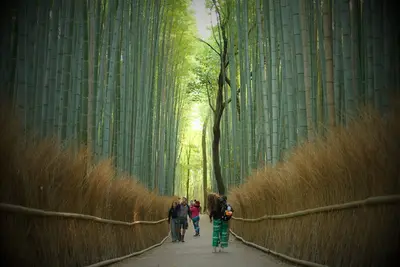
    Arashiyama, located west of Kyoto, is renowned for its picturesque nature and cultural significance. Here you'll find the famous Sagano Bamboo Forest, whose towering stalks create a unique, meditative atmosphere. The Tenryu-ji Temple, a UNESCO World Heritage site and the head temple of the Rinzai school, features impressive Zen gardens and historic buildings. The Togetsukyo Bridge spans the Hozugawa River, offering spectacular views of the surrounding mountains, especially in autumn with its vibrant foliage or during the cherry blossom season in spring. A stroll along the river or a boat ride provides a relaxed perspective of the landscape. To truly experience the tranquility of the bamboo forest, it is recommended to visit Arashiyama early in the morning or late in the afternoon to avoid the largest crowds.
    Nara

    Nara

    Nara, Japan's first permanent capital, combines rich history with a unique natural experience. In Nara Park, you'll encounter thousands of free-roaming Sika deer, revered as messengers of the gods. The central highlight is the Todai-ji Temple, with its Great Buddha Hall and one of the largest bronze statues worldwide. Also visit the colorful Kasuga Taisha Shrine, known for its lanterns and its integration into the forest landscape. Visiting the temples early in the morning ensures a calmer experience. Additionally, explore the Naramachi area for traditional handicrafts and local specialties.