Fernweh
    ExploreTravel GuidesMy Trips
    de|en
    About FernwehImprintFAQPrivacy Policy
    ExploreTravel GuidesMy Trips
    Uji

    Uji

    CityCulture
    1. Home
    2. Destinations
    3. Japan
    4. Uji
    Uji, located south of Kyoto, is inextricably linked with Japanese tea culture and a rich history. Here you'll find two UNESCO World Heritage Sites: the impressive Byodo-in Temple with its Phoenix Hall, and the Ujigami Shrine, considered Japan's oldest Shinto shrine. The city also plays a central role in Murasaki Shikibu's "The Tale of Genji," vividly presented at the Tale of Genji Museum. Along the Uji River, you can enjoy a tranquil atmosphere and discover numerous traditional tea shops. Try the local Matcha; spring or autumn offer pleasant weather and moderate visitor numbers for a relaxed exploration.
    • Neighborhoods & highlights
    • Walking tours
    • Eat & drink
    • Culture
    • Getting around
    • Accommodation
    • Plan trip
    • Nearby
    • Neighborhoods & highlights
    • Walking tours
    • Eat & drink
    • Culture
    • Getting around
    • Accommodation
    • Plan trip
    • Nearby

    Overview

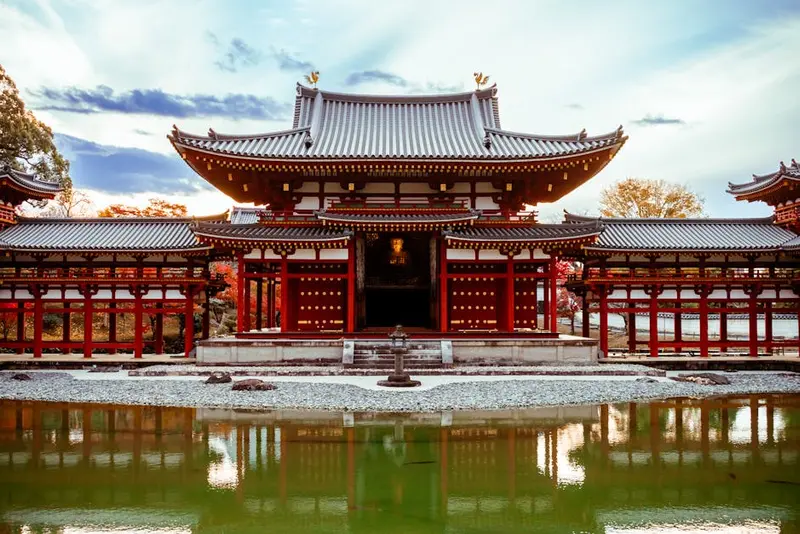
    The city of Uji, located south of Kyoto, is renowned worldwide for its high-quality green tea and rich cultural history. Here you'll find the magnificent Byodo-in Temple, a UNESCO World Heritage site, whose Phoenix Hall is depicted on the 10-yen coin. Situated directly on the Uji River, the city also hosts the Ujigami Shrine, Japan's oldest existing shrine, also a UNESCO World Heritage site. Immerse yourself in the world of the Heian period at the Tale of Genji Museum, which illuminates the final ten chapters of the famous novel. Seize the opportunity to taste authentic Matcha in one of the many traditional teahouses and learn about the tea ceremony. A visit in spring during cherry blossom season or in autumn for the changing foliage offers particularly picturesque views of the temples and the Uji River.

    Places in Uji

    Discover the most important sights and attractions

    Sights in Uji

    Byōdō-in

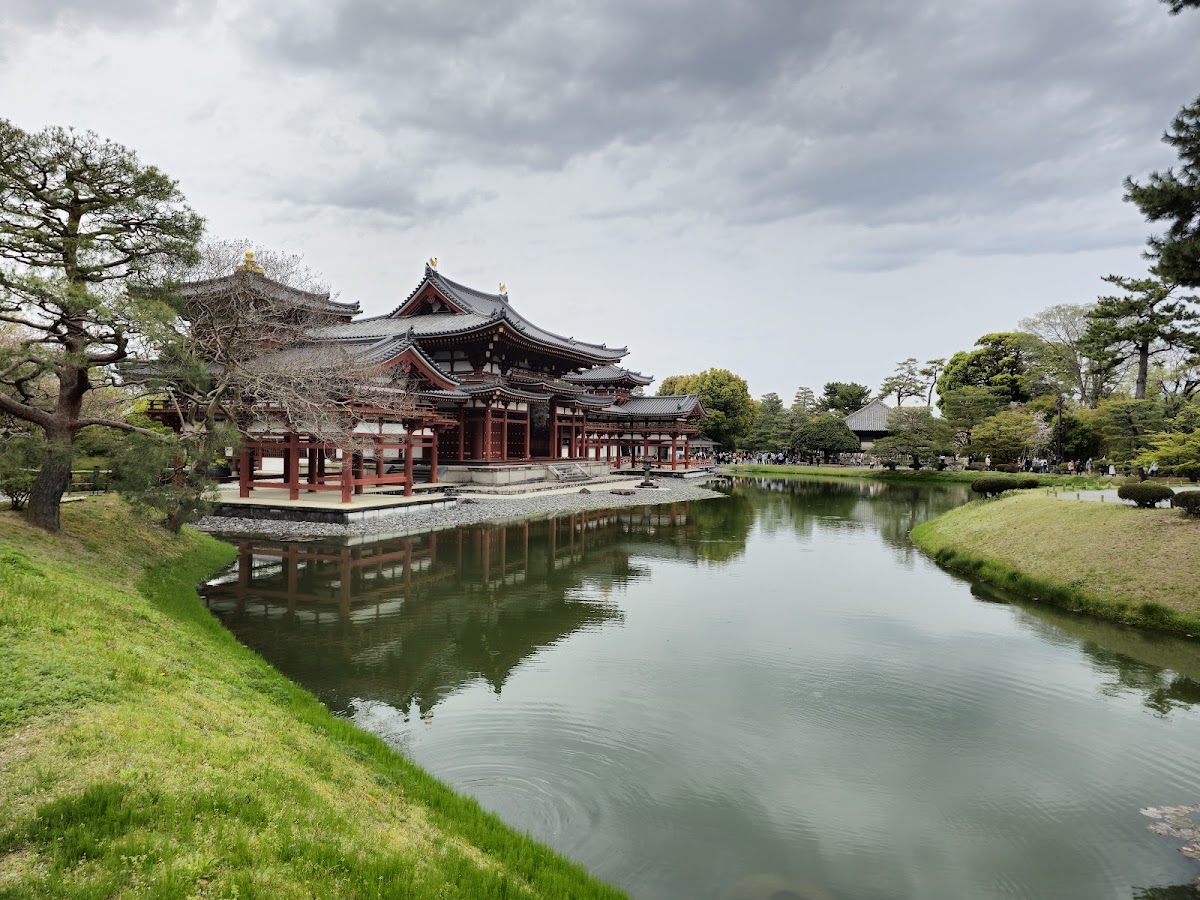
    The Byōdō-in in Uji is a UNESCO World Heritage site and an outstanding example of Heian architecture. Originally a villa of regent Fujiwara no Yorimichi, it was converted into a Buddhist temple in 1053. Its most famous building, the Phoenix Hall (Hōō-dō), is depicted on the Japanese 10-yen coin and appears to float above the Aji-ike Pond. It represents the Pure Land paradise and houses an impressive Amida Buddha statue. In the modern Hōshōkan Museum, you can admire original art treasures such as the bronze phoenixes and the temple bell that once adorned the hall. Our Tip: Visit the temple early in the morning to enjoy the tranquility and capture the best lighting for photos of the reflecting Phoenix Hall in the pond. Also plan time for the surrounding gardens, which invite meditation.
    Open in Google Maps

    Manpuku-ji

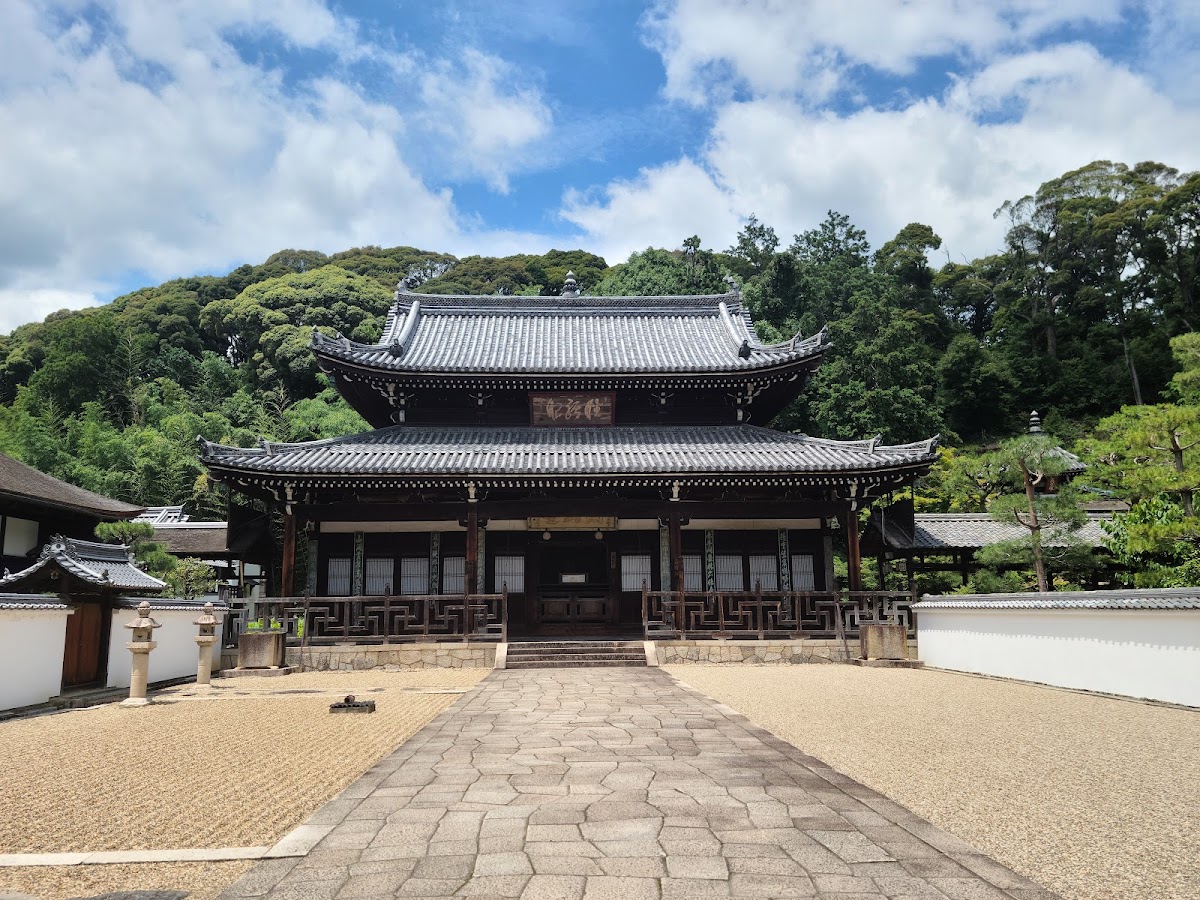
    The **Manpuku-ji** in Uji is a unique temple that distinctly stands out from most Japanese Zen temples. It was founded in 1661 by the Chinese monk Ingen Ryūki and serves as the head temple of the Ōbaku school of Zen Buddhism. Its architecture reflects the late Ming Dynasty style, evident in its curved roofs, colorful decorations, and building layout. Here you'll find a fascinating blend of Chinese and Japanese culture, manifested in the details of the halls and statues.Upon entering the grounds, you'll immediately sense the special atmosphere. Note the Tenno-den with its distinctive Hotei statue and the Daiohōden, the main hall. The tranquil gardens invite you to linger. Our tip: It's best to visit Manpuku-ji on weekday mornings to fully appreciate the tranquility and architectural details undisturbed. The main gate, with its imposing structure, offers a unique photo opportunity.
    Open in Google Maps

    Ujigami-Schrein

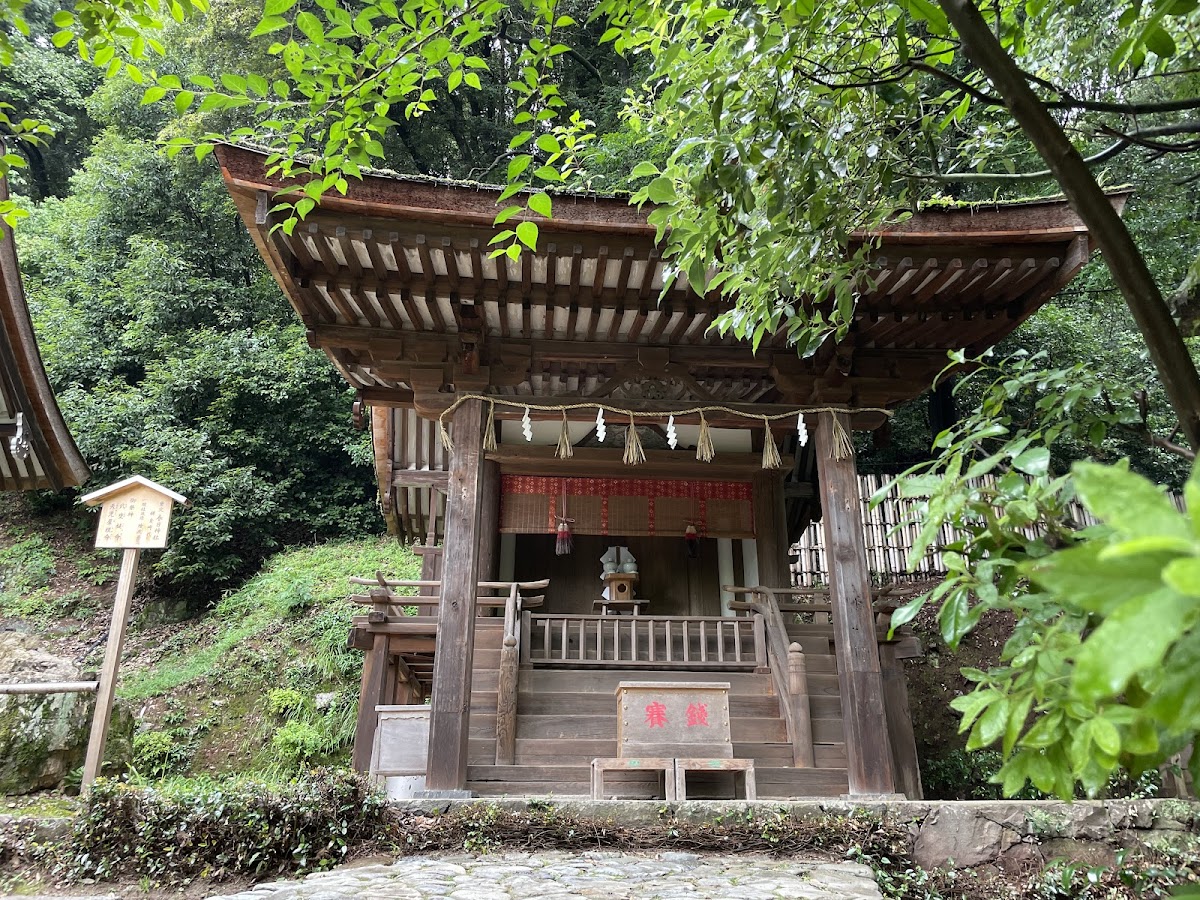
    The Ujigami Shrine in Uji is one of Japan's oldest Shinto shrines and a UNESCO World Heritage site. It was originally built as a guardian shrine for the nearby Byodo-in Temple and has strong ties to the imperial family. Here you'll find an outstanding example of Nagare-zukuri architecture, particularly evident in the Honden (main hall), dating from the late Heian period and considered Japan's oldest preserved shrine building. The simple elegance of the wooden construction and the tranquil surroundings invite contemplation. Note the unique triple gables of the Honden.In the Haiden (worship hall) from the Kamakura period, you can admire the fine details of the woodworking. The shrine is also known for its natural spring, revered as "Kirishima Water". Our tip: Visit the shrine early in the morning to experience the peaceful atmosphere without the larger crowds. For an atmospheric photo, the view from the entrance towards the main buildings is ideal when the morning light gently illuminates the wooden structures.
    Open in Google Maps

    Taihoan

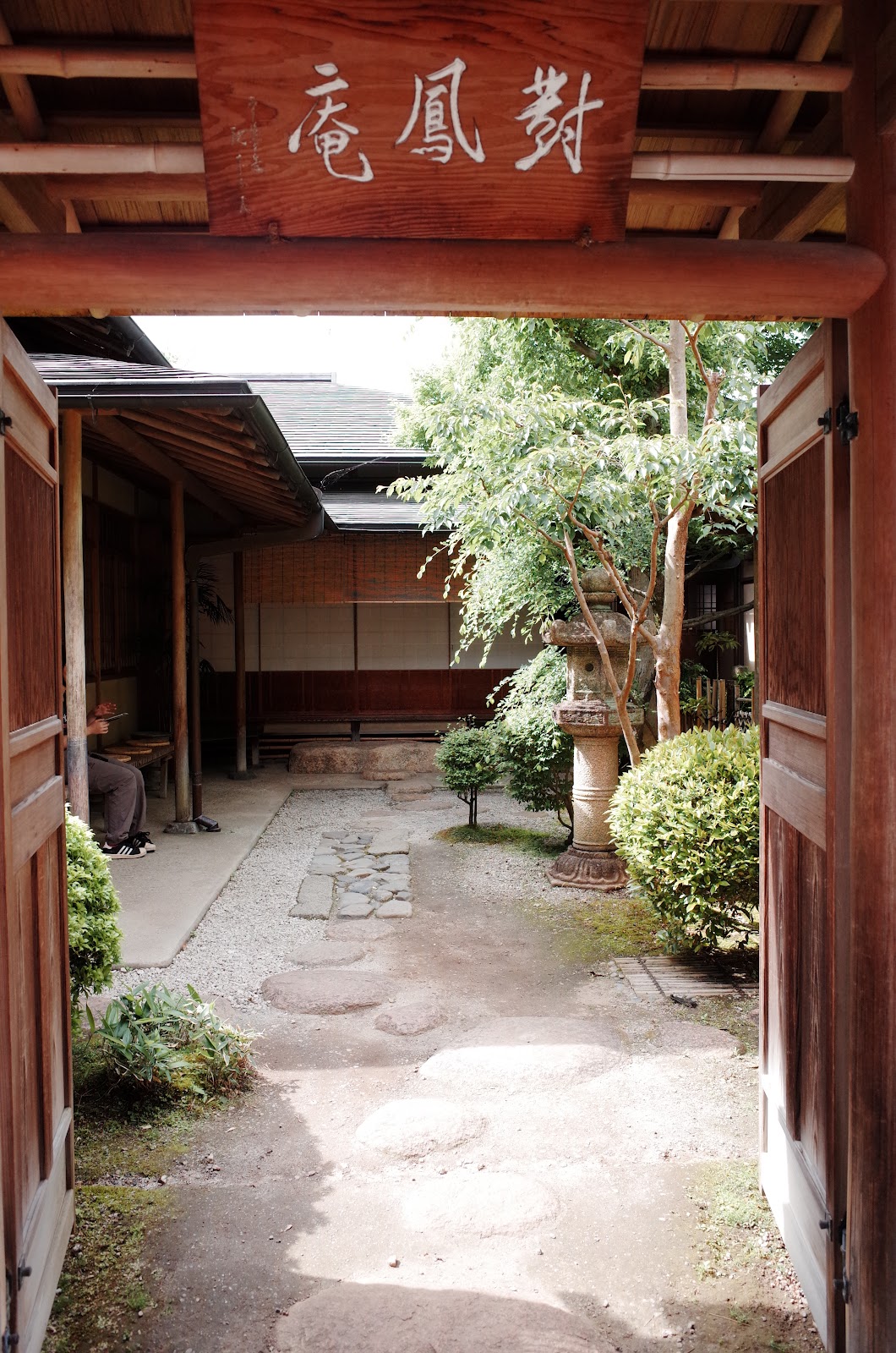
    Taihoan is a traditional teahouse in Uji, a city renowned worldwide for its high-quality green tea. Here you have the opportunity to participate in an authentic Japanese tea ceremony and experience the region's rich tea culture firsthand. The teahouse offers a serene and contemplative atmosphere, typical of Japanese aesthetics. You will be introduced to the preparation and enjoyment of Matcha, often accompanied by traditional sweets. This experience provides a deep insight into Japanese hospitality and the significance of tea in cultural life. Our Tip: Visit Taihoan in the morning to enjoy the relaxed ambiance before the largest crowds arrive. Pay attention to the details of the ceremony and the tranquility of the place to fully savour the experience. A visit here is an excellent complement to a stroll through Uji's tea fields.
    Open in Google Maps

    Eishin-in Temple

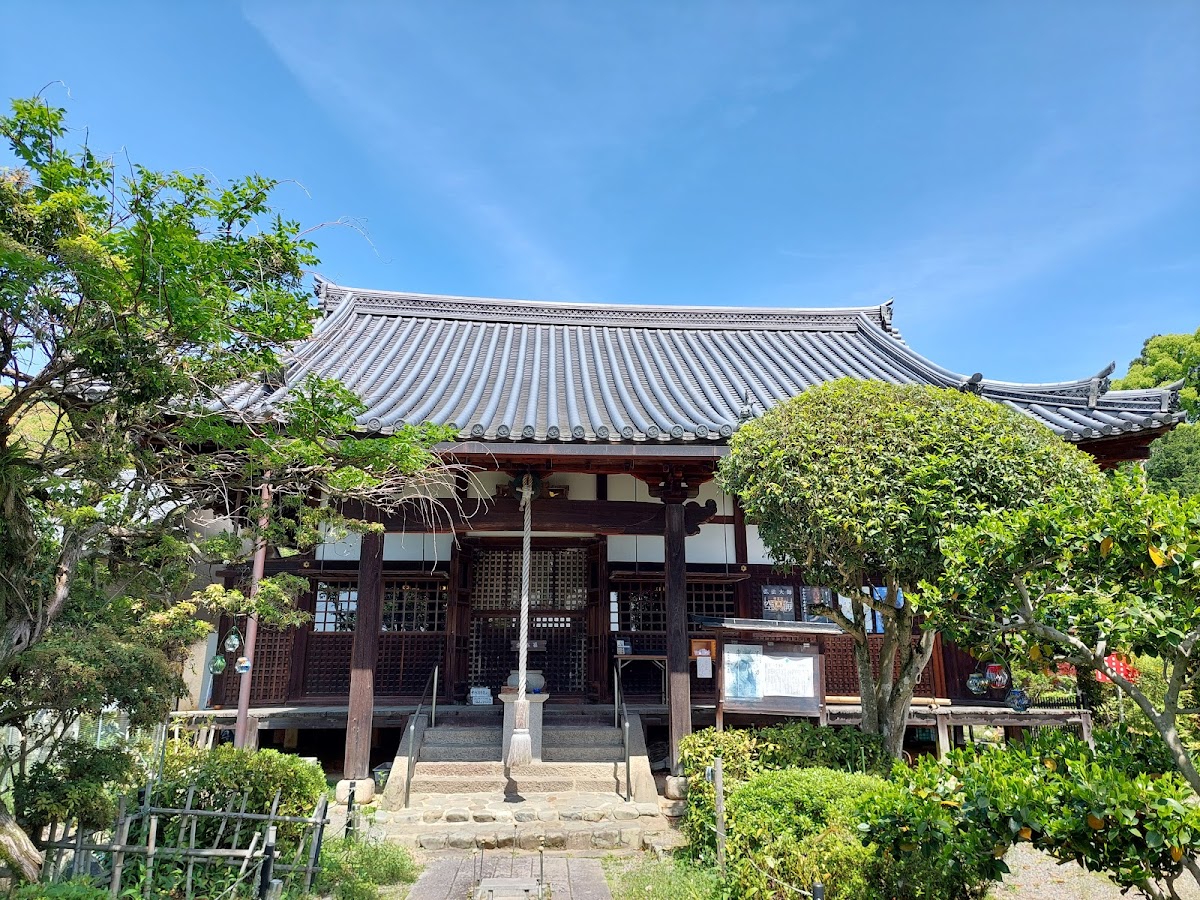
    The Eishin-in Temple in Uji is an important sub-temple of the famous Byodo-in and offers a tranquil complement to the main complex. Historically closely linked with Byodo-in, it preserves an atmosphere of contemplation that is often overlooked by visitors focusing solely on the Phoenix Hall. Here you'll find a meticulously maintained garden, which captivates with its vibrant maple leaves, especially in autumn, providing a picturesque backdrop. The architecture reflects traditional Japanese temple construction, and inside, the temple houses valuable cultural assets that underscore its long history. Although access to all areas is sometimes restricted, the outer grounds invite visitors to linger and contemplate. Our Tip: Visit Eishin-in ideally in the early morning or late afternoon to enjoy the tranquility and special light, especially if you wish to avoid the crowds of Byodo-in. For an authentic experience of Japanese garden art and architecture, this place is a worthwhile discovery.
    Open in Google Maps

    City walks in Uji

    Curated walking tours through the city's highlights — handpicked by experienced travel journalists.

    Ujis literarische Pfade: Auf den Spuren des Genji Monogatari

    Tauchen Sie ein in die zeitlose Welt von Murasaki Shikibus "Die Geschichte vom Prinzen Genji" und entdecken Sie die ruhigen Ecken Ujis, die dieses literarische Meisterwerk inspirierten. Dieser Spaziergang führt Sie abseits der bekannten Pfade zu historischen Schreinen und einem friedlichen Zen-Tempel am Fluss, fernab der Touristenmassen.

    ~2 Std.
    In Google Maps öffnen
    Stopps (5)

    Essen & Trinken

    Uji's Cultural Heritage and Architecture

    Uji, gelegen südlich von Kyoto, blickt auf eine tief verwurzelte Geschichte zurück, die eng mit der japanischen Aristokratie und dem Buddhismus verbunden ist. Besonders prägend war die Heian-Zeit (794-1185), als Uji zu einem beliebten Rückzugsort für Adlige wurde. Es diente sogar als Kulisse für die letzten Kapitel des berühmten Romans Genji Monogatari, was seine kulturelle Bedeutung unterstreicht.Die architektonische Meisterleistung des Byodo-in Tempels mit seiner ikonischen Phönixhalle, einem UNESCO-Weltkulturerbe, zeugt von der reichen Kultur dieser Epoche. Ebenso ist der Ujigami-Schrein, Japans ältester Shinto-Schrein, ein herausragendes Beispiel traditioneller Bauweise. Uji ist zudem das historische Zentrum des Anbaus und der Verarbeitung von grünem Tee in Japan, insbesondere von Matcha, dessen Tradition bis ins 12. Jahrhundert zurückreicht und das lokale Leben bis heute prägt. Diese Tee-Tradition hat nicht nur die Wirtschaft, sondern auch Kunstformen wie die Teezeremonie beeinflusst und Uji zu einem Synonym für hochwertigen Grüntee gemacht.

    Exploring Locally

    Uji boasts excellent regional rail connectivity, making travel both within and beyond the city exceptionally convenient. The JR Nara Line and the Keihan Uji Line efficiently connect Uji with Kyoto and other important destinations, with a rechargeable IC card like Suica or Pasmo being essential for all trains and buses. Within the city, local bus lines perfectly complement this, reaching even more secluded temples or tea plantations; timetables and routes are often available at stops and via apps like Google Maps. Uji's city center, however, is surprisingly compact and can be wonderfully explored on foot, thanks to picturesque riverside paths and short distances between major attractions, ensuring an authentic experience. For those seeking more flexibility, scattered bicycle rentals are available to explore the idyllic surroundings. Taxis are also readily available, particularly at train stations, while ride-sharing services are less common in this region.

    Accommodations in Uji

    Accommodations in Uji

    Find perfect stay in Uji

    Booking.com
    Search Hotels
    Agoda
    Search Hotels
    Airbnb
    Vacation Rentals
    Hotels.com
    Hotels Worldwide
    Hostelworld
    Hostels

    Plan your trip to Uji

    Save places, build a route and plan your city trip — all in one place.

    Save places

    Bookmark sights, restaurants and neighborhoods you're interested in.

    Build your route

    Turn your bookmarks into a route — define order, days and budget.

    Refine with AI

    Let Mein Fernweh suggest experiences and put together a tailored daily plan.

    Start trip planningOpen bookmarks

    Locations nearby

    These places are nearby — perfect for additional days or a day trip.

    Kyoto City

    Kyoto City

    Kyoto, once Japan's imperial capital for over a thousand years, still preserves its rich cultural and historical identity today. The city boasts over 2,000 Buddhist temples and Shinto shrines, traditional gardens, and the vibrant Geisha district of Gion. Among its most famous attractions are the golden pavilion Kinkaku-ji, the impressive Fushimi Inari-Taisha with its thousands of red gates, and the serene Arashiyama Bamboo Grove. In the historic Gion district, you might, with a bit of luck, encounter Geishas and Maikos on their way to teahouses. For an authentic experience, you should visit the gardens of Ryoan-ji with their famous rock garden. To avoid the largest crowds, it is recommended to explore popular sites right after opening in the morning. The months of April and November offer spectacular views with cherry blossoms and autumn foliage respectively, but these are also the busiest times.
    Arashiyama

    Arashiyama

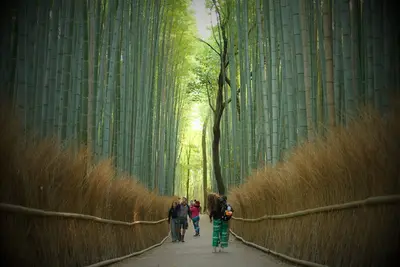
    Arashiyama, located west of Kyoto, is renowned for its picturesque nature and cultural significance. Here you'll find the famous Sagano Bamboo Forest, whose towering stalks create a unique, meditative atmosphere. The Tenryu-ji Temple, a UNESCO World Heritage site and the head temple of the Rinzai school, features impressive Zen gardens and historic buildings. The Togetsukyo Bridge spans the Hozugawa River, offering spectacular views of the surrounding mountains, especially in autumn with its vibrant foliage or during the cherry blossom season in spring. A stroll along the river or a boat ride provides a relaxed perspective of the landscape. To truly experience the tranquility of the bamboo forest, it is recommended to visit Arashiyama early in the morning or late in the afternoon to avoid the largest crowds.
    Nara

    Nara

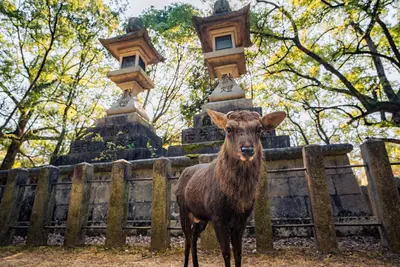
    Nara, Japan's first permanent capital, combines rich history with a unique natural experience. In Nara Park, you'll encounter thousands of free-roaming Sika deer, revered as messengers of the gods. The central highlight is the Todai-ji Temple, with its Great Buddha Hall and one of the largest bronze statues worldwide. Also visit the colorful Kasuga Taisha Shrine, known for its lanterns and its integration into the forest landscape. Visiting the temples early in the morning ensures a calmer experience. Additionally, explore the Naramachi area for traditional handicrafts and local specialties.
    Kansai

    Kansai

    The Kansai region in western Japan is the cultural and historical heart of the country. Here you will find a fascinating mix of ancient traditions, vibrant metropolises, and breathtaking nature, which offers a unique travel experience. Discover the cradle of Japanese culture with its imperial palaces, shrines, and gardens.
    Osaka

    Osaka

    Osaka presents itself as a vibrant metropolis with a distinct food culture that clearly sets it apart from other Japanese cities. Your visit takes you to the pulsating Dotonbori, where neon signs like the Glico Man line the canals and countless restaurants embody the "Kuidaore" philosophy. The majestic Osaka Castle also offers deep insights into Japan's feudal era. Discover the retro-futuristic Shinsekai district with its iconic Tsutenkaku Tower or explore modern architecture in Umeda. To fully savor the culinary diversity, you should plan an evening stroll through Dotonbori and try local specialties like Takoyaki and Okonomiyaki. The spring and autumn months are ideal for pleasant exploration without the largest tourist crowds.