Fernweh
    ExploreTravel GuidesMy Trips
    de|en
    About FernwehImprintFAQPrivacy Policy
    ExploreTravel GuidesMy Trips
    Kyoto City

    Kyoto City

    CityCulture
    1. Home
    2. Destinations
    3. Japan
    4. Kansai
    5. Kyoto City
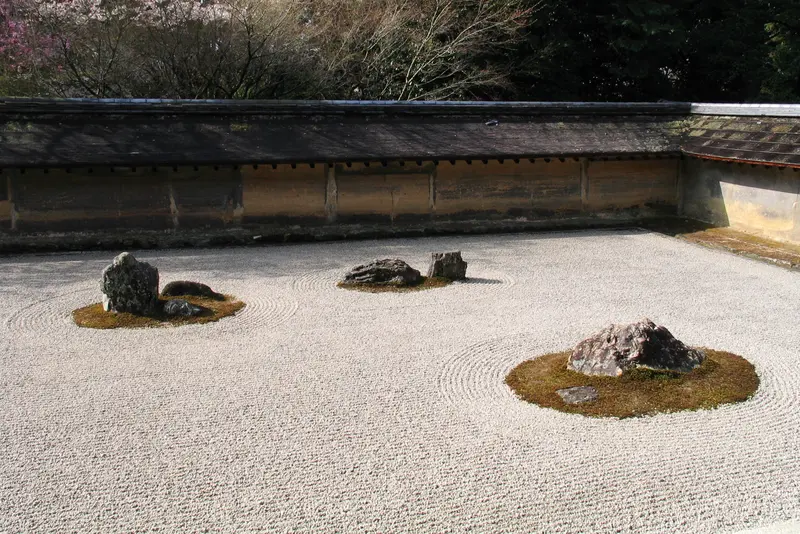
    Kyoto, once Japan's imperial capital for over a thousand years, still preserves its rich cultural and historical identity today. The city boasts over 2,000 Buddhist temples and Shinto shrines, traditional gardens, and the vibrant Geisha district of Gion. Among its most famous attractions are the golden pavilion Kinkaku-ji, the impressive Fushimi Inari-Taisha with its thousands of red gates, and the serene Arashiyama Bamboo Grove. In the historic Gion district, you might, with a bit of luck, encounter Geishas and Maikos on their way to teahouses. For an authentic experience, you should visit the gardens of Ryoan-ji with their famous rock garden. To avoid the largest crowds, it is recommended to explore popular sites right after opening in the morning. The months of April and November offer spectacular views with cherry blossoms and autumn foliage respectively, but these are also the busiest times.
    • Neighborhoods & highlights
    • Walking tours
    • Eat & drink
    • Culture
    • Nightlife
    • Getting around
    • Accommodation
    • Plan trip
    • Nearby
    • Neighborhoods & highlights
    • Walking tours
    • Eat & drink
    • Culture
    • Nightlife
    • Getting around
    • Accommodation
    • Plan trip
    • Nearby

    Overview

    Kyoto, Japan's former imperial capital for over a thousand years, is the cultural heart of the country and known for its exceptional density of temples and gardens. Here you'll find impressive UNESCO World Heritage Sites such as the Golden Pavilion Kinkaku-ji, Fushimi Inari-Taisha with its thousands of red Torii gates, and Kiyomizu-dera Temple with its wooden terrace. The historic district of Gion offers insights into the world of geishas, while the Arashiyama Bamboo Grove presents a unique natural experience. The city preserves traditions such as the tea ceremony and the artistic Zen gardens, which invite meditative tranquility. For an authentic experience, it's recommended to explore the city in the early morning hours to beat the crowds at popular spots. The best time to visit is spring for cherry blossoms or autumn for colorful foliage, to fully grasp Kyoto's beauty.
    Kyoto unfolds through a fascinating array of neighborhoods, each with its unique character and charm. From venerable temples and Zen gardens to lively shopping districts and historic Geisha lanes, each quarter tells its own story. Discover the rich blend of tradition and modernity defining the soul of this unique city.

    Places in Kyoto City

    Discover the most important sights and attractions

    Sights in Kyoto City

    Sanjūsangen-dō

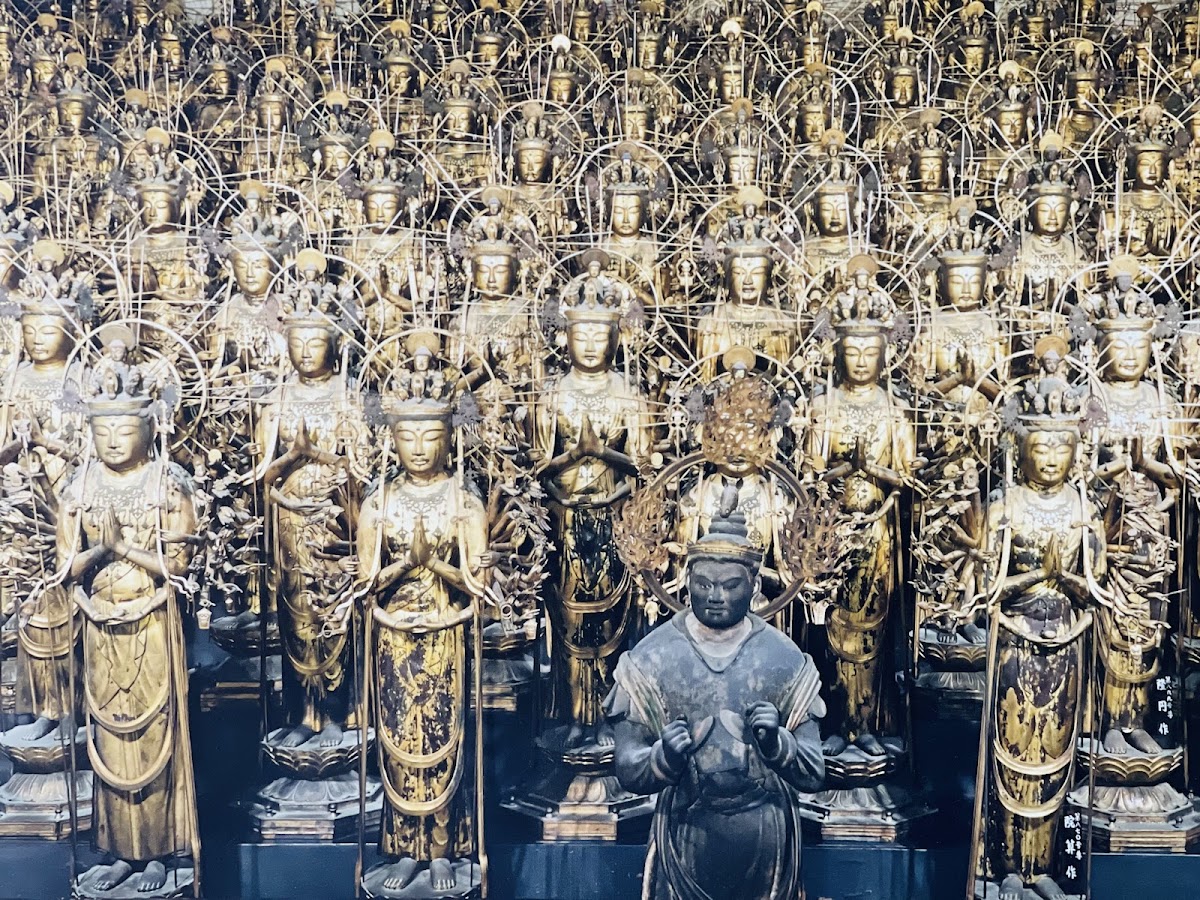
    The Sanjūsangen-dō in Kyoto is a unique Buddhist temple, whose name, "Hall of 33 Bays," refers to the number of spaces between its columns. Originally founded in 1164 and rebuilt in 1266 after a fire, it houses one of Japan's most impressive collections of Buddhist art. Inside, a long, narrow main hall awaits you, where 1000 life-sized statues of the thousand-armed Kannon (Senju Kannon) are arranged in ten rows. Each of these wooden statues is slightly different and radiates a captivating presence. In the center, a larger, seated Senju Kannon statue, designated a National Treasure, is enthroned. The Kannon statues are flanked by 28 guardian deities, the Nijūhachi-bushū, which are also intricately crafted. The sheer number and arrangement of the statues create an overwhelming spiritual atmosphere. Our Tip: Visit the temple right after opening in the morning to experience the tranquility and details of the statues without large crowds. Please note that photography is not permitted inside, to preserve the meditative ambiance.
    Open in Google Maps

    Kiyomizu-dera

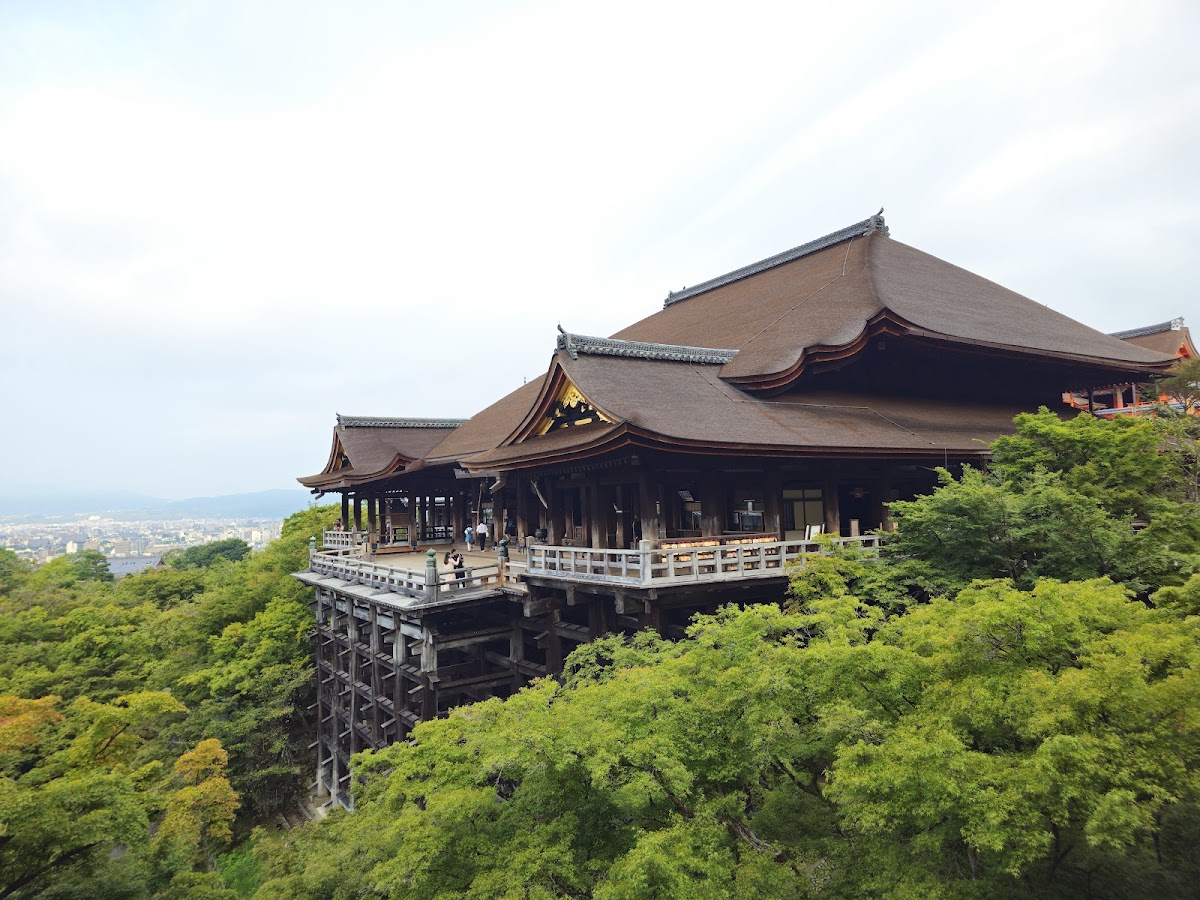
    The Kiyomizu-dera, literally "Temple of Pure Water," is one of Kyoto's most historically significant temples and a UNESCO World Heritage site. Originally founded in 780, its current main buildings largely date from 1633. Picturesquely situated on the slopes of Mount Otowa, you'll enjoy impressive views over the city from here.Its most distinctive feature is the large wooden veranda of the main hall, built without a single nail and extending 13 meters over the hillside. Below this stage is the Otowa-no-taki, a waterfall whose three streams promise visitors health, longevity, and success in studies. Pilgrims traditionally drink from it here. The grounds also house the Jishu Shrine, dedicated to the god of love.Our tip: Visit Kiyomizu-dera early in the morning to avoid crowds. For an iconic photo of the wooden terrace with Kyoto in the background, head to the opposite hillside path below the main temple.
    Open in Google Maps

    Eikandō Temple

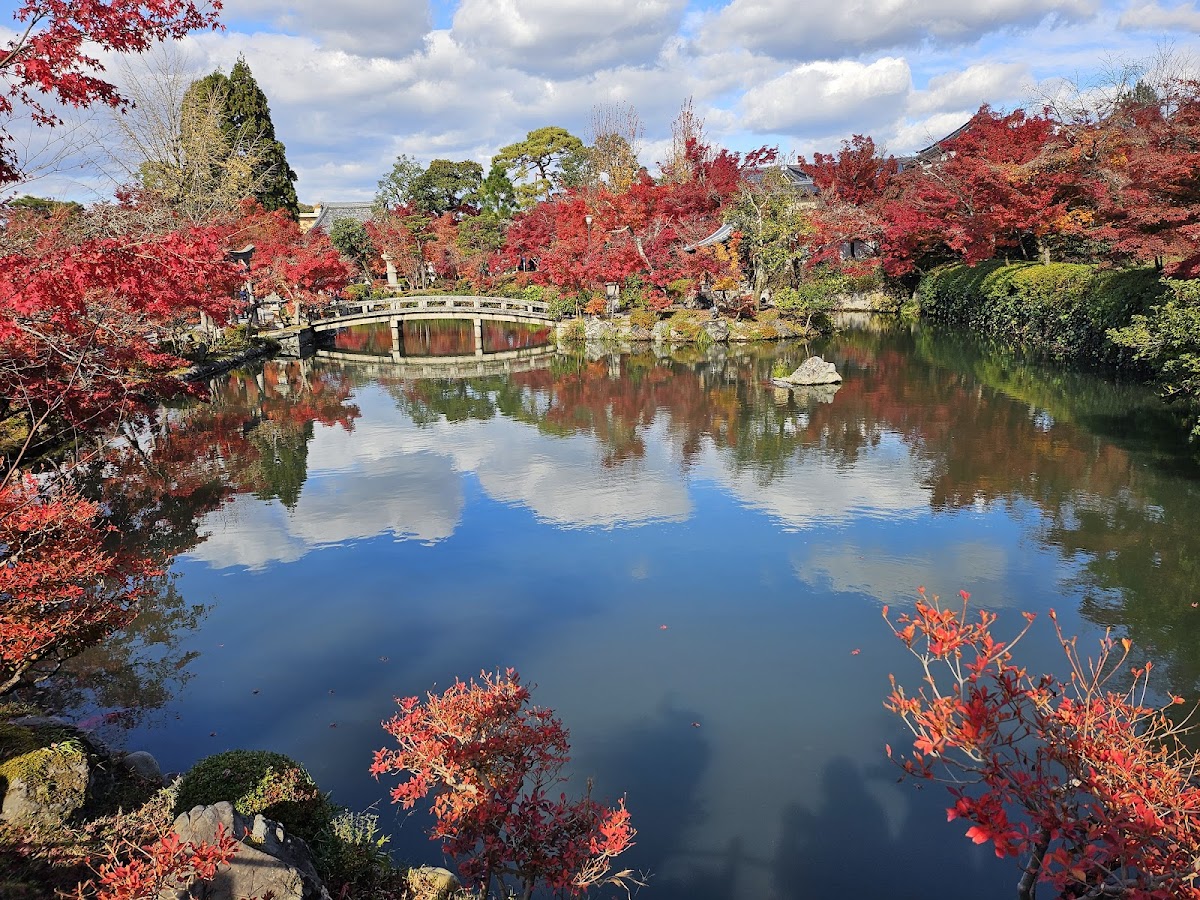
    The Eikandō Temple, also known as Zenrin-ji, is an important Buddhist temple of the Jōdo-shū school in Kyoto. It is famous for its spectacular autumn foliage and the unique Amida Buddha statue, known as Mikaeri Amida, which looks over its shoulder. Here, you can explore extensive gardens, ponds, and a series of temple halls connected by covered wooden corridors. The temple's history dates back to 853, when it was founded as a Shingon temple before later becoming a center of Jōdo-shū Buddhism. The Mikaeri Amida statue is a rare artwork depicting Buddha turning to look at and guide his followers – a symbol of compassion and leadership. Our Tip: Ideally, visit Eikandō Temple in autumn to experience the full splendor of the maple leaves. To avoid the largest crowds, a visit right after morning opening is recommended. For impressive photos of the autumn landscape, the areas around Hōjō Pond are ideal.
    Open in Google Maps

    Kinkaku-ji

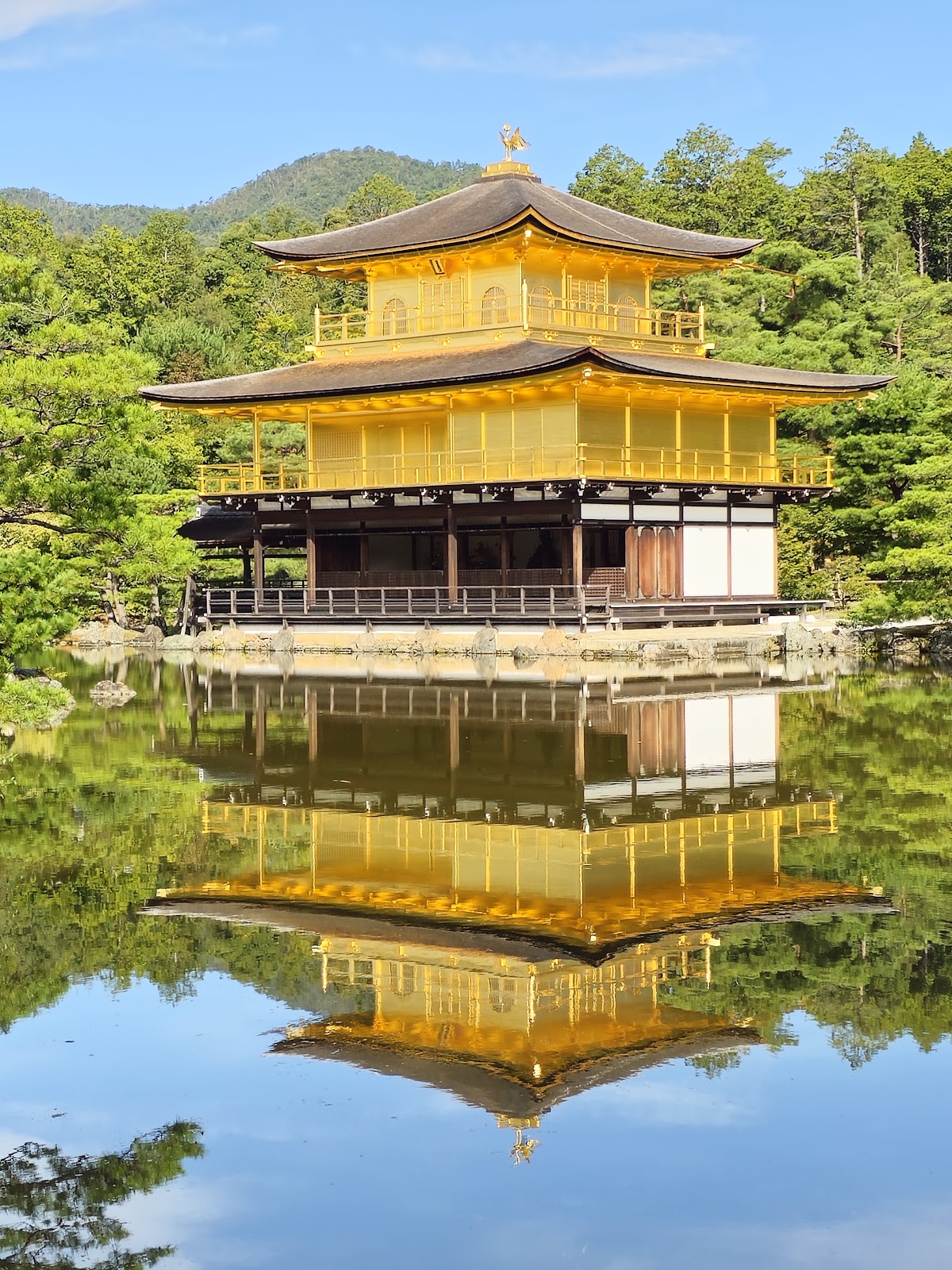
    The Kinkaku-ji, known as the Golden Pavilion, is an outstanding example of Muromachi-period architecture and a UNESCO World Heritage site in Kyoto. Originally, it served as Shogun Ashikaga Yoshimitsu's retirement residence, before being converted into a Zen temple after his death, according to his will. You'll see a three-story structure whose upper two floors are entirely covered in gold leaf, giving it its name and making it one of Japan's most famous landmarks. Each floor represents a different architectural style: the first in Shinden style, the second in Buke style, and the third in Chinese Zen style, reflecting the cultural diversity of the era.The pavilion is impressively reflected in Kyōkochi Pond (Mirror Pond), offering a picturesque view, especially on sunny days or when the water is calm. Although today's structure is a 1955 reconstruction, after the original was destroyed by arson in 1950, its historical and aesthetic significance remains undeniable. Our Tip: Visit Kinkaku-ji right after morning opening to avoid crowds and enjoy the garden's serene atmosphere. The golden facade then glows particularly beautifully in the morning light. For the best photos, position yourself at the pond's edge to capture the perfect reflection.
    Open in Google Maps

    Ginkaku-ji

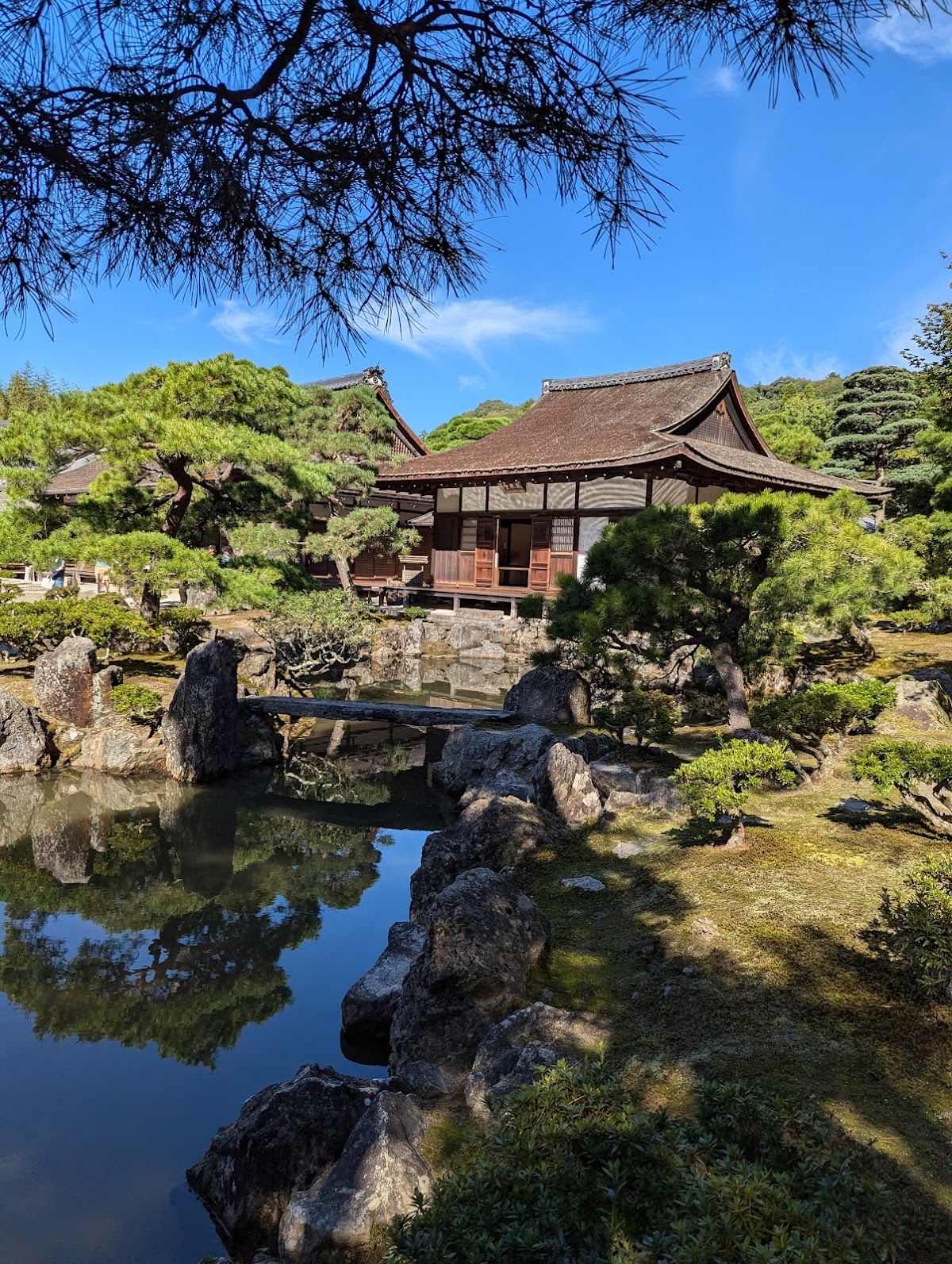
    The Ginkaku-ji, officially Jishō-ji, is a significant Zen temple in northeastern Kyoto and a masterpiece of 15th-century Japanese Higashiyama culture. It was built in 1482 as a retirement villa for Shogun Ashikaga Yoshimasa and converted into a temple after his death. Although known as the 'Silver Pavilion', it was never covered in silver; its name arose in contrast to the golden Kinkaku-ji and the idea that moonlight makes its dark facade appear silvery. Here, you will experience a profound harmony of architecture and landscape design, embodying the aesthetic of Wabi-Sabi.Visitors can expect an artfully designed garden, encompassing a dry sand garden, the 'Silver Sand Sea' (Ginshadan) with a striking sand cone ('Moon Viewing Platform'), as well as a lush moss garden with ponds and streams. A circular path guides you through these diverse areas, constantly offering new, serene perspectives of the pavilion and nature. Our Tip: Visit Ginkaku-ji right after opening in the morning to enjoy the special atmosphere without the largest crowds. For an impressive photo of the pavilion with the garden in the foreground, the elevated path behind the main building is recommended.
    Open in Google Maps

    City walks in Kyoto City

    Curated walking tours through the city's highlights — handpicked by experienced travel journalists.

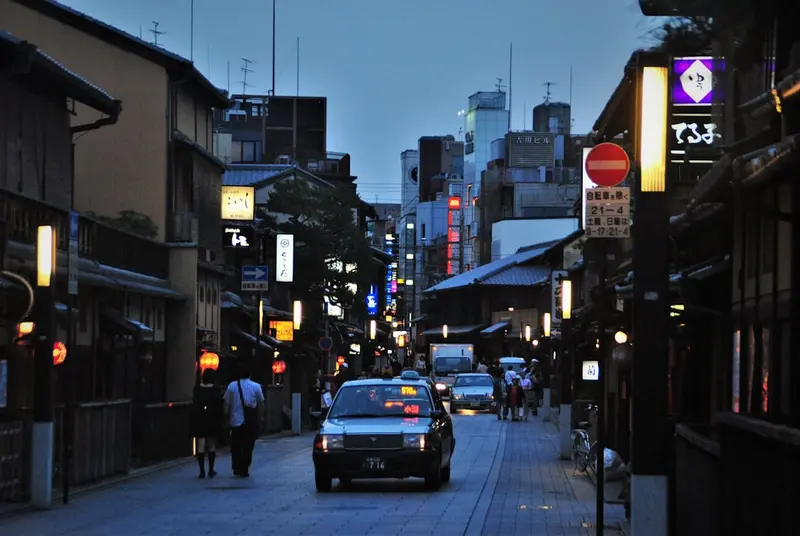
    Zauberhaftes Kyoto: Gion, Geishas und Historische Gassen

    Erleben Sie die zeitlose Schönheit Kyotos auf diesem etwa 2-stündigen Spaziergang durch die malerischen Viertel Gion und Higashiyama. Tauchen Sie ein in die Welt der Geishas, schlendern Sie durch verwinkelte Gassen und entdecken Sie traditionelle Holzarchitektur und versteckte Tempel.

    ~2 Std.
    In Google Maps öffnen
    Stopps (6)

    Essen & Trinken

    Kyoto: Center of Japanese Culture and History

    Kyoto, Japan's former imperial capital from 794 to 1868 under the name Heian-kyō, is a living museum of its own history and art. This thousand-year era profoundly shaped the city, creating a unique cultural heritage that testifies to the intertwining of court traditions with Buddhism and Shintoism.Kyoto's architecture is a mirror of this development. It ranges from the magnificent wooden structures of countless temples and shrines, such as the UNESCO World Heritage site Kinkaku-ji and Kiyomizu-dera, to the elegant, traditional Machiya townhouses that define the streetscape of many districts.Local traditions and art forms are particularly nurtured in Kyoto. The tea ceremony, the arts of the geishas in the historic Gion district, as well as the creation of traditional crafts like kimono textiles, exquisite ceramics, and lacquerware are still vibrant and accessible here today. Kyoto thus serves as the spiritual and artistic heart of Japan, where the appreciation for aesthetics and historical continuity is deeply rooted.

    Nightlife

    Kyoto's **nightlife** offers a range from traditional bars in the alleys of Pontocho to modern clubs. Along Kiyamachi Street, you'll find lively venues like **WORLD KYOTO** and relaxed spots like **bar moon walk Shijo Kiyamachi**, which are open until the early morning hours.

    On-site Mobility

    Kyoto offers an excellent public transport network, making city exploration effortless. The bus network is extremely comprehensive, reaching almost every corner, while subway lines provide quick north-south and east-west connections.For visitors, multi-ride tickets like the Kyoto City Bus & Subway Pass or using a rechargeable IC card (like ICOCA) are extremely practical and cost-effective. Bicycles are a popular option for discovering the flatter city districts and hidden alleys; many rental stations are available.Taxis are widespread and convenient, especially for shorter distances or in the evenings, while ride-sharing services are less dominant in Japan. Nevertheless, Kyoto is very pedestrian-friendly in many central areas, ideal for walks between temples. A tip: Use apps like Google Maps for real-time information on buses and trains to optimally plan your journey.

    Accommodations in Kyoto City

    Accommodations in Kyoto City

    Find perfect stay in Kyoto City

    Booking.com
    Search Hotels
    Agoda
    Search Hotels
    Airbnb
    Vacation Rentals
    Hotels.com
    Hotels Worldwide
    Hostelworld
    Hostels

    Plan your trip to Kyoto City

    Save places, build a route and plan your city trip — all in one place.

    Save places

    Bookmark sights, restaurants and neighborhoods you're interested in.

    Build your route

    Turn your bookmarks into a route — define order, days and budget.

    Refine with AI

    Let Mein Fernweh suggest experiences and put together a tailored daily plan.

    Start trip planningOpen bookmarks

    Locations nearby

    These places are nearby — perfect for additional days or a day trip.

    Arashiyama

    Arashiyama

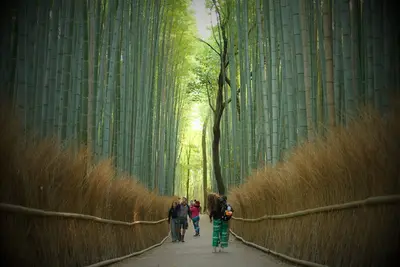
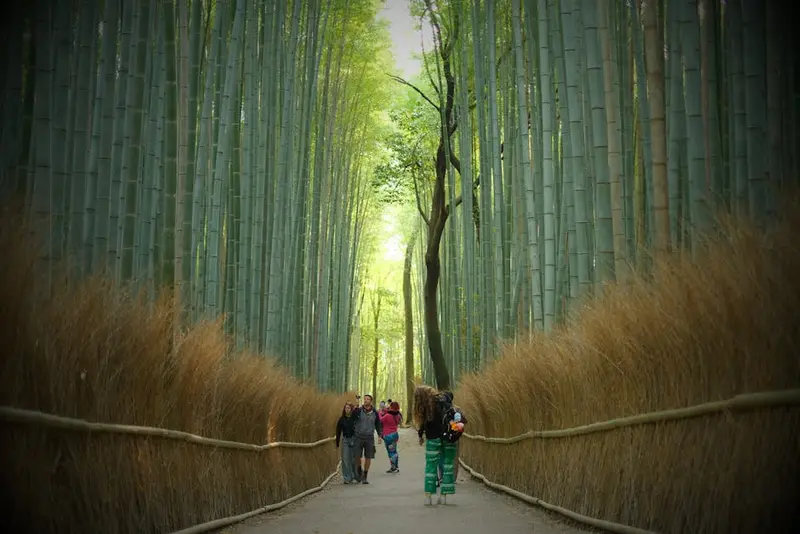
    Arashiyama, located west of Kyoto, is renowned for its picturesque nature and cultural significance. Here you'll find the famous Sagano Bamboo Forest, whose towering stalks create a unique, meditative atmosphere. The Tenryu-ji Temple, a UNESCO World Heritage site and the head temple of the Rinzai school, features impressive Zen gardens and historic buildings. The Togetsukyo Bridge spans the Hozugawa River, offering spectacular views of the surrounding mountains, especially in autumn with its vibrant foliage or during the cherry blossom season in spring. A stroll along the river or a boat ride provides a relaxed perspective of the landscape. To truly experience the tranquility of the bamboo forest, it is recommended to visit Arashiyama early in the morning or late in the afternoon to avoid the largest crowds.
    Uji

    Uji

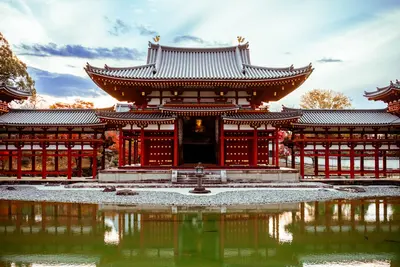
    Uji, located south of Kyoto, is inextricably linked with Japanese tea culture and a rich history. Here you'll find two UNESCO World Heritage Sites: the impressive Byodo-in Temple with its Phoenix Hall, and the Ujigami Shrine, considered Japan's oldest Shinto shrine. The city also plays a central role in Murasaki Shikibu's "The Tale of Genji," vividly presented at the Tale of Genji Museum. Along the Uji River, you can enjoy a tranquil atmosphere and discover numerous traditional tea shops. Try the local Matcha; spring or autumn offer pleasant weather and moderate visitor numbers for a relaxed exploration.
    Kansai

    Kansai

    The Kansai region in western Japan is the cultural and historical heart of the country. Here you will find a fascinating mix of ancient traditions, vibrant metropolises, and breathtaking nature, which offers a unique travel experience. Discover the cradle of Japanese culture with its imperial palaces, shrines, and gardens.
    Nara

    Nara

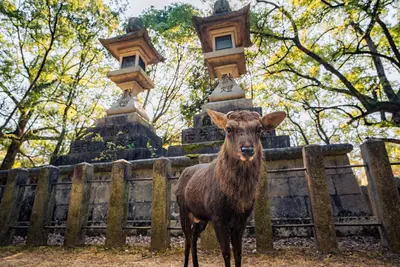
    Nara, Japan's first permanent capital, combines rich history with a unique natural experience. In Nara Park, you'll encounter thousands of free-roaming Sika deer, revered as messengers of the gods. The central highlight is the Todai-ji Temple, with its Great Buddha Hall and one of the largest bronze statues worldwide. Also visit the colorful Kasuga Taisha Shrine, known for its lanterns and its integration into the forest landscape. Visiting the temples early in the morning ensures a calmer experience. Additionally, explore the Naramachi area for traditional handicrafts and local specialties.
    Osaka

    Osaka

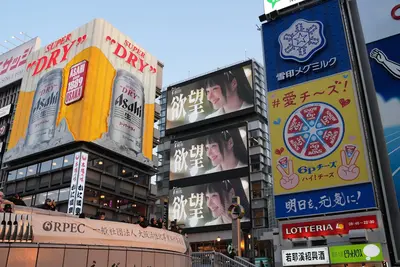
    Osaka presents itself as a vibrant metropolis with a distinct food culture that clearly sets it apart from other Japanese cities. Your visit takes you to the pulsating Dotonbori, where neon signs like the Glico Man line the canals and countless restaurants embody the "Kuidaore" philosophy. The majestic Osaka Castle also offers deep insights into Japan's feudal era. Discover the retro-futuristic Shinsekai district with its iconic Tsutenkaku Tower or explore modern architecture in Umeda. To fully savor the culinary diversity, you should plan an evening stroll through Dotonbori and try local specialties like Takoyaki and Okonomiyaki. The spring and autumn months are ideal for pleasant exploration without the largest tourist crowds.