Fernweh
    ExploreTravel GuidesMy Trips
    de|en
    About FernwehImprintFAQPrivacy Policy
    ExploreTravel GuidesMy Trips
    Nara

    Nara

    CityCulture
    1. Home
    2. Destinations
    3. Japan
    4. Nara
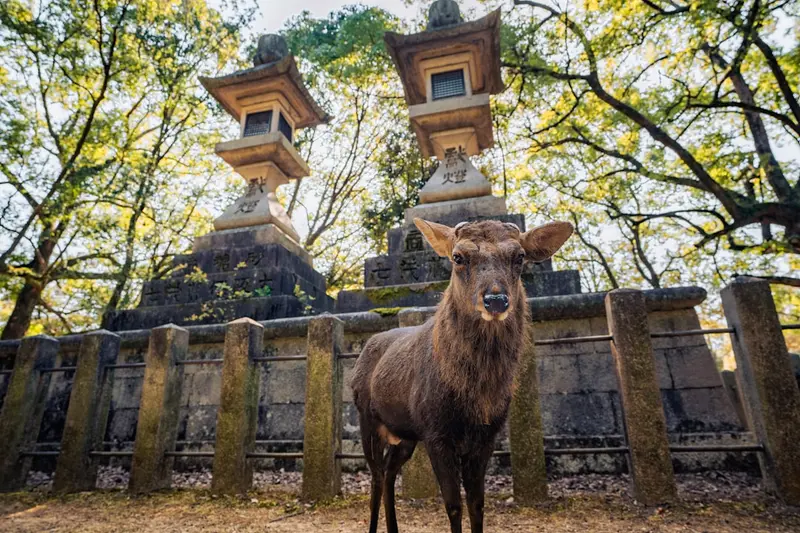
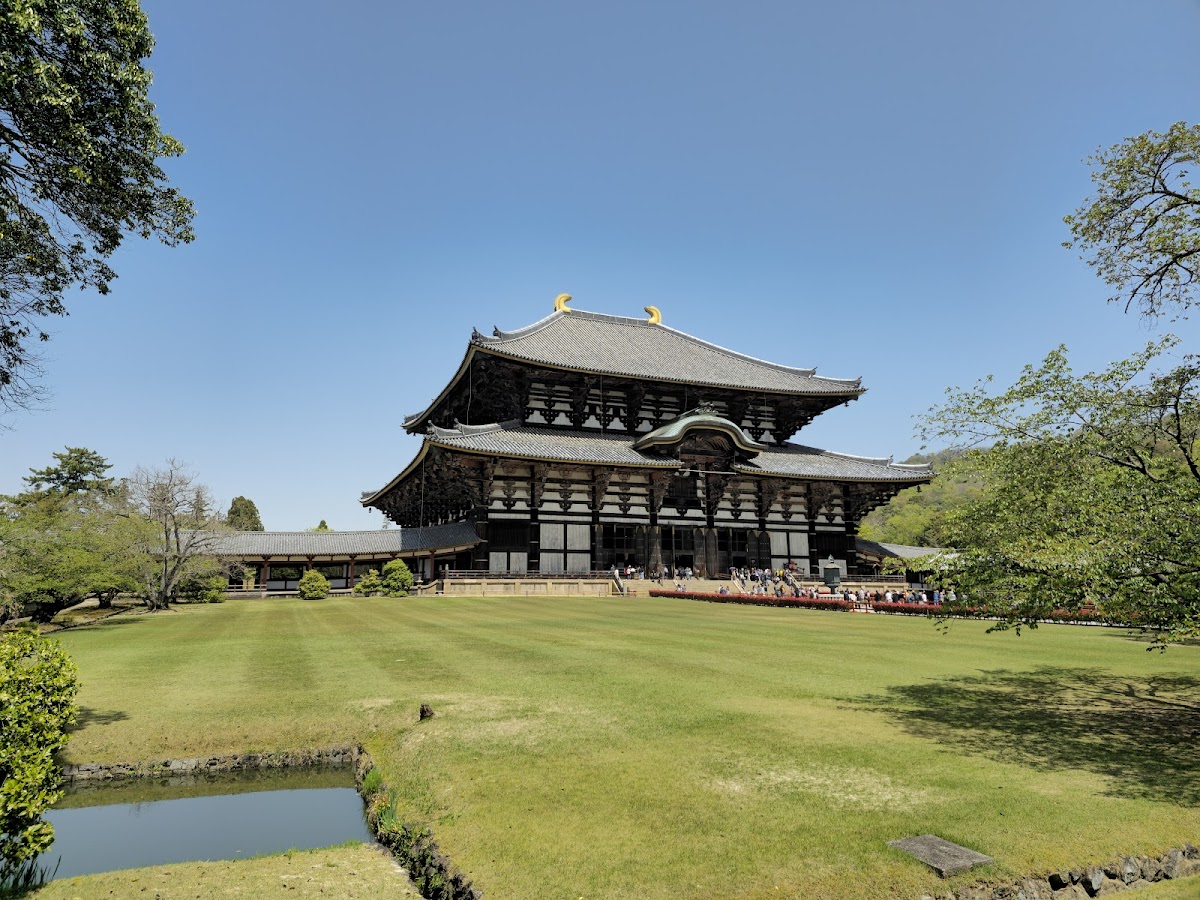
    Nara, Japan's first permanent capital, combines rich history with a unique natural experience. In Nara Park, you'll encounter thousands of free-roaming Sika deer, revered as messengers of the gods. The central highlight is the Todai-ji Temple, with its Great Buddha Hall and one of the largest bronze statues worldwide. Also visit the colorful Kasuga Taisha Shrine, known for its lanterns and its integration into the forest landscape. Visiting the temples early in the morning ensures a calmer experience. Additionally, explore the Naramachi area for traditional handicrafts and local specialties.
    • Neighborhoods & highlights
    • Walking tours
    • Eat & drink
    • Culture
    • Getting around
    • Accommodation
    • Plan trip
    • Nearby
    • Neighborhoods & highlights
    • Walking tours
    • Eat & drink
    • Culture
    • Getting around
    • Accommodation
    • Plan trip
    • Nearby

    Overview

    Nara, one of Japan's former capitals, offers you a unique blend of rich history and nature that you can experience up close. In the expansive Nara Park, you'll encounter thousands of tame Sika deer, revered here as messengers of the gods, moving freely. The majestic Todai-ji Temple forms the centerpiece, housing Japan's largest bronze Buddha statue, and its main wooden hall is the largest in the world. Also of great importance are the Kofuku-ji Temple with its impressive five-story pagoda and the Kasuga Taisha Shrine, famous for its countless lanterns. Explore the historic district of Naramachi, where traditional wooden houses and charming shops preserve the flair of old Nara. For a quieter experience, it's recommended to visit the main attractions early in the morning before the largest crowds arrive. Take the opportunity to enjoy the meditative atmosphere of gardens like Isuien and grasp the cultural depth of this UNESCO World Heritage site.

    Places in Nara

    Discover the most important sights and attractions

    Sights in Nara

    Tōdai-ji

    Mitte des 8. Jahrhunderts erbauter buddhistischer Tempel mit einer der größten bronzenen Buddhastatuen Japans.
    Open in Google Maps

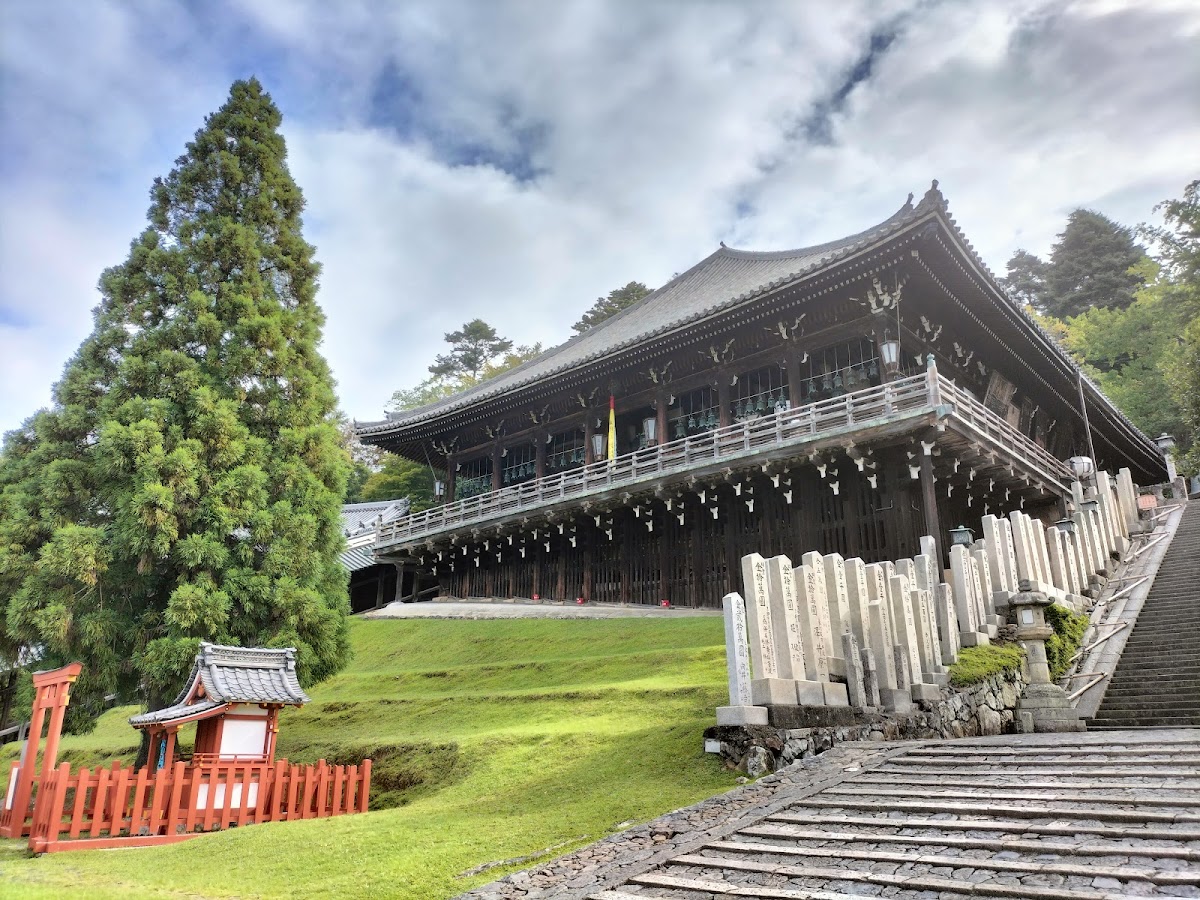
    Nigatsu-do

    Zum buddhistischen Tempel Tōdai-ji gehörende Halle auf einem Hügel mit weitem Blick auf Nara von ihrem Balkon.
    Open in Google Maps

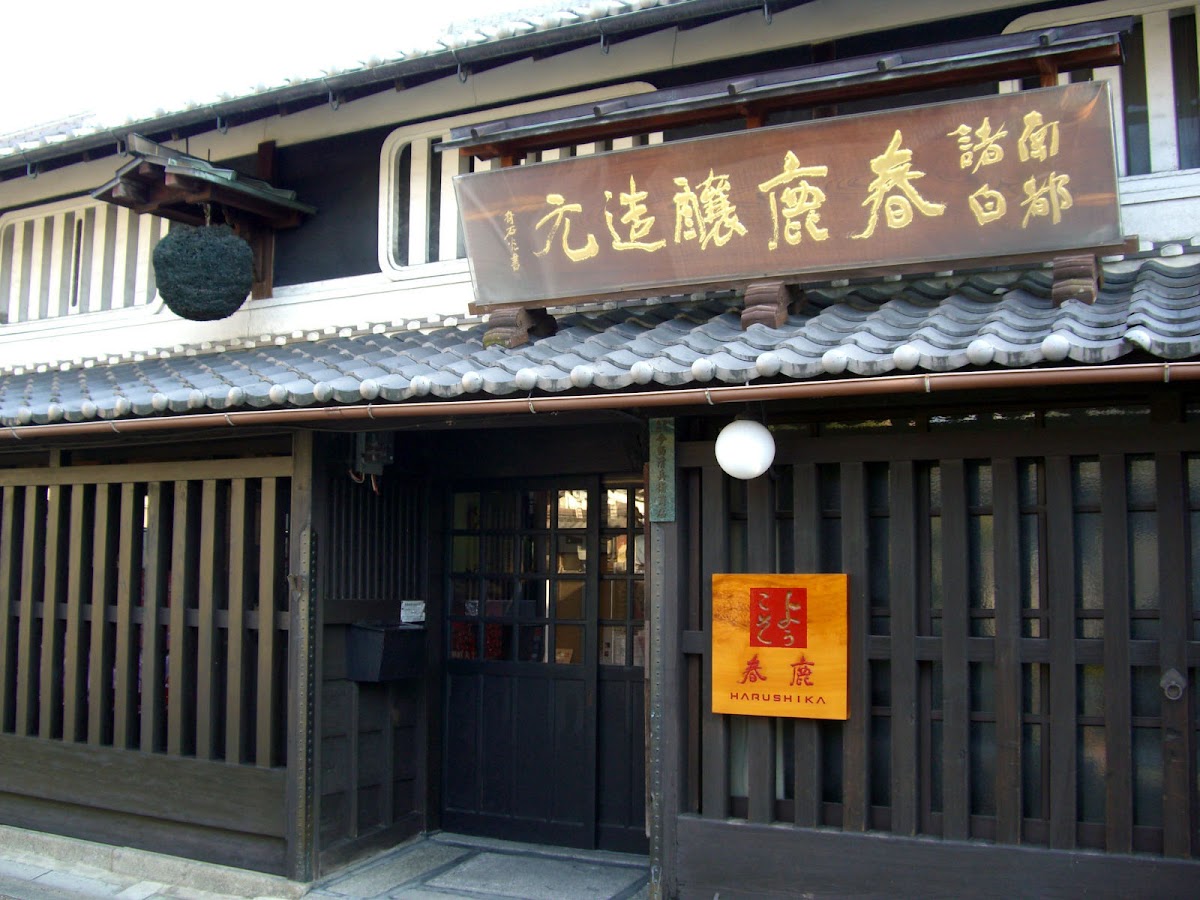
    Harushika Sake Brewery store

    Attraction in 24-1 Fukuchiinchō.
    Open in Google Maps

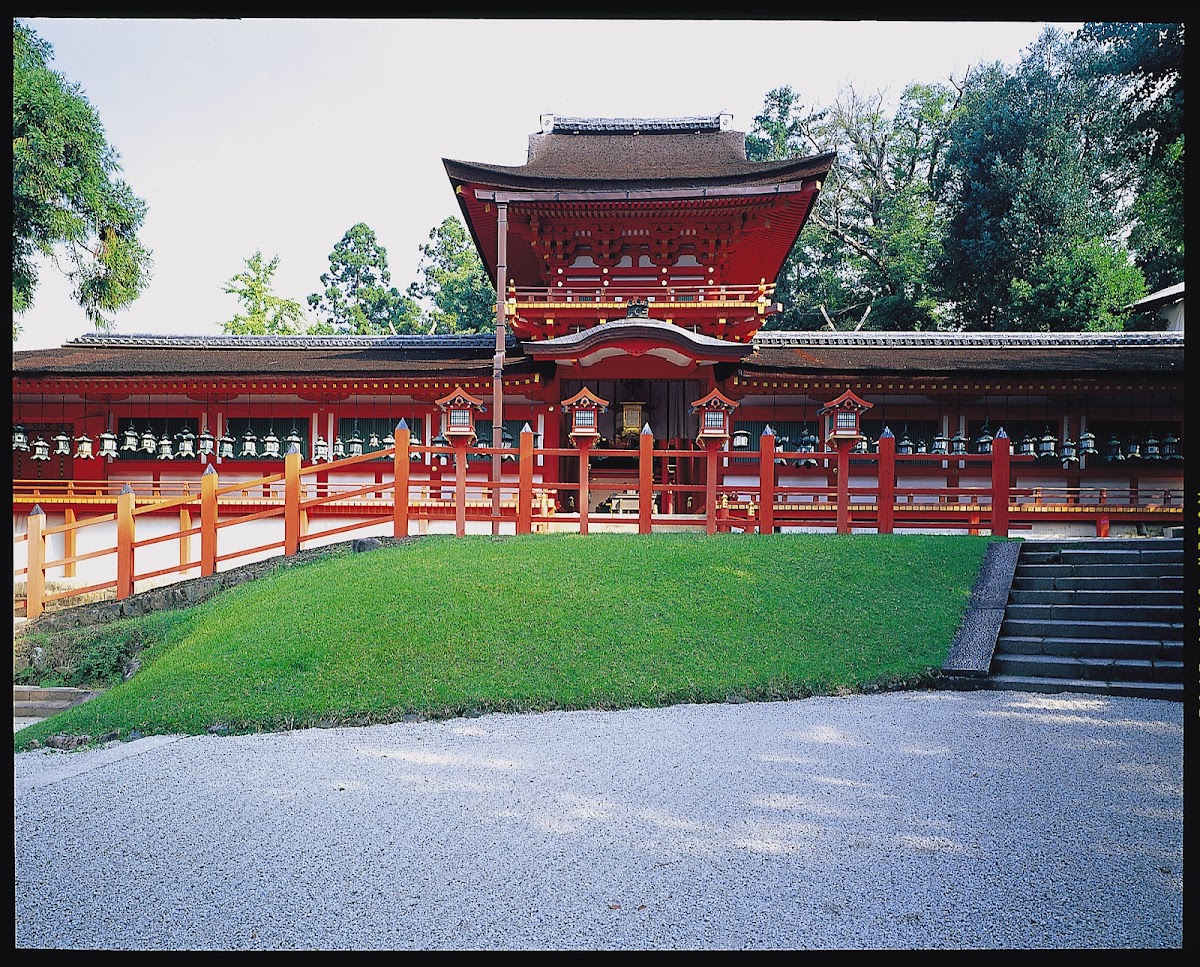
    Kasuga-Taisha

    Leuchtend zinnoberrote Säulen stützen das Dach dieses Shinto-Schreins aus dem Jahr 768.
    Open in Google Maps

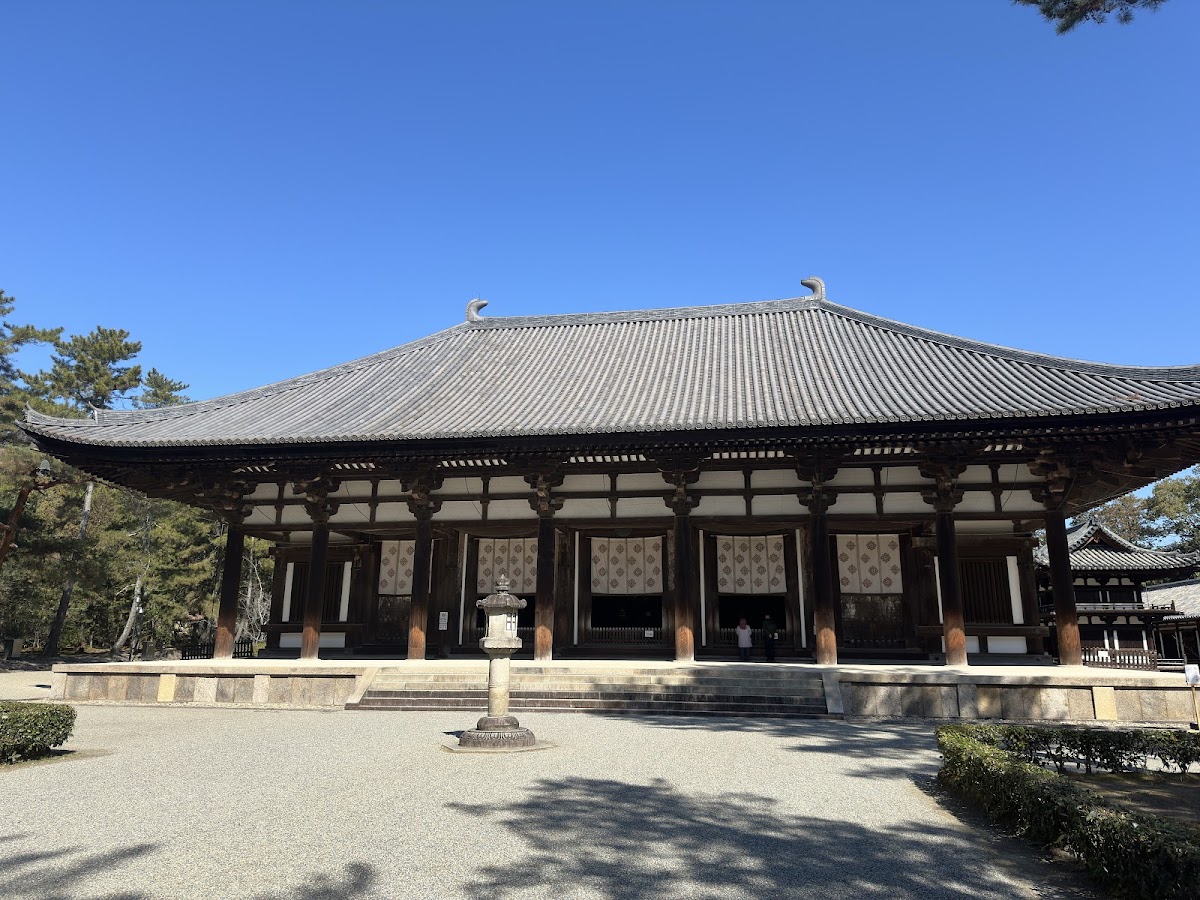
    Tōshōdai-ji

    Buddhistische Tempelanlage mit goldener Halle aus dem 8. Jahrhundert, ein Nationalschatz Japans.
    Open in Google Maps

    City walks in Nara

    Curated walking tours through the city's highlights — handpicked by experienced travel journalists.

    Naras Antike Pracht: Kaiserpalast & Meistertempel des Westens

    Tauchen Sie ein in die Ära der ersten festen Hauptstadt Japans. Dieser Spaziergang führt Sie zu den UNESCO-geschützten Schätzen im Westen Naras, darunter die majestätische Heijo-Palaststätte und bedeutende buddhistische Tempel mit einzigartiger Architektur und tiefgreifender Geschichte.

    ~2 Std. 40 Min.
    In Google Maps öffnen
    Stopps (5)

    Essen & Trinken

    Nara's Deeply Rooted Culture and History

    Nara, in the 8th century (710-784 AD) as Heijō-kyō, Japan's first permanent capital, played a pivotal role in the country's cultural and political development. This era, known as the Nara period, witnessed the significant establishment of Buddhism and profoundly shaped Japan's art, architecture, and spiritual life.The city is a treasure trove of architectural masterpieces. The Tōdai-ji Temple, with its imposing Daibutsu-den (Great Buddha Hall) which houses a monumental bronze statue of the Daibutsu, is an outstanding example of the period's wooden architecture. The Kōfuku-ji Temple, with its distinctive five-story pagoda, also bears witness to the artistic and craftsmanship heyday.A unique cultural feature of Nara are the free-roaming Sika deer, which are revered as messengers of the gods and are an integral part of urban life. Traditional rituals and festivals, such as the annually held Omizutori at Tōdai-ji, where monks offer water and fire, preserve centuries-old customs and reflect the region's deep spiritual connection.

    Your local journey

    Nara is a surprisingly pedestrian-friendly city, especially around the train station and main attractions like Nara Park and Todai-ji Temple, which are easily accessible on foot. For longer distances or when you're tired, the bus network is the backbone of public transport. The Nara Kotsu Bus lines are efficient and cover most tourist destinations. Travelers benefit from IC cards like Suica or Pasmo, which are widely used throughout Japan and greatly simplify payments. There is no subway or tram in Nara, which makes the buses all the more important.Cycling is an excellent option for exploring the city and its quieter corners at your own pace; numerous rental stations are available. E-scooters are still rare to find in the city. Taxis are available as a convenient, albeit more expensive, alternative; ride-sharing services are not yet as established in Japan. For a smooth exploration, it's recommended to use the Google Maps App, which always provides up-to-date timetable information and shows the best routes.

    Accommodations in Nara

    Accommodations in Nara

    Find perfect stay in Nara

    Booking.com
    Search Hotels
    Agoda
    Search Hotels
    Airbnb
    Vacation Rentals
    Hotels.com
    Hotels Worldwide
    Hostelworld
    Hostels

    Plan your trip to Nara

    Save places, build a route and plan your city trip — all in one place.

    Save places

    Bookmark sights, restaurants and neighborhoods you're interested in.

    Build your route

    Turn your bookmarks into a route — define order, days and budget.

    Refine with AI

    Let Mein Fernweh suggest experiences and put together a tailored daily plan.

    Start trip planningOpen bookmarks

    Locations nearby

    These places are nearby — perfect for additional days or a day trip.

    Uji

    Uji

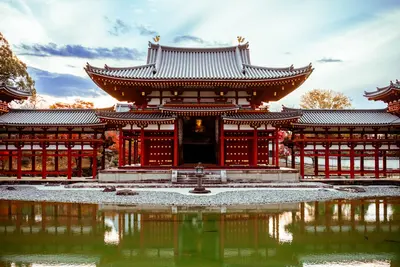
    Uji, located south of Kyoto, is inextricably linked with Japanese tea culture and a rich history. Here you'll find two UNESCO World Heritage Sites: the impressive Byodo-in Temple with its Phoenix Hall, and the Ujigami Shrine, considered Japan's oldest Shinto shrine. The city also plays a central role in Murasaki Shikibu's "The Tale of Genji," vividly presented at the Tale of Genji Museum. Along the Uji River, you can enjoy a tranquil atmosphere and discover numerous traditional tea shops. Try the local Matcha; spring or autumn offer pleasant weather and moderate visitor numbers for a relaxed exploration.
    Osaka

    Osaka

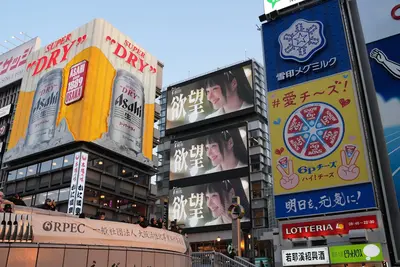
    Osaka presents itself as a vibrant metropolis with a distinct food culture that clearly sets it apart from other Japanese cities. Your visit takes you to the pulsating Dotonbori, where neon signs like the Glico Man line the canals and countless restaurants embody the "Kuidaore" philosophy. The majestic Osaka Castle also offers deep insights into Japan's feudal era. Discover the retro-futuristic Shinsekai district with its iconic Tsutenkaku Tower or explore modern architecture in Umeda. To fully savor the culinary diversity, you should plan an evening stroll through Dotonbori and try local specialties like Takoyaki and Okonomiyaki. The spring and autumn months are ideal for pleasant exploration without the largest tourist crowds.
    Kansai

    Kansai

    The Kansai region in western Japan is the cultural and historical heart of the country. Here you will find a fascinating mix of ancient traditions, vibrant metropolises, and breathtaking nature, which offers a unique travel experience. Discover the cradle of Japanese culture with its imperial palaces, shrines, and gardens.
    Kyoto City

    Kyoto City

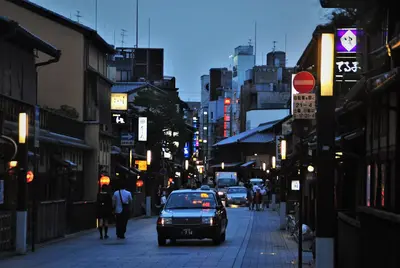
    Kyoto, once Japan's imperial capital for over a thousand years, still preserves its rich cultural and historical identity today. The city boasts over 2,000 Buddhist temples and Shinto shrines, traditional gardens, and the vibrant Geisha district of Gion. Among its most famous attractions are the golden pavilion Kinkaku-ji, the impressive Fushimi Inari-Taisha with its thousands of red gates, and the serene Arashiyama Bamboo Grove. In the historic Gion district, you might, with a bit of luck, encounter Geishas and Maikos on their way to teahouses. For an authentic experience, you should visit the gardens of Ryoan-ji with their famous rock garden. To avoid the largest crowds, it is recommended to explore popular sites right after opening in the morning. The months of April and November offer spectacular views with cherry blossoms and autumn foliage respectively, but these are also the busiest times.
    Arashiyama

    Arashiyama

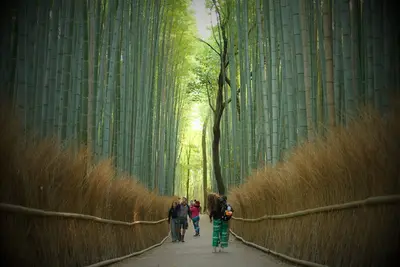
    Arashiyama, located west of Kyoto, is renowned for its picturesque nature and cultural significance. Here you'll find the famous Sagano Bamboo Forest, whose towering stalks create a unique, meditative atmosphere. The Tenryu-ji Temple, a UNESCO World Heritage site and the head temple of the Rinzai school, features impressive Zen gardens and historic buildings. The Togetsukyo Bridge spans the Hozugawa River, offering spectacular views of the surrounding mountains, especially in autumn with its vibrant foliage or during the cherry blossom season in spring. A stroll along the river or a boat ride provides a relaxed perspective of the landscape. To truly experience the tranquility of the bamboo forest, it is recommended to visit Arashiyama early in the morning or late in the afternoon to avoid the largest crowds.