Fernweh: Home
    ExploreTravel GuidesPlan a tripMy tripLast visited
    de|en
    All Places & RegionsAll highlightsAbout FernwehFAQPrivacy PolicyImprint
    ExploreTravel GuidesPlan a tripMy tripLast visited
    • Overview
    • Places in the region
    • Food culture
    • Culture
    • Getting around
    • Nearby
    Okinawa

    Japan

    Okinawa

    RegionCulture

    Okinawa, a subtropical island prefecture of Japan, welcomes you with a unique mix of Ryukyu culture, unspoiled beaches and a turbulent history. Here you will find turquoise water and lush greenery, ideal for relaxation and exploring.

    by Felix Gillen

    1. Home
    2. Destinations
    3. Japan
    4. Okinawa
    Okinawa, a subtropical island prefecture of Japan, welcomes you with a unique mix of Ryukyu culture, unspoiled beaches and a turbulent history. Here you will find turquoise water and lush greenery, ideal for relaxation and exploring.
    Okinawa, a subtropical prefecture of Japan, welcomes you with a unique blend of rich Ryukyu culture and breathtaking natural landscapes. The island group was once the independent Ryukyu Kingdom, its heritage reflected in historical sites like the reconstructed Shuri Castle in Naha and traditional handicrafts. Discover the crystal-clear waters and white sandy beaches of the main island or take a trip to the Kerama Islands, which have been declared a national park and are ideal for snorkeling and diving. The Okinawa Churaumi Aquarium, famous for its whale sharks, offers fascinating insights into the region's marine biodiversity. Try the unique local cuisine, including Okinawa Soba or Goya Chanpuru, and experience the relaxed way of life that differs from mainland Japan. The best time to visit for beach activities is between May and October, with April/May and October/November offering pleasant temperatures without the biggest tourist crowds.
    Ishigaki-jima

    Place 1 of 4

    Ishigaki-jima

    Ishigaki-jima, the main gateway to the Yaeyama Islands, captivates with its subtropical nature and relaxed atmosphere. Here you'll find fine sandy beaches and clear waters, ideal for snorkeling and diving.

    Discover
    Kerama-Inseln

    Place 2 of 4

    Kerama-Inseln

    The Kerama Islands in Okinawa are known for their “Kerama Blue” sea and intact coral reefs. As a national park (since 2014), they attract divers and snorkelers with an exceptional underwater world.

    Discover
    Miyako-jima

    Place 3 of 4

    Miyako-jima

    Miyako-jima, an island in Okinawa Prefecture, captivates with its untouched coral reefs and characteristic turquoise waters.

    Discover
    Naha

    Place 4 of 4

    Naha

    Naha, the capital of Okinawa, offers a fascinating mix of Japanese and unique Ryukyu culture. You discover a lively city atmosphere that stands apart from the relaxed island mentality.

    Discover

    Sights in Okinawa

    Discover the most important sights and attractions

    Katsuren Castle Ruin (Katsuren-jo)

    Katsuren Castle Ruin (Katsuren-jo)

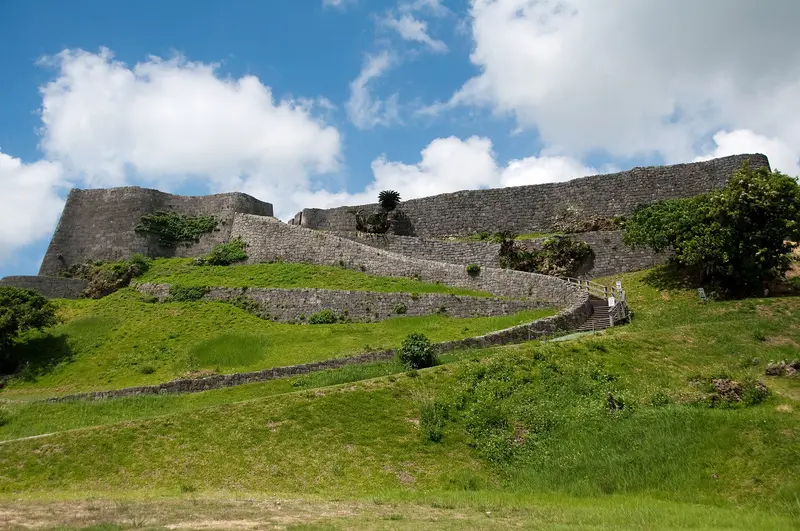
    Die Burgruine Katsuren auf Okinawa ist eine der bedeutendsten Gusuku-Stätten und gehört zum UNESCO-Weltkulturerbe. Sie war der Sitz des legendären Amawari, eines mächtigen Lords des 15. Jahrhunderts, der eine zentrale Rolle in der Geschichte des Ryukyu-Königreichs spielte. Die Anlage zeugt von der Blütezeit des Seehandels und der kulturellen Verbindungen der Insel mit dem asiatischen Kontinent. Du findest hier beeindruckende Steinmauern, die sich terrassenförmig über den Hügel erstrecken und ein Gefühl für die einstige Größe vermitteln.Von der höchsten Ebene aus genießt du einen spektakulären Panoramablick über den Pazifik und die umliegende Landschaft. Dies ist auch der ideale Ort für deine Fotos, besonders bei Sonnenaufgang oder Sonnenuntergang. Um die Ruhe der Stätte vollends auszukosten und den Menschenmassen zu entgehen, empfehlen wir einen Besuch am frühen Morgen unter der Woche. Festes Schuhwerk ist für die Erkundung der unebenen Pfade ratsam.
    Open in Google Maps
    Okinawa Churaumi Aquarium
    Aquarium

    Okinawa Churaumi Aquarium

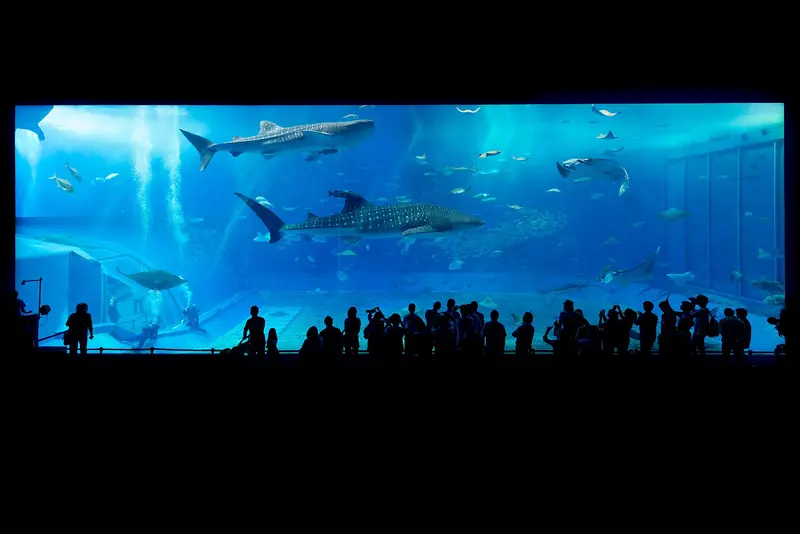
    The aquarium at Ocean Expo Park on the Motobu Peninsula in northern Okinawa, about two hours' drive from Naha, is one of the largest in the world. In the main tank, "Kuroshio Sea," whale sharks and manta rays swim behind one of the largest acrylic panels ever.Other tanks display coral reefs and the deep sea around the Ryukyu Islands. Plan your visit for early morning or late afternoon, when there are fewer tour buses. The park also features a beach and open enclosures for dolphins and manatees.
    Open in Google Maps
    Nakijin Castle Ruin
    Historic Landmark

    Nakijin Castle Ruin

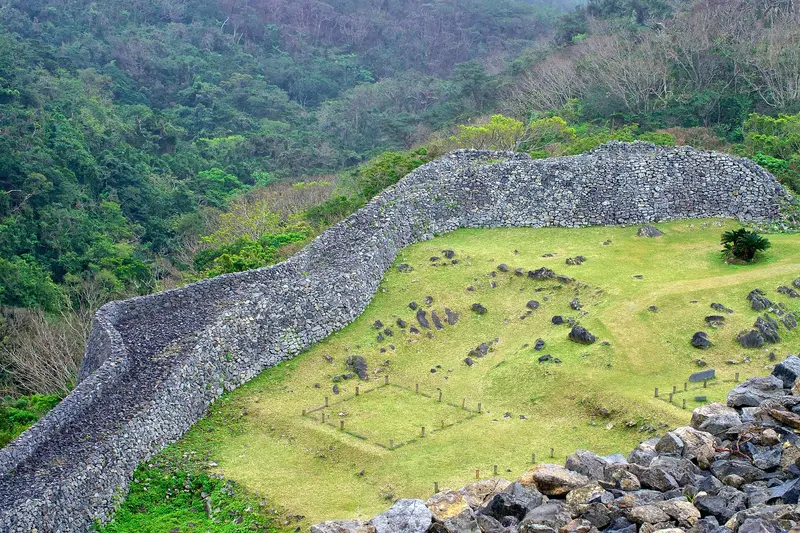
    The Gusuku on the Motobu Peninsula served as the seat of the kings of Hokuzan in the 14th century, one of the three kingdoms Okinawa was divided into before its unification as the Ryūkyū Kingdom. It is a UNESCO World Heritage site.Its curved limestone walls extend for about 1.5 kilometers across a hill; from above, you can see across the East China Sea to the outlying islands. In January and February, Japan's first cherry blossoms bloom here. The Churaumi Aquarium is about a ten-minute drive away.
    Open in Google Maps
    Sēfa Utaki
    Place of Worship

    Sēfa Utaki

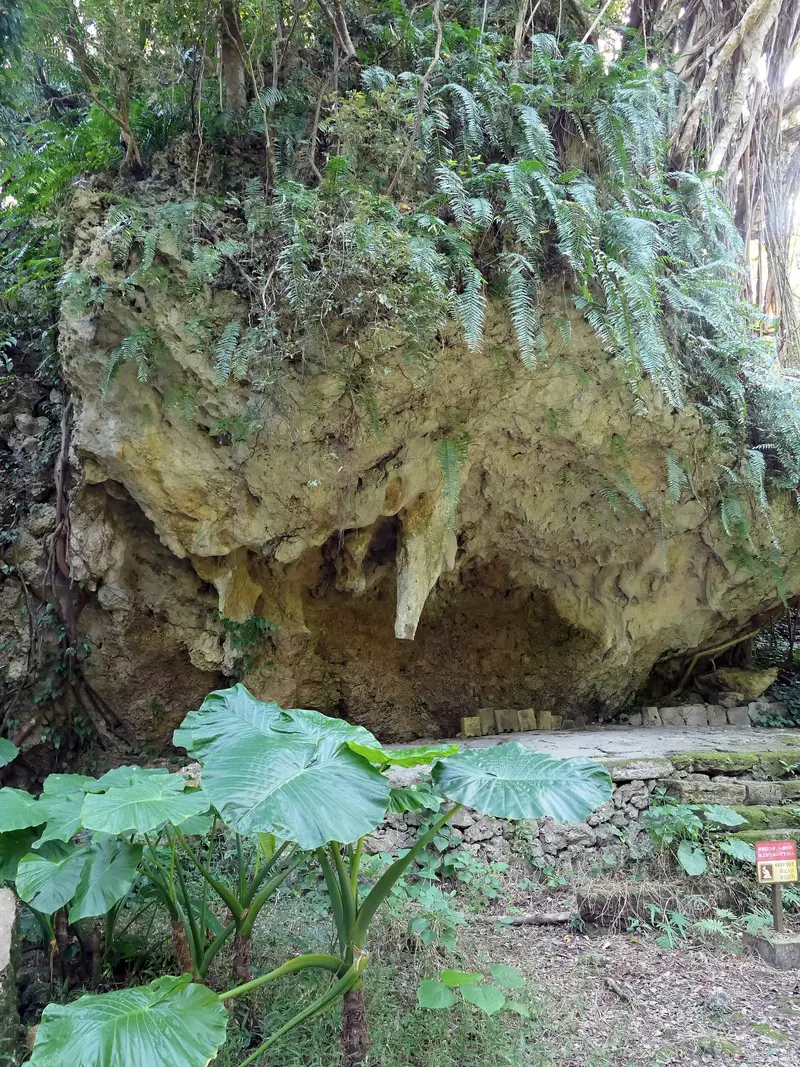
    Sēfa Utaki, located in southeastern Okinawa, about a 45-minute drive from Naha, was the most important sacred site of the Ryūkyū Kingdom. Here, the high priestesses of the royal court were consecrated. The site is a UNESCO World Heritage site.There are no buildings, only prayer places among rocks and forest. The most famous is a triangular passage between two rock slabs, from which you can see the sacred island of Kudaka. Tickets are available at the Nanjō Visitor Center, just a few minutes' walk away. On certain days of the year, the site is closed for rituals.
    Open in Google Maps
    Kouri Island and Kouri Bridge
    Attraction

    Kouri Island and Kouri Bridge

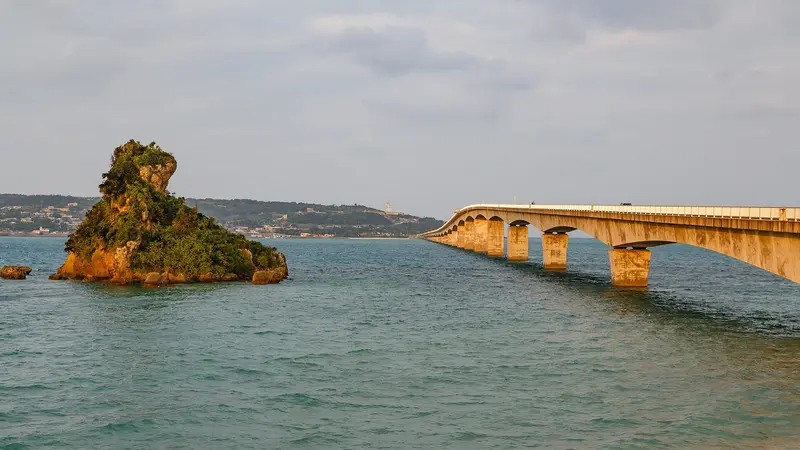
    A roughly two-kilometer bridge in northern Okinawa leads over turquoise, shallow water from Yagaji Island to the small island of Kouri. From the viewpoint at the south end, you get the best view of the bridge and sea.Kouri offers small beaches, including Tinu Beach with its heart-shaped eroded rocks. A scenic ring road provides a short drive around the island. By rental car, Kouri can be easily combined with the Churaumi Aquarium and Nakijin Castle.
    Open in Google Maps

    Food & Drink in Okinawa

    Okinawa Soba

    Despite its name, the noodles are wheat-based. They are served in a broth of pork and bonito, often with stewed ribs (Sōki) as a topping.

    Gōyā Chanpurū

    The islands' most famous stir-fry dish: bitter melon, tofu, egg, and pork, quickly stir-fried together.

    Pork in every form

    Pork is central to Okinawa's cuisine. Rafutē is pork belly, slow-braised in Awamori, soy sauce, and brown sugar.

    Umibudō

    Sea grapes are a type of algae with small pearls that pop when chewed. They are eaten raw with a light vinegar dip.

    Awamori

    Okinawa’s rice spirit is distilled from long-grain rice and is considered Japan’s oldest spirit. Awamori aged for several years is called Kūsu.

    Okinawa's unique cultural heritage

    Okinawa looks back on a rich and distinct history as the former Ryukyu Kingdom, which for centuries was a flourishing trading post in East Asia. This era (15th to 19th century) profoundly shaped the island group, particularly through strong cultural influences from China and Southeast Asia, differing from mainland Japanese culture.The kingdom's architecture is exemplified by the reconstructed Shuri Castle in Naha, which blends Chinese and Japanese elements into a unique Ryukyuan style. Traditional houses feature red tiled roofs and coral stone walls, providing protection against typhoons. Local traditions like the energetic Eisa dance with drums and the melodic music of the Sanshin, a three-stringed lute, are vibrant expressions of Uchinanchu identity.Cultural distinctiveness includes the indigenous language Uchinaguchi, which differs significantly from Standard Japanese, as well as a deep spirituality manifested in numerous sacred Utaki sites and the reverence for nature spirits. Okinawan cuisine, with dishes like Goya Champuru, also reflects its historical independence and regional characteristics.

    Traveling on Okinawa

    Getting ThereNaha Airport is the prefecture's hub, with frequent flights from Tokyo, Osaka, and other Japanese cities. From Naha, you can fly on to Ishigaki or Miyako in about an hour.On the Main IslandYui Rail: The monorail is Okinawa's only railway. It connects the airport with central Naha and Shuri.Rental Car: A rental car is the usual choice for exploring the north, including the Churaumi Aquarium, beaches, and castle ruins. Traffic drives on the left; expect congestion around Naha during peak hours.Bus: Local and express buses reach most places, but they are slow and sometimes infrequent.Ferries and Island HoppingFerries and fast boats depart for the Kerama Islands from Tomari Port in Naha.From Ishigaki, you can reach Taketomi, Iriomote, and other Yaeyama Islands by boat.During typhoon season, approximately from June to October, ferries and flights are often cancelled. Plan a buffer day before your return flight.

    Nearby

    Naha

    Naha, the capital of Okinawa, offers a fascinating mix of Japanese and unique Ryukyu culture. You discover a lively city atmosphere that stands apart from the relaxed island mentality. Shuri-jō, once the residence of the Ryukyu Kingdom and a UNESCO World Heritage Site, is a central historical highlight. The busy shopping street Kokusai-dori and the authentic Makishi Public Market invite you to explore local products. In the traditional Tsuboya Yachimun Street district you will also find handmade ceramics. For exploring the city, spring or autumn is recommended, to enjoy pleasant temperatures. Be sure to try the local cuisine, such as Okinawan soba or goya champuru, which reflects Naha's culinary independence.

    Kerama-Inseln

    The Kerama Islands in Okinawa are known for their “Kerama Blue” sea and intact coral reefs. As a national park (since 2014), they attract divers and snorkelers with an exceptional underwater world. The main islands Tokashiki and Zamami, reachable by ferry from Naha, offer picturesque beaches such as Aharen Beach. Between January and March you can watch humpback whales during their breeding season; May to October offers the best swimming weather. Be sure to book ferry tickets and accommodation in advance in high season.

    Miyako-jima

    Miyako-jima, an island in Okinawa Prefecture, captivates with its untouched coral reefs and characteristic turquoise waters. Here you'll find some of Japan's most famous beaches, including the expansive Yonaha Maehama Beach, renowned for its fine sand, and the picturesque Sunayama Beach. The island is best explored by rental car, with drives over bridges like the Irabu Ohashi Bridge leading to spectacular coastal panoramas. The rich underwater world offers excellent conditions for snorkeling and diving, while the local cuisine delights palates with fresh seafood and Miyako Soba. Miyako-jima also preserves elements of the unique Ryukyu culture. For a relaxed stay, travel in spring or autumn is recommended to avoid the highest temperatures and typhoon season.

    Ishigaki-jima

    Ishigaki-jima, the main gateway to the Yaeyama Islands, captivates with its subtropical nature and relaxed atmosphere. Here you'll find fine sandy beaches and clear waters, ideal for snorkeling and diving. The famous Kabira Bay offers picturesque views and glass-bottom boat tours. For panoramic views of the coast, visit the Tamatorizaki Observation Deck. In Ishigaki City, the island's center, you'll also discover local markets and restaurants serving unique Ryukyu cuisine. A rental car for island exploration and a travel period between March and May or September and November are recommended to avoid typhoon season.
    Yakushima

    Yakushima

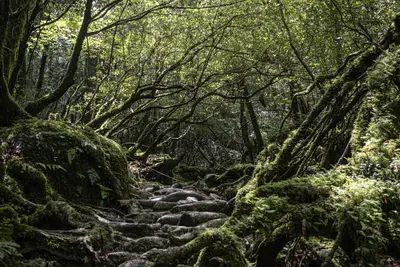
    The round, mountainous island south of Kyūshū is covered in dense, moss-covered rainforest and has been a UNESCO World Natural Heritage site since 1993. Famous are the ancient Yakusugi cedars, the oldest of which are estimated to be several thousand years old. Yakushima is one of Japan's rainiest regions – good rain gear belongs in your luggage.

    Sources & method

    • Photos: Wikimedia Commons, Unsplash. Each photo carries its credit.
    • Place data such as addresses and ratings comes from Google Maps.
    • The content is based on web research from public, traceable sources. How the content is made · The role of AI