ExploreTravel GuidesPlan a trip
    de|en
    All Places & RegionsAbout FernwehFAQPrivacy PolicyImprint
    ExploreTravel GuidesPlan a trip
    Yakushima
    Island

    Japan

    Yakushima

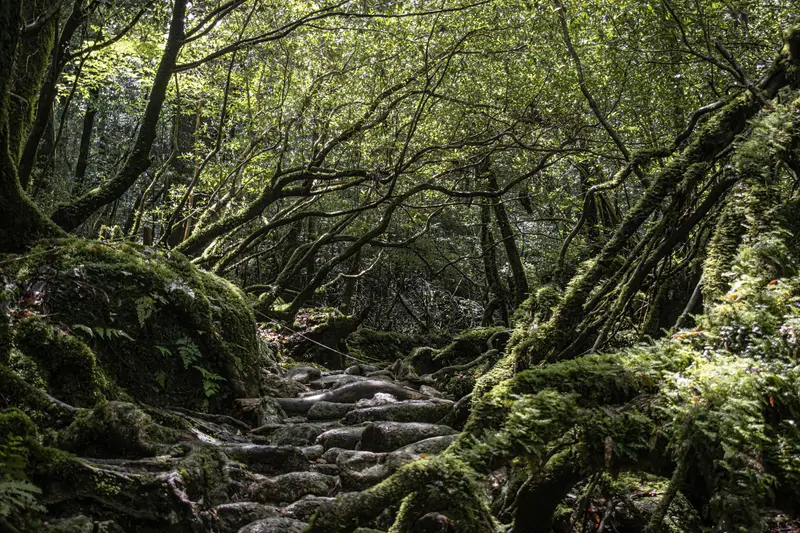
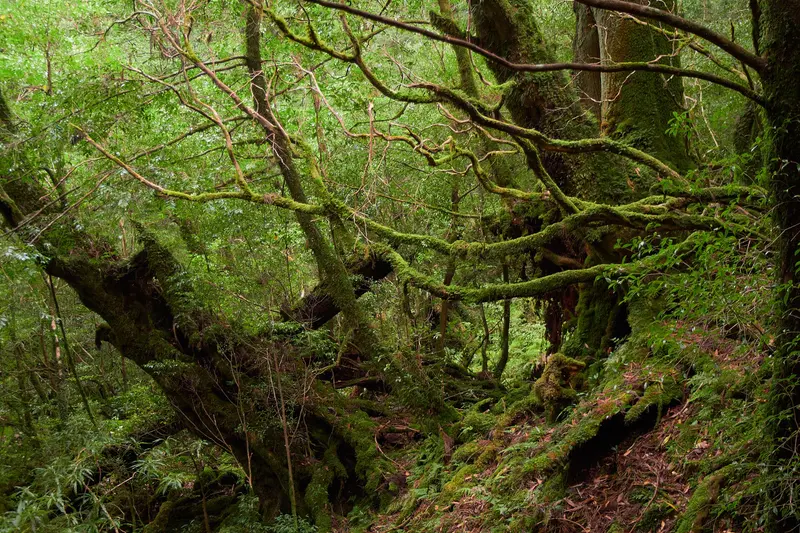
    The round, mountainous island south of Kyūshū is covered in dense, moss-covered rainforest and has been a UNESCO World Natural Heritage site since 1993.

    1. Home
    2. Destinations
    3. Japan
    4. Kyushu
    5. Yakushima
    The round, mountainous island south of Kyūshū is covered in dense, moss-covered rainforest and has been a UNESCO World Natural Heritage site since 1993. Famous are the ancient Yakusugi cedars, the oldest of which are estimated to be several thousand years old. Yakushima is one of Japan's rainiest regions – good rain gear belongs in your luggage.

    Sights in Yakushima

    Discover the most important sights and attractions

    Shiratani Unsuikyō and Taiko-iwa
    Attraction

    1Shiratani Unsuikyō and Taiko-iwa

    The Shiratani Unsuikyō gorge above Miyanoura is the island's most famous forest area. Trails lead over streams and suspension bridges through a forest where rocks, roots, and trunks are entirely covered in moss; the section around the Moss Garden is regarded as the inspiration for the forest in Studio Ghibli's film "Princess Mononoke".The circular trails last two to five hours. At the end of the longest trail is the Taiko-iwa rock outcrop, offering panoramic views over the forested mountains. A bus runs from Miyanoura to the entrance; a conservation fee applies.
    Open in Google Maps
    Jōmon-sugi
    Attraction

    2Jōmon-sugi

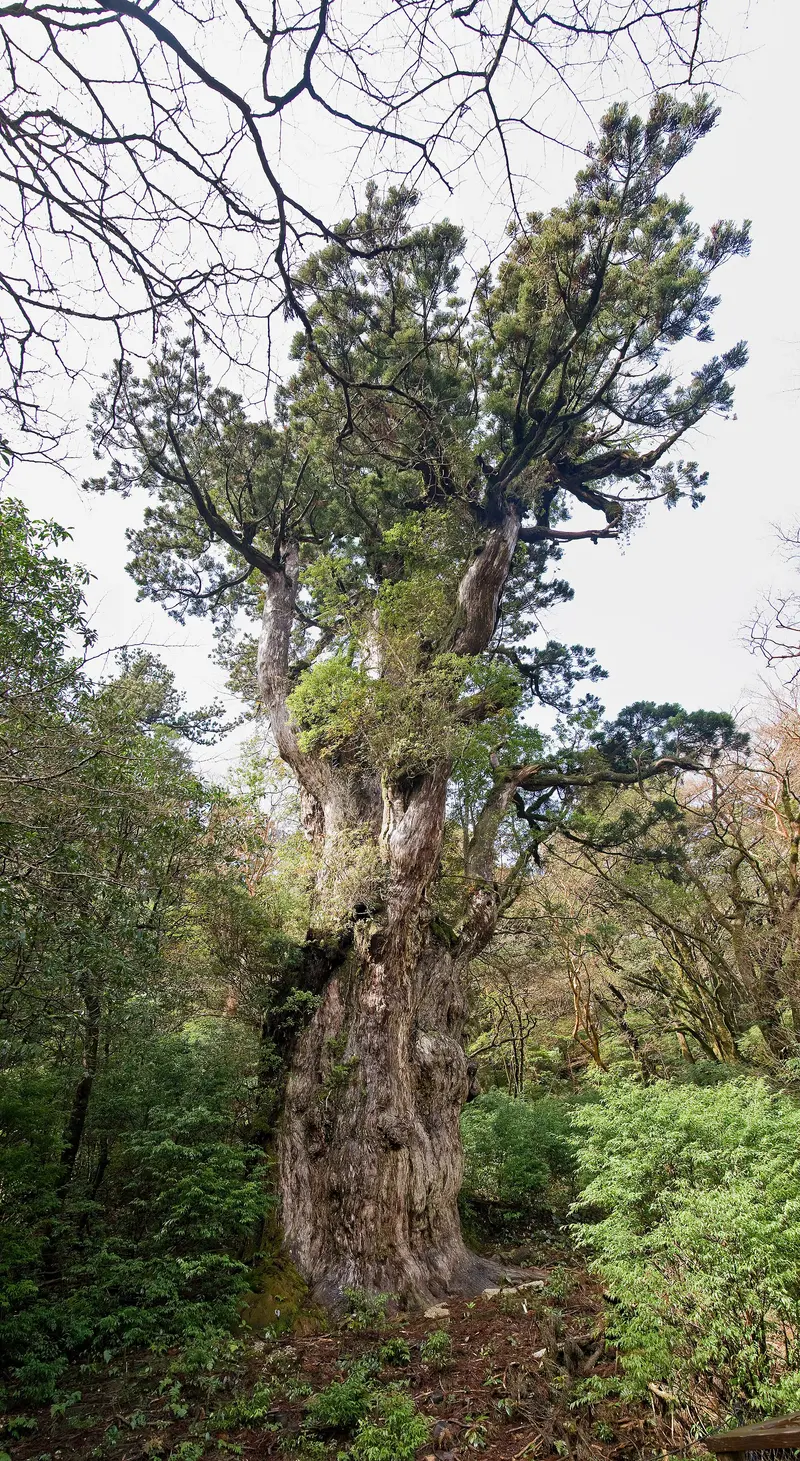
    The island's mightiest cedar has a trunk circumference of over 16 meters; its age is variously estimated at a good 2,000 to over 7,000 years. It only became known to a wider public in the late 1960s.The path there is a challenging day hike of around ten hours, initially along an old forest railway line, then steeply through the forest, past the hollow Wilson Stump. Start before sunrise and bring a headlamp, rain gear, and provisions. You view the tree from an observation deck.
    Open in Google Maps
    Park

    3Yakusugi Land

    The forest area in the island's interior offers circular routes ranging from half an hour to several hours. Even on the shorter paths, you'll encounter ancient Yakusugi cedars; the longer ones lead to giants like the nearby Kigen-sugi.Yakusugi Land is the best choice if you want to experience the ancient forests without a full-day hike. Buses run only a few times a day from Anbō; a rental car offers more flexibility.
    Open in Google Maps
    Ōko Waterfall
    Attraction

    4Ōko Waterfall

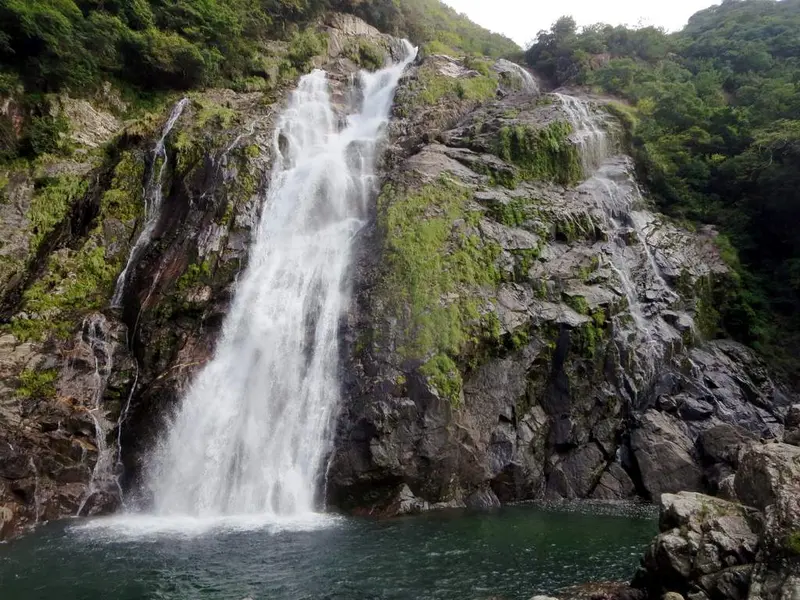
    On the west coast, the Ōko Waterfall plunges approximately 88 meters over a rock face and is one of Japan's most famous waterfalls. From the parking lot on the ring road, it's just a few minutes' walk to the basin at the foot of the falls.The waterfall can be easily combined with a drive along the west coast, where the road leads through the forest and monkeys and deer are frequently seen.
    Open in Google Maps

    Restaurants in Yakushima

    Eating & Drinking on Yakushima

    Kubiore-Saba

    The mackerel are bled immediately after being caught so that the meat remains fresh enough for sashimi. They are the island's most famous specialty.

    The Flying Fish

    Yakushima has one of Japan's largest catches of flying fish. They are served deep-fried whole, including their outstretched pectoral fins.

    Citrus fruits

    In the mild climate grow Tankan and Ponkan, sweet mandarins, harvested in winter and early spring.

    Shōchū

    On the island, shōchū is distilled from sweet potatoes using the soft mountain water.

    Packed lunch for the hike

    For long tours, most accommodations offer a packed lunch, which you order the evening before. In the forests, there are no provisions.

    Island of the Old Cedars

    YakusugiYakusugi refers to the island's cedars that are over a thousand years old. The most famous, the Jōmon-sugi, is subject to widely varying age estimates, from a good 2,000 to over 7,000 years. During the Edo period, much wood was felled; giant tree stumps like the Wilson Stump bear witness to this.World Natural HeritageIn 1993, Yakushima was designated a UNESCO World Natural Heritage site, one of the first in Japan. Within a small area, vegetation zones range from subtropical coast to barren peaks; Mount Miyanoura-dake, at 1,936 meters, is Kyushu's highest mountain.Rain and AnimalsA proverb says it rains 35 days a month on Yakushima. The rain nourishes the moss that covers forests and rocks. Along the roadside, you frequently encounter Yakushima macaques and small sika deer.

    Getting there and around

    Getting ThereBy Sea: From Kagoshima, hydrofoil boats take two to three hours, and a car ferry takes about four hours. Services are cancelled in rough seas.By Air: Small aircraft connect Yakushima with Kagoshima, Fukuoka, and Osaka.On the IslandA ring road encircles the entire island. Buses run infrequently; a rental car is the best choice for flexible excursions.HikingThe hike to Jōmon-sugi takes about ten hours round trip. During peak season, access to the Arakawa trailhead is closed to private cars; a shuttle bus operates then.Shorter and easier is Shiratani Unsuikyō gorge, with circular routes of two to five hours.A conservation fee is charged for mountain trails. Rain gear and sturdy footwear are necessary year-round.

    Accommodations in Yakushima

    Find perfect stay in Yakushima

    Booking.com* (Affiliate link)
    Search Hotels
    Agoda* (Affiliate link)
    Search Hotels
    Airbnb
    Vacation Rentals

    * Affiliate link: if you book through it, we earn a small commission. The price stays the same for you.

    Nearby

    Kagoshima

    Kagoshima

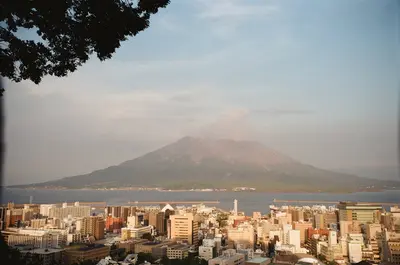
    Im südlichsten Teil von Kyushu gelegen, bietet Kagoshima eine einzigartige tropische Atmosphäre mit der ständigen Präsenz des aktiven Vulkans Sakurajima.
    Kumamoto

    Kumamoto

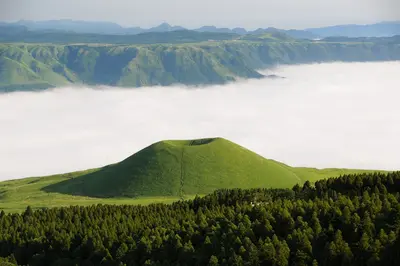
    Kumamoto in Kyushu blends rich history with modern dynamism. Its landmark is the imposing Kumamoto Castle, a significant cultural property whose reconstruction after the 2016 earthquake demonstrates resilience. The picturesque Suizenji Jojuen Garden invites you to relax amidst its miniature landscapes. In the lively shopping streets like Kamitori and Shimotori, you'll discover local life and specialties like Kumamoto Ramen. For an optimal experience, a visit in spring during cherry blossom season or in autumn is recommended.
    Kyushu

    Kyushu

    Kyushu, the southernmost of Japan's four main islands, charms you with a captivating blend of seething volcanoes, healing hot springs, and a deeply rooted culture. You'll find a landscape of dramatic natural beauty, from lush mountains to subtropical coasts, paired with excellent regional cuisine that pampers both palate and soul.
    Nagasaki

    Nagasaki

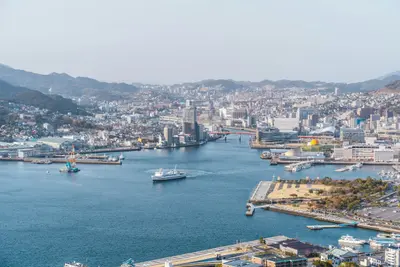
    Nagasaki lies on a deeply indented bay in western Kyūshū, with houses climbing steep hillsides. During Japan's isolation, the city was for over two centuries the only gateway to Europe and China – this shapes its churches, cuisine, and cityscape to this day. On August 9, 1945, Nagasaki was destroyed by an atomic bomb; the Peace Park and Atomic Bomb Museum commemorate this.
    Beppu

    Beppu

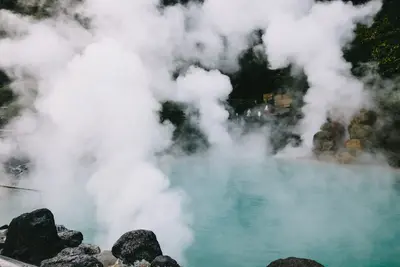
    Beppu, an Onsen city on Kyushu, is globally renowned for its diverse hot springs and their associated culture. You'll find over 2,000 hot springs here, divided into eight main areas, each with its own unique character. A highlight is the "Jigoku Meguri," the tour of the Eight Hells of Beppu, spectacular thermal springs unsuitable for bathing, featuring unique colors and steam fountains. Particularly noteworthy are the cobalt-blue "Umi Jigoku" (Sea Hell) and the blood-red "Chinoike Jigoku" (Blood Pond Hell). Take the opportunity for a traditional sand bath at Beppu Kaihin Sunayu or enjoy Jigoku Mushi, dishes steamed directly in the hot thermal water. For a comprehensive experience, it's recommended to visit the Jigoku Meguri in the morning to avoid the afternoon crowds. A stroll through the various Onsen districts like Kannawa offers insights into local life and the steaming landscapes.