Fernweh: Home
    ExploreTravel GuidesPlan a tripMy tripLast visited
    de|en
    All Places & RegionsAll highlightsAbout FernwehFAQPrivacy PolicyImprint
    ExploreTravel GuidesPlan a tripMy tripLast visited
    • Overview
    • Places in the region
    • Food culture
    • Culture
    • Getting around
    • Round trips
    • Nearby
    Kyushu

    Japan

    Kyushu

    Region

    Kyushu, the southernmost of Japan's four main islands, charms you with a captivating blend of seething volcanoes, healing hot springs, and a deeply rooted culture.

    by Felix Gillen

    1. Home
    2. Destinations
    3. Japan
    4. Kyushu
    Kyushu, the southernmost of Japan's four main islands, charms you with a captivating blend of seething volcanoes, healing hot springs, and a deeply rooted culture. You'll find a landscape of dramatic natural beauty, from lush mountains to subtropical coasts, paired with excellent regional cuisine that pampers both palate and soul.
    Kyushu, the southernmost of Japan's four main islands, is characterized by its intense volcanic activity and the resulting hot springs. You'll discover a diverse landscape here, ranging from the active volcanoes of Aso-Kujū National Park in Kumamoto to the subtropical forests of the UNESCO World Heritage site of Yakushima. The region is famous for its numerous Onsen, including the renowned thermal baths of Beppu and Yufuin in Ōita Prefecture. In Nagasaki, you'll discover important historical sites that document Japan's early opening to the West and the events of World War II. The largest city, Fukuoka, offers a dynamic urban experience with a renowned culinary scene, especially its characteristic Yatai food stalls. For a comprehensive exploration of its diverse nature and culture, a visit in spring or autumn is recommended to enjoy the mild temperatures and smaller crowds.
    Nagasaki

    Place 1 of 4

    Nagasaki

    Nagasaki lies on a deeply indented bay in western Kyūshū, with houses climbing steep hillsides. During Japan's isolation, the city was for over two centuries the only gateway to Europe and China – this shapes its churches, cuisine, and cityscape to this day.

    Discover
    Yakushima

    Place 2 of 4

    Yakushima

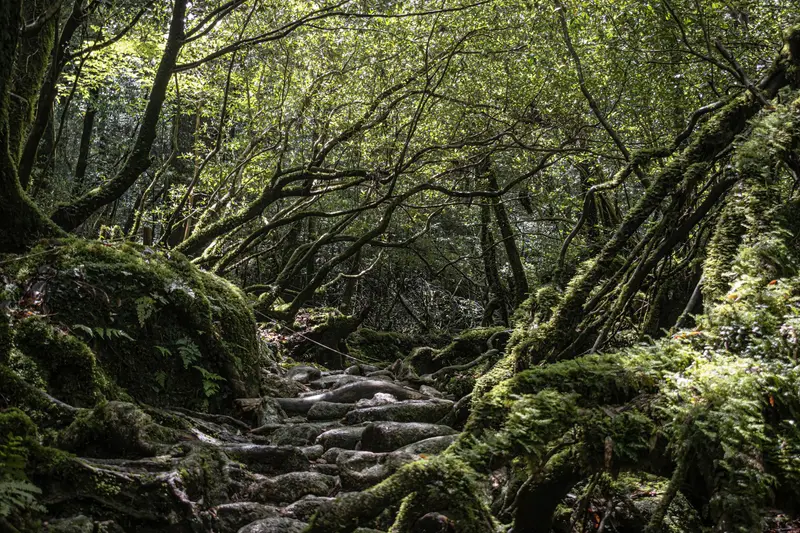
    The round, mountainous island south of Kyūshū is covered in dense, moss-covered rainforest and has been a UNESCO World Natural Heritage site since 1993. Famous are the ancient Yakusugi cedars, the oldest of which are estimated to be several thousand years old.

    Discover
    Beppu

    Place 3 of 4

    Beppu

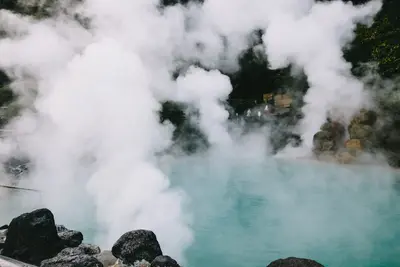
    Beppu, an onsen town on Kyushu, is world-renowned for its diverse hot springs and the culture associated with them. Here you'll find over 2,000 hot springs, divided into eight main areas, each with its own character.

    Discover
    Fukuoka

    Place 4 of 4

    Fukuoka

    Fukuoka, a vibrant port city on Kyushu, blends modern urbanity, rich history, and a relaxed atmosphere, distinguishing it from other Japanese metropolises.

    Discover

    More places in Kyushu

    Kagoshima

    Kagoshima

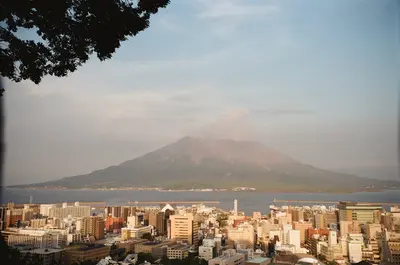
    Kagoshima, located in southern Kyushu, is inextricably linked to the active volcano Sakurajima, which dominates Kinko Bay. Here, you'll experience a unique atmosphere, shaped by a mild, humid climate and the constant presence of volcanic activity. Visit **Sengan-en Garden**, a historic residence featuring traditional landscapes and direct volcano views. A short ferry ride takes you to Sakurajima itself, where you can experience its volcanic nature firsthand and enjoy local Ashi-yu foot baths. In the lively shopping district of Tenmonkan, you'll find numerous restaurants offering local specialties like Kurobuta (black pork) and Kibinago (small round herring). For panoramic views of the city and Sakurajima at sunset, **Shiroyama Park** is highly recommended. The months of April to May and October to November often offer ideal weather for explorations.
    Kumamoto

    Kumamoto

    Kumamoto in Kyushu blends rich history with modern dynamism. Its landmark is the imposing Kumamoto Castle, a significant cultural property whose reconstruction after the 2016 earthquake demonstrates resilience. The picturesque Suizenji Jojuen Garden invites you to relax amidst its miniature landscapes. In the lively shopping streets like Kamitori and Shimotori, you'll discover local life and specialties like Kumamoto Ramen. For an optimal experience, a visit in spring during cherry blossom season or in autumn is recommended.

    Sights in Kyushu

    Discover the most important sights and attractions

    Takachiho Canyon
    Park

    Takachiho Canyon

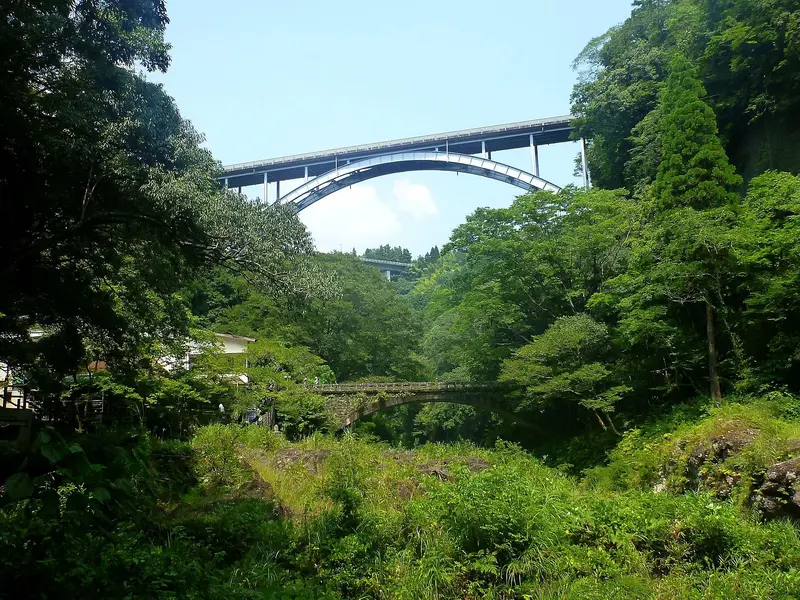
    The Gokase River has carved a gorge up to 100 meters deep through basalt columns in the mountains of northern Miyazaki Prefecture. The Manai Waterfall plunges over the cliff into the green water.A riverside path of about one kilometer runs along the gorge. At the bottom, you can rent a rowboat; in high season, boats are quickly fully booked. Takachiho is known as the setting for Japanese god myths and is about three bus hours from Kumamoto.
    Open in Google Maps
    Dazaifu Tenman-gū
    Place of Worship

    Dazaifu Tenman-gū

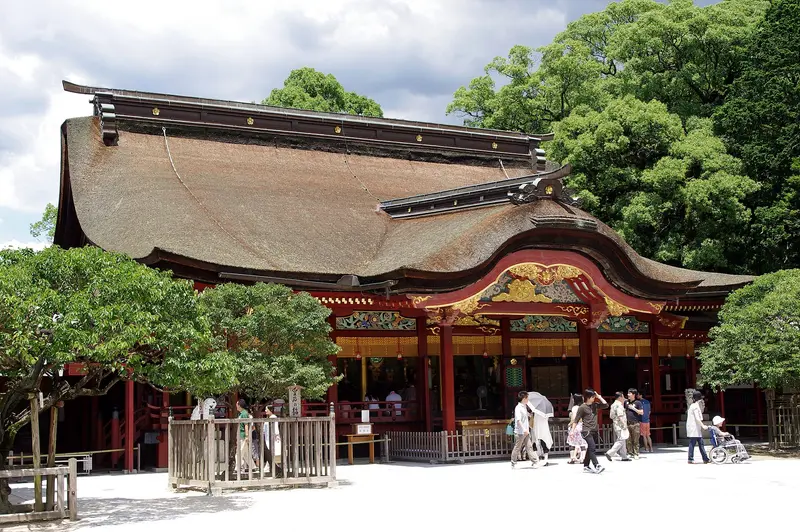
    The shrine in Dazaifu, about 30 minutes by train from Fukuoka, is dedicated to the scholar Sugawara no Michizane, who is revered as the god of learning. Before exams, students from all over Japan come here.The grounds are home to around 6,000 plum trees that bloom in February. Along the approach road, shops sell Umegae-mochi, grilled rice cakes with bean paste filling. The Kyushu National Museum is located very close by.
    Open in Google Maps
    Kirishima-Jingū
    Place of Worship

    Kirishima-Jingū

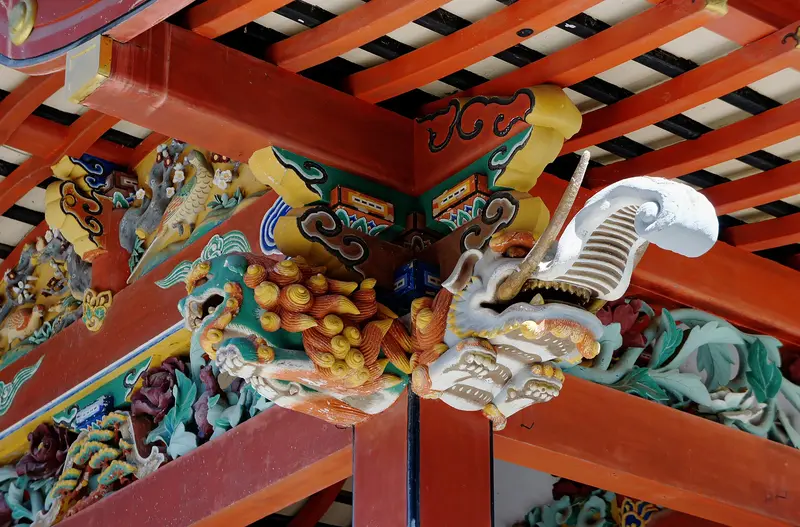
    The shrine is located in a cedar forest at the foot of the Kirishima volcanic mountain range, about an hour's drive northeast of Kagoshima. It is dedicated to Ninigi no Mikoto, who, according to myth, descended from the heavens in this region.The red-lacquered halls from the early 18th century are richly carved and are heritage-listed. Numerous hot springs are found nearby, and hiking trails lead to the volcanic peaks of Kirishima National Park.
    Open in Google Maps
    Aso Volcano and Kusasenri
    Attraction

    Aso Volcano and Kusasenri

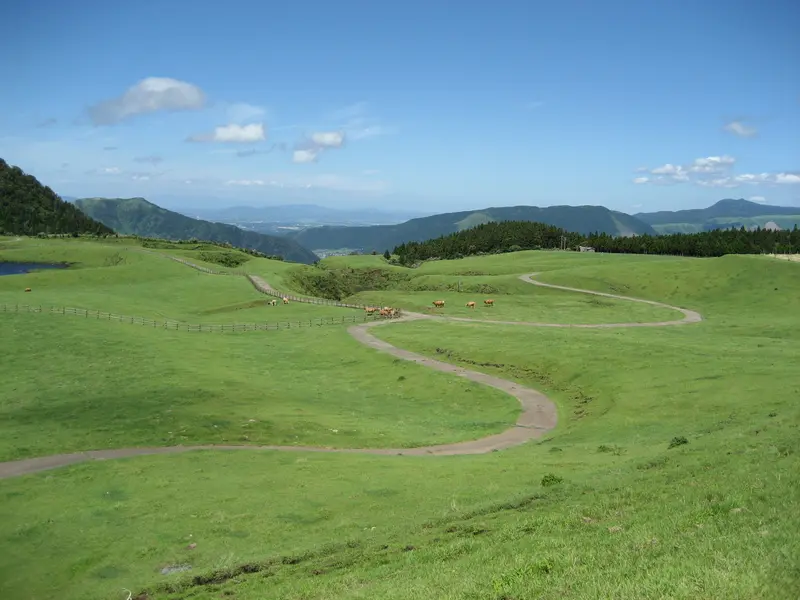
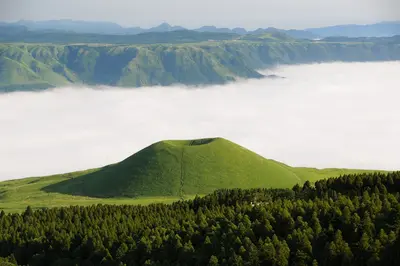
    Aso, in central Kyushu, about an hour east of Kumamoto, boasts one of the world's largest calderas. Within its confines lie villages, rice fields, and pastures. Kusasenri is a grassy plain at the foot of the central peaks, where horses graze and a shallow crater lake lies.The active Nakadake Crater is either accessible or closed depending on the gas concentration and volcanic alert level; check the current status before your visit. The visitor center in Kusasenri provides information on the region's volcanology.
    Open in Google Maps

    Eating & Drinking on Kyūshū

    Hakata-Ramen

    Fukuoka is home to Tonkotsu Ramen: thin, straight noodles in a milky-white broth made from long-cooked pork bones. It's also enjoyed at the city's Yatai, its mobile food stalls.

    Champon and Castella

    Nagasaki's cuisine shows early contact with China and Europe: Champon is a noodle soup with seafood and vegetables, Castella a Portuguese-style sponge cake.

    Basashi

    Raw horse meat, thinly sliced and served with ginger and soy sauce, is Kumamoto's most famous specialty.

    Kurobuta and Shōchū

    Kagoshima is known for the meat of its black pigs, served as Shabu-shabu or Tonkatsu. To accompany it, one drinks Shōchū, here mostly distilled from sweet potatoes.

    Jigoku-mushi

    In Beppu, vegetables, fish, and eggs are steamed in hot springs. In Kannawa, you can place ingredients into the steamers yourself.

    Kyushu's Cultural Heritage and History

    For centuries, Kyushu served as Japan's primary gateway to the world, playing a crucial role in early exchanges with China and Korea. This strategic location significantly shaped its history, from the spread of Buddhism to the introduction of Western technologies. During the period of national isolation (Sakoku), Nagasaki, in particular, functioned as the sole port for trade with the Netherlands and China, fostering a unique cultural blend.The region is rich in historical architecture, including the impressive Kumamoto Castle and numerous temples and shrines, such as the Dazaifu Tenmangu Shrine, which plays an important role in its scientific and cultural history. A distinctive cultural feature of Kyushu is its outstanding ceramic art, especially the internationally renowned Arita-yaki and Imari-yaki from Saga Prefecture, profoundly influencing Japanese craftsmanship.Even though the catastrophe of Nagasaki represents a profound turning point, Kyushu preserves a vibrant festival culture and deeply rooted traditions, ranging from ancient Onsen rituals to the dynamic processions of the Hakata Gion Yamakasa. This blend of global influences and deeply ingrained local customs makes Kyushu's cultural fabric particularly multifaceted and historically significant.

    On the road in Kyūshū

    Getting ThereShinkansen: The Sanyō Shinkansen terminates at Hakata, Fukuoka's main station. From Osaka, you'll be there in about two and a half hours.By Air: Fukuoka Airport is unusually central; the subway takes only a few minutes to Hakata. Kagoshima, Kumamoto, Nagasaki, Ōita, and Miyazaki also have airports with domestic connections.TrainKyūshū Shinkansen: From Hakata, via Kumamoto, to Kagoshima-Chūō, the entire journey takes about an hour and a half.To Nagasaki: Take an express train to Takeo-Onsen, then continue on the Nishi-Kyūshū Shinkansen.East Coast: The Sonic express train connects Hakata with Beppu and Ōita.Bus, Car, and FerryThe long-distance bus network is extensive and often the most direct connection, for instance to Yufuin or across the island. For the Aso Caldera, Takachiho, and the Kirishima Mountains, a rental car is practical, as buses run infrequently there. You can reach Yakushima by speedboat or plane from Kagoshima.

    Round trips through this region

    Kyushu – Volcanoes, Hot Springs and Castles

    Kyushu – Volcanoes, Hot Springs and Castles

    The route begins in Fukuoka, continues to Beppu's east coast hot springs, through the Aso-Caldera to Kumamoto, and ends in Kagoshima opposite Sakurajima. From Fukuoka to Beppu, the Limited Express Sonic takes about two hours; from Beppu to Kumamoto, a long-distance bus via Aso takes a good four hours. The Kyushu-Shinkansen connects Kumamoto and Kagoshima in just under an hour.

    10 Days
    4 stops

    Nearby

    Kumamoto

    Kumamoto

    Kumamoto in Kyushu blends rich history with modern dynamism. Its landmark is the imposing Kumamoto Castle, a significant cultural property whose reconstruction after the 2016 earthquake demonstrates resilience. The picturesque Suizenji Jojuen Garden invites you to relax amidst its miniature landscapes. In the lively shopping streets like Kamitori and Shimotori, you'll discover local life and specialties like Kumamoto Ramen. For an optimal experience, a visit in spring during cherry blossom season or in autumn is recommended.
    Nagasaki

    Nagasaki

    Nagasaki lies on a deeply indented bay in western Kyūshū, with houses climbing steep hillsides. During Japan's isolation, the city was for over two centuries the only gateway to Europe and China – this shapes its churches, cuisine, and cityscape to this day. On August 9, 1945, Nagasaki was destroyed by an atomic bomb; the Peace Park and Atomic Bomb Museum commemorate this.
    Fukuoka

    Fukuoka

    Fukuoka, a vibrant port city on Kyushu, blends modern urbanity, rich history, and a relaxed atmosphere, distinguishing it from other Japanese metropolises. Renowned for its vibrant culinary scene, the city boasts Yatai food stalls along the Naka River in Nakasu, offering local specialties like Hakata Ramen by the water. Historical insights await at the Dazaifu Tenmangu Shrine in nearby Dazaifu, a significant cultural heritage dedicated to scholar Sugawara no Michizane. For relaxation and strolls, the expansive Ohori Park offers a large pond and an adjacent Japanese garden. Canal City Hakata's modern shopping district offers diverse entertainment and architecture. The best time to visit is spring or autumn, leveraging the pleasant climate and smaller crowds for relaxed city exploration.
    Beppu

    Beppu

    Beppu, an onsen town on Kyushu, is world-renowned for its diverse hot springs and the culture associated with them. Here you'll find over 2,000 hot springs, divided into eight main areas, each with its own character. A highlight is the "Jigoku Meguri", a tour of the seven Hells of Beppu, thermal springs unsuitable for bathing, featuring unusual colors and geysers. Particularly famous are the cobalt-blue "Umi Jigoku" (Sea Hell) and the blood-red "Chinoike Jigoku" (Blood Pond Hell). Take the opportunity for a traditional sand bath at Beppu Kaihin Sunayu or try Jigoku Mushi, dishes cooked in the steam of the hot springs. For a comprehensive experience, it's recommended to visit the Jigoku Meguri in the morning to avoid the afternoon crowds. A stroll through the various onsen districts, such as Kannawa, offers insights into local life and the steaming landscapes.
    Kagoshima

    Kagoshima

    Kagoshima, located in southern Kyushu, is inextricably linked to the active volcano Sakurajima, which dominates Kinko Bay. Here, you'll experience a unique atmosphere, shaped by a mild, humid climate and the constant presence of volcanic activity. Visit **Sengan-en Garden**, a historic residence featuring traditional landscapes and direct volcano views. A short ferry ride takes you to Sakurajima itself, where you can experience its volcanic nature firsthand and enjoy local Ashi-yu foot baths. In the lively shopping district of Tenmonkan, you'll find numerous restaurants offering local specialties like Kurobuta (black pork) and Kibinago (small round herring). For panoramic views of the city and Sakurajima at sunset, **Shiroyama Park** is highly recommended. The months of April to May and October to November often offer ideal weather for explorations.

    Sources & method

    • Photos: Wikimedia Commons, Unsplash. Each photo carries its credit.
    • Place data such as addresses and ratings comes from Google Maps.
    • The content is based on web research from public, traceable sources. How the content is made · The role of AI