Fernweh: Home
    ExploreTravel GuidesPlan a tripMy tripLast visited
    de|en
    All Places & RegionsAll highlightsAbout FernwehFAQPrivacy PolicyImprint
    ExploreTravel GuidesPlan a tripMy tripLast visited
    • Neighborhoods & highlights
    • Walking tours
    • Eat & drink
    • Food culture
    • Culture
    • Nightlife
    • Getting around
    • Accommodation
    • Plan trip
    • Nearby
    Kumamoto

    Japan

    Kumamoto

    CityCulture

    Kumamoto in Kyushu blends rich history with modern dynamism. Its landmark is the imposing Kumamoto Castle, a significant cultural property whose reconstruction after the 2016 earthquake demonstrates resilience.

    by Felix Gillen

    1. Home
    2. Destinations
    3. Japan
    4. Kyushu
    5. Kumamoto
    Kumamoto in Kyushu blends rich history with modern dynamism. Its landmark is the imposing Kumamoto Castle, a significant cultural property whose reconstruction after the 2016 earthquake demonstrates resilience. The picturesque Suizenji Jojuen Garden invites you to relax amidst its miniature landscapes. In the lively shopping streets like Kamitori and Shimotori, you'll discover local life and specialties like Kumamoto Ramen. For an optimal experience, a visit in spring during cherry blossom season or in autumn is recommended.

    Sights in Kumamoto

    Discover the most important sights and attractions

    Burg Kumamoto

    1Burg Kumamoto

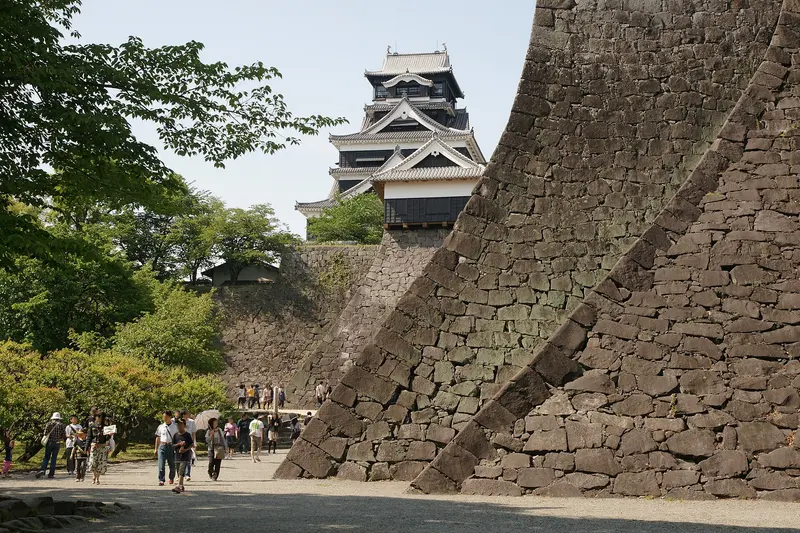
    Kumamoto Castle, built by Katō Kiyomasa in the early 17th century, is one of Japan's most significant castle complexes. Its distinctive stone walls, known as musha-gaeshi, which become progressively steeper towards the top, were designed to prevent attackers from climbing them. The main keep burned down during the 1877 Satsuma Rebellion and was rebuilt in concrete in 1960; the 2016 earthquakes severely damaged the complex.The main keep has been fully accessible again since 2021 and houses a museum dedicated to the castle's history. The restoration of the walls and auxiliary buildings will take many more years, and an elevated walkway leads past the construction sites. Our tip: Before your visit, check the official website to see which areas are currently accessible. For photos, a stroll through Ninomaru Square is worthwhile, especially during cherry blossom season.
    Open in Google Maps
    Suizenji Jojuen Garden

    2Suizenji Jojuen Garden

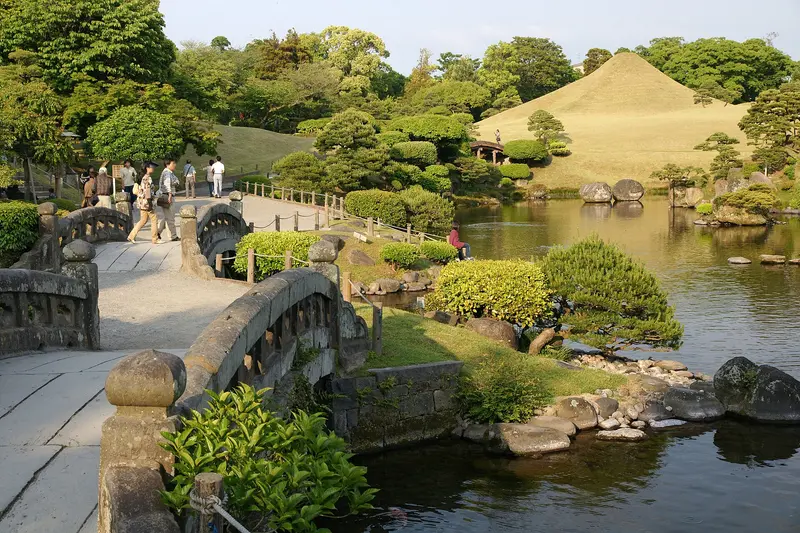
    Der Suizenji Jojuen Garten in Kumamoto ist ein klassisches Beispiel eines japanischen Wandelgartens (Kaiyu-shiki Teien) aus der Edo-Zeit. Er wurde im 17. Jahrhundert von der Hosokawa-Familie, den damaligen Feudalherren der Region, angelegt und sollte die 53 Stationen der historischen Tokaido-Straße nachbilden, die Edo (heutiges Tokio) mit Kyoto verband. Du findest hier detailgetreue Miniaturlandschaften, darunter einen markanten kleinen Berg, der den berühmten Fuji repräsentiert.Der Garten ist bekannt für sein klares Quellwasser, das direkt vom Aso-Vulkan stammt und die Teiche speist, in denen sich prächtige Koi tummeln. Neben der üppigen Vegetation und den sorgfältig platzierten Steinen beherbergt das Gelände auch den Izumi-Schrein und traditionelle Teehäuser, die eine authentische Atmosphäre schaffen. Ein praktischer Tipp: Besuche den Garten am besten früh am Morgen, um die Ruhe und das sanfte Licht für Fotos optimal zu nutzen und den größten Touristenströmen zu entgehen. Verweile in einem der Teehäuser, um die entspannende Umgebung bei einer Schale Matcha zu genießen.
    Open in Google Maps

    3Contemporary Art Museum Kumamoto

    The Contemporary Art Museum Kumamoto (CAMK) opened in October 2002 and is located right in the heart of the Kamitōri shopping district. The reason for its establishment was the donation of the works of painter Nobumichi Ide to the city. The collection comprises contemporary art from Kumamoto and by international artists.Changing special exhibitions address current art themes, and some areas and installations are freely accessible. Our tip: A weekday visit is quieter and can be easily combined with a stroll through the shopping streets.
    Open in Google Maps

    4Statue of Kato Kiyomasa

    The Statue of Katō Kiyomasa honors the Daimyō who had Kumamoto Castle built in the early 17th century and significantly shaped the city. The bronze figure shows him seated in armor with his distinctive tall helmet, commanding his troops from a field camp.It stands at the southern end of Gyōkō Bridge at the ascent to the castle, near the Hanabatake-chō tram stop and the Sakuramachi bus terminal. A visit can easily be combined with a tour of the castle grounds; it's still quiet here in the mornings.
    Open in Google Maps

    City walks in Kumamoto

    Curated walking tours through the city's highlights, handpicked by experienced travel journalists.

    Kumamoto: A Journey Between Samurai Spirit and Modern Flair

    Discover Kumamoto on a relaxed walk through its fascinating history and lively present. From the majestic castle to the busy shopping streets, experience the city's highlights in about 2 hours and 20 minutes. Immerse yourself in samurai culture and modern Japanese city life.

    ~2 Std. 20 Min.
    Open in Google Maps
    Stops (6)

    Restaurants in Kumamoto

    1

    Soshoku Tsune

    Restaurant in 6-4 Minamitsuboimachi.
    Show on Google Maps
    2

    Sri Lanka Kumamoto 2nd

    Restaurant in Japan.
    Show on Google Maps
    3

    JANG JANG GO

    Restaurant in 13-10 Hanabatachō.
    Show on Google Maps

    Food & Drink in Kumamoto

    In Kumamoto erwartet dich eine vielfältige Gastronomieszene, die von lokalen Spezialitäten bis zu internationalen Einflüssen reicht. Probiere unbedingt das berühmte Basashi oder die herzhafte Kumamoto Ramen, die du in vielen Lokalen der Innenstadt findest. Für einzigartige Geschmackserlebnisse lohnt sich auch ein Besuch im Soshoku Tsune oder スリランカくまもと2nd.

    Basashi

    Raw horse meat, thinly sliced and served with ginger, garlic and sweetish soy sauce, is the city's most famous specialty.

    Karashi Renkon

    Lotus root, its cavities filled with a spicy mustard-miso paste, then battered and fried. Sliced, it is eaten as a side dish or with Shōchū.

    Kumamoto Ramen

    A Tonkotsu broth, milder than in Fukuoka, and refined with roasted garlic oil and garlic chips. The noodles are slightly thicker.

    Akaushi

    The reddish-brown cattle from Aso region's pastures has lean, robustly flavored meat. It's typically served as steak or over rice.

    Kumamoto's Cultural Heritage

    Kumamoto, deeply rooted in Japan's feudal history, is a city that has consistently preserved its cultural identity. Its origins are closely linked to the construction of Kumamoto Castle in the early 17th century by the prominent daimyō Katō Kiyomasa, a key figure of the Sengoku period. The castle served as a strategic center and stands as a testament to the military architecture of that era.Kumamoto's architecture is inextricably linked to the castle, which, despite its destruction during the Satsuma Rebellion in 1877 and subsequent earthquake damage, remains a masterpiece of defensive architecture to this day, with its characteristic curved stone walls and multi-tiered roofs. Beyond the castle, the city also features examples of traditional Japanese garden art, such as Suizenji Jōju-en, which incorporates elements of a typical 17th-century Momoyama garden.Local traditions reflect Kumamoto's rich heritage. This includes Higo Zogan, a damascene art that originated in the Edo period and was originally used to adorn samurai swords. Ancient crafts dating back to the Kofun period, such as pottery making, also shape the region's cultural profile. These elements offer insight into Kumamoto's deep historical and artistic soul.

    Nightlife

    In Kumamoto, you'll find diverse evening entertainment, primarily centered around the city center and the area south of JR Station. From traditional Izakayas to modern bars like Bar Hirata or CLUB A - 1 Kumamototen, the city offers options for every taste.
    1

    Pas a Pas (Ogi Building)

    Bar in 12 Hanabatacho.
    Show on Google Maps
    2

    Hasta luego

    Bar in Japan.
    Show on Google Maps
    3

    Amoshi

    Bar in Japan.
    Show on Google Maps
    4

    CLUB A - 1 Kumamototen

    Japan, 〒860-0806 Kumamoto, Chuo Ward, Hanabatachō, 13−3 7F
    Show on Google Maps
    5

    Tenshin Ranman

    Bar in 13-24 Hanabatachō.
    Show on Google Maps
    6

    Bar Hirata

    Bar in 1-chōme-5-23 Shimotōri.
    Show on Google Maps
    7

    Winds

    Bar in 1-3 Shinshigai.
    Show on Google Maps
    8

    Dobin

    2-chōme-1-1 Hotakubo, Higashi Ward, Kumamoto, 862-0926, Japan
    Show on Google Maps
    9

    TEA & COCKTAIL LOUNGE “FOUNTAIN”

    Bar in 2-1 Kamitōrichō.
    Show on Google Maps
    10

    Menber's You

    Bar in 1-chōme-9-21 Shimotōri.
    Show on Google Maps

    Local explorations

    While Kumamoto doesn't have a subway, it boasts a well-developed **tram network** (Kumamoto City Tram) that conveniently connects major attractions like Kumamoto Castle and Suizenji Garden. This is complemented by an extensive bus system that also serves more remote areas. Regarding payment, Kumamoto is undergoing changes: several operators have discontinued nationwide IC cards like Suica and are now focusing on contactless payments via credit card or QR code. Check locally which payment methods are accepted; for many tram rides, a day pass is worthwhile.The city center is also **very pedestrian-friendly**, ideal for exploring the shopping arcades and the castle. For active travelers, bicycle rentals are available, offering a flexible way to explore the city, especially along the Shirakawa River. Taxis are readily available, especially at stations, and a convenient option for longer distances or in the evening. It's best to plan your routes with a navigation app to make optimal use of public transport.

    Accommodations in Kumamoto

    Find perfect stay in Kumamoto

    Booking.com* (Affiliate link)
    Search Hotels
    Agoda* (Affiliate link)
    Search Hotels
    Airbnb
    Vacation Rentals

    * Affiliate link: if you book through it, we earn a small commission. The price stays the same for you.

    Plan your trip to Kumamoto

    Save places, build a route and plan your city trip, all in one place.

    1. 1
      Sunrise over alpine peaks and a sea of clouds
      1234

      Round trip

      12 days · 4 stops

      Saved

      Pick a route

      Pick a ready-made one or save places and plan your own.

      Open bookmarks
    2. 2

      Trip to Kumamoto

      Live
      • 1Burg Kumamoto3 days
      • 2Suizenji Jojuen Garden4 days
      • 3Contemporary Art Museum Kumamoto5 days
      Budget

      Plan your trip

      The planner sorts stops, days and budget. Plan together in real time.

      Start trip planning
    3. 3
      9:41 No signal
      Kumamoto
      Available offline

      Use it on the road

      Download the guide to your phone and use it on site, even offline.

    Nearby

    Kyushu

    Kyushu

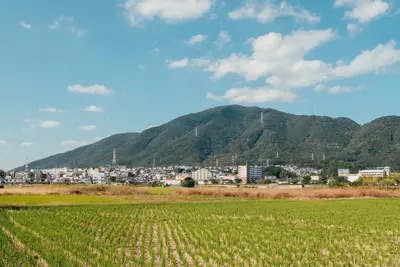
    Kyushu, the southernmost of Japan's four main islands, charms you with a captivating blend of seething volcanoes, healing hot springs, and a deeply rooted culture. You'll find a landscape of dramatic natural beauty, from lush mountains to subtropical coasts, paired with excellent regional cuisine that pampers both palate and soul.
    Nagasaki

    Nagasaki

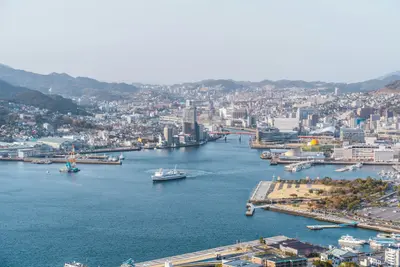
    Nagasaki lies on a deeply indented bay in western Kyūshū, with houses climbing steep hillsides. During Japan's isolation, the city was for over two centuries the only gateway to Europe and China – this shapes its churches, cuisine, and cityscape to this day. On August 9, 1945, Nagasaki was destroyed by an atomic bomb; the Peace Park and Atomic Bomb Museum commemorate this.
    Fukuoka

    Fukuoka

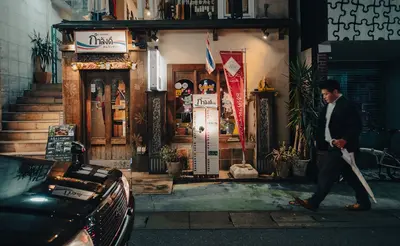
    Fukuoka, a vibrant port city on Kyushu, blends modern urbanity, rich history, and a relaxed atmosphere, distinguishing it from other Japanese metropolises. Renowned for its vibrant culinary scene, the city boasts Yatai food stalls along the Naka River in Nakasu, offering local specialties like Hakata Ramen by the water. Historical insights await at the Dazaifu Tenmangu Shrine in nearby Dazaifu, a significant cultural heritage dedicated to scholar Sugawara no Michizane. For relaxation and strolls, the expansive Ohori Park offers a large pond and an adjacent Japanese garden. Canal City Hakata's modern shopping district offers diverse entertainment and architecture. The best time to visit is spring or autumn, leveraging the pleasant climate and smaller crowds for relaxed city exploration.
    Beppu

    Beppu

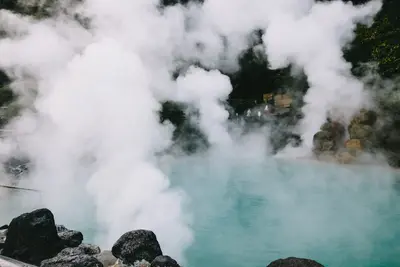
    Beppu, an onsen town on Kyushu, is world-renowned for its diverse hot springs and the culture associated with them. Here you'll find over 2,000 hot springs, divided into eight main areas, each with its own character. A highlight is the "Jigoku Meguri", a tour of the seven Hells of Beppu, thermal springs unsuitable for bathing, featuring unusual colors and geysers. Particularly famous are the cobalt-blue "Umi Jigoku" (Sea Hell) and the blood-red "Chinoike Jigoku" (Blood Pond Hell). Take the opportunity for a traditional sand bath at Beppu Kaihin Sunayu or try Jigoku Mushi, dishes cooked in the steam of the hot springs. For a comprehensive experience, it's recommended to visit the Jigoku Meguri in the morning to avoid the afternoon crowds. A stroll through the various onsen districts, such as Kannawa, offers insights into local life and the steaming landscapes.
    Kagoshima

    Kagoshima

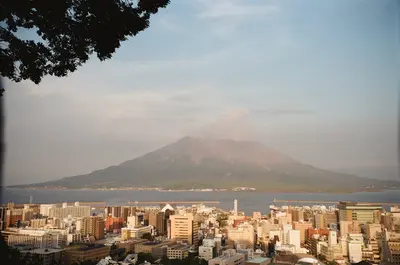
    Kagoshima, located in southern Kyushu, is inextricably linked to the active volcano Sakurajima, which dominates Kinko Bay. Here, you'll experience a unique atmosphere, shaped by a mild, humid climate and the constant presence of volcanic activity. Visit **Sengan-en Garden**, a historic residence featuring traditional landscapes and direct volcano views. A short ferry ride takes you to Sakurajima itself, where you can experience its volcanic nature firsthand and enjoy local Ashi-yu foot baths. In the lively shopping district of Tenmonkan, you'll find numerous restaurants offering local specialties like Kurobuta (black pork) and Kibinago (small round herring). For panoramic views of the city and Sakurajima at sunset, **Shiroyama Park** is highly recommended. The months of April to May and October to November often offer ideal weather for explorations.

    Sources & method

    • Photos: Wikimedia Commons, Unsplash. Each photo carries its credit.
    • Place data such as addresses and ratings comes from Google Maps.
    • The content is based on web research from public, traceable sources. How the content is made · The role of AI