Fernweh: Home
    ExploreTravel GuidesPlan a tripMy tripLast visited
    de|en
    All Places & RegionsAll highlightsAbout FernwehFAQPrivacy PolicyImprint
    ExploreTravel GuidesPlan a tripMy tripLast visited
    • Neighborhoods & highlights
    • Eat & drink
    • Food culture
    • Culture
    • Getting around
    • Accommodation
    • Plan trip
    • Nearby
    Kerama-Inseln

    Japan

    Kerama-Inseln

    City

    The Kerama Islands in Okinawa are known for their “Kerama Blue” sea and intact coral reefs. As a national park (since 2014), they attract divers and snorkelers with an exceptional underwater world.

    by Felix Gillen

    1. Home
    2. Destinations
    3. Japan
    4. Okinawa
    5. Kerama-Inseln
    The Kerama Islands in Okinawa are known for their “Kerama Blue” sea and intact coral reefs. As a national park (since 2014), they attract divers and snorkelers with an exceptional underwater world. The main islands Tokashiki and Zamami, reachable by ferry from Naha, offer picturesque beaches such as Aharen Beach. Between January and March you can watch humpback whales during their breeding season; May to October offers the best swimming weather. Be sure to book ferry tickets and accommodation in advance in high season.

    Sights in Kerama-Inseln

    Discover the most important sights and attractions

    1Gahi Beach

    Der Gahi Beach auf den Kerama-Inseln in Japan ist ein herausragendes Beispiel für die unberührte Natur des Kerama Shoto Nationalparks. Du findest hier feinen, weißen Sand und außergewöhnlich klares, türkisfarbenes Wasser, das zum Schwimmen und Schnorcheln einlädt. Die Unterwasserwelt ist besonders artenreich, mit lebhaften Korallenriffen und einer Fülle tropischer Fische, oft auch Meeresschildkröten. Der Strand ist weniger frequentiert als andere, größere Strände der Region, was eine ruhigere Atmosphäre garantiert. Unser Tipp: Besuche Gahi Beach am Vormittag, um die beste Sicht unter Wasser zu haben und die Ruhe vor dem eventuellen Mittagsansturm zu genießen. Ein Bootstransfer von den Hauptinseln der Keramas ist in der Regel erforderlich, was die Exklusivität des Ortes noch unterstreicht.

    Open in Google Maps

    2Aka-Ohashi Bridge

    Die Aka Ōhashi, oft als Aka Large Bridge bekannt, ist eine entscheidende Infrastruktur innerhalb der Kerama-Inseln und verbindet die Inseln Aka-jima und Geruma-jima über das azurblaue Wasser. Diese moderne Brückenkonstruktion ermöglicht dir eine bequeme Überquerung und hat die Reisezeiten zwischen den Inseln erheblich verkürzt, was die lokale Mobilität und den Tourismus gefördert hat. Von der Brücke aus genießt du einen weiten Panoramablick auf das umliegende Meer und die kleineren, unbewohnten Inseln, die Teil des Kerama Shoto Nationalparks sind. Obwohl sie ein funktionales Bauwerk ist, ist ihre malerische Lage ein beliebtes Motiv für Fotografen, besonders während des Sonnenuntergangs, wenn das Licht die Wasseroberfläche in vielfältigen Farben schimmern lässt. Unser Tipp: Miete ein Fahrrad auf Aka-jima und überquere die Brücke, um die frische Meeresbrise und die atemberaubende Aussicht voll auszukosten. Für ungestörte Fotos und eine ruhigere Atmosphäre empfiehlt sich ein Besuch in den frühen Morgenstunden.
    Open in Google Maps

    3Amuro Ohama

    The beach of Amuro Ōhama is located on the uninhabited small island of Amuro-jima between Zamami and Aka, in the Kerama-Shotō National Park. Fine white sand and very clear water make it a good spot for swimming and snorkeling; corals with tropical fish lie off the coast.The beach is only accessible via boat transfer, organized by providers on Zamami. Our tip: There are no facilities on the island – bring sun protection, water, and provisions, and reliably arrange your return trip.
    Open in Google Maps

    Restaurants in Kerama-Inseln

    38 Miyahira - Dining & Stay

    Restaurant in 154-1 Ama.
    Show on Google Maps

    Aka Island Cafe and Food guu guu

    Café in 53 Aka.
    Show on Google Maps
    1

    Zamami Fisheries Cooperative, Aka Branch

    Restaurant in 60-4 Aka.
    Show on Google Maps
    2

    Parlor Hibiki (Eatery)

    Restaurant in 26 Aka.
    Show on Google Maps

    Food & Drink on the Kerama Islands

    The cuisine on the Kerama Islands focuses on fresh seafood and local Okinawan specialties. Many small eateries on Zamami and Aka offer authentic dishes, for example at Aka Island Cafe and Food guu guu, where you can enjoy regional ingredients.

    Small selection, fixed times

    Zamami, Aka, and Tokashiki offer few eateries with limited hours. Dinner is best booked with your lodging; during high season, lunch booking is also wise.

    Island Food

    The menus feature Okinawan classics: Okinawa Soba, Gōyā Chanpurū, and Taco Rice, plus fish brought in by boats each morning.

    Mozuku

    The delicate, slightly slippery brown algae is cultivated in Okinawa and dressed with vinegar or served as Tempura.

    Cash and Provisions

    Many local eateries and shops only accept cash, and the small supermarkets close early. It's best to bring snacks and drinks for your beach day from Naha.

    Kerama Islands' Cultural Heritage

    The Kerama Islands are deeply rooted in the history of the former Ryukyu Kingdom. Once important trading posts between mainland Japan, Okinawa, and other Asian regions, maritime exchange shaped their development over centuries. A crucial, yet tragic, epoch was the Battle of Okinawa during World War II, which also heavily impacted the Kerama Islands, leaving visible traces to this day.Traditional architecture on the islands reflects the necessity of withstanding annual typhoons. Characteristic are houses with robust stone walls, serving as windbreaks, and tiled roofs, often in vibrant red. This construction style is a testament to local craftsmanship and adaptation to nature.Culturally, the Kerama Islands preserve many distinct features of Ryukyu culture, which differs significantly from that of mainland Japan. These include traditional music featuring the stringed instrument Sanshin, unique dances, and festivals often relating to the sea and ancestral spirits. Local customs and a deeply rooted awareness of island identity shape daily life and the cultural distinctiveness of this island group.

    Getting Around Here

    Getting around the idyllic Kerama Islands is fundamentally different from Japan's urban infrastructure. Metro, subway, or tram are nowhere to be found here; instead, private transport and ferry connections define the mode of travel between the islands and to individual destinations.Within the small island communities like Zamami or Tokashiki, distances are manageable, so you can easily explore them on foot. For longer distances to secluded beaches or viewpoints, it's advisable to rent bicycles or e-bikes, which are available at many accommodations or local rental stations and ease the hilly terrain.There are a few local taxis, but they often need to be booked in advance and are primarily used for transfers between the port and accommodation; ride-sharing services are practically non-existent here. Many hotels and guesthouses also offer shuttle services. The most important transport between the islands is the ferry or local speedboats, connecting the main islands and bringing travelers from Naha (Okinawa).

    Accommodations in Kerama-Inseln

    Find perfect stay in Kerama-Inseln

    Booking.com* (Affiliate link)
    Search Hotels
    Agoda* (Affiliate link)
    Search Hotels
    Airbnb
    Vacation Rentals

    * Affiliate link: if you book through it, we earn a small commission. The price stays the same for you.

    Plan your trip to Kerama-Inseln

    Save places, build a route and plan your city trip, all in one place.

    1. 1
      Sunrise over alpine peaks and a sea of clouds
      1234

      Round trip

      12 days · 4 stops

      Saved

      Pick a route

      Pick a ready-made one or save places and plan your own.

      Open bookmarks
    2. 2

      Trip to Kerama-Inseln

      Live
      • 1Gahi Beach3 days
      • 2Aka-Ohashi Bridge4 days
      • 3Amuro Ohama5 days
      Budget

      Plan your trip

      The planner sorts stops, days and budget. Plan together in real time.

      Start trip planning
    3. 3
      9:41 No signal
      Kerama-Inseln
      Available offline

      Use it on the road

      Download the guide to your phone and use it on site, even offline.

    Nearby

    Naha

    Naha, the capital of Okinawa, offers a fascinating mix of Japanese and unique Ryukyu culture. You discover a lively city atmosphere that stands apart from the relaxed island mentality. Shuri-jō, once the residence of the Ryukyu Kingdom and a UNESCO World Heritage Site, is a central historical highlight. The busy shopping street Kokusai-dori and the authentic Makishi Public Market invite you to explore local products. In the traditional Tsuboya Yachimun Street district you will also find handmade ceramics. For exploring the city, spring or autumn is recommended, to enjoy pleasant temperatures. Be sure to try the local cuisine, such as Okinawan soba or goya champuru, which reflects Naha's culinary independence.
    Okinawa

    Okinawa

    Okinawa, a subtropical island prefecture of Japan, welcomes you with a unique mix of Ryukyu culture, unspoiled beaches and a turbulent history. Here you will find turquoise water and lush greenery, ideal for relaxation and exploring.

    Miyako-jima

    Miyako-jima, an island in Okinawa Prefecture, captivates with its untouched coral reefs and characteristic turquoise waters. Here you'll find some of Japan's most famous beaches, including the expansive Yonaha Maehama Beach, renowned for its fine sand, and the picturesque Sunayama Beach. The island is best explored by rental car, with drives over bridges like the Irabu Ohashi Bridge leading to spectacular coastal panoramas. The rich underwater world offers excellent conditions for snorkeling and diving, while the local cuisine delights palates with fresh seafood and Miyako Soba. Miyako-jima also preserves elements of the unique Ryukyu culture. For a relaxed stay, travel in spring or autumn is recommended to avoid the highest temperatures and typhoon season.

    Ishigaki-jima

    Ishigaki-jima, the main gateway to the Yaeyama Islands, captivates with its subtropical nature and relaxed atmosphere. Here you'll find fine sandy beaches and clear waters, ideal for snorkeling and diving. The famous Kabira Bay offers picturesque views and glass-bottom boat tours. For panoramic views of the coast, visit the Tamatorizaki Observation Deck. In Ishigaki City, the island's center, you'll also discover local markets and restaurants serving unique Ryukyu cuisine. A rental car for island exploration and a travel period between March and May or September and November are recommended to avoid typhoon season.
    Jinguashi

    Jinguashi

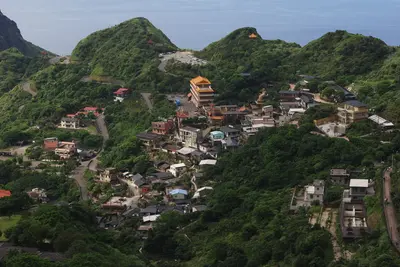
    Jinguashi, a short bus ride from Jiufen, was, like its neighbor, a center of gold mining. The Gold Museum recounts the history of gold extraction and the miners' lives; during World War II, it also served as a prisoner-of-war camp. Buses 788, 825, 856, 1062, and 965 travel here.

    Sources & method

    • Place data such as addresses and ratings comes from Google Maps.
    • The content is based on web research from public, traceable sources. How the content is made · The role of AI