Fernweh: Home
    ExploreTravel GuidesPlan a tripMy tripLast visited
    de|en
    All Places & RegionsAll highlightsAbout FernwehFAQPrivacy PolicyImprint
    ExploreTravel GuidesPlan a tripMy tripLast visited
    • Neighborhoods & highlights
    • Eat & drink
    • Food culture
    • Culture
    • Getting around
    • Accommodation
    • Plan trip
    • Nearby
    Miyako-jima

    Japan

    Miyako-jima

    City

    Miyako-jima, an island in Okinawa Prefecture, captivates with its untouched coral reefs and characteristic turquoise waters.

    by Felix Gillen

    1. Home
    2. Destinations
    3. Japan
    4. Okinawa
    5. Miyako-jima
    Miyako-jima, an island in Okinawa Prefecture, captivates with its untouched coral reefs and characteristic turquoise waters. Here you'll find some of Japan's most famous beaches, including the expansive Yonaha Maehama Beach, renowned for its fine sand, and the picturesque Sunayama Beach. The island is best explored by rental car, with drives over bridges like the Irabu Ohashi Bridge leading to spectacular coastal panoramas. The rich underwater world offers excellent conditions for snorkeling and diving, while the local cuisine delights palates with fresh seafood and Miyako Soba. Miyako-jima also preserves elements of the unique Ryukyu culture. For a relaxed stay, travel in spring or autumn is recommended to avoid the highest temperatures and typhoon season.

    Sights in Miyako-jima

    Discover the most important sights and attractions

    1Sunflower Field (Himawari-batake)

    The Sunflower Field (Himawari-batake) on Miyako-jima is a seasonal photo opportunity. When the sunflowers bloom in early summer, the area transforms into a sea of yellow blossoms, attracting locals and travelers alike. Bloom times and field locations can vary from year to year; therefore, inquire locally to confirm if anything is currently in bloom.Our Tip: Visit the field in the early morning or late afternoon. The light is softer for photos then, and you'll avoid the midday heat. Bring sun protection and only enter the fields where paths are laid out.
    Open in Google Maps

    2Mamoru-kun (Police figures)

    Miyakojima Mamoru-kun is a family of police officer figures that stand on roads throughout Miyako-jima and its neighboring islands, urging caution in traffic. The regional traffic safety association installed the first five figures in 1996, and now there are about twenty. Each has a slightly different face and its own name; Marukochan is the only female officer, and Itaru-kun is located at the airport.The figures have become a popular photo opportunity on the island, and souvenirs featuring their likeness can be found in many shops. Our tip: During your drives around the island, keep an eye out for the various Mamoru-kun – and be sure to observe the speed limits they remind you of.
    Open in Google Maps
    Cape Higashi-hennazaki
    Attraction

    3Cape Higashi-hennazaki

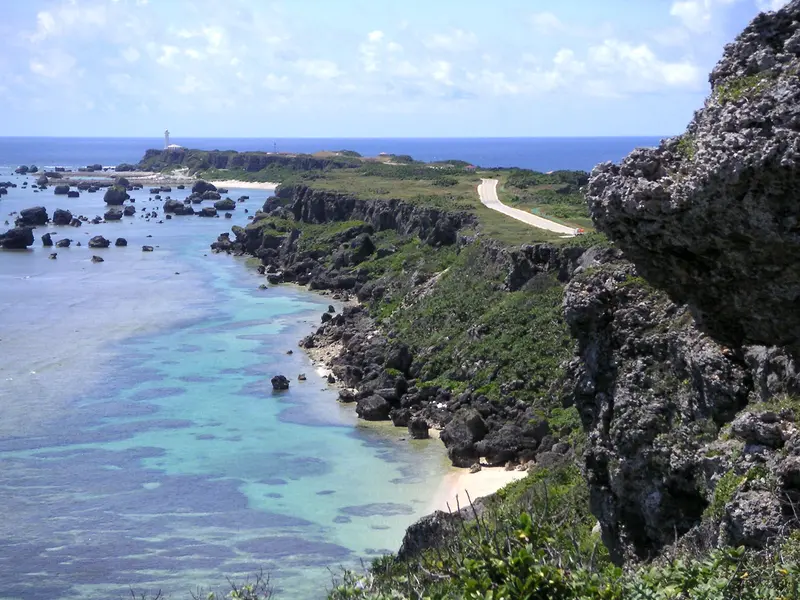
    The narrow peninsula at the southeast end of Miyako-jima extends about two kilometers into the sea. At its tip stands a lighthouse that you can climb; from the top, you'll see the East China Sea on one side, and the Pacific on the other.The peninsula is one of the island's most famous viewpoints. In windy conditions, it's often stormy there, and shade is scarce.
    Open in Google Maps
    Irabu Bridge
    Attraction

    4Irabu Bridge

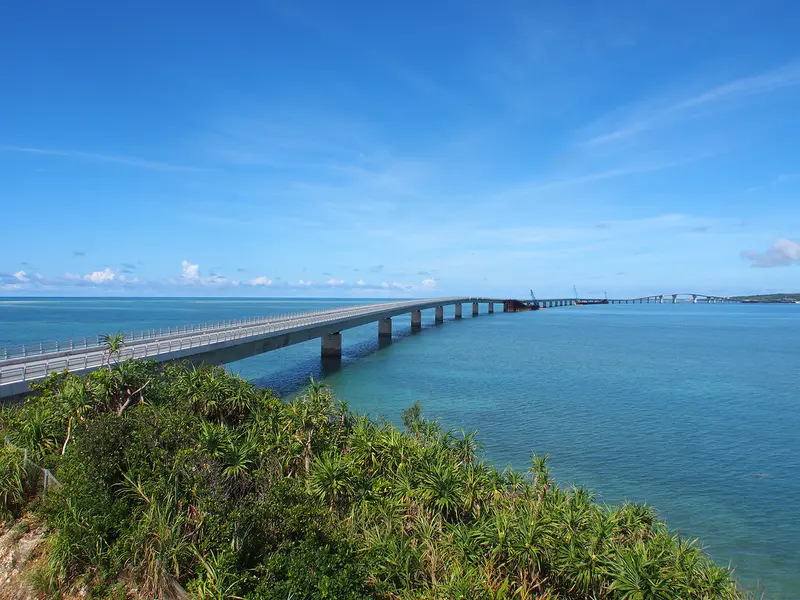
    The Irabu Bridge, opened in 2015, connects Miyako-jima with the neighboring island Irabu-jima. At about 3.5 kilometers, it's Japan's longest toll-free bridge, arcing gently over turquoise waters.On Irabu and the adjacent island of Shimoji, you'll find swimming spots like Sawada Bay and Tōri-ike. Crossing by car or bicycle is free.
    Open in Google Maps
    Yonaha-Maehama Beach
    Attraction

    5Yonaha-Maehama Beach

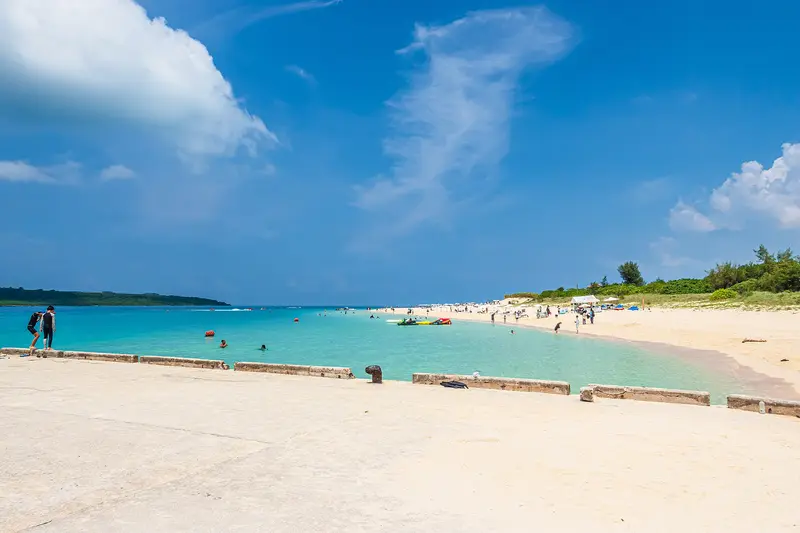
    The approximately seven-kilometer-long sandy beach on Miyako-jima's southwest coast is considered one of Japan's most beautiful beaches. Fine white sand slopes gently into clear waters; opposite lies the small island of Kurima, accessible via a bridge.The beach offers showers and rentals for watersports equipment. In the late afternoon, the light is most beautiful.
    Open in Google Maps

    Restaurants in Miyako-jima

    1

    Napas Miyakojima

    Restaurant in Kawamitsu-239 Shimoji.
    Show on Google Maps
    2

    Shima Shokudo Wakumiya

    Restaurant in Kawamitsu-126 Shimoji.
    Show on Google Maps
    3

    Little Mermaid (Miyakojima Branch)

    Bakery in Shimozato-2511ー43 Hirara.
    Show on Google Maps
    4

    Sakimi Bento

    Restaurant in Shimozato-2208-1 Hirara.
    Show on Google Maps

    Tentomushi

    Restaurant in Kawamitsu Shimoji.
    Show on Google Maps

    Food & Drink on Miyako-jima

    The gastronomy on Miyako-jima offers you a blend of fresh seafood and local Okinawan cuisine. Discover specialties like Miyako Soba in traditional eateries like しま食堂 湧泉家 or enjoy modern interpretations in restaurants like Napas Miyakojima.

    Miyako-Soba

    Flat wheat noodles in clear broth with pork and bonito. Traditionally, meat and fish cakes are hidden beneath the noodles.

    Mango

    Miyako is one of Japan's most important mango-growing regions. The main season is in July; then the fruits are available fresh, as juice, and on Shaved Ice.

    Yukishio

    The "Snow Salt" is obtained from seawater filtered through the island's coral limestone and is as fine as powder. The Salt Museum offers soft-serve ice cream with salt for sprinkling.

    Awamori and Otōri

    Otōri is an island drinking ritual: Each takes a turn giving a brief speech and pouring Awamori for all from the same glass. As a guest, you may opt out anytime.

    Culture, Art & History of Miyakojima

    Miyako-jima boasts a deeply rooted history and unique cultural expressions, strongly influenced by its Ryūkyū heritage. As part of the former Ryūkyū Kingdom, the island developed its own traditions, customs, and distinctive art, which stand apart from mainland Japan. Historic sites and local festivals tell tales of formative eras and the resilience of its inhabitants.The island was part of the Ryūkyū Kingdom, which paid tribute to China and came under the control of Japan's Satsuma Domain from the 17th century onwards. These eras shaped a hybrid culture, reflected in local customs and distinctive architecture. Traditional houses are often surrounded by coral stone walls for protection against typhoons, and roofs were traditionally covered with red tiles.Cultural highlights include the Paantu Festival, an ancient ritual in the Shimajiri district where masked figures smear mud on people and houses to ward off evil spirits and bring good health. This festival is a living testament to Miyako-jima's animistic roots. Another important cultural asset is Miyako-Jōfu, an elaborately hand-woven textile made from ramie fibers, recognized as a significant intangible cultural heritage of Japan.

    Out and About Locally

    Getting around Miyako-jima island differs significantly from Japan's major cities, as there are no subways or trams. While public bus services exist, they run infrequently and don't cover all attractions, so you should check schedules in advance.For a full exploration of the island, a rental car is the most flexible option; clarify well before your trip which driver's license documents are recognized in Japan. Alternatively, bicycles or e-bikes are suitable for leisurely exploring the flat coastal roads and the bridges connecting Miyako-jima with its neighboring islands. Taxis are available but can be costly for longer journeys, while ride-sharing services play hardly any role.Smaller towns can be easily explored on foot, but the distances between attractions are too great for extensive walks. Therefore, plan your mobility carefully.

    Accommodations in Miyako-jima

    Find perfect stay in Miyako-jima

    Booking.com* (Affiliate link)
    Search Hotels
    Agoda* (Affiliate link)
    Search Hotels
    Airbnb
    Vacation Rentals

    * Affiliate link: if you book through it, we earn a small commission. The price stays the same for you.

    Plan your trip to Miyako-jima

    Save places, build a route and plan your city trip, all in one place.

    1. 1
      Sunrise over alpine peaks and a sea of clouds
      1234

      Round trip

      12 days · 4 stops

      Saved

      Pick a route

      Pick a ready-made one or save places and plan your own.

      Open bookmarks
    2. 2

      Trip to Miyako-jima

      Live
      • 1Sunflower Field (Himawari-batake)3 days
      • 2Mamoru-kun (Police figures)4 days
      • 3Cape Higashi-hennazaki5 days
      Budget

      Plan your trip

      The planner sorts stops, days and budget. Plan together in real time.

      Start trip planning
    3. 3
      9:41 No signal
      Miyako-jima
      Available offline

      Use it on the road

      Download the guide to your phone and use it on site, even offline.

    Nearby

    Ishigaki-jima

    Ishigaki-jima, the main gateway to the Yaeyama Islands, captivates with its subtropical nature and relaxed atmosphere. Here you'll find fine sandy beaches and clear waters, ideal for snorkeling and diving. The famous Kabira Bay offers picturesque views and glass-bottom boat tours. For panoramic views of the coast, visit the Tamatorizaki Observation Deck. In Ishigaki City, the island's center, you'll also discover local markets and restaurants serving unique Ryukyu cuisine. A rental car for island exploration and a travel period between March and May or September and November are recommended to avoid typhoon season.

    Kerama-Inseln

    The Kerama Islands in Okinawa are known for their “Kerama Blue” sea and intact coral reefs. As a national park (since 2014), they attract divers and snorkelers with an exceptional underwater world. The main islands Tokashiki and Zamami, reachable by ferry from Naha, offer picturesque beaches such as Aharen Beach. Between January and March you can watch humpback whales during their breeding season; May to October offers the best swimming weather. Be sure to book ferry tickets and accommodation in advance in high season.

    Naha

    Naha, the capital of Okinawa, offers a fascinating mix of Japanese and unique Ryukyu culture. You discover a lively city atmosphere that stands apart from the relaxed island mentality. Shuri-jō, once the residence of the Ryukyu Kingdom and a UNESCO World Heritage Site, is a central historical highlight. The busy shopping street Kokusai-dori and the authentic Makishi Public Market invite you to explore local products. In the traditional Tsuboya Yachimun Street district you will also find handmade ceramics. For exploring the city, spring or autumn is recommended, to enjoy pleasant temperatures. Be sure to try the local cuisine, such as Okinawan soba or goya champuru, which reflects Naha's culinary independence.
    Okinawa

    Okinawa

    Okinawa, a subtropical island prefecture of Japan, welcomes you with a unique mix of Ryukyu culture, unspoiled beaches and a turbulent history. Here you will find turquoise water and lush greenery, ideal for relaxation and exploring.
    Jinguashi

    Jinguashi

    Jinguashi, a short bus ride from Jiufen, was, like its neighbor, a center of gold mining. The Gold Museum recounts the history of gold extraction and the miners' lives; during World War II, it also served as a prisoner-of-war camp. Buses 788, 825, 856, 1062, and 965 travel here.

    Sources & method

    • Photos: Wikimedia Commons. Each photo carries its credit.
    • Place data such as addresses and ratings comes from Google Maps.
    • The content is based on web research from public, traceable sources. How the content is made · The role of AI