Fernweh
    ExploreTravel GuidesMy Trips
    de|en
    About FernwehImprintFAQPrivacy Policy
    ExploreTravel GuidesMy Trips
    Matsushima Bucht

    Matsushima Bucht

    CityCulture
    1. Home
    2. Destinations
    3. Japan
    4. Tohoku
    5. Matsushima Bucht
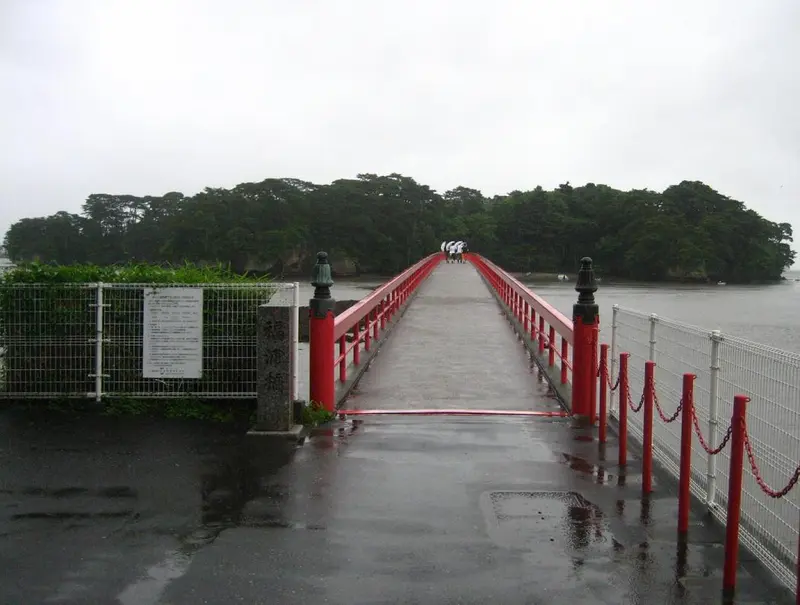
    Matsushima Bay is one of Japan's three most beautiful landscapes, known for its over 260 small, pine-covered islands. You can best explore the picturesque scenery by taking a boat tour that passes various islands such as Fukuura-jima and Oshima. Key attractions include the Zen temple Zuigan-ji, a national treasure, and the small wooden pagoda Godaido Hall, which is located on a tiny island and accessible via a red bridge. The site is also historically significant due to its connection to the famous haiku poet Matsuo Bashō, who visited the bay in the 17th century. For a comprehensive overview, Saigyo Modoshi no Matsu Park is recommended, especially during cherry blossom season in spring. A visit in the early morning or late afternoon often offers the best lighting for photos and fewer crowds.
    • Neighborhoods & highlights
    • Walking tours
    • Eat & drink
    • Culture
    • Getting around
    • Accommodation
    • Plan trip
    • Nearby
    • Neighborhoods & highlights
    • Walking tours
    • Eat & drink
    • Culture
    • Getting around
    • Accommodation
    • Plan trip
    • Nearby

    Overview

    Matsushima Bay, one of Japan's three most scenic spots, captivates with over 260 small, pine-covered islands. Ideally, explore this picturesque scenery on a boat tour that takes you past islands like Fukuura-jima and Oshima. Key attractions include the Zuigan-ji Zen Temple, a national treasure, and the wooden pagoda Godaido Hall, located on a small island and accessible via a red bridge. The site is historically significant due to its connection to the haiku poet Matsuo Bashō, who visited the bay in the 17th century. Saigyo Modoshi no Matsu Park offers a comprehensive view of the island panorama, especially charming during cherry blossom season. A visit in the early morning or late afternoon additionally allows for the best lighting for photos and fewer visitors.

    Places in Matsushima Bucht

    Discover the most important sights and attractions

    Sights in Matsushima Bucht

    1五大堂前幸福小豬

    Das Glücksschwein vor der Godaido-Halle (五大堂前幸福小豬) ist eine charmante, wenn auch moderne Ergänzung zum historischen Ensemble der Matsushima-Bucht. Während die nahegelegene Godaido-Halle selbst ein ikonisches Bauwerk und ein Wahrzeichen der Region ist, das auf das Jahr 807 zurückgeht und für seine fünf buddhistischen Weisenfiguren bekannt ist, bietet dieses kleine Schweinchen einen spielerischen Kontrast. Du findest es diskret platziert in der Nähe des Eingangs zur Halle, oft als beliebtes Fotomotiv für Besucher. Es symbolisiert Glück und Freude und ist ein kleiner, unerwarteter Blickfang vor dem ehrwürdigen Hintergrund. Unser Tipp: Besuche die Godaido-Halle und das Glücksschwein am frühen Morgen, um die Ruhe der Bucht zu genießen und ungestört Fotos zu machen, bevor die großen Reisegruppen eintreffen. Achte auf die Details der Godaido-Brücke, die den Weg zur Halle ebnet.
    Open in Google Maps

    2東浜漁港沖石積み防波堤

    Die 東浜漁港沖石積み防波堤 (Higashihama Fishing Port Offshore Stone Breakwater) ist ein funktionales Bauwerk in der malerischen Matsushima Bucht. Diese robuste Steinmole dient dem Schutz des Higashihama Fischerhafens vor den Wellen des Pazifiks und ist ein Zeugnis traditioneller japanischer Küsteningenieurkunst. Ihre Existenz ist entscheidend für die lokale Fischereiwirtschaft, die hier seit Jahrhunderten betrieben wird. Besucher erleben hier das authentische Treiben eines japanischen Fischerhafens und können die beständigen Bemühungen sehen, die Lebensgrundlagen am Meer zu sichern. Du siehst Fischer bei ihrer Arbeit und die charakteristische Landschaft der Bucht aus einer weniger touristischen Perspektive. Tipp: Für stimmungsvolle Aufnahmen besuche die Mole am frühen Morgen, wenn die Fischerboote ein- und ausfahren. Von hier aus hast du auch einen einzigartigen Blick auf die umliegenden Inseln der Matsushima Bucht.
    Open in Google Maps

    3松島観光船 貸切ボート乗り場

    Die Matsushima Bucht, bekannt als eine der drei schönsten Landschaften Japans (Nihon Sankei), ist berühmt für ihre über 260 mit Kiefern bewachsenen Inseln. Der 松島観光船 貸切ボート乗り場 dient als Ausgangspunkt für eine private Erkundung dieser malerischen Szenerie. Historisch gesehen wurde die Bucht seit Jahrhunderten von Dichtern und Künstlern gefeiert, darunter der berühmte Haiku-Meister Matsuo Bashō, der ihre Schönheit in seinen Werken festhielt. Von hier aus kannst du ein privates Boot chartern, was dir die Flexibilität bietet, deine eigene Route zu wählen und die Inseln in deinem Tempo zu erkunden, abseits der größeren Touristenboote. Du hast die Möglichkeit, näher an markante Inseln wie Fukuura-jima oder die rote Brücke zur Godaido-Halle heranzufahren. Unser Tipp: Buche dein Charterboot im Voraus, besonders in der Hochsaison, um Wartezeiten zu vermeiden und einen englischsprachigen Guide zu sichern, falls gewünscht. Die Morgenstunden bieten oft das ruhigste Wasser und das weichste Licht für beeindruckende Fotos der Inselwelt.
    Open in Google Maps

    4Zuigan-ji

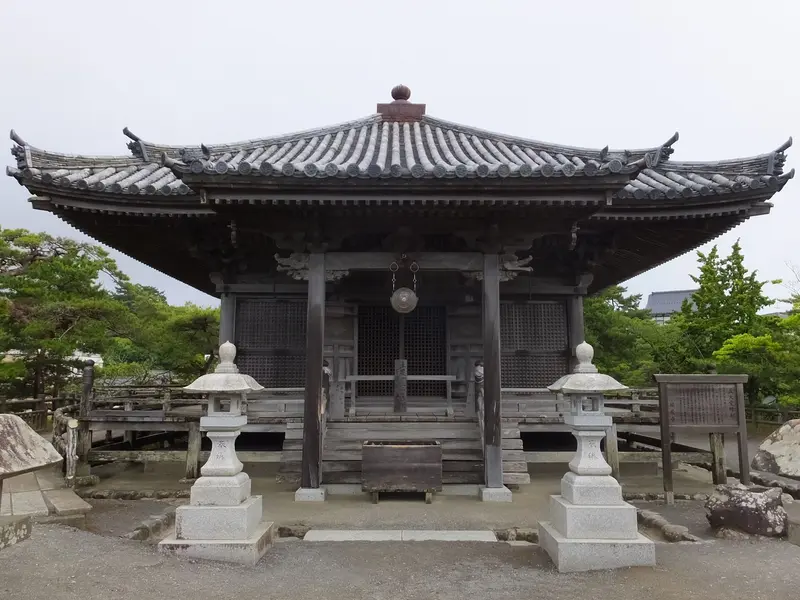
    Der Zuigan-ji-Tempel in der Matsushima Bucht ist einer der bedeutendsten Zen-Tempel der Tohoku-Region Japans und ein Nationalschatz, bekannt für seine reiche Geschichte und Architektur. Ursprünglich im Jahr 828 als Tendai-Tempel gegründet, wurde er im frühen 17. Jahrhundert vom mächtigen Feudalherrn Date Masamune umfassend umgebaut und neu gestaltet, wodurch er seinen heutigen prachtvollen Momoyama-Stil erhielt. Du wirst die Haupthalle (Hondo) und die Küchen- und Wohnräume (Kuri) bestaunen können, die beide als Nationalschätze Japans ausgewiesen sind. Die aufwendigen Holzschnitzereien, vergoldeten Schiebetüren (Fusuma) und die beeindruckende Architektur spiegeln den Reichtum und die Kunstfertigkeit der damaligen Zeit wider. Entlang des malerischen Zugangs, der von hohen Zedern gesäumt ist, findest du auch alte Höhlen, die einst von Mönchen zur Meditation und als Grabstätten genutzt wurden. Unser Tipp: Besuche den Tempel am besten unter der Woche oder früh morgens, um die Ruhe und die Details der Anlage ohne große Menschenmassen genießen zu können. Ein Besuch im Herbst bietet zudem eine wunderschöne Kulisse durch das herbstliche Laub.
    Open in Google Maps

    5Entsuin

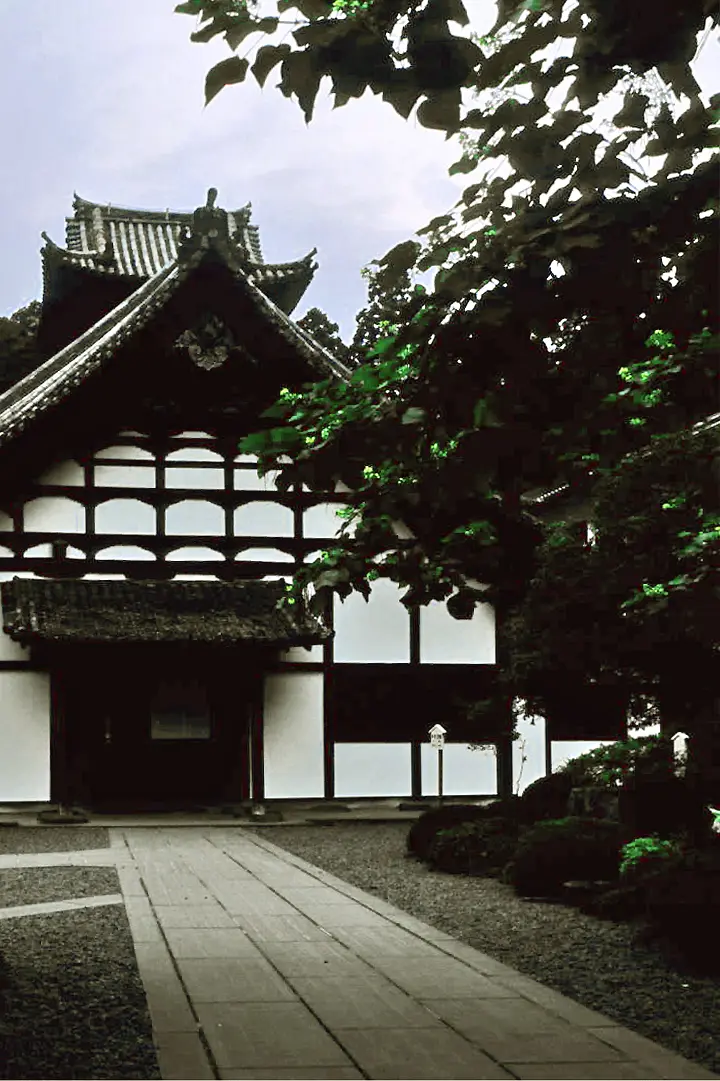
    Das Entsuin ist ein historischer Tempel in Matsushima, der 1646 von Date Tadamune, dem zweiten Herrn des Sendai-Lehens, zum Gedenken an seinen früh verstorbenen Sohn Date Mitsumune erbaut wurde. Du findest hier eine einzigartige Mischung aus japanischer und westlicher Ästhetik, die auf die Keichō-Gesandtschaft nach Europa zurückgeht. Besonders bemerkenswert ist die Haupthalle (Honden) mit ihren kunstvollen Fusuma-Malereien, die nicht nur traditionelle japanische Motive, sondern auch westliche Symbole wie Rosen und Klee zeigen. Dies ist ein direktes Zeugnis des frühen kulturellen Austauschs. Umgeben von einem wunderschönen Moosgarten und einem westlichen Rosengarten bietet der Tempel eine ruhige Atmosphäre. Unser Tipp: Besuche Entsuin am besten im Herbst, wenn die Bäume in leuchtenden Farben erstrahlen und die abendliche Beleuchtung eine magische Stimmung schafft. Für das beste Erlebnis ohne große Menschenmassen empfehlen wir einen Besuch direkt nach der Öffnung.
    Open in Google Maps

    City walks in Matsushima Bucht

    Curated walking tours through the city's highlights — handpicked by experienced travel journalists.

    Matsushimas zeitlose Schönheit: Eine Küstenwanderung zu Tempeln und Natur

    Entdecken Sie auf diesem ca. zweieinhalbstündigen Spaziergang die zeitlose Schönheit von Matsushima, einer der drei schönsten Landschaften Japans. Tauchen Sie ein in die reiche Geschichte alter Tempel, schlendern Sie durch idyllische Gärten und genießen Sie atemberaubende Ausblicke auf die unzähligen grünen Inseln der Bucht.

    ~2 Std. 30 Min.
    In Google Maps öffnen
    Stopps (5)

    Restaurants in Matsushima Bucht

    Matsushima: Heritage & Aesthetics

    Matsushima has been a center of culture and history for centuries and is one of Japan's three most beautiful landscapes. Its significance was recognized as early as the Heian period and celebrated by poets and nobles. The region flourished under the powerful Daimyo Date Masamune in the early 17th century, who developed Matsushima into an important cultural and strategic hub.An outstanding example of architecture is the Zuigan-ji Temple, a National Treasure, whose current structure was built by Date Masamune in the Momoyama style and is deeply rooted in Zen tradition. Nearby stands the Godaido, a small, picturesque temple hall also commissioned by Masamune and considered a symbol of Matsushima. The islands themselves, with their unique formations, have inspired artists and poets like Matsuo Bashō for centuries.

    Unterwegs vor Ort

    Matsushima Bay may not boast a subway network like larger metropolises, but it is excellently served by local transportation. The JR Senseki Line provides the primary and scenic connection from Sendai, ensuring a convenient arrival. Within Matsushima, local buses, such as the Matsushima Loop Bus, form the backbone for reaching key attractions; common IC cards like Suica or Pasmo are widely accepted, significantly easing travel. There is no tram system in the region.For shorter distances and more flexible exploration, bicycles are an excellent choice, with rental stations found in many places, while e-scooters are less common here. Taxis are available for individual journeys, although ride-sharing services play a lesser role compared to Western metropolises. The area around the bay is also extremely pedestrian-friendly, ideal for strolls along the waterfront promenade and to the many islands, some of which are accessible via bridges. A unique attraction and practical means of transport simultaneously are the ferries, which offer picturesque cruises and connections to the numerous islands.

    Accommodations in Matsushima Bucht

    Accommodations in Matsushima Bucht

    Find perfect stay in Matsushima Bucht

    Booking.com
    Search Hotels
    Agoda
    Search Hotels
    Airbnb
    Vacation Rentals
    Hotels.com
    Hotels Worldwide
    Hostelworld
    Hostels

    Plan your trip to Matsushima Bucht

    Save places, build a route and plan your city trip — all in one place.

    Save places

    Bookmark sights, restaurants and neighborhoods you're interested in.

    Build your route

    Turn your bookmarks into a route — define order, days and budget.

    Refine with AI

    Let Mein Fernweh suggest experiences and put together a tailored daily plan.

    Start trip planningOpen bookmarks

    Locations nearby

    These places are nearby — perfect for additional days or a day trip.

    Sendai

    Sendai

    As the "City of Trees," Sendai presents a harmonious blend of urban life and expansive green spaces. Founded by the influential samurai Date Masamune, the city preserves his legacy at several sites. Visit the historical remains of Aoba Castle, offering panoramic city views, and the richly decorated Zuihoden Mausoleum, Masamune's final resting place. The Osaki Hachiman Shrine, an impressive example of Azuchi-Momoyama architecture, is another cultural highlight. Gastronomically, be sure to try the local specialty, Gyutan (grilled beef tongue), at one of the many specialized restaurants. For a vibrant experience, a visit during the colorful Tanabata Festival in August is recommended, transforming the city into a sea of decorations.
    Tohoku

    Tohoku

    Die Region Tohoku, im Norden Honshus gelegen, ist ein Landstrich von atemberaubender Naturschönheit, reicher Geschichte und einzigartiger Kultur. Sie lädt dich ein, die unberührte Wildnis, traditionelle Feste und eine tief verwurzelte Gastfreundschaft abseits der bekannten Touristenpfade Japans zu erleben.
    Yamadera

    Yamadera

    Yamadera, a breathtaking mountain temple in Yamagata Prefecture, draws visitors with a unique blend of spirituality, history, and spectacular nature. You should visit this place to experience the unforgettable hike through ancient cedar forests to the high-perched temple halls, all while enjoying panoramic views over the valley below.
    Dewa Sanzan

    Dewa Sanzan

    The Dewa Sanzan in Yamagata Prefecture form a spiritual center of Japan and have been a significant pilgrimage site for Shugendō practice for centuries. Here you'll find the three sacred mountains of Haguro, Gassan, and Yudono, which symbolically represent birth, death, and rebirth. Particularly impressive is the ascent to Mount Haguro with its over 2,446 stone steps, lined by centuries-old cedars, leading to the famous Five-storied Pagoda. While Mount Gassan, as the highest peak, is only accessible in summer, the mystical Mount Yudono offers a unique spiritual experience, where you should, however, refrain from taking photos. For a comprehensive experience, a visit between July and September is recommended, when all three mountains are accessible, along with an overnight stay in a traditional Shukubo.
    Shirakami Sanchi

    Shirakami Sanchi

    The Shirakami Sanchi is a UNESCO World Natural Heritage site in northern Honshu, home to one of East Asia's last untouched primeval beech forests. Here you'll find unique flora and fauna, including rare species like the Japanese Serow and the Golden Eagle. The area exemplifies Japan's pristine forest ecology, which has remained undisturbed for millennia. Explore the well-marked hiking trails that lead deep into the forest, for instance, to the impressive Anmon Waterfalls. Sturdy footwear is essential for a visit, and it's recommended to come during peak season in autumn for the vibrant foliage or in late spring. Note that parts of the core area are only accessible with a permit or in the company of a guide, while other sections can be freely explored.