Fernweh: Home
    ExploreTravel GuidesPlan a tripMy tripLast visited
    de|en
    All Places & RegionsAll highlightsAbout FernwehFAQPrivacy PolicyImprint
    ExploreTravel GuidesPlan a tripMy tripLast visited
    • Neighborhoods & highlights
    • Eat & drink
    • Food culture
    • Culture
    • Getting around
    • Accommodation
    • Plan trip
    • Nearby
    Dewa Sanzan

    Japan

    Dewa Sanzan

    CityCulture

    The Dewa Sanzan in Yamagata Prefecture form a spiritual center of Japan and have been a significant pilgrimage site for Shugendō practice for centuries.

    by Felix Gillen

    1. Home
    2. Destinations
    3. Japan
    4. Tohoku
    5. Dewa Sanzan
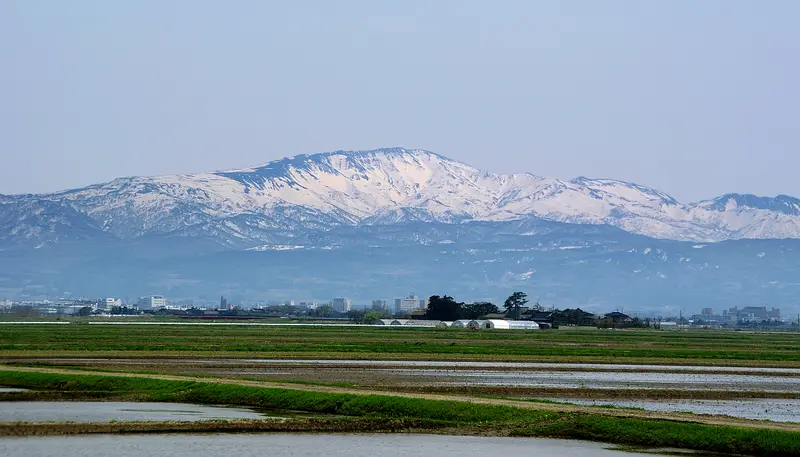
    The Dewa Sanzan in Yamagata Prefecture form a spiritual center of Japan and have been a significant pilgrimage site for Shugendō practice for centuries. Here you find the three sacred mountains Haguro, Gassan, and Yudono, symbolizing birth, death, and rebirth. Particularly impressive is the ascent of Mount Haguro via 2,446 stone steps, lined with centuries-old cedars: Right at the start, you pass the Five-Story Pagoda, and at the top awaits the main shrine Sanjin Gosaiden. While Mount Gassan, the highest peak, is only accessible in summer, Mount Yudono offers a unique spiritual experience, though photography is discouraged. For a full experience, visit between July and mid-September when all three mountains are open, and stay overnight in a traditional Shukubo.

    Sights in Dewa Sanzan

    Discover the most important sights and attractions

    Mt. Gassan 8th Station

    1Mt. Gassan 8th Station

    The 8th Station of Gassan, at an altitude of around 1,400 meters, is the usual starting point for the ascent to the 1,984-meter-high summit of Gassan, which, in the Shugendō tradition of the Dewa Sanzan, represents the world of the dead and ancestors. Here, the road ends at a parking lot; in summer, buses run up from Tsuruoka via Haguro. Surrounding the station is the Midagahara high moor, home to the Gassan Nakanomiya Shrine. The hike to the summit shrine takes about two and a half to three hours. Practical Tip: The road and the summit shrine are only accessible from July until mid-September. Start early in the morning, as the weather on Gassan often changes in the afternoon.

    Open in Google Maps

    2Gassan-jinja Nakanomiya Midahara Shrine

    Der Gassan-jinja Nakanomiya Midahara Schrein ist ein zentraler Bestandteil der ehrwürdigen Dewa Sanzan Pilgerroute in Japan, einem heiligen Ort des Shugendo, das Elemente des Buddhismus und Shintoismus vereint. Du findest diesen Schrein auf einer Hochebene am Berg Gassan, der in der Shugendo-Tradition die Welt der Toten und der Ahnengeister symbolisiert. Er dient Pilgern oft als wichtige Zwischenstation auf ihrem Weg zum Gipfel des Gassan und ist ein Ort der Einkehr und des Gedenkens.Die Architektur des Schreins ist bewusst schlicht und funktional gehalten, um sich harmonisch in die raue Berglandschaft einzufügen und die asketische Natur der Shugendo-Praxis widerzuspiegeln. Er ist weniger für architektonische Pracht als für seine tiefgreifende spirituelle Bedeutung bekannt. Unser Tipp: Die Zugänglichkeit des Gassan ist stark saisonabhängig; der Schrein ist üblicherweise nur von Juli bis Mitte September zugänglich, wenn der Schnee geschmolzen ist. Erkundige dich vorab über die aktuellen Wegbedingungen und starte deinen Aufstieg frühmorgens, um die Ruhe der Natur voll auszukosten und Menschenmassen zu vermeiden. Denke an wetterfeste Kleidung und ausreichend Wasser.
    Open in Google Maps

    3月山八合目の碑

    Der 月山八合目の碑 (Gassan Hachigome no Hi) markiert die achte Station auf dem anspruchsvollen Pilgerweg zum Gipfel des Mount Gassan, einem der drei heiligen Berge von Dewa Sanzan. Dieser Ort ist von zentraler Bedeutung für die Shugendō-Praktik, einer einzigartigen japanischen Religion, die Elemente des Buddhismus und Shintoismus vereint und die Berganbetung in den Mittelpunkt stellt. Mount Gassan symbolisiert die Vergangenheit und die Welt der Toten, und der Aufstieg hierher wird als spirituelle Reise zur Wiedergeburt verstanden. Am Denkmal selbst kannst du eine kurze Rast einlegen und die erhabene Atmosphäre genießen. Von dieser Höhe aus bieten sich bei klarem Wetter oft spektakuläre Panoramablicke über die umliegende Bergwelt und tiefe Täler. Unser Tipp: Da der Gassan nur von Juli bis September zugänglich ist, plane deinen Besuch sorgfältig. Um die Menschenmassen zu vermeiden und die Ruhe des Ortes voll auszukosten, starte deine Wanderung am besten früh am Morgen. Vergiss nicht, warme Kleidung und ausreichend Wasser mitzunehmen, da das Wetter schnell wechseln kann.
    Open in Google Maps

    4Midagahara High Moor at Gassan

    The Midagahara High Moor lies at an altitude of around 1,400 meters, at the 8th station of Gassan, one of the three sacred mountains of Dewa Sanzan. Wooden boardwalks lead through the moorland and protect its delicate vegetation; a circular trail takes about half an hour. In summer, numerous alpine and bog plants bloom here, and the view across the plain extends to the surrounding mountains. At the edge of the moor stands the Gassan Nakanomiya Shrine. Our tip: The main blooming season is in July and August; the moor is only accessible while the road to the 8th station is open (July to mid-September).
    Open in Google Maps

    Restaurants in Dewa Sanzan

    1

    Mon Vipere (Kita-Gassanso)

    Restaurant in Nishiyama-1-67 Tachiyazawa.
    Show on Google Maps
    2

    Yama no Baiten Restaurant Rokujuri

    Restaurant in Japan.
    Show on Google Maps
    4

    Minshuku Nanakamado

    Restaurant in Shimizujiri-12-6 Tamugimata.
    Show on Google Maps
    4

    Gassan Resthouse

    Restaurant in Japan.
    Show on Google Maps
    5

    Pino Collina (Matsugaoka)

    Restaurant with a winery and garden in Matsugaoka, at the foot of Haguro-san. Serves Western-inspired dishes made with ingredients from the Shōnai region, paired with their own estate wine. Ideal for a lunch break en route to the mountain.
    Show on Google Maps
    6

    Chūka Soba Kotono

    Popular ramen restaurant in the Kurose district of Haguro, located on the route between Tsuruoka and Haguro-san. The menu features Chūka Soba; expect waiting times at lunchtime.
    Show on Google Maps
    7

    Chūka Soba Tashiro Shokudō

    Simple noodle shop in the Tashiro district, south of Haguro, specializing in Chūka Soba. Simple and inexpensive, it's easily combined with a visit to Haguro-san.
    Show on Google Maps

    Eating & Drinking in Dewa Sanzan

    The cuisine in Dewa Sanzan is shaped by its mountainous landscape and focuses on fresh, seasonal ingredients. Here, you can enjoy nutritious dishes featuring Sansai (mountain herbs) and local mushrooms, which fortify pilgrims at accommodations and guesthouses like the Gassan Resthouse.

    Shōjin Ryōri – Mountain Hermits

    A vegetarian cuisine featuring mountain herbs, mushrooms, bamboo shoots, and sesame tofu is served at the pilgrim lodges at the foot of Haguro-san and the Saikan on its summit. A reservation is required.

    Chikara-Mochi

    Halfway up the 2,446 stone steps to Haguro Shrine lies the Ninosaka-chaya teahouse. There, you can recharge with rice cakes and tea; it is only open during the snow-free season.

    Dadacha-Mame

    Aromatic Edamame from Tsuruoka are in season during summer. The city at the foot of the mountains is designated a UNESCO City of Gastronomy.

    Dewa Sanzan: Culture, Art & History

    Dewa Sanzan is a center of ancient mountain worship in Japan, its origins dating back to pre-Buddhist times. With the introduction of Buddhism, a unique form of Shinbutsu-shūgō developed here, a synthesis of Shintoism and Buddhism that continues to shape spiritual practice today.The three sacred mountains – Haguro-san (present), Gassan (past), and Yudono-san (future) – form a pilgrimage route symbolizing the cycle of life. Architecturally noteworthy is the Gojūnotō (five-story pagoda) on Haguro-san, a National Cultural Treasure, and the main shrine Sanjin Gosaiden, known for its impressive Gongen-zukuri style roof construction.Central figures of the local tradition are the Yamabushi, mountain ascetics, who seek spiritual enlightenment through strict rituals and a connection to nature. Their practices and ongoing pilgrimage routes express a deeply rooted cultural identity, reflected in specific purification rites and the consumption of Shōjin Ryōri (vegetarian monastic cuisine).

    Traveling Locally

    Getting around Dewa Sanzan differs from Japan's cities; no metro or tram. Instead, local buses link Tsuruoka Station to the sacred mountains Haguro, Gassan, and Yudono. Buses to Haguro run year-round; Gassan, July to mid-September. Schedules are seasonal and sparse; check beforehand and carry cash, as not all lines accept IC cards. A rental car offers maximum flexibility for remote spots; Taxis exist but are costly, and ride-sharing services are negligible. The holy sites themselves you explore on foot. Sturdy hiking boots are therefore your key companion.

    Accommodations in Dewa Sanzan

    Find perfect stay in Dewa Sanzan

    Booking.com* (Affiliate link)
    Search Hotels
    Agoda* (Affiliate link)
    Search Hotels
    Airbnb
    Vacation Rentals

    * Affiliate link: if you book through it, we earn a small commission. The price stays the same for you.

    Plan your trip to Dewa Sanzan

    Save places, build a route and plan your city trip, all in one place.

    1. 1
      Sunrise over alpine peaks and a sea of clouds
      1234

      Round trip

      12 days · 4 stops

      Saved

      Pick a route

      Pick a ready-made one or save places and plan your own.

      Open bookmarks
    2. 2

      Trip to Dewa Sanzan

      Live
      • 1Mt. Gassan 8th Station3 days
      • 2Gassan-jinja Nakanomiya Midahara Shrine4 days
      • 3月山八合目の碑5 days
      Budget

      Plan your trip

      The planner sorts stops, days and budget. Plan together in real time.

      Start trip planning
    3. 3
      9:41 No signal
      Dewa Sanzan
      Available offline

      Use it on the road

      Download the guide to your phone and use it on site, even offline.

    Nearby

    Yamadera

    Yamadera, a mountain temple in Yamagata Prefecture, combines spirituality, history, and impressive nature. You should visit this place to experience the hike through ancient cedar forests to the high-lying temple halls while enjoying the view over the valley.

    Tohoku

    Die Region Tohoku, im Norden Honshus gelegen, ist ein Landstrich von atemberaubender Naturschönheit, reicher Geschichte und einzigartiger Kultur. Sie lädt dich ein, die unberührte Wildnis, traditionelle Feste und eine tief verwurzelte Gastfreundschaft abseits der bekannten Touristenpfade Japans zu erleben.

    Sendai

    As the "City of Trees," Sendai presents a harmonious blend of urban life and expansive green spaces. Founded by the influential samurai Date Masamune, the city preserves his legacy at several sites. Visit the historical remains of Aoba Castle, offering panoramic city views, and the richly decorated Zuihoden Mausoleum, Masamune's final resting place. The Osaki Hachiman Shrine, an impressive example of Azuchi-Momoyama architecture, is another cultural highlight. Gastronomically, be sure to try the local specialty, Gyutan (grilled beef tongue), at one of the many specialized restaurants. For a vibrant experience, a visit during the colorful Tanabata Festival in August is recommended, transforming the city into a sea of decorations.

    Matsushima Bucht

    Matsushima Bay is one of Japan's three most beautiful landscapes, known for its over 260 small, pine-covered islands. You can best explore the scenery on a boat trip; some near-shore islands like Fukuura-jima and Oshima can be reached on foot via bridges. Key attractions include the Zen temple Zuigan-ji, a national treasure, and the small temple hall Godaidō, located on a tiny island and accessible via red bridges. The place is also historically significant due to its connection to the haiku poet Matsuo Bashō, who visited the bay in 1689. For an overview, Saigyō-Modoshi-no-Matsu-Park is recommended, especially during cherry blossom season in spring. A visit in the early morning or late afternoon often offers the best light for photos and fewer crowds.
    Nikkō

    Nikkō

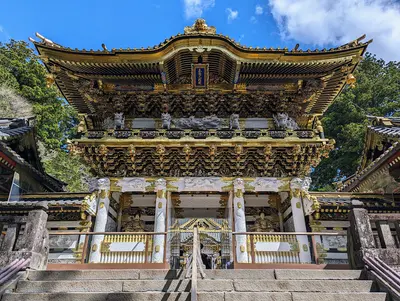
    Located in the mountains north of Tokyo, Nikkō combines two distinct aspects: In the valley lie the magnificent shrines and temples surrounding the Tōshō-gū, the mausoleum of Shogun Tokugawa Ieyasu, which together form a UNESCO World Heritage Site. Further up, within the National Park, are Lake Chūzenji and Kegon Waterfall.

    Sources & method

    • Photos: Wikimedia Commons. Each photo carries its credit.
    • Place data such as addresses and ratings comes from Google Maps.
    • The content is based on web research from public, traceable sources. How the content is made · The role of AI