Fernweh
    ExploreTravel GuidesMy Trips
    de|en
    About FernwehImprintFAQPrivacy Policy
    ExploreTravel GuidesMy Trips
    Amanohashidate & Tango Peninsula

    Amanohashidate & Tango Peninsula

    City
    1. Home
    2. Destinations
    3. Japan
    4. Amanohashidate & Tango Peninsula
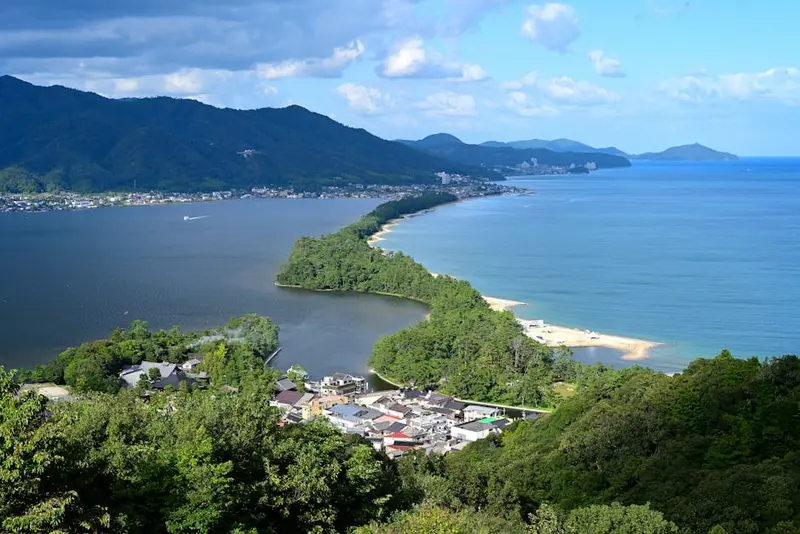
    Amanohashidate, one of Japan's three most scenic views, is a picturesque sandbar in Miyazu Bay. From viewpoints like Amanohashidate View Land or Kasamatsu Park, you'll experience the iconic "Matanozoki" view. The Tango Peninsula is renowned for its traditional Tango Chirimen silk weaving. Visit the fishing village of Ine with its unique Funaya boathouses for a glimpse into local life. Chion-ji Temple and Motoise Kono Jinja Shrine are significant cultural sites. For a relaxed exploration, spring or autumn are recommended; rent a bicycle to actively experience the sandbar.
    • Neighborhoods & highlights
    • Walking tours
    • Eat & drink
    • Culture
    • Getting around
    • Accommodation
    • Plan trip
    • Nearby
    • Neighborhoods & highlights
    • Walking tours
    • Eat & drink
    • Culture
    • Getting around
    • Accommodation
    • Plan trip
    • Nearby

    Overview

    Amanohashidate, one of Japan's three most scenic views, is an impressive, pine-covered sandbar that elegantly winds its way through Miyazu Bay. You can best experience this 'Bridge to Heaven' from Kasamatsu Park, ideally through the traditional 'Matanozoki' pose, where you bend down and view the landscape between your legs, making it appear like a bridge to the sky. The surrounding Tango Peninsula offers a rugged coastal landscape with picturesque fishing villages and a rich cultural history. Here you'll find traditional craftsmanship, especially the production of Tango Chirimen silk, known for its texture and quality. Visit Chion-ji Temple at the southern end of the sandbar, known for its pagoda and the deity of wisdom, Monju Bosatsu. A boat trip through the bay offers a different perspective of the sandbar. The best times to visit are spring and autumn, to make the most of the mild temperatures and clear views.

    Places in Amanohashidate & Tango Peninsula

    Discover the most important sights and attractions

    Sights in Amanohashidate & Tango Peninsula

    Amanohashidate

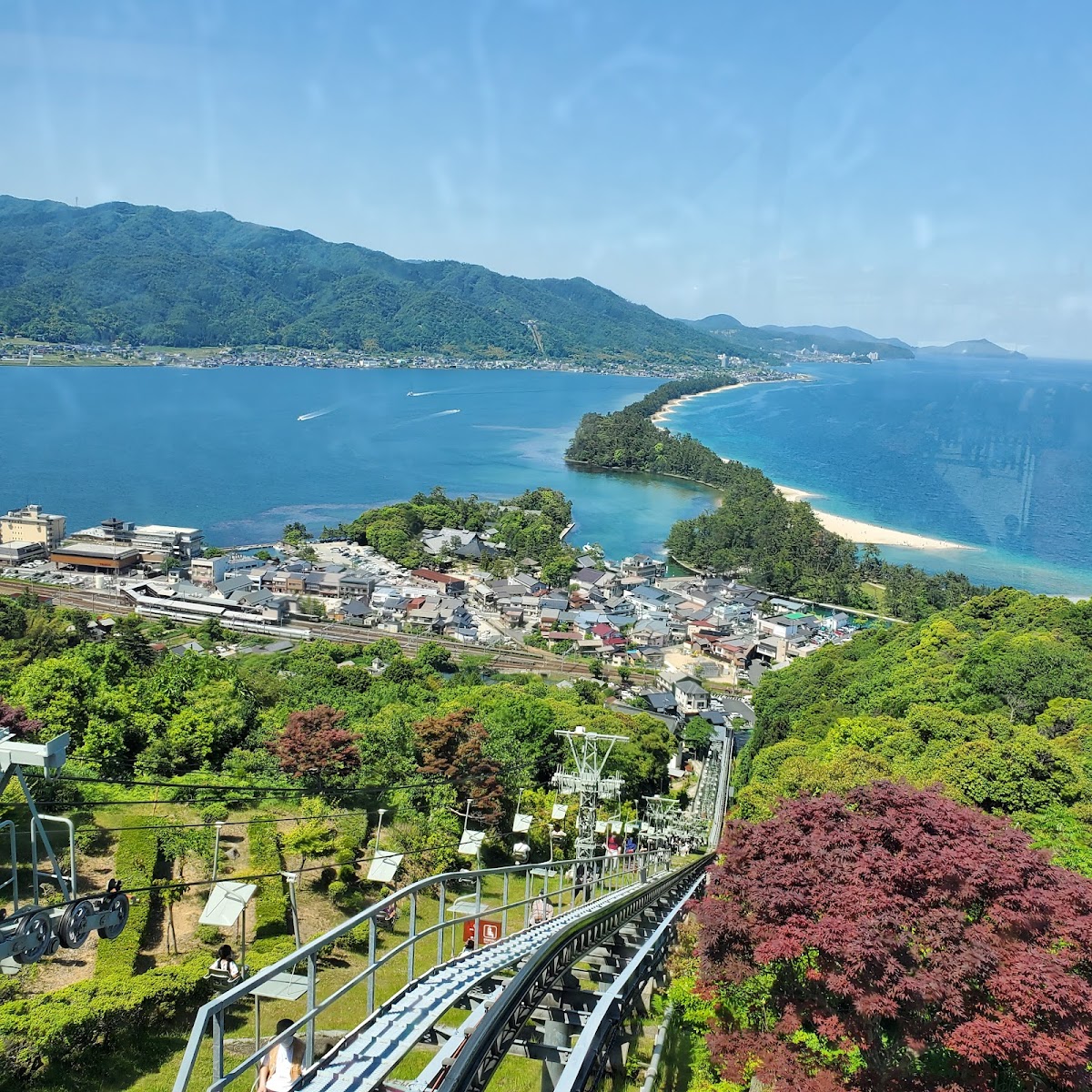
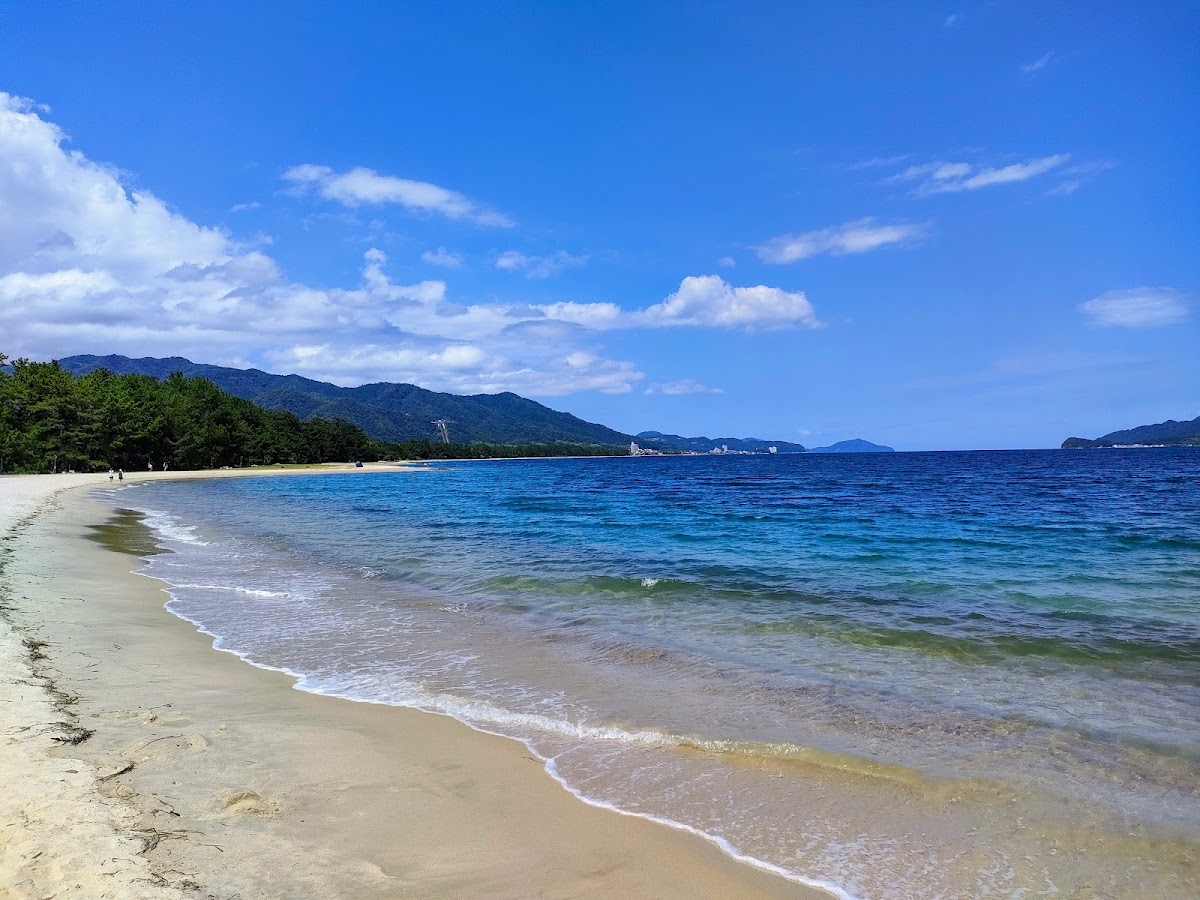
    Amanohashidate, one of Japan's three most scenic views (Nihon Sankei), is an impressive 3.6-kilometer-long natural sandbar that stretches picturesquely through Miyazu Bay. Its name, meaning “Bridge to Heaven,” derives from an ancient legend stating that a deity created this path to connect heaven and earth. For centuries, this unique formation, lined with thousands of pine trees, has been celebrated in Japanese poetry and art.When you visit Amanohashidate, a walk or bike ride across this natural bridge awaits you, surrounded by the tranquil beauty of the bay. The pine trees provide shade and offer a peaceful atmosphere. For the iconic view, known as matanozoki, it’s best to head to one of the observation points: either Kasamatsu Park on the north side or Amanohashidate View Land in the south. From there, you look upside down between your legs, making the sandbar appear like a dragon ascending to the sky – an unforgettable experience.Our Tip: To avoid the crowds and fully savor the tranquility of the landscape, it's best to plan your visit on a weekday or early in the morning. The autumn months often offer the clearest visibility and pleasant temperatures for exploration.
    Open in Google Maps

    重要文化財旧三上家住宅

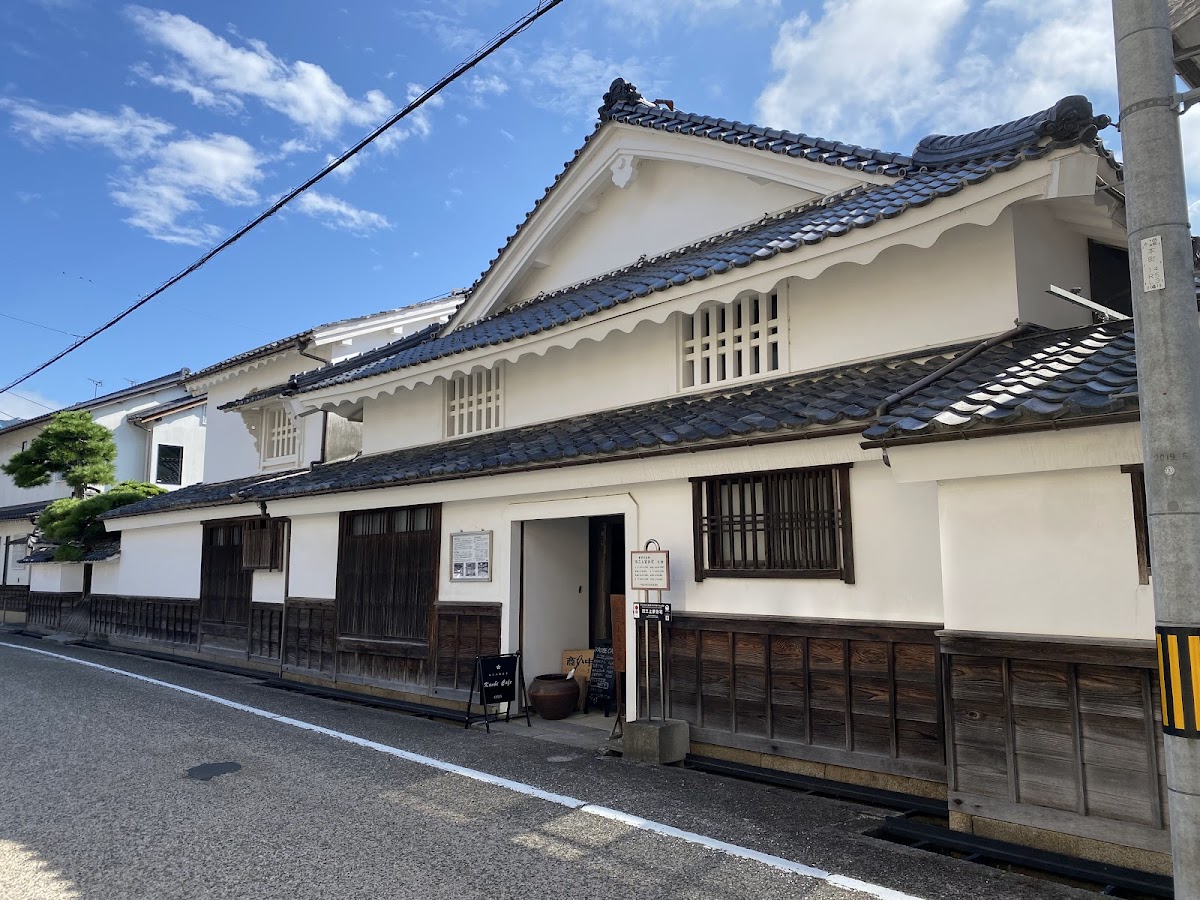
    The Former Mikami Family Residence (重要文化財旧三上家住宅) in Miyazu, on the Tango Peninsula, is an outstanding example of a wealthy merchant's house from the Edo period. As an Important Cultural Property of Japan, it bears witness to the region's economic prosperity and the significance of the Mikami family, who were active in the shipping and sake brewing business for generations. Here you gain an authentic insight into the life and work of an influential merchant family. Upon entering the complex, you'll discover carefully preserved living quarters, storehouses, and a traditional Japanese garden, all reflecting the aesthetics and functionality of that era. Note the fine woodwork and the thoughtful room layout, typical of this period. The residence offers a tranquil atmosphere, inviting you to linger and reflect. Our Tip: To fully appreciate the architectural details and the tranquility of the garden undisturbed, we recommend a visit early in the morning on a weekday. For photographers, the courtyards and traditional facades offer excellent photo opportunities, especially in soft morning light.
    Open in Google Maps

    Amanohashidate Viewland

    Theme Park in 437 Monju.
    Open in Google Maps

    Amanohashidate Kasamatsu Park

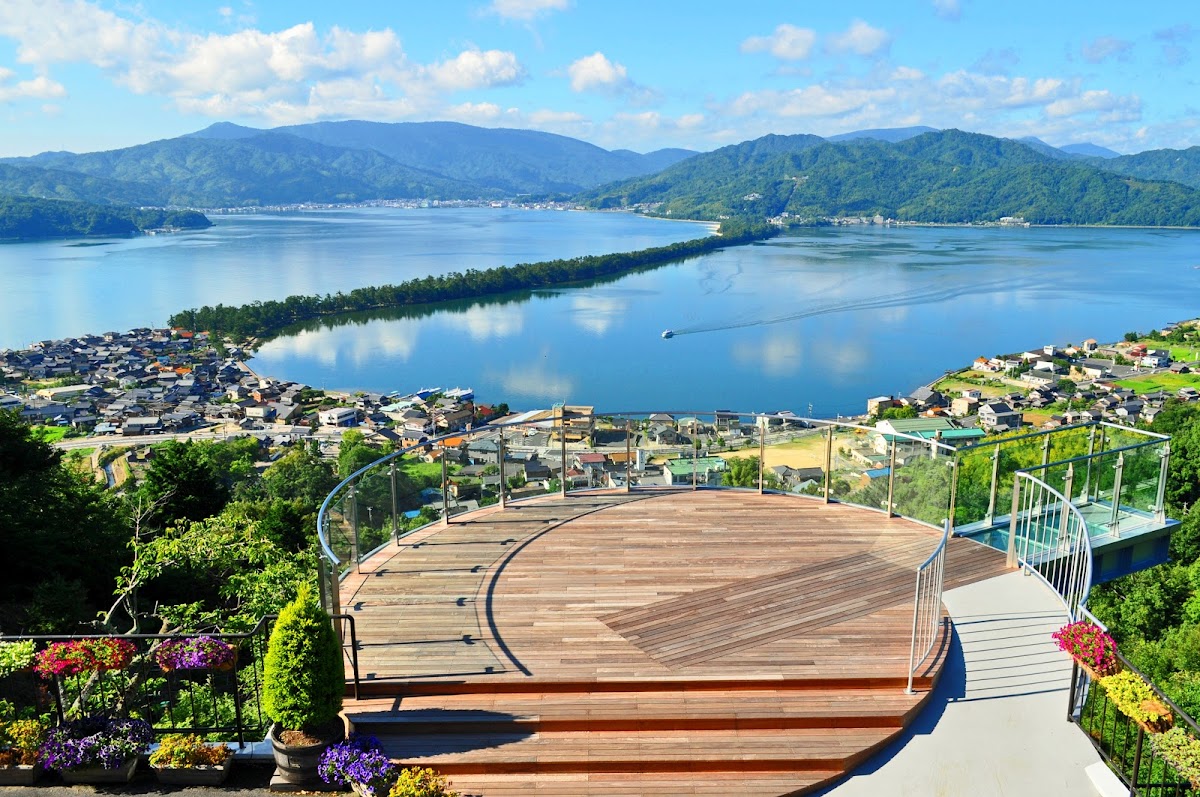
    The Kasamatsu Park is an essential viewpoint to experience Amanohashidate, one of Japan's three most scenic views (Nihon Sankei), in its full glory. From here, you'll discover a breathtaking panoramic view of the famous pine-covered sandbar, gracefully winding through Miyazu Bay. The park's unique cultural feature is the tradition of matanozoki: if you bend down and look between your legs, the sandbar appears like a dragon ascending to the sky – a fascinating optical phenomenon. The park is easily accessible by chairlift or monorail and offers smaller facilities alongside its main viewpoints. Our Tip: To avoid crowds and capture the best light for photos, an early morning visit is recommended. Utilize the special Matanozoki Platform for the authentic perspective of this unique natural spectacle.
    Open in Google Maps

    Itanami Hachiman Shrine

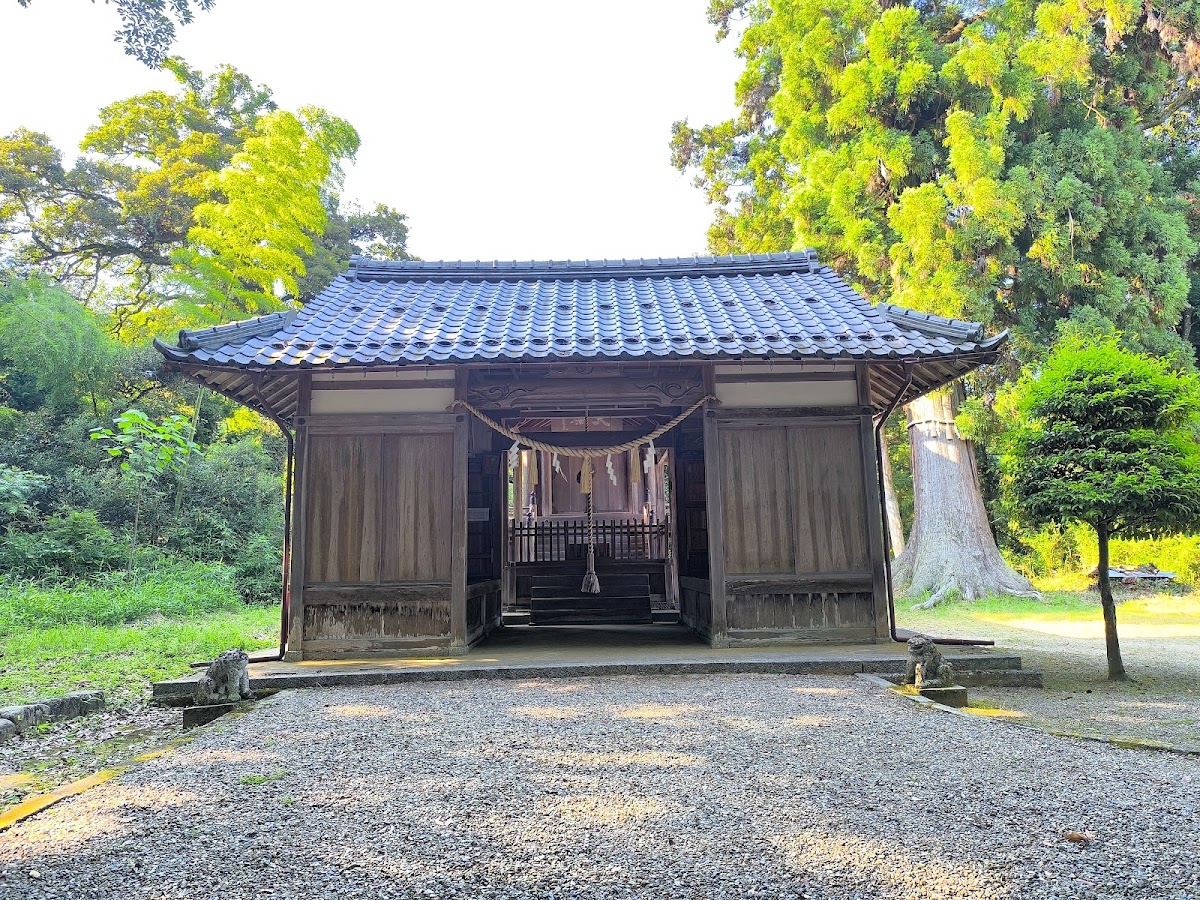
    The Itanami Hachiman Shrine is a Shinto shrine of local significance on the Tango Peninsula, dedicated to the deity Hachiman, the patron deity of warriors and Japan. This veneration reflects Hachiman's historical role as a protector of the country and its people. The site exudes a serene atmosphere that invites contemplation. The architecture follows the traditional Shinto style, recognizable by its striking red Torii gates and carefully designed main buildings.As a visitor, you can explore the shrine grounds, visit the prayer hall (Haiden), and appreciate the intricate woodwork and stone lanterns. It is a place of local worship, offering an authentic insight into Japanese spirituality and the significance of Shintoism for the community in this region.Our Tip: Visit the shrine early in the morning to experience its special tranquility and avoid the largest crowds. For photographers, the area around the Torii gates is ideal, as they form a striking contrast to the surrounding natural scenery and allow for particularly atmospheric shots.
    Open in Google Maps

    City walks in Amanohashidate & Tango Peninsula

    Curated walking tours through the city's highlights — handpicked by experienced travel journalists.

    Amanohashidate: Spaziergang über die Himmelsbrücke

    Erleben Sie einen unvergesslichen 2-stündigen Spaziergang über die legendäre Amanohashidate-Sandbank, einem der "Drei berühmtesten Landschaften Japans". Entdecken Sie jahrhundertealte Tempel, schlendern Sie unter Tausenden von Kiefern und genießen Sie atemberaubende Panoramaaussichten, die Sie sprachlos machen werden.

    ~2 Std.
    In Google Maps öffnen
    Stopps (5)

    Essen & Trinken

    Culture, Art and History of the Tango Region

    The Amanohashidate region and Tango Peninsula are deeply rooted in Japan's mythology and early history. Amanohashidate itself, one of Japan's three most scenic views, is closely linked to the creation myth of the gods Izanagi and Izanami, who forged a heavenly bridge between heaven and earth here.The Tango Peninsula was a significant region during the Kofun period (3rd to 6th century CE), as evidenced by numerous archaeological finds pointing to a thriving ancient civilization. The Kono-Jinja, also known as Motoise Kono Jinja, is considered the original site for the worship of the sun goddess Amaterasu before her relocation to Ise-Jingu, making it a place of immense Shinto importance.A prominent cultural legacy is the production of Tango Chirimen, a traditional crepe silk fabric whose technique has been perfected since the Edo period (17th century) and remains a vital local art form today. The architecture in the coastal villages often reflects traditional ways of life, featuring sturdy wooden houses built to withstand the harsh marine climate.Furthermore, centuries-old Buddhist temples like Nariaiji, part of the Saigoku Pilgrimage, shape the cultural landscape and offer deep insights into Japan's spiritual history.

    Getting around here

    Amanohashidate itself is delightfully pedestrian-friendly, perfect for exploring the famous sandbar and its immediate surroundings at leisure. For further exploration of the picturesque Tango Peninsula, buses are the most important public transport; they effectively connect the coastal towns and train stations. No metro or tram exists in this rural region, so forward planning of bus journeys, perhaps using the Tango Kairiku Kotsu website, is advisable.A bicycle is an excellent choice for exploring the flat sections along the Amanohashidate sandbar and nearby villages; rental stations are often found near train stations. While taxis are available at larger train stations, they can become costly for longer distances, and ride-sharing services are uncommon here. For maximum flexibility when exploring the entire peninsula with its hidden gems, a rental car is recommended, offering the independence to reach secluded spots.

    Accommodations in Amanohashidate & Tango Peninsula

    Accommodations in Amanohashidate & Tango Peninsula

    Find perfect stay in Amanohashidate & Tango Peninsula

    Booking.com
    Search Hotels
    Agoda
    Search Hotels
    Airbnb
    Vacation Rentals
    Hotels.com
    Hotels Worldwide
    Hostelworld
    Hostels

    Plan your trip to Amanohashidate & Tango Peninsula

    Save places, build a route and plan your city trip — all in one place.

    Save places

    Bookmark sights, restaurants and neighborhoods you're interested in.

    Build your route

    Turn your bookmarks into a route — define order, days and budget.

    Refine with AI

    Let Mein Fernweh suggest experiences and put together a tailored daily plan.

    Start trip planningOpen bookmarks

    Locations nearby

    These places are nearby — perfect for additional days or a day trip.

    Arashiyama

    Arashiyama

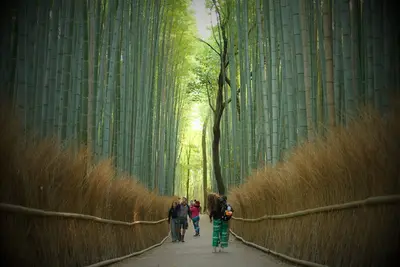
    Arashiyama, located west of Kyoto, is renowned for its picturesque nature and cultural significance. Here you'll find the famous Sagano Bamboo Forest, whose towering stalks create a unique, meditative atmosphere. The Tenryu-ji Temple, a UNESCO World Heritage site and the head temple of the Rinzai school, features impressive Zen gardens and historic buildings. The Togetsukyo Bridge spans the Hozugawa River, offering spectacular views of the surrounding mountains, especially in autumn with its vibrant foliage or during the cherry blossom season in spring. A stroll along the river or a boat ride provides a relaxed perspective of the landscape. To truly experience the tranquility of the bamboo forest, it is recommended to visit Arashiyama early in the morning or late in the afternoon to avoid the largest crowds.
    Kyoto City

    Kyoto City

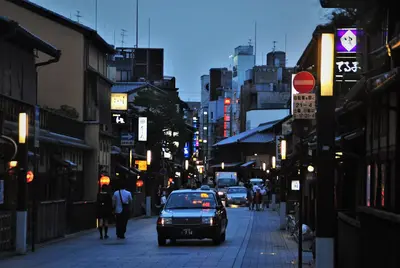
    Kyoto, once Japan's imperial capital for over a thousand years, still preserves its rich cultural and historical identity today. The city boasts over 2,000 Buddhist temples and Shinto shrines, traditional gardens, and the vibrant Geisha district of Gion. Among its most famous attractions are the golden pavilion Kinkaku-ji, the impressive Fushimi Inari-Taisha with its thousands of red gates, and the serene Arashiyama Bamboo Grove. In the historic Gion district, you might, with a bit of luck, encounter Geishas and Maikos on their way to teahouses. For an authentic experience, you should visit the gardens of Ryoan-ji with their famous rock garden. To avoid the largest crowds, it is recommended to explore popular sites right after opening in the morning. The months of April and November offer spectacular views with cherry blossoms and autumn foliage respectively, but these are also the busiest times.
    Kansai

    Kansai

    The Kansai region in western Japan is the cultural and historical heart of the country. Here you will find a fascinating mix of ancient traditions, vibrant metropolises, and breathtaking nature, which offers a unique travel experience. Discover the cradle of Japanese culture with its imperial palaces, shrines, and gardens.
    Uji

    Uji

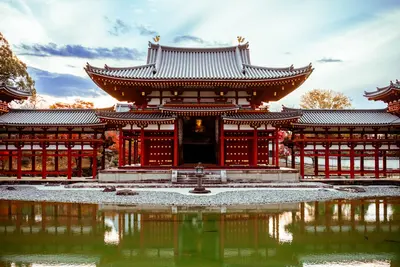
    Uji, located south of Kyoto, is inextricably linked with Japanese tea culture and a rich history. Here you'll find two UNESCO World Heritage Sites: the impressive Byodo-in Temple with its Phoenix Hall, and the Ujigami Shrine, considered Japan's oldest Shinto shrine. The city also plays a central role in Murasaki Shikibu's "The Tale of Genji," vividly presented at the Tale of Genji Museum. Along the Uji River, you can enjoy a tranquil atmosphere and discover numerous traditional tea shops. Try the local Matcha; spring or autumn offer pleasant weather and moderate visitor numbers for a relaxed exploration.
    Himeji

    Himeji

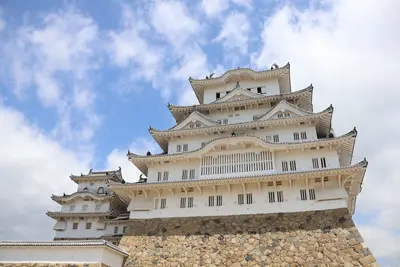
    Himeji is home to the magnificent Himeji-jō, one of Japan's best-preserved and most impressive Samurai castles, which is a UNESCO World Heritage site.