Fernweh
    ExploreTravel GuidesMy Trips
    de|en
    About FernwehImprintFAQPrivacy Policy
    ExploreTravel GuidesMy Trips
    Himeji

    Himeji

    CityCulture
    1. Home
    2. Destinations
    3. Japan
    4. Himeji
    Himeji is home to the magnificent Himeji-jō, one of Japan's best-preserved and most impressive Samurai castles, which is a UNESCO World Heritage site.
    • Neighborhoods & highlights
    • Walking tours
    • Eat & drink
    • Culture
    • Getting around
    • Accommodation
    • Plan trip
    • Nearby
    • Neighborhoods & highlights
    • Walking tours
    • Eat & drink
    • Culture
    • Getting around
    • Accommodation
    • Plan trip
    • Nearby

    Overview

    Himeji is inextricably linked with the majestic Himeji Castle, a UNESCO World Heritage Site and Japan's best-preserved feudal castle. You will be fascinated by its impressive architecture and radiant white exterior, which earned it the nickname "White Heron". The castle offers deep insights into Japanese military history and Edo period construction. Right next to the castle, the traditional Koko-en Garden invites you for a peaceful stroll with its nine distinct garden styles. For a cultural extension, a trip to Mount Shosha Engyo-ji Temple is recommended, an expansive complex easily reached by cable car. Plan at least half a day for Himeji Castle to thoroughly explore the complex and its surrounding gardens. To avoid the largest crowds, ideally visit the castle right after it opens in the morning.

    Places in Himeji

    Discover the most important sights and attractions

    Sights in Himeji

    原田光明堂

    The Harada Komyo-do in Himeji is not a typical temple, but rather a long-established house dedicated to the creation and sale of Butsudan. These Buddhist household altars are central elements of Japanese spirituality, serving for the veneration of ancestors and Buddhas in the private home. For generations, the Harada family has maintained the high art of Butsudan craftsmanship here, based on precise woodworking, lacquer art, and intricate decorations. During your visit, you will gain a fascinating insight into this traditional craft. You can observe the careful selection of materials and the detailed execution of the altars, which often take months to create through elaborate manual work. It is a place that makes the deep-rootedness of Buddhism in daily Japanese life tangible and highlights the importance of ancestor worship. Our tip: Take your time to examine the various styles and fine details of the Butsudan. Ask about the techniques used; craftsmen are often willing to share their expertise. A morning visit often allows for quieter observation and the best opportunity for conversations. Photography is usually permitted, but kindly ask before taking close-up shots to respect the craftsmen's privacy.
    Open in Google Maps

    Main Keep of Himeji Castle

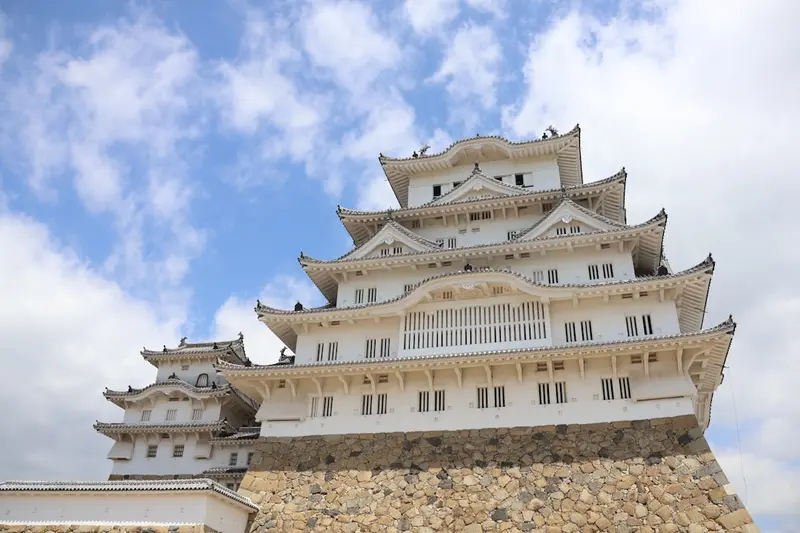
    The main keep of Himeji Castle, also known as the 'White Heron', is an outstanding example of Japanese castle architecture and a UNESCO World Heritage site. Here you'll find one of Japan's few originally preserved castles, never destroyed by war or natural disasters. Its immaculate white facade and elegant design make it one of the country's most beautiful structures. Inside the main keep, you climb several floors via steep wooden stairs, which once served as living and defensive spaces. Note the clever defensive features like loopholes and stone-dropping openings, demonstrating the strategic brilliance of that era. From the top floor, you'll enjoy a wide view over Himeji city and the surrounding landscape. Our Tip: To avoid the crowds and experience the tranquility of the complex, a visit right after morning opening or in the late afternoon hours is recommended. For impressive photos of the entire complex, position yourself best in the Nishinomaru Garden or on the path to Otemon Gate.
    Open in Google Maps

    Himejijo

    Himejijo, known as the 'White Heron Castle' (Shirasagi-jo), is one of Japan's most impressive and best-preserved feudal castles. It is a UNESCO World Heritage Site and a National Treasure, masterfully representing Japanese castle architecture of the Azuchi-Momoyama period. The current structure, completed in the early 17th century, is remarkable as it was never destroyed by wars or natural disasters, thus serving as an authentic historical testament. You will explore a complex system of defensive structures with numerous gates, courtyards, and walls. The majestic main keep (Tenshukaku) is its centerpiece; after climbing narrow wooden stairs, it offers expansive panoramic views over Himeji. The castle's characteristic white color comes from its special plastering, which also served as fireproofing. Our Tip: Visit the castle right after opening in the morning to avoid the largest crowds and enjoy the tranquility of the grounds. For a classic photo of the entire castle backdrop, Otemae-dori or the adjacent Koko-en Garden is recommended.
    Open in Google Maps

    Koko-en

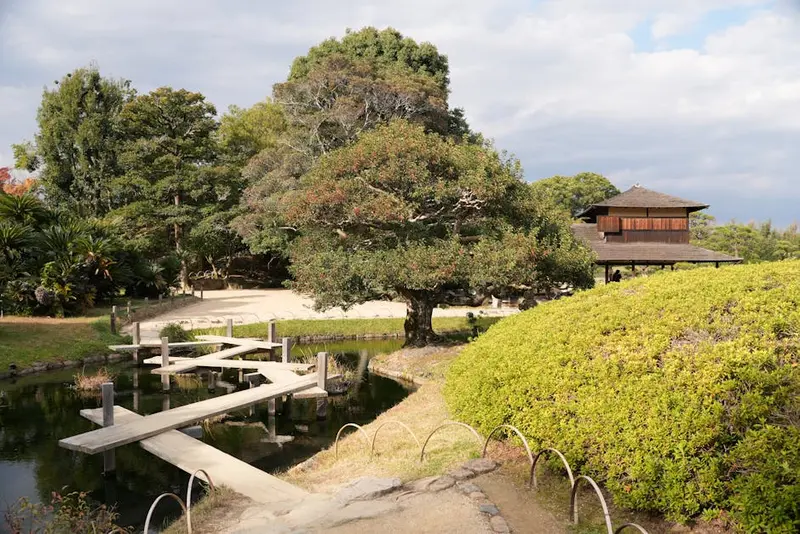
    Koko-en is an impressive collection of nine traditional Japanese gardens, established in 1992 on the former site of the samurai residences (Nishi-Oyashiki) of the Himeji Castle lord. These gardens are designed in the Edo period style, offering you an authentic glimpse into Japanese horticulture. Each of the nine gardens has its own theme, including a pond garden with a waterfall, a tea garden, a garden of pines, and a bamboo garden. Here, you can explore the diversity of landscape design and experience the carefully tended flora in its seasonal splendor. The complex serves as a peaceful contrast to the imposing Himeji Castle, complementing its historical significance. Our tip: It's best to visit Koko-en in the early morning or late afternoon to avoid the largest crowds, especially after visiting the castle. For a particularly atmospheric experience, we recommend autumn when the maple leaves glow. The pond garden also offers excellent photo opportunities with the castle in the background.
    Open in Google Maps

    Kameyama Hontokuji temple

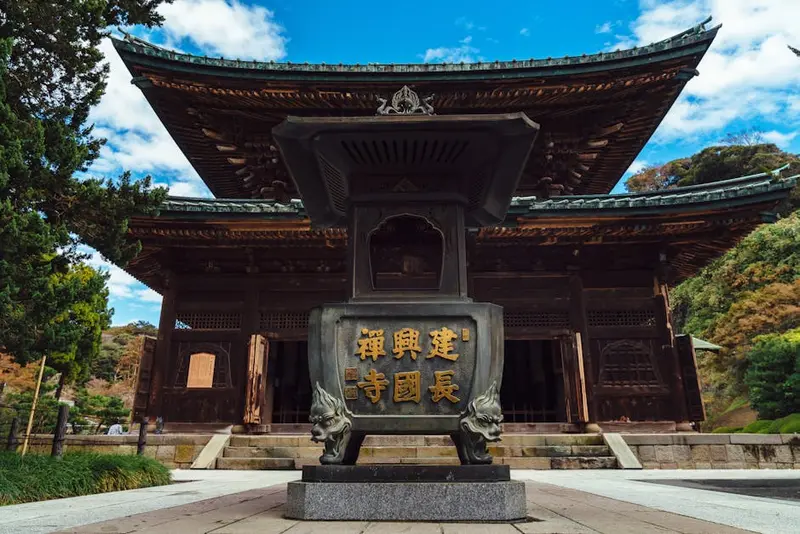
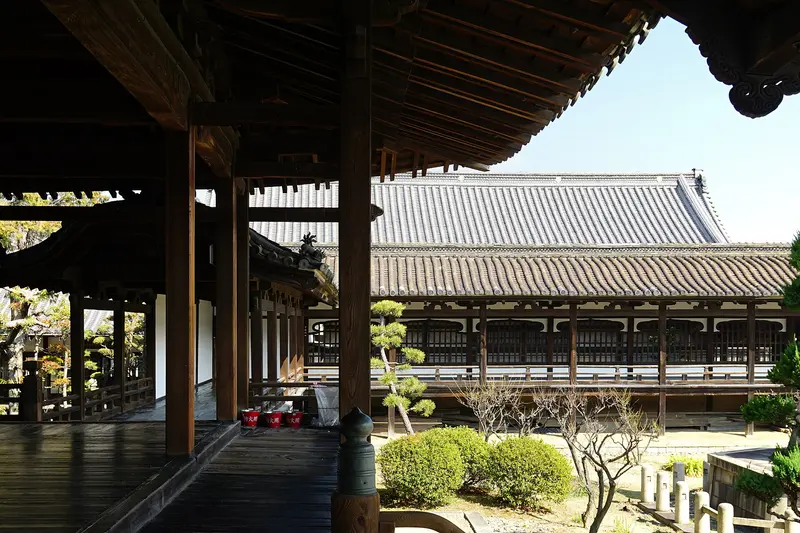
    The Kameyama Hontokuji Temple in Himeji represents an important center of Jodo Shinshu Buddhism. Its founding in 1476 by the influential monk Rennyo marked a turning point for the spread of this Buddhist school throughout the Harima Region. Here you will find a site of historical and spiritual significance, offering a tranquil alternative to the bustling castle grounds. The architecture of the main hall and auxiliary buildings follows traditional Japanese building principles and bears witness to centuries of devotion. Notice the detailed wood carvings and the simple elegance of the complex, which encourages contemplation. The temple offers an authentic insight into local Buddhist culture, far from the largest tourist crowds. Our Tip: To fully absorb the peaceful atmosphere, an early morning visit is recommended. Another advantage is its proximity to Himeji Castle, allowing a visit to the temple to be ideally combined with exploring the castle to gain a comprehensive impression of the city's history.
    Open in Google Maps

    Himeji Castle (Himeji-jō)

    Himeji Castle is undoubtedly the city's absolute highlight and a masterpiece of Japanese castle architecture. It is one of the few original castles remaining in Japan and was declared a UNESCO World Heritage site in 1993, one of the first Japanese sites to receive this distinction. Its brilliant white plasterwork and elegant form earned it the nickname 'White Heron Castle'. A walk through its labyrinthine corridors, steep staircases, and extensive defensive structures allows you to delve deep into Japan's feudal history. The castle offers breathtaking views over the city and is an unforgettable sight, especially during cherry blossom season in spring or autumn foliage.
    Open in Google Maps

    City walks in Himeji

    Curated walking tours through the city's highlights — handpicked by experienced travel journalists.

    Himejis Juwel: Eine Entdeckungsreise zum Weißen Reiher

    Entdecken Sie auf diesem zweistündigen Spaziergang die majestätische Schönheit von Himeji. Von der kühnen Architektur der Burg Himeji bis zur friedvollen Eleganz der Koko-en Gärten – tauchen Sie ein in Japans reiche Geschichte und Kultur. Genießen Sie zudem das lebhafte Treiben der lokalen Einkaufsstraßen und eine atemberaubende Aussicht auf die 'Weiße Reiherburg'.

    ~2 Std. 40 Min.
    In Google Maps öffnen
    Stopps (5)

    Essen & Trinken

    Himeji's Cultural Heritage and Architecture

    Himeji is deeply rooted in Japanese history, primarily through its iconic castle. Himeji Castle, also known as the 'White Heron', dates back to the late 14th century, its current form largely established in the early 17th century under Ikeda Terumasa. It is one of the country's best-preserved castles and a testament to feudal Japanese military architecture and engineering.As a UNESCO World Heritage site, the castle captivates with its elegant, white plaster facade and a complex defense system spanning multiple levels. Its architecture, a masterful combination of aesthetics and functionality, reflects the strategic and artistic ideals of the Momoyama period. Beyond the castle, local traditions also shape Himeji's cultural landscape, including festivals like the Himeji Yukata Matsuri, which drapes the city in colorful summer kimonos, and the robust Nada no Kenka Matsuri, which celebrates the region's strength and community spirit. Together, these elements tell the story of a city that cherishes its rich heritage.

    Exploring Locally

    Himeji is an extremely pedestrian-friendly city, especially around the station and to the famous castle district, which you can comfortably reach on foot in about 15-20 minutes. For longer distances or to explore more distant attractions, the efficient bus network is ideal; for this, it's best to use an IC card like Suica or Icoca for easy payment. Himeji does not have a subway or tram, but bicycles are a popular and environmentally friendly alternative for discovering the city at your own pace; rental stations are often found near the station.Taxis are readily available and a good option for quick trips or in bad weather, while ride-sharing services are less common. Look for the bus routes to Koko-en Garden or Mount Shosha if you plan to visit these attractions, and download a local public transport app for real-time information. The city is compact and easy to navigate, making getting around very pleasant.

    Accommodations in Himeji

    Accommodations in Himeji

    Find perfect stay in Himeji

    Booking.com
    Search Hotels
    Agoda
    Search Hotels
    Airbnb
    Vacation Rentals
    Hotels.com
    Hotels Worldwide
    Hostelworld
    Hostels

    Plan your trip to Himeji

    Save places, build a route and plan your city trip — all in one place.

    Save places

    Bookmark sights, restaurants and neighborhoods you're interested in.

    Build your route

    Turn your bookmarks into a route — define order, days and budget.

    Refine with AI

    Let Mein Fernweh suggest experiences and put together a tailored daily plan.

    Start trip planningOpen bookmarks

    Locations nearby

    These places are nearby — perfect for additional days or a day trip.

    Kobe

    Kobe

    As a cosmopolitan port city at the foot of Mount Rokko, Kobe offers a unique blend of international atmosphere, fine dining, and scenic views.
    Shodoshima

    Shodoshima

    Shodoshima, the second-largest island in the Seto Inland Sea, is renowned for its Mediterranean atmosphere and the unique blend of nature and traditional craftsmanship. Here you'll find Japan's first olive groves, which lend a special flair to the island and are used for olive oil production. Another cultural highlight is traditional soy sauce production, which you can experience in historic breweries like the Marukin Soy Sauce Memorial Hall. Visit the Angel Road, a sandbar passable at low tide connecting two small islands, or explore the spectacular Kankakei Gorge with its dramatic rock formations. The island is also an important venue for the Setouchi Triennale, which integrates contemporary artworks into the landscape. For a relaxed exploration of the olive groves and coastal roads, a rental car is recommended; the best time to visit is spring or autumn to enjoy the mild temperatures.
    Kansai

    Kansai

    The Kansai region in western Japan is the cultural and historical heart of the country. Here you will find a fascinating mix of ancient traditions, vibrant metropolises, and breathtaking nature, which offers a unique travel experience. Discover the cradle of Japanese culture with its imperial palaces, shrines, and gardens.
    Naoshima

    Naoshima

    Immerse yourself in a unique world where contemporary art and stunning architecture harmoniously blend with the serene nature of a Japanese island. Naoshima is a true paradise for culture enthusiasts and those seeking a tranquil escape to experience art in an entirely new context.
    Osaka

    Osaka

    Osaka presents itself as a vibrant metropolis with a distinct food culture that clearly sets it apart from other Japanese cities. Your visit takes you to the pulsating Dotonbori, where neon signs like the Glico Man line the canals and countless restaurants embody the "Kuidaore" philosophy. The majestic Osaka Castle also offers deep insights into Japan's feudal era. Discover the retro-futuristic Shinsekai district with its iconic Tsutenkaku Tower or explore modern architecture in Umeda. To fully savor the culinary diversity, you should plan an evening stroll through Dotonbori and try local specialties like Takoyaki and Okonomiyaki. The spring and autumn months are ideal for pleasant exploration without the largest tourist crowds.