Family Friendly?
Great for families
School Holidays & Travel Time
Most families travel during summer holidays (July/August). Plan early and book in advance – expect higher prices and more tourists during this time.
Kid-Friendly Infrastructure
Good facilities for families (changing rooms, childcare, etc.)
Travel advice (GOV.UK)Planning a family trip to Japan? Here are valuable tips, kid-friendly activities, and everything you need for an unforgettable journey.
Travel Climate for Families
Important information about climate, weather, and the best travel time for your family vacation in Japan.
12–19°C·70–130 mm(heavy rain)
Diese Monate bieten meist mildes und angenehmes Wetter mit wenig Niederschlag. Im Frühling (April, Mai) blühen die Kirschblüten, im Herbst (Oktober, November) fasziniert die Laubfärbung. Die Temperaturen sind ideal für Sightseeing.
Das Klima in Japan ist aufgrund seiner starken Nord-Süd-Ausdehnung und topografischen Vielfalt äußerst unterschiedlich und wird maßgeblich von Monsunwinden beeinflusst.Vier ausgeprägte Jahreszeiten: Japan ist bekannt für seine deutlichen Frühlings-, Sommer-, Herbst- und Wintermonate.Regionale Unterschiede:Hokkaido (Norden): Subarktisches Klima mit langen, kalten Wintern und viel Schnee; kühle Sommer.Pazifikküste (Taiheiyō-Seite): Heiße, feuchte Sommer (beeinflusst vom Pazifik-Hochdruckgebiet) und relativ trockene, milde Winter. Die hier angegebenen monatlichen Daten sind eher repräsentativ für diese Region (z.B. Tokio, Kyoto, Osaka).Japanisches Meer (Nihonkai-Seite): Kalte, stürmische Winter mit sehr starken Schneefällen durch Winde aus Sibirien; Sommer sind heiß und feucht, aber tendenziell weniger extrem als an der Pazifikküste.Südwesten (Kyushu, Shikoku) & Ryukyu-Inseln (Okinawa): Subtropisches Klima mit milden Wintern und sehr heißen, feuchten Sommern. Die Regenzeit beginnt hier früher und dauert länger.Regenzeit (Tsuyu): Von Ende Mai/Anfang Juni bis Mitte Juli herrscht in den meisten Teilen Japans die „Tsuyu“ (Pflaumenregen)-Saison. Sie ist geprägt von hoher Luftfeuchtigkeit und häufigen, aber nicht immer starken Regenfällen. Hokkaido ist von der Tsuyu-Front weitgehend ausgenommen.Taifun-Saison: Zwischen August und Oktober ist das Risiko von Taifunen am höchsten, insbesondere im Süden und entlang der Pazifikküste. Diese können starken Regen, Wind und Störungen im Reiseverkehr verursachen.Sommer: Extrem heiß und feucht in weiten Teilen des Landes, insbesondere in Städten wie Tokio und Kyoto. Trotzdem ist dies eine beliebte Reisezeit für Festivals (Matsuri) und Strandbesuche.Winter: Ideal für Wintersport in den Bergregionen (z.B. Hokkaido, Japanische Alpen), während die Pazifikküste sonniger und kälter ist.Reisende sollten die regionalen Besonderheiten und die Jahreszeit bei der Planung berücksichtigen, um das beste Erlebnis zu gewährleisten.
Seasons
Jan
Feb
Mar
Apr
May
Jun
Jul
Aug
Sep
Oct
Nov
Dec
Hauptsaison (Frühling & Herbst)
Regenzeit (Tsuyu)
Hauptsaison (Sommer)
Übergangszeit
Nebensaison (Winter)
Best Time to Visit
▶Show detailed monthly data
| Month | Temp (°C) | Rain (mm) | Sun (h) |
|---|---|---|---|
| January | 5.0 | 50 | 6.0 |
| February | 6.0 | 60 | 6.0 |
| March | 9.0 | 100 | 5.5 |
| April | 14.0 | 120 | 6.0 |
| May | 19.0 | 130 | 6.5 |
| June | 23.0 | 170 | 4.5 |
| July | 26.0 | 160 | 5.0 |
| August | 28.0 | 150 | 6.5 |
| September | 24.0 | 200 | 4.5 |
| October | 18.0 | 110 | 5.5 |
| November | 12.0 | 70 | 5.5 |
| December | 7.0 | 50 | 6.0 |
Consider School Holidays
The main travel times for families often fall during school holidays (July/August in Germany, Austria, and Switzerland). Plan early and book in advance, as higher prices and more tourists are expected during this time.
Summer Holidays
Summer holidays are the most popular travel time for families. In Japan, it can get very warm during this time – make sure to have enough shade, sun protection, and cool activities for the children.
Videos & Reportages
Get inspired by these videos and reportages about Japan and get a first impression of kid-friendly activities and sights.
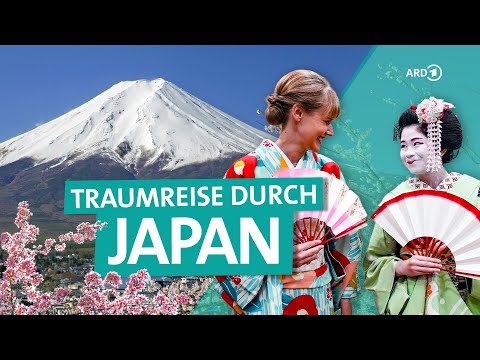
Japan mit dem Shinkansen-Zug – Auch ohne Kirschblüte ein Abenteuer
Dieser Reisebericht nimmt die Zuschauer mit auf eine Entdeckungsreise durch Japan, von Kyoto über Hiroshima bis Miyajima, und zeigt die Schönheit des Landes, erkundet mit dem Shinkansen-Zug, auch außerhalb der Kirschblütenzeit.
Family Tips for Japan
Japan as a Family Travel DestinationJapan is great for families with children. The country is safe and clean, the infrastructure is efficient, and children are naturally welcomed in restaurants and on transport. The most pleasant travel times for families are spring and autumn; summer is hot and humid.Experiences for ChildrenTheme Parks: Tokyo Disneyland and Tokyo DisneySea, and Universal Studios Japan in Osaka, are the most famous parks. They are heavily visited on weekends and during school holidays.Museums: The Ghibli Museum in Mitaka near Tokyo features the world of Studio Ghibli films; admission with a pre-booked dated ticket only. Railway museums like the SCMaglev and Railway Park in Nagoya or the Kyoto Railway Museum, as well as interactive science museums, are also popular.Animals and Nature: The Osaka Aquarium Kaiyukan is one of Japan's largest aquariums. In Nara, hundreds of tame Sika deer roam the park freely, and city parks often have large playgrounds.Shinkansen: Even a ride on the high-speed train is an experience for many children.Practical TipsDiapers and Baby Food: Find them in drugstores, supermarkets, and many Konbini (convenience stores).Changing Rooms: Department stores, large stations, and malls have well-equipped changing and nursing rooms; changing facilities are marked by “Omutsu-gae” or a baby symbol.Medical Care: Medical care is excellent. Get travel health insurance and note down addresses of English-speaking pediatricians at your destinations.Train Travel: With JR, children under 6 years travel free with a paying adult (without their own seat), children aged 6 to 11 pay half price.Accommodation and FoodAccommodation: Hotel rooms in cities are often small; ask specifically for family rooms. In Ryokan, you sleep on futons on tatami mats – practical as extra beds can simply be added. However, some Ryokan do not accept young children. Holiday apartments offer more space and a kitchen.Eating Out: Family restaurants and chains often have children's menus and high chairs. Udon, Omurice (omelette on rice), Japanese curry, and Onigiri are generally popular with most children.Getting Around with ChildrenStrollers: City stations usually have elevators, but trains are very crowded during rush hour. A light, foldable buggy is more practical than a large stroller; a baby carrier helps at temples and shrines with many steps.Car Seats: For children under 6 years, a car seat is mandatory. Book in advance with the car rental company. Taxis generally do not have child seats.
General Tips
Planning Activities
Plan varied activities that are interesting for both adults and children.
Timing Your Trip
Keep school holidays, climate, and local events in mind.